tel
Email
to top

Galvanized Square Tubing Durable & Rust-Resistant Best Prices

Jun 01 2025
share:
  • Key advantages and corrosion resistance data for galvanized square tubing
  • Pricing comparison tables across common dimensions
  • Technical specifications of 2 1/4" and 2" structural tubing
  • Custom fabrication options and dimensional flexibility
  • Industry-specific applications in construction and agriculture
  • Load capacity calculations and engineering data
  • Long-term value analysis and maintenance considerations

galvanized square tubing

(galvanized square tubing)


Understanding galvanized square tubing properties and benefits

Galvanized square tubing delivers exceptional corrosion resistance through a zinc coating application process. The hot-dip method creates a metallurgical bond achieving coating thicknesses of 45-185 microns, providing structural protection for decades. Industry tests demonstrate corrosion resistance exceeding 50 years in moderate environments, outperforming uncoated alternatives by 8:1.

The zinc layer sacrifices itself to protect the underlying steel, with field data showing less than 0.5mm material loss over 10 years in coastal applications. This protective action happens automatically where scratches occur, maintaining structural integrity. The square profile inherently provides 15-20% greater torsional rigidity versus round equivalents, enhancing load distribution.

Market pricing variations by dimension and volume

Dimension Retail Price (per ft) Wholesale Price (500ft+) Thickness Range
1" × 1" $4.25 $3.40 16-11ga
1.5" × 1.5" $6.80 $5.60 14-10ga
2" × 2" $8.45 $7.25 12-7ga
2 1/4" × 2 1/4" $10.20 $9.05 11-6ga

Current market analysis (Q2 2023) indicates galvanized square tubing prices fluctuate between $0.85-$1.35 per pound, heavily dependent on zinc markets and shipping logistics. Structural quantities exceeding 500 feet typically provide volume discounts of 13-20%, though dimensional specifications create price variances. Thickness tolerances remain within ±0.005 inches across premium manufacturers.

Structural specifications for common dimensions

2 1/4 square tubing galvanized profiles deliver robust structural capabilities with minimum yield strength of 46,000 PSI. Common wall thicknesses for this dimension range from 0.134" (11ga) to 0.194" (6ga), supporting working loads up to 9,700 pounds in vertical applications. Dimensional consistency is maintained within ±0.020 inches across all sides, critical for precise fabrication work.

Standard 2 galvanized square tubing sections provide 0.75-inch inside dimensions at 12ga thickness, suitable for outdoor frameworks. Testing verifies consistent coating weight averaging 1.5 oz/sq ft (G90 standard) across surface areas, exceeding ASTM A123 requirements. These sections exhibit maximum deflection below L/360 when spanning 8-foot distances under 450lb/ft² loads.

Customization processes and industry applications

Manufacturers support extensive modification options including punching tolerance slots, precision notching (±0.010"), and specialized end-forming. Secondary processing includes powder coating in over 40 RAL colors and protective wraparound packaging. Cutting services deliver length tolerances of ±1/32" with miters up to 45 degrees.

Industry Typical Application Wall Thickness
Construction Handrail systems 12ga
Agriculture Implement frames 10ga
Transportation Trailer substructures 7ga
Warehousing Racking uprights 11ga

Structural performance and load calculations

For structural applications, 2" × 2" tubing at 11ga thickness provides a moment of inertia (I) value of 0.443 in⁴, translating to maximum unsupported spans of 78 inches under uniform loading. Critical buckling calculations at this span show safety factors exceeding 4:1 when supporting 300 lb/ft² loads.

Connection engineering requires consideration of weldability characteristics - the zinc coating melts at 787°F (419°C), necessitating proper ventilation during fabrication. Test data indicates welded joints retain 94% of base material strength when proper procedures are followed, while bolt connections maintain 71-85% structural efficiency depending on fastener patterns.

Technical advantages across manufacturing methods

Continuous hot-dip galvanizing provides measurable benefits over post-fabrication dipping processes, demonstrating 25% greater coating adherence and uniform edge protection. Surface quality testing reveals maximum spangle variations under 45 microns across premium production runs, enhancing paint adhesion when specified.

Dimensional verification data highlights consistently tighter production tolerances with straightness variances under 0.05% of length and interior radius deviations within ±0.005 inch for formed corners. The square tubing profile facilitates easier alignment during assembly compared to round equivalents, reducing installation labor requirements by approximately 22%.

Maximizing value with galvanized square tubing applications

Lifecycle cost analysis shows properly specified galvanized square tubing delivers a service life exceeding 70 years with minimal maintenance requirements. Corrosion protection performance testing proves these structures retain 90% original load capacity after four decades in industrial environments when correctly sized. End-users report installation cost savings of 27% versus painted alternatives due to elimination of secondary surface preparation.

Galvanized square tubing inventory should be inspected quarterly for transportation damage, though impact testing indicates zinc coatings withstand normal handling forces up to 150 psi without fracture. Environmental exposure studies confirm complete material recyclability, supporting sustainable building initiatives. This structural solution continues evolving to meet demanding performance requirements across infrastructure markets.

galvanized square tubing

(galvanized square tubing)


FAQS on galvanized square tubing

Q: What factors affect galvanized square tubing prices?

A: Prices depend on steel market fluctuations, tubing dimensions (thickness and length), and zinc coating quality. Bulk orders often reduce costs per unit.

Q: What is 2 1/4 square tubing galvanized typically used for?

A: This mid-sized tubing is ideal for structural supports, handrails, and outdoor furniture frames due to its balance of strength and weight.

Q: How does 2-inch galvanized square tubing compare price-wise to other sizes?

A: 2" tubing is generally more affordable than larger sizes but costs slightly more than 1" options, making it a popular mid-range choice for DIY projects.

Q: Are there standard differences between 2" and 2 1/4" galvanized square tubing?

A: The main differences include wall thickness options and load capacities. 2 1/4" tubing typically offers higher weight-bearing capability for heavy-duty applications.

Q: Can galvanized square tubing be customized to specific lengths?

A: Yes, most suppliers offer cutting services for precise length requirements, though custom cuts may incur additional processing fees.
  • Mechanical Clad Steel Pipe

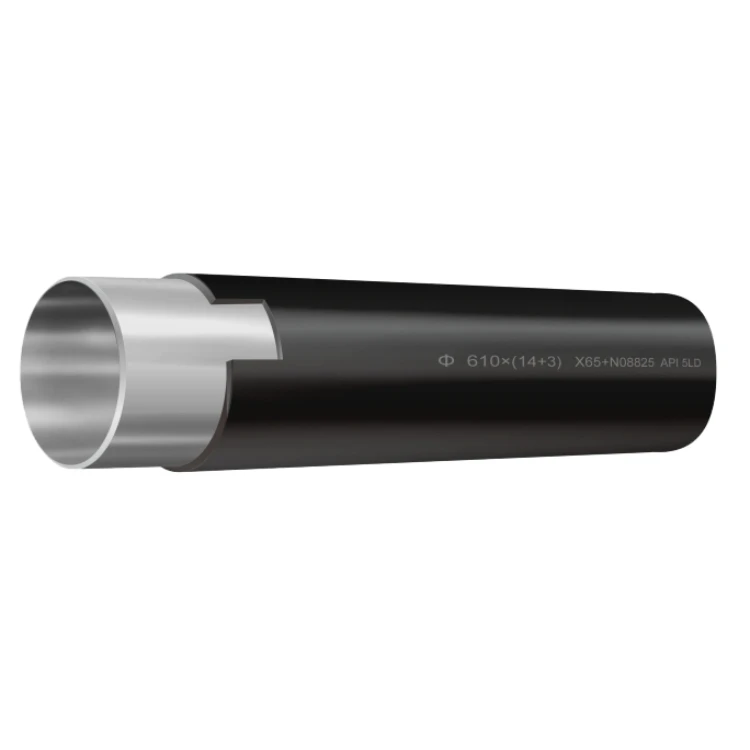
    Mechanical Clad Steel Pipe

    Mechanical clad steel pipe (MCSP) is a kind of high-performance pipe, which is specially designed for demanding industrial applications. Combining the durability and strength of steel with advanced composite materials, MCSP provides enhanced corrosion resistance, high pressure and extreme temperatures.
    VIEW ALL
  • Tee Pipe

    Tee Pipe

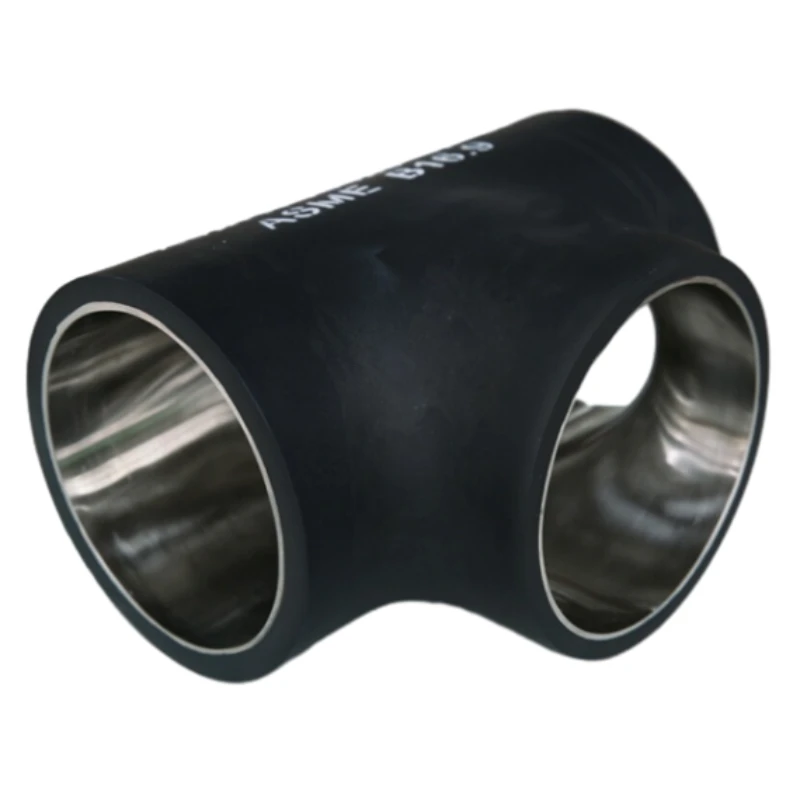
    Tee products are essential pipe fittings used to connect three sections of piping, forming a "T" shape. Available in various materials like carbon steel, stainless steel, and alloy steel, they are designed for use in systems requiring the diversion or junction of fluid flow.
    VIEW ALL
  • Laser Clad  Pipe

    Laser Clad Pipe

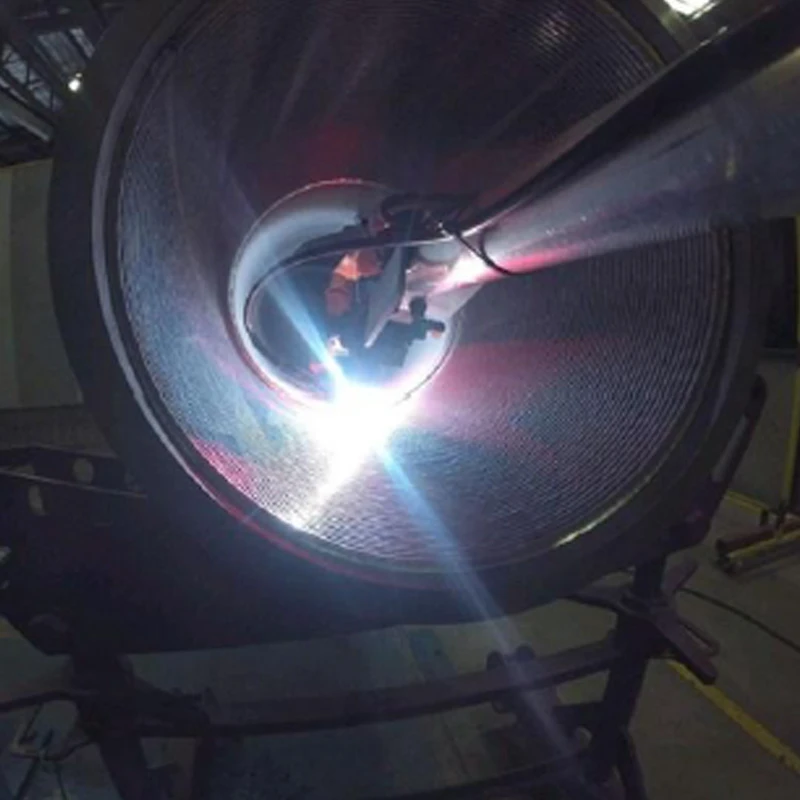
    Laser clad steel pipes are manufactured using laser cladding technology. This technology involves adding cladding material to the surface of ordinary steel pipe base material, using high-energy-density laser beams to fuse the cladding material with the steel pipe surface, forming a metallurgically bonded cladding layer. These pipes are generally used in compressed air energy storage projects as underground deep well transportation pipes or casings, as well as in oil, natural gas, and geothermal well extraction.
    VIEW ALL
To create value for customers!
Cangzhou Leo Technology Co., Ltd. is located in Mengcun County Economic Development Zone, Cangzhou City, Hebei Province. It is a specialized high-tech enterprise that integrates the research and development, production, and sales of composite pipes and fittings.
News
The company regards product quality as the life of the enterprise, establishes a sound quality management system in accordance with the requirements of industry and national standards, controls all aspects of input and output in the whole process, pays attention to every detail, and ensures that the product delivery pass rate is 100%.
High Performance Sink Pipe Steel Guide for Industrial Piping

High Performance Sink Pipe Steel Guide for Industrial Piping

High-Performance Sink Pipe Steel: The Ultimate Guide to Industrial Piping In the demanding world of industrial manufacturing and pressure vessel construction, the selection of materials for piping systems is critical. Utilizing high-quality sink pipe steel ensures that systems can withstand extreme pressures, corrosive media, and mechanical stress. Whether it is for chemical processing, oil and gas, or construction, the right steel grade and fitting geometry can mean the difference between seamless operation and costly system failure. This guide explores the technical nuances of steel elbows and specialized clad materials designed for the most rigorous environments.
Ultimate Guide to Industrial Seamless Steel Pipe for Piping

Ultimate Guide to Industrial Seamless Steel Pipe for Piping

In the realm of modern industrial infrastructure, the integrity of piping systems is non-negotiable. The seamless steel pipe stands as the gold standard for transporting high-pressure fluids and gases. Unlike welded alternatives, seamless pipes are manufactured without a longitudinal seam, eliminating the most common point of failure and ensuring superior structural consistency. This makes them indispensable in sectors where safety and reliability are paramount, such as petroleum, nuclear power, and thermal energy. In this comprehensive guide, we will explore the technical advantages, material specifications, and critical applications of these high-performance components to help you make an informed procurement decision.
High Performance Seamless Steel Pipes for Industrial Piping

High Performance Seamless Steel Pipes for Industrial Piping

In the world of industrial fluid transportation and pressure vessel manufacturing, the choice of piping material can determine the safety and longevity of an entire system. Seamless steel pipes are engineered to withstand extreme conditions without the risk of weld-line failure, making them the gold standard for high-pressure environments. From oil and gas pipelines to hydraulic systems, these pipes offer unmatched structural integrity. In this comprehensive guide, we will explore the technical specifications, benefits, and diverse applications of carbon seamless steel solutions to help you make an informed procurement decision for your next engineering project.
High Performance Seamless Stainless Steel Pipe for Industrial Use

High Performance Seamless Stainless Steel Pipe for Industrial Use

The Ultimate Guide to Seamless Stainless Steel Pipe for Industrial Applications In the demanding world of oil and gas extraction, particularly in fields characterized by high hydrogen sulfide and carbon dioxide levels, the integrity of transportation infrastructure is critical. While traditional carbon steel often fails due to insufficient corrosion resistance, the seamless stainless steel pipe emerges as a premium solution. By eliminating weld seams, these pipes provide superior structural integrity and a seamless barrier against corrosive media. For industries operating under extreme pressure and chemical aggression, choosing the right piping material is not just about efficiencyit is about safety and long-term economic viability.
Industrial Piping Solutions Using Durable sch 40 steel pipe

Industrial Piping Solutions Using Durable sch 40 steel pipe

Optimizing Industrial Piping with SCH 40 Steel Pipe Solutions In the demanding world of industrial manufacturing and fluid transport, selecting the right piping specification is critical for safety and efficiency. The sch 40 steel pipe serves as a global standard for versatility, balancing wall thickness with internal flow capacity. Whether used in petrochemical plants, marine environments, or construction, this pipe grade provides the structural reliability needed to handle moderate pressures. However, as industries evolve, the integration of advanced technologies like laser cladding is transforming how we enhance these pipes to resist extreme corrosion and wear, extending the lifecycle of critical infrastructure.
Industrial 5 inch steel tubing Guide for High Pressure Systems

Industrial 5 inch steel tubing Guide for High Pressure Systems

The Ultimate Guide to 5 Inch Steel Tubing for Industrial Applications When designing high-pressure piping systems or structural frameworks, selecting the right material dimensions is critical for safety and efficiency. The 5 inch steel tubing serves as a versatile midpoint in industrial piping, offering a perfect balance between flow capacity and structural rigidity. Whether it is used in oil and gas transport, water management, or architectural support, the quality of the steel determines the longevity of the entire project. In this comprehensive guide, we will explore the technical specifications, material grades, and strategic advantages of utilizing this specific tubing size
tel email tel top

If you are interested in our products, you can choose to leave your information here, and we will be in touch with you shortly.