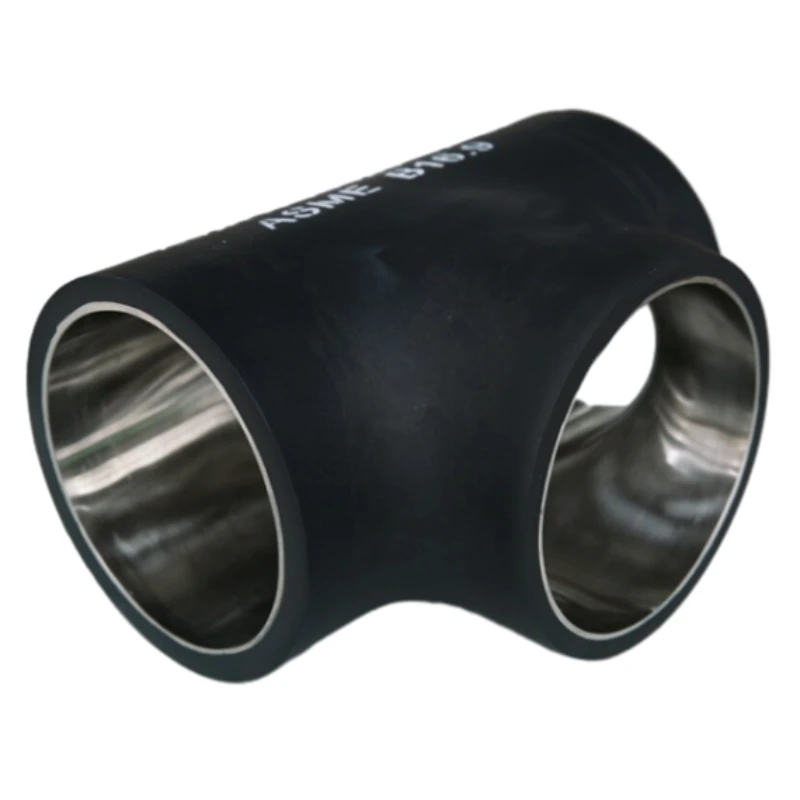
At first glance, the term 2 1 4 galvanized square tubing might seem like just industrial jargon. But in reality, this product embodies a fundamental piece of infrastructure that impacts construction, manufacturing, and even humanitarian relief efforts worldwide. As industries demand materials that are durable, cost-effective, and corrosion resistant, 2 1 4 galvanized square tubing often becomes the go-to choice. From towering urban architecture to remote rehabilitation projects, understanding this tubing’s specifications and value helps engineers, builders, and supply chain professionals make smarter decisions.
Why does it matter globally? Well, the durability and strength of galvanized square steel directly influence the lifespan of everything from bridges to shelters. Countries investing in infrastructure seek materials meeting international standards (ISO 1461 for galvanization, for example), ensuring safety and sustainability in their projects. Considering steel accounts for roughly 7% of global CO2 emissions, choosing the right steel products has environmental and economic ripple effects.
The 2 1 4 galvanized square tubing is more than just metal—it's a cornerstone of sustainable and reliable construction worldwide.
Globally, steel consumption has hovered around 1.8 billion metric tons annually, with construction taking about 50% of that volume. The 2 1 4 galvanized square tubing represents a specific category within this huge scale, prized for its uniform strength and rust resistance. Countries like China, India, and the U.S. dominate production but also face the challenge of balancing economic growth with environmental stewardship.
One major problem: corrosion. Nearly 25–30% of steel infrastructure failures are due to rust, especially in coastal or humid environments. Here’s where galvanized (zinc-coated) square tubing shines: it forms a protective barrier, effectively extending the structural integrity for decades. So this tubing isn’t just about structural strength; it’s about longevity and reduced maintenance costs.
The global push for resilient infrastructure makes galvanized square tubing a crucial material in reducing repair costs and extending service lifetimes.
Simply put, 2 1 4 galvanized square tubing refers to steel tubing with a measurements designation of approximately 2.25 inches (2 1/4 inch) on each side, shaped as a hollow square tube, and coated with a layer of zinc through galvanization — a process designed to prevent rust.
This tubing’s geometry (a square cross-section) lends itself well to construction frameworks, fencing, pipelines, and mechanical systems that require both aesthetic uniformity and functional strength. It's also lightweight compared to solid steel bars, which helps reduce overall project weights.
In humanitarian and industrial contexts, you often find it in modular housing frames or temporary shelter infrastructure, especially where shipping logistics favor lightweight, sturdy materials.
The galvanization layer typically ranges from 45 to 85 microns, creating a zinc barrier that protects the steel from oxygen and moisture. Industry testing shows well-galvanized steel can resist corrosion for 15-25 years in harsh environments.
The square tubing shape optimizes load distribution and resistance to bending. Engineers often select 2 1 4 tubing for applications requiring moderate to high strength without excessive weight.
Galvanized square tubing balances upfront costs with long-term maintenance savings. While slightly pricier than non-galvanized alternatives, the extended product lifespan justifies the investment—especially for outdoor or coastal projects.
Manufacturers can customize wall thickness, length, and zinc coating thickness to meet specific project requirements. This flexibility improves compatibility with diverse global construction needs.
Galvanized steel is fully recyclable, helping circular economy goals. Moreover, protective coatings reduce frequency of repairs and replacements, reducing waste over time.
| Parameter | Specification | Typical Range | Details |
|---|---|---|---|
| Outer Dimensions | 2.25" x 2.25" | ±0.05" | Square cross-section |
| Wall Thickness | 0.065" – 0.120" | Varies by application | Thicker walls increase strength |
| Zinc Coating Thickness | 45–85 µm | Per ASTM A653 | Hot-dip galvanization standard |
| Material Grade | ASTM A500 Grade B | - | Common structural steel grade |
| Length | 20 ft (standard) | Custom lengths available | Cut-to-order options |
From strong, uniform structure to protective zinc layers, these core factors make 2 1 4 galvanized square tubing a versatile material for many projects.
It’s fascinating how such tubing pops up across a range of industries worldwide. In Southeast Asia’s booming urban construction scene, the tubing forms skeletons of low- to mid-rise buildings, providing reliable frameworks that handle seismic loads.
Post-disaster relief operations, such as after hurricanes or earthquakes in the Caribbean, use galvanized square tubing frames to erect temporary shelters rapidly. The material’s resistance to rust helps these shelters last through heavy rains and tropical climates.
In remote industrial zones—think mining outposts in Australia or oil rigs in the North Sea—the corrosion resistance of galvanized square tubing is vital for piping and structural scaffolding exposed to salt spray and harsh weather.
| Vendor | Coating Thickness | Custom Sizes | Lead Time | Price per ft |
|---|---|---|---|---|
| SteelPro Ltd. | 50–70 µm | Yes (length/wall thickness) | 2 weeks | $$ |
| GalvaTech Corp. | 70–85 µm | Limited | 1 week | $$$ |
| Metro Steel Supply | 45–60 µm | Yes (standard sizes) | 3 weeks | $ |
The global reach of 2 1 4 galvanized square tubing spans continents and industries, with vendors varying in customization and pricing to meet diverse needs.
One major reason for using galvanized square tubing is longevity. It costs more initially than untreated steel, but you avoid premature failure and frequent maintenance. Plus, there’s an emotional element — knowing infrastructure is safer, more reliable, and designed to last.
The safety aspect can’t be understated. Corroded steel can suddenly fail, endangering lives and causing costly delays. Opting for galvanized tubing reduces this risk substantially. Trustworthiness develops over time, especially when investors and residents see concrete proof in durable constructions.
Looking ahead, the industry is exploring “smart coatings” that self-heal micro-cracks in the zinc layer. There’s also a push for greener galvanization methods reducing chemical waste and energy consumption.
Automation in production is improving consistency, cutting costs, and making custom orders more feasible. Then there’s integration with digital supply chains for real-time inventory and quality tracking — promising better project timelines and transparency.
Even galvanized tubing has its challenges. If the zinc coating is scratched or improperly applied, corrosion can accelerate underneath. Transport damages and poor installation may compromise protection.
Experts recommend careful handling and stringent quality controls during fabrication and logistics. Some are trialing composite coatings layered on galvanized steel for added robustness.
The 2 1 4 galvanized square tubing is a stalwart material that blends durability, cost efficiency, and environmental responsibility. Across the globe—from skyscrapers to emergency shelters—it offers structural integrity that endures. Frankly, considering its proven track record, investing in high-quality galvanized tubing is a smart foundation for future-proof projects.
If you want to explore sourcing and specifications, do visit https://www.lion-pipeline.com for detailed product info, vendor details, and real-world applications.
Value in steel isn’t just about metal. It’s about trust in resilience and innovation for decades to come.
Exploring galvanized square tubing reminded me how even small details—like an extra micron of zinc—can ripple out to major global benefits. It’s the kind of thing engineers silently depend on daily.
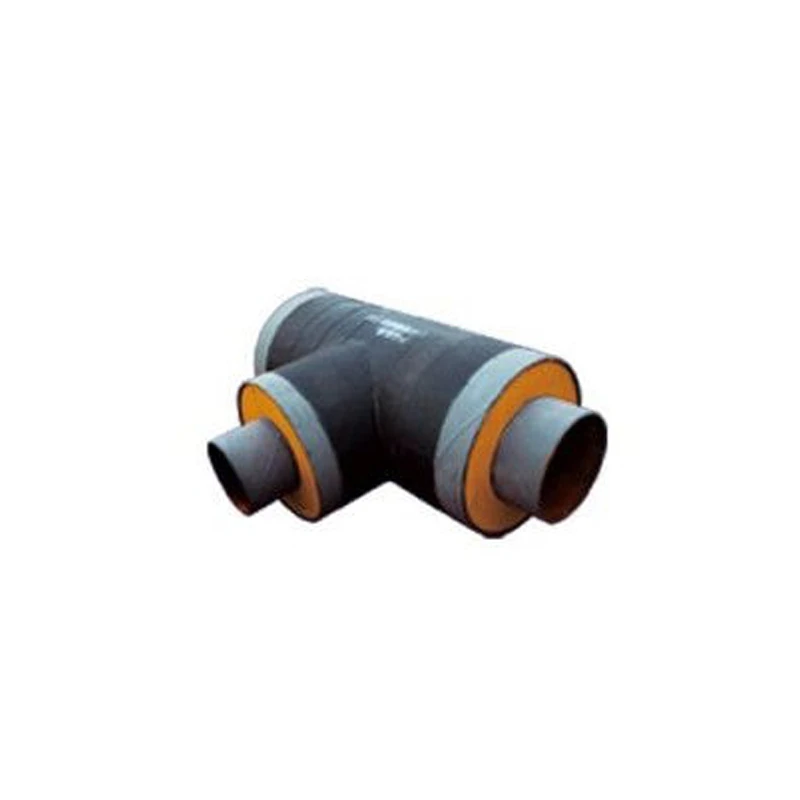
Anti Corrosion And Thermal Insulation Products
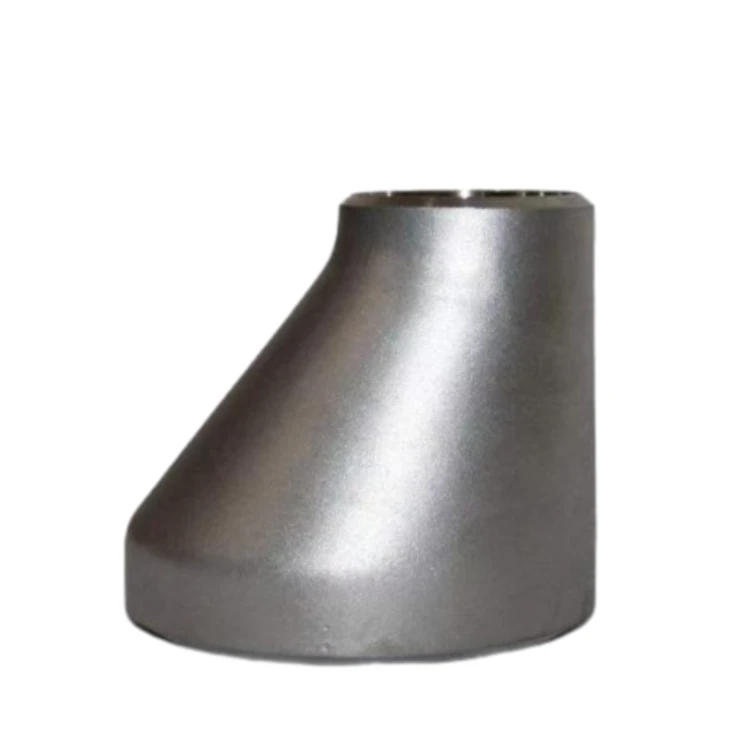

Ultimate Guide to 4130 Tubing Strength Performance and Applications
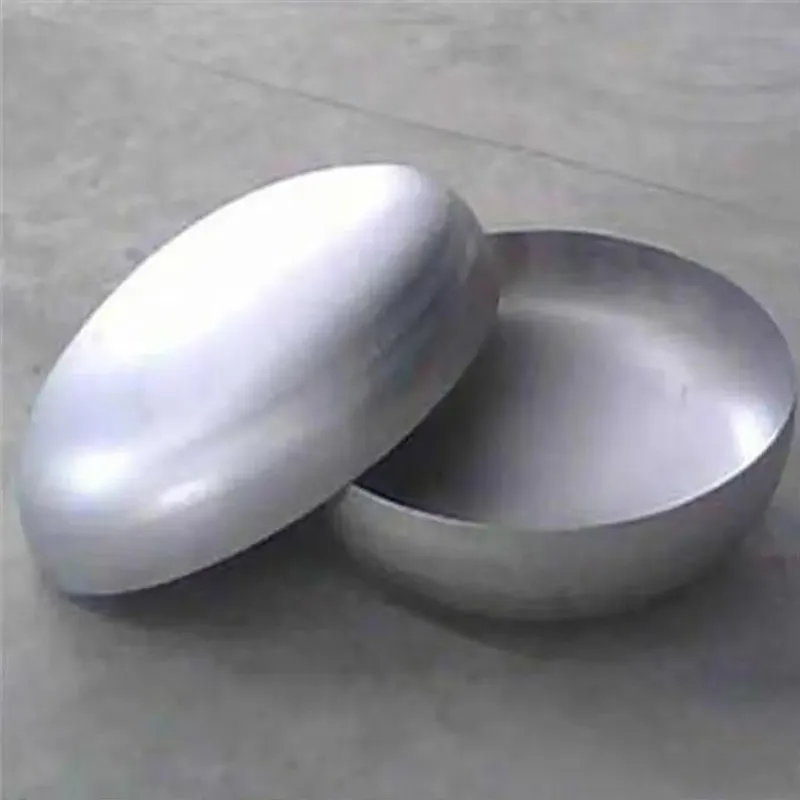
Pipe Cap-Cangzhou Lion Technology Co., Ltd.|Enhancing System Efficiency&Durability
Pipe Cap-Cangzhou Lion Technology Co., Ltd.|Enhancing System Efficiency&Durability
Pipe Cap-Cangzhou Lion Technology Co., Ltd.|Enhancing System Efficiency&Durability
Pipe Cap-Cangzhou Lion Technology Co., Ltd.|Enhancing System Efficiency&Durability
Pipe Cap-Cangzhou Lion Technology Co., Ltd.|Enhancing System Efficiency&Durability