Steel pipes and fittings might sound like dry, technical jargon to some, but in reality, they’re the unsung heroes of countless modern systems — from the water we drink to the gas heat that warms our homes. The world literally runs on these essential components. With industrial growth booming globally and urbanization expanding, understanding the role and benefits of quality steel piping solutions matters more than ever.
Why so? Because steel pipes and fittings provide strength, durability, and flexibility that many other materials simply can’t match. Their widespread adoption influences everything from energy transport to sanitation projects, making societies safer, more efficient, and more resilient.
According to recent World Bank data, global steel pipe production has surged by roughly 15% over the last decade, largely driven by infrastructural demands in Asia and the Middle East. The International Organization for Standardization (ISO) has established rigorous standards to ensure these components withstand diverse pressures — literally and figuratively.
The challenge? As pipelines age and environmental pressures mount, failures become increasingly costly and dangerous. Good steel pipes and fittings help prevent leaks, environmental damage, and even save lives. This is especially crucial in regions prone to natural disasters or rapid urban development.
At their core, steel pipes are cylindrical tubes made of steel used to transport liquids, gases, or solids. Fittings are the components — like elbows, tees, or flanges — that connect, redirect, or seal sections of pipe. Together, they form networks that can span cities or continents.
They are indispensable in industries such as oil and gas, water treatment, HVAC, and construction. On the humanitarian side, steel-based piping infrastructures enable reliable sanitation systems in underserved areas, contributing directly to public health.
One of the biggest reasons steel is preferred is its impressive tensile strength and resistance to external forces. Unlike plastics or composites, steel can handle high pressures and rough conditions for decades.
Modern steel pipes often feature coatings or special alloys to prevent rust — a major cause of infrastructure failure. For example, galvanized or stainless steel variants dramatically extend the lifespan in harsh environments.
While initial installation costs might be higher than alternatives, steel’s longevity and minimal maintenance requirements translate into excellent long-term savings.
Steel’s modularity means systems can be expanded or reconfigured with relative ease—vital for growing cities or changing industrial setups.
Steel is 100% recyclable, minimizing environmental impact and supporting circular economy goals, a factor increasingly weighing into project decisions.
Fittings ensure tight seams and exact angles, preventing leaks and facilitating smooth flow. Innovations in fabrication now allow custom piping solutions to complex urban and industrial layouts.
Steel piping is everywhere — from sprawling oil pipelines across the Middle East, to the municipal water supply systems in European cities, to water purification plants in Africa. Here’s a snapshot:
The versatility of steel pipes and fittings means they touch nearly every aspect of modern life — from emergency aid to everyday essentials.
| Type | Material Grade | Diameter Range (inches) | Wall Thickness | Typical Use |
|---|---|---|---|---|
| Carbon Steel Pipe | ASTM A53/A106 | 1/2" - 48" | Schedule 40/80 | Water and Gas Distribution |
| Stainless Steel Pipe | ASTM A312 | 1/8" - 24" | Schedule 10/40 | Corrosive Environments & Food Industry |
| Galvanized Steel Pipe | ASTM A53 | 1/2" - 12" | Schedule 40 | Outdoor & Water Applications |
| Supplier | Product Range | Quality Certifications | Global Reach | Noteworthy Projects |
|---|---|---|---|---|
| Lion Pipeline | Steel pipes and fittings, valves | ISO 9001, API 5L | Asia, Africa, Middle East | Trans-River Oil Pipeline (2021) |
| Global Steel Solutions | Carbon and stainless steel pipes | ISO 14001, ISO 45001 | Europe, North America | City Water Infrastructure Upgrade (2019) |
| AquaPipe Co. | Galvanized steel piping systems | NSF, WRAS Certified | South America, Australia | Flood Relief Water System Installation (2022) |
When it comes down to it, the benefits of robust steel piping systems are tangible:
Plus, pun not intended, steel pipes age like fine wine — they tend to gain value in long-term projects.
Because of environmental concerns, many manufacturers are exploring green steel manufacturing, which dramatically cuts carbon emissions. Digital technologies like IoT sensors are increasingly embedded into piping networks for real-time monitoring, reducing risk of failures.
Automation in fabrication enhances precision, while new alloys promise even longer life spans in extreme environments. A future where smart steel piping supports not just infrastructure but also intelligent energy grids is somewhat within reach.
Of course, no solution is perfect. Issues like corrosion, material fatigue, or transportation logistics for large pipes persist. But engineers are employing predictive maintenance, nanotechnology-based anti-corrosion coatings, and modular designs to make installations faster and more reliable.
It feels like a continuous dialogue between innovation and practical necessity — each pushing the other onward.
By now, it’s clear that steel pipes and fittings are far more than just raw materials. They are foundational elements that shape economies, save lives, and build the future. Embracing quality products and innovative solutions ensures long-term sustainability and performance.
Curious to learn more? Explore detailed offerings and technical support at Lion Pipeline — a trusted leader in steel pipe solutions worldwide.
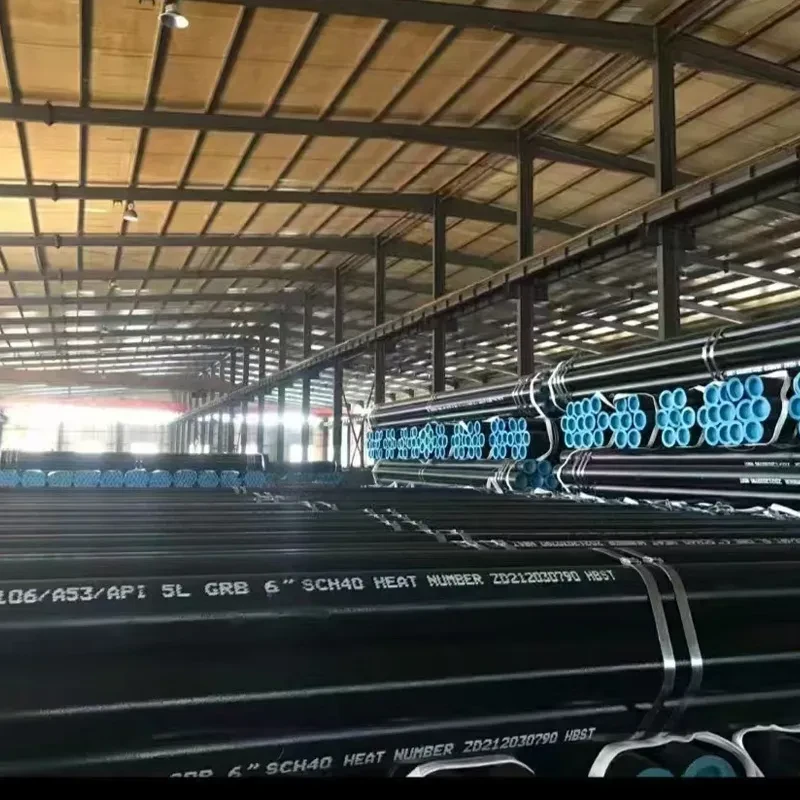
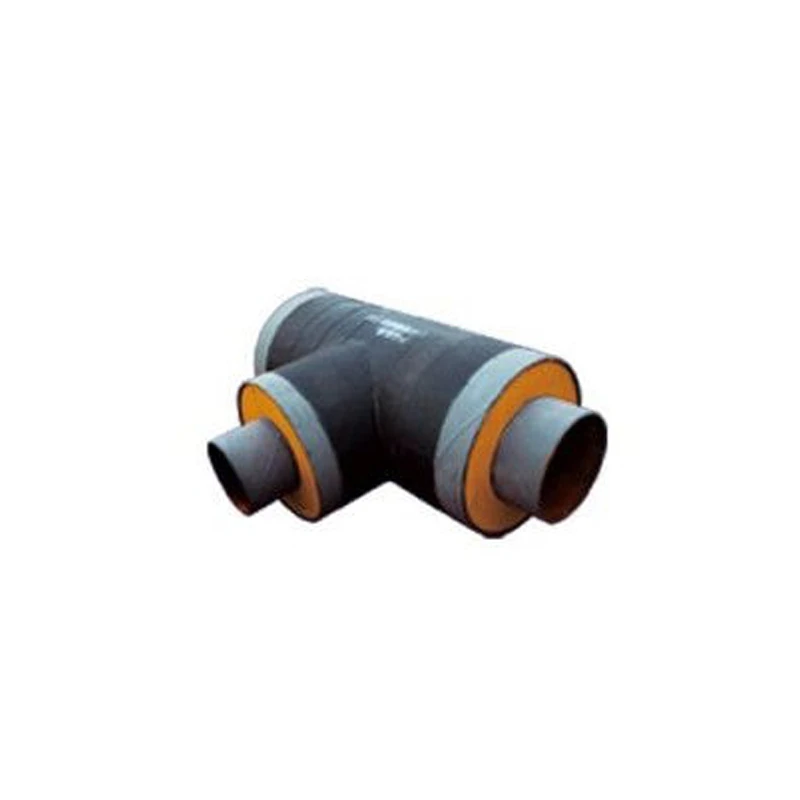
Anti Corrosion And Thermal Insulation Products
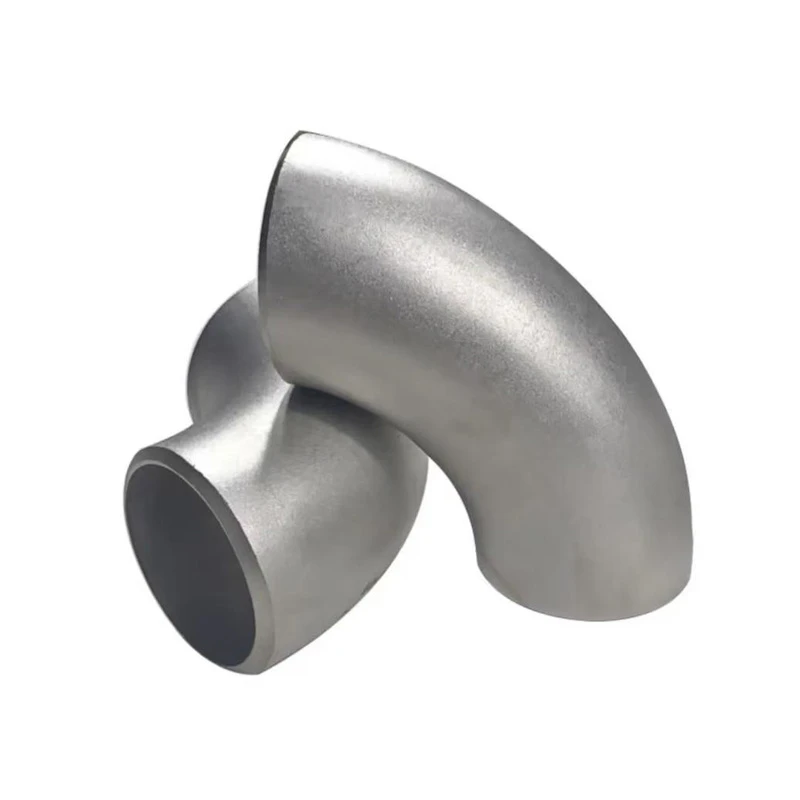

Ultimate Guide to 4130 Tubing Strength Performance and Applications
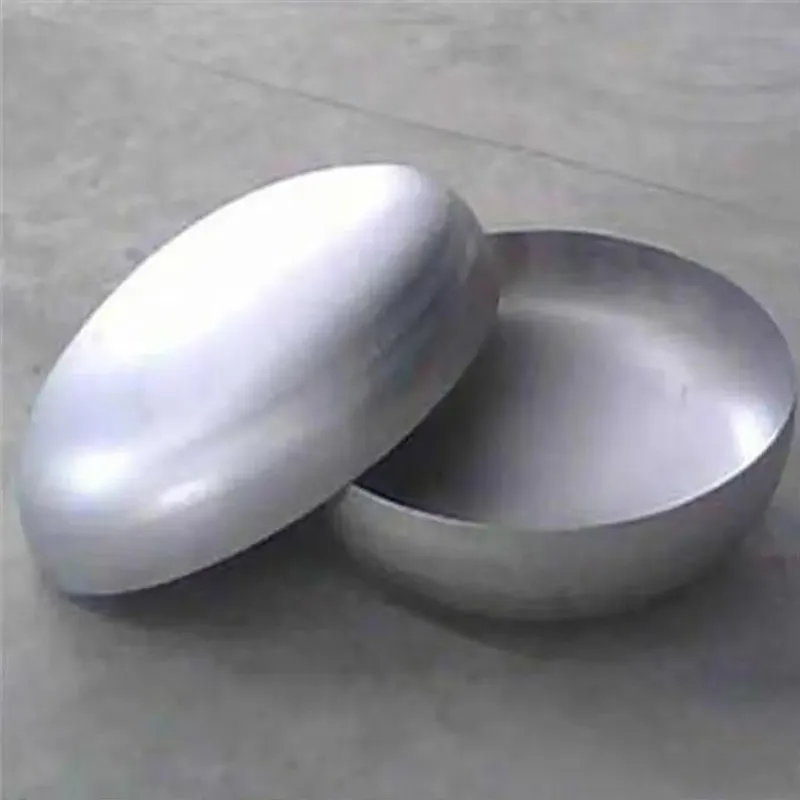
Pipe Cap-Cangzhou Lion Technology Co., Ltd.|Enhancing System Efficiency&Durability
Pipe Cap-Cangzhou Lion Technology Co., Ltd.|Enhancing System Efficiency&Durability
Pipe Cap-Cangzhou Lion Technology Co., Ltd.|Enhancing System Efficiency&Durability
Pipe Cap-Cangzhou Lion Technology Co., Ltd.|Enhancing System Efficiency&Durability
Pipe Cap-Cangzhou Lion Technology Co., Ltd.|Enhancing System Efficiency&Durability