tel
Email
to top

Comprehensive Guide to 2 1 4 Steel Pipe: Specifications, Applications & Future Trends

Dec 03 2025
share:

Understanding the 2 1 4 Steel Pipe: An Essential Backbone in Industry

The 2 1 4 steel pipe might sound like a very specific and niche product, but in reality, it plays a fundamental role across many industrial and construction sectors worldwide. Why is this important? Because steel pipes of this size help build infrastructures that power cities, transport fluids, and underpin manufacturing processes — in short, they're a quiet hero in the story of modern progress. Getting to know these pipes better means appreciating how steel engineering solves real-world problems like durability demands, safety, and efficiency.

Global Context: Why the 2 1 4 Steel Pipe Matters

Steel pipe manufacturing and usage is big business globally — estimates from the World Steel Association report that millions of tons of steel pipes are produced annually, serving everything from oil and gas pipelines to urban water grids. The 2 1 4 steel pipe, with its particular diameter, offers a balance between ease of handling and robust flow capacity.

Globally, emerging economies in Asia and Africa are expanding their infrastructure, increasing demand for reliable piping solutions. Oddly enough, despite its simplicity, the 2 1 4 steel pipe has to meet stringent standards (like ISO 3183 for petroleum pipelines) to withstand harsh environments.

One common challenge these pipes address is the need for piping that handles both pressure and corrosion over long service lives — a problem that’s not going away anytime soon as demands on energy and water infrastructure increase.

What Exactly Is a 2 1 4 Steel Pipe?

Simply put, a 2 1 4 steel pipe refers to a carbon steel pipe with an outer diameter of 2.25 inches (hence 2 1 4). These pipes are typically seamless or welded and come with various wall thicknesses to fit different mechanical and fluid transport requirements.

This size is quite popular in oil and gas, water transportation, and industrial piping systems. The “steel” part usually means carbon steel content, known for its strength, hardness, and versatility. It’s also pretty recyclable, which connects to sustainability efforts in heavy industry.

Key Factors of the 2 1 4 Steel Pipe

1. Durability

These pipes often carry high-pressure fluids and gases. Their durability depends on steel grade, wall thickness, and heat treatment. For example, pipes made from API 5L Grade B steel are renowned for their strength and endurance under pressure.

2. Corrosion Resistance

Steel can rust over time. To fight this, coatings and linings are common, especially if pipes will be used in marine or chemical environments. Certain alloy variations also include corrosion-resistant elements.

3. Cost Efficiency

Because they are mass-produced with standard dimensions, 2 1 4 steel pipes offer good value. Their moderate size makes transport and installation more manageable, saving labor and logistics costs.

4. Scalability

These pipes work individually or as part of vast networks. Their uniformity allows engineers to design scalable systems for municipal water, oil pipelines, or industrial plants.

Typical Specifications at a Glance

Specification Details
Outer Diameter 2.25 inches (57.15 mm)
Wall Thickness Varies: 0.154 - 0.375 inches
Material Carbon Steel (API 5L Grades A to X70)
Length Up to 12 meters (custom lengths available)
Standard Compliance ISO 3183, ASTM A106

Mini takeaway: The 2 1 4 steel pipe’s standard sizing means it fits a sweet spot in the industry — large enough for efficient flow, but small enough to handle easily.

Who Uses These Pipes? Global Applications and Use Cases

In practice, you’ll find 2 1 4 steel pipes everywhere:

  • Oil & Gas Industry: Used extensively for upstream and midstream pipelines. For example, in Nigeria and the North Sea, where pipelines must endure high pressure and corrosive environments.
  • Water Supply Networks: Municipal water companies rely on these pipes for medium-scale distribution lines due to their robustness and longevity.
  • Construction & Manufacturing: Used as structural components or conduits in factories and plants, particularly for compressed air and steam.
  • Disaster Relief Infrastructure: Interestingly, they’re sometimes deployed in emergency water or fuel supply setups where speed and reliability are critical—like earthquake zones or flood recovery areas.

Mini takeaway: The versatility of 2 1 4 steel pipes is a significant reason for their wide adoption across continents and fields.

Advantages and Long-Term Value of the 2 1 4 Steel Pipe

If you look beyond just specs, the benefits become pretty clear:

  • Reliability: Trusted by engineers for consistent performance under various conditions.
  • Longevity: Proper coatings and maintenance can extend service life decades above alternatives like plastic pipes.
  • Cost-effectiveness: While initial costs may be higher, fewer replacements and repairs generally mean lower total expenditure.
  • Sustainability: Steel is recyclable and often produced with partial recycled content. Efforts to source clean energy in production also help lower carbon footprints.
  • Safety & Trust: Many users appreciate the peace of mind knowing their infrastructure won’t fail unexpectedly, protecting lives and communities.

Vendor Comparison: Key Suppliers of 2 1 4 Steel Pipe

Vendor Quality Standards Price (per meter) Lead Time
Company A ISO 3183, API 5L $45 3 weeks
Company B ASTM A106, API 5L $40 4 weeks
Company C ISO 3183, API 5L X70 $50 2 weeks

Mini takeaway: When choosing your vendor, balance quality certifications and lead times with budget — not just the sticker price.

Future Trends and Innovations Around Steel Pipes

The steel pipe industry isn’t stuck in the past. Frankly, evolving environmental regulations and digital tech spur innovation:

  • Advanced Coatings: Nano-coatings that resist corrosion better and reduce maintenance costs.
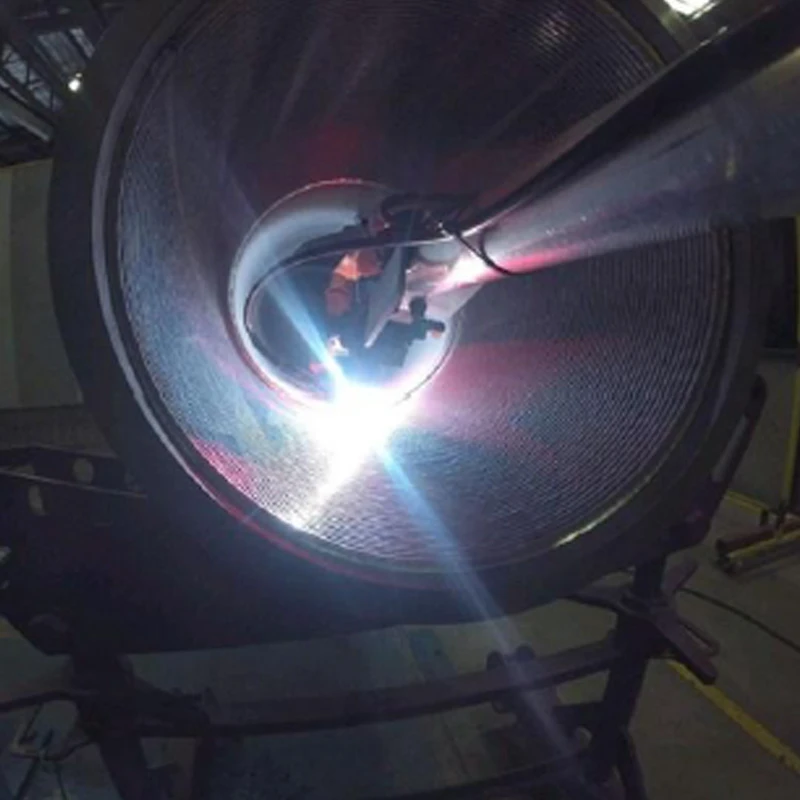
  • Automation in Welding: Digitally controlled welding for stronger, more consistent seams on welded pipes.
  • Smart Pipes: Embedding sensors to detect leaks or pressure changes in real-time, arguably the next wave in pipeline monitoring.
  • Green Steel Production: Taking advantage of hydrogen-based steelmaking to cut CO2 emissions dramatically.

Challenges and Solutions Facing 2 1 4 Steel Pipe Usage

Of course, no technology is perfect. Steel pipes face some predictable challenges:

  • Corrosion Risks: Even with coatings, certain environments can accelerate deterioration. This calls for regular inspections and protective upgrades.
  • Transportation and Handling: Logistic complexities can arise due to weight and length — solutions like modular delivery and precision logistics help here.
  • Environmental Impact: Steelmaking is carbon-intensive, but switching to greener methods and recycling mitigates this.

To stay ahead, engineers collaborate globally to share best practices, and companies invest in R&D aimed at extending pipe life and reducing environmental impacts.

FAQ: What You May Want to Know About 2 1 4 Steel Pipes

1. What industries benefit most from 2 1 4 steel pipes?

Primarily oil & gas, water distribution, and industrial manufacturing. Their size and durability fit many medium-pressure fluid transport needs.

2. How long do these pipes typically last in the field?

With proper maintenance and coatings, they can last 20-50 years, sometimes even longer depending on use conditions.

3. Are 2 1 4 steel pipes easy to install compared to larger pipes?

Yes, their moderate size balances ease of handling with sufficient capacity, making installation relatively straightforward.

4. How do environmental factors affect their lifespan?

Corrosive environments like saltwater or acidic soils accelerate wear; selecting coatings and alloys designed for such conditions is critical.

5. Can these pipes be customized?

Absolutely. Lengths, wall thickness, and even steel grades can be tailored to suit specific project requirements.

Conclusion and Next Steps

So, the humble 2 1 4 steel pipe is more than just a metal tube — it’s a pivotal component in building infrastructure we rely on daily. Durable, versatile, and poised for innovation, understanding its strengths and challenges helps stakeholders make smart, sustainable choices for the future.

Ready to explore quality steel pipes for your projects? Visit https://www.lion-pipeline.com for detailed specs, consultations, and sourcing support.

A small but sturdy pipe indeed carries the burden of great ambition.
References

  1. World Steel Association
  2. Wikipedia: Steel Pipe
  3. ISO 3183 Standard for Steel Pipes
  • Overlay Welding Clad Steel Pipe

    Overlay Welding Clad Steel Pipe

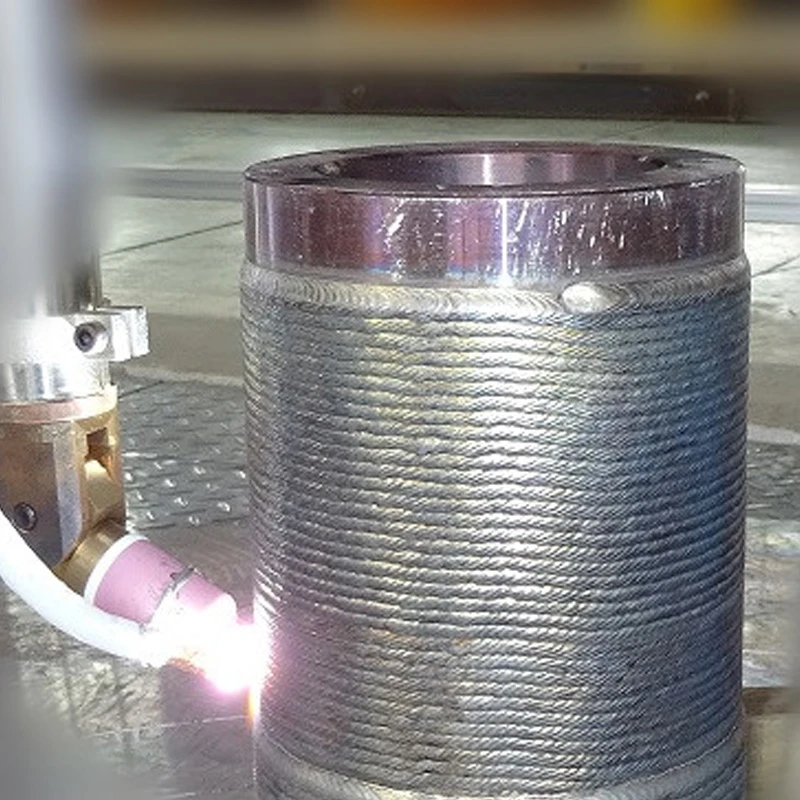
    Overlay Welding clad Steel Pipe features a high-performance welded overlay that enhances the pipe’s surface properties, providing superior resistance to corrosion, erosion, and wear. This process involves applying a wear-resistant alloy layer over a strong steel base, making it ideal for industries such as oil and gas, mining, and chemical processing, where pipes are exposed to harsh conditions. The overlay ensures extended service life, reduced maintenance costs, and reliable performance even in extreme environments. With its combination of strength, durability, and corrosion resistance, the Overlay Welding Steel Pipe is a trusted solution for critical applications.
    VIEW ALL
  • Bend Pipe

    Bend Pipe

    Bend is a crucial pipe fitting used to change the direction of flow in a piping system. It allows for smooth transitions between sections of pipe, accommodating layout constraints, avoiding obstacles, and optimizing flow paths. Bends are designed to maintain the fluid's velocity and minimize pressure loss while providing the necessary angle of deviation. They are commonly used in various industries, including oil and gas, petrochemicals, water supply, and HVAC systems.
    VIEW ALL
  • Anti Corrosion And Thermal Insulation Products

    Anti Corrosion And Thermal Insulation Products

    The anti-corrosion and thermal insulation products we focus on produce play a key role in the industrial pipeline system, especially the thermal insulation pipe fittings and steel pipes. Thermal insulation pipe fittings cover elbows, tees, reducers and pipe supports, with specifications ranging from DN15 to DN1800, and are made of carbon steel, alloy steel, stainless steel, bimetallic composite, nickel-based alloy and other materials.
    VIEW ALL
To create value for customers!
Cangzhou Leo Technology Co., Ltd. is located in Mengcun County Economic Development Zone, Cangzhou City, Hebei Province. It is a specialized high-tech enterprise that integrates the research and development, production, and sales of composite pipes and fittings.
News
The company regards product quality as the life of the enterprise, establishes a sound quality management system in accordance with the requirements of industry and national standards, controls all aspects of input and output in the whole process, pays attention to every detail, and ensures that the product delivery pass rate is 100%.
Comprehensive Guide to Steel Pipes and Fittings | Benefits & Global Applications

Comprehensive Guide to Steel Pipes and Fittings | Benefits & Global Applications

Steel Pipes and Fittings: Backbone of Global Infrastructure Steel pipes and fittings might sound lik
Understanding Welded Steel Pipe: Applications, Benefits, and Innovations

Understanding Welded Steel Pipe: Applications, Benefits, and Innovations

The Quiet Power of Welded Steel Pipe in Today's World If you’re here, you’re probably wo
The Essential Guide to Tube and Steel: Applications, Benefits, and Future Trends

The Essential Guide to Tube and Steel: Applications, Benefits, and Future Trends

Understanding Tube and Steel: Why It Matters in a Complex World If you haven’t given much thou
Thin Wall Steel Pipe – Lightweight Strength for Global Infrastructure Solutions

Thin Wall Steel Pipe – Lightweight Strength for Global Infrastructure Solutions

Understanding Thin Wall Steel Pipe: Why It Matters Globally The term “thin wall steel pipe&rdq
Thick Wall Steel Tubing: Durable Solutions for Global Pipelines and Infrastructure

Thick Wall Steel Tubing: Durable Solutions for Global Pipelines and Infrastructure

The Growing Importance of Thick Wall Steel Tubing: A Practical Overview Sometimes when you hear &ldq
Thick Wall Steel Pipe - Durable Industrial Piping for High-Pressure Applications

Thick Wall Steel Pipe - Durable Industrial Piping for High-Pressure Applications

Understanding Thick Wall Steel Pipe: What It Is and Why It Matters Globally If you’ve ever enc
tel email tel top

If you are interested in our products, you can choose to leave your information here, and we will be in touch with you shortly.