If you’re speccing a carbon steel reducer for a new line—or replacing a tired one—you already know the stakes: flow stability, pressure integrity, and of course, lead time. I’ve toured quite a few shops over the years, and, to be honest, there’s a big difference between a “catalog” reducer and a plant-ready piece. The carbon steel reducer still looks simple, but everything from wall uniformity to bevel finish affects weld time and lifetime cost.
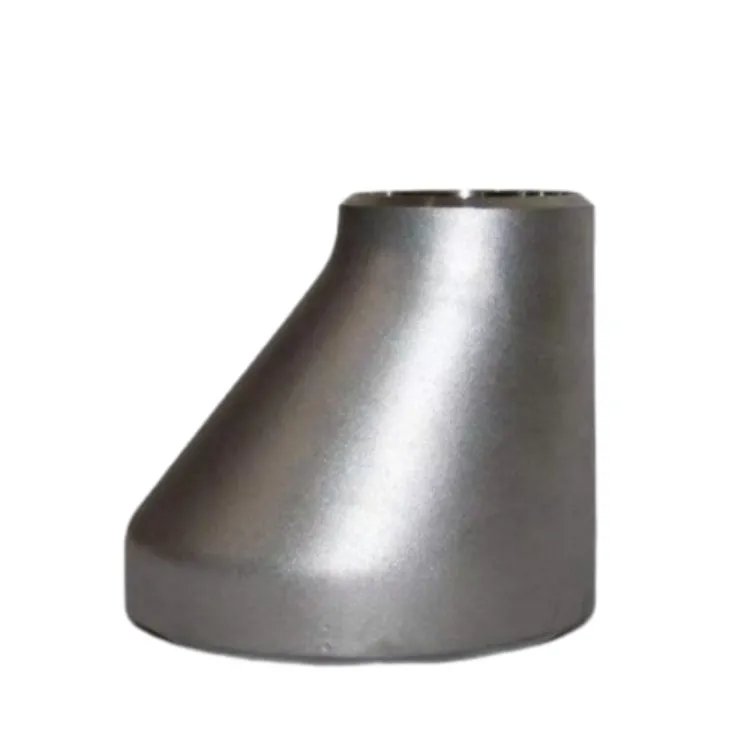
Three things keep coming up in 2025 RFQs: tighter dimensional control to ASME B16.9, sour-service compliance (NACE MR0175/ISO 15156), and traceability. Actually, many customers say they also want optional impact-tested LTCS for colder regions—think ASTM A420 WPL6. The carbon steel reducer has become a verified component, not just a commodity fitting.
| Product Name | Reducer (Concentric / Eccentric) |
| Material Grades | ASTM A234 WPB/WPC; LTCS A420 WPL6 (on request); others by project |
| Size Range | 1/2"–48" (≈DN15–DN1200) |
| Wall Thickness | SCH 10–XXS; custom heavy-wall available |
| Ends | Bevel per ASME B16.25; square ends on request |
| Standards | ASME B16.9, MSS-SP-75, EN 10253-2 (≈), NACE MR0175 (material selection) |
| Surface | Black, anti-rust oil, SA2.5 blast + primer (project-based) |
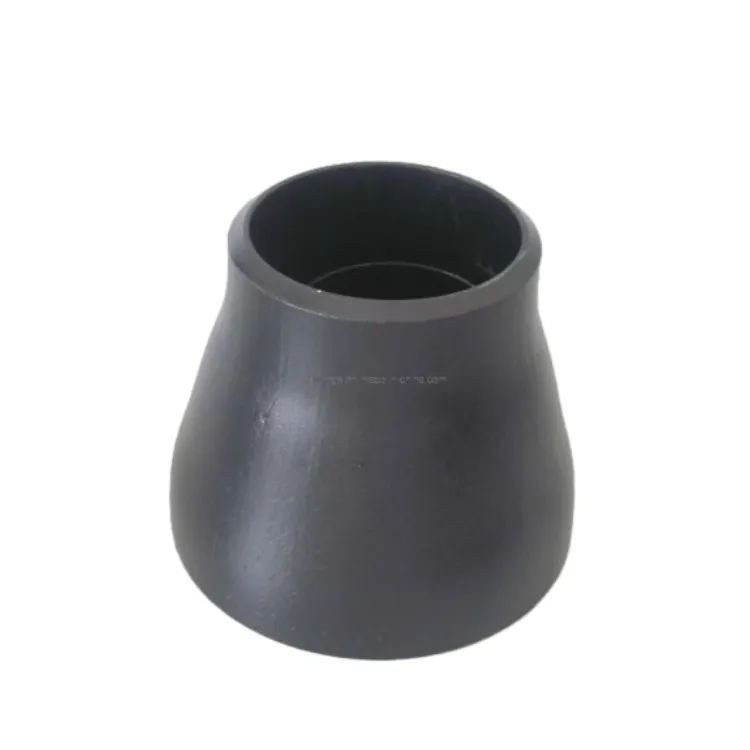
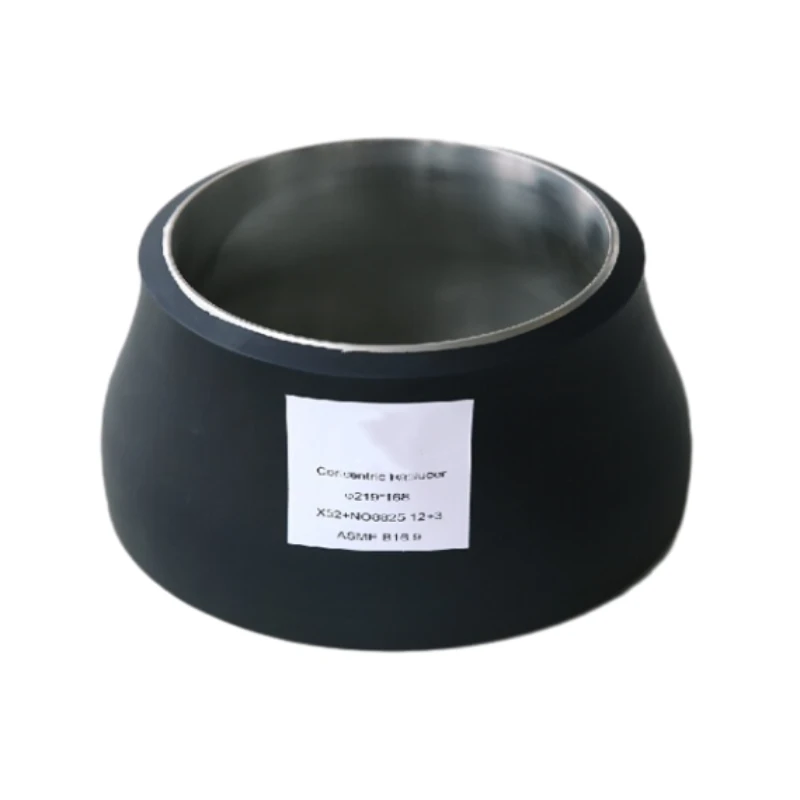
Oil & gas gathering, petrochem units, power plants, district heating, even water treatment. The carbon steel reducer keeps velocity shifts smooth, minimizing turbulence and noise. Service life? Around 20–30 years in typical carbon steel service, but corrosion allowance and media matter—real-world use may vary. Feedback I keep hearing: “Clean bevel, no rework,” and “Packaging survived the port twice,” which says something.
| Vendor | Lead Time | Certs | NDT Coverage | Customization | Price Level |
|---|---|---|---|---|---|
| Lion Pipeline (Mengcun, Cangzhou) | 7–20 days (stock + quick runs) | ISO 9001, PED (on request) | UT 100% (project-based), MT critical zones | Wall, offset, coating, marking | Competitive |
| Vendor A | 3–5 weeks | ISO 9001 | UT sampling | Limited | Low |
| Vendor B | 2–4 weeks | ISO 9001, NACE materials | UT/MT on request | Moderate | Mid |
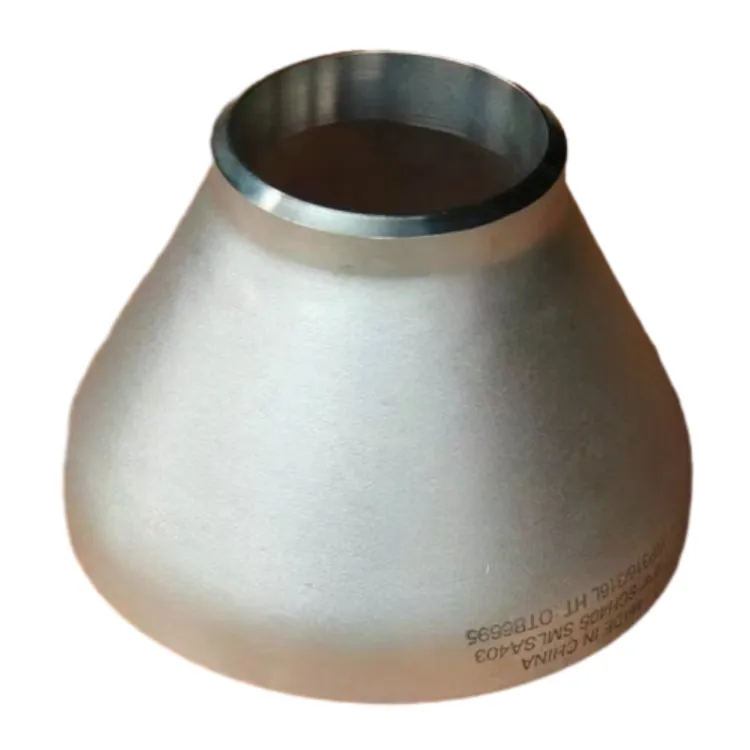
Offset eccentric carbon steel reducer for pump suction? Extra-long reducing length to tame cavitation? It’s all doable. Coatings (zinc-rich, epoxy), special bevel geometry, and color-coded markings help on site. Certifications typically include ISO 9001 QMS, MTC 3.1, and compatibility with ASME B16.9/B16.25, plus NACE material selection for sour.
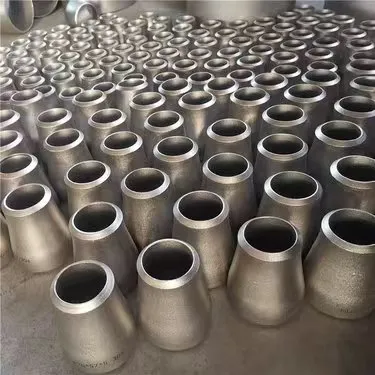
Manufactured in the Economic Development Zone of Mengcun county, Cangzhou city, Hebei province—an area that’s, surprisingly, very specialized in pipe fittings.
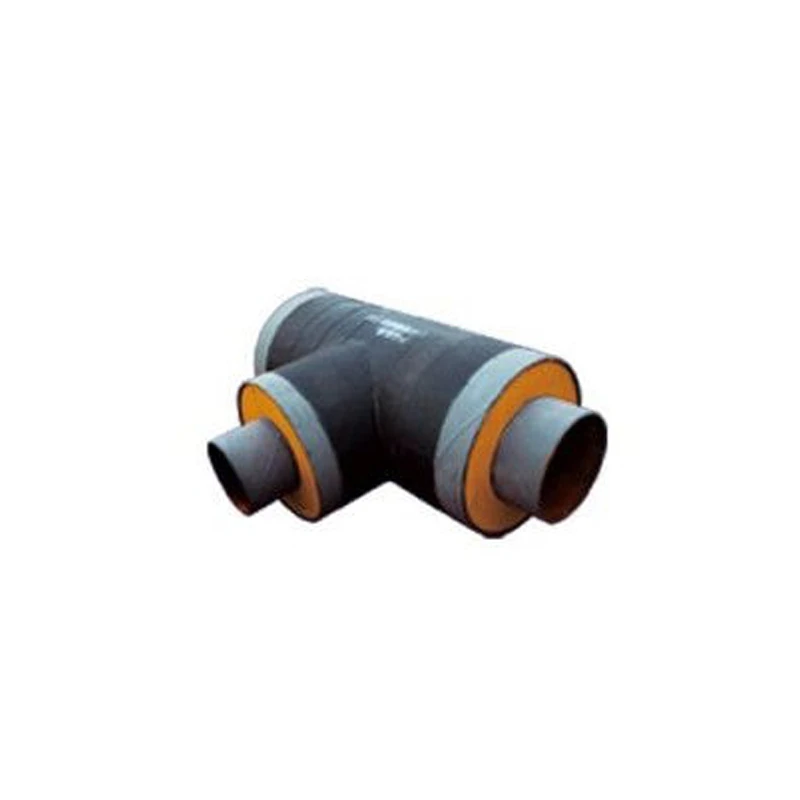
Anti Corrosion And Thermal Insulation Products
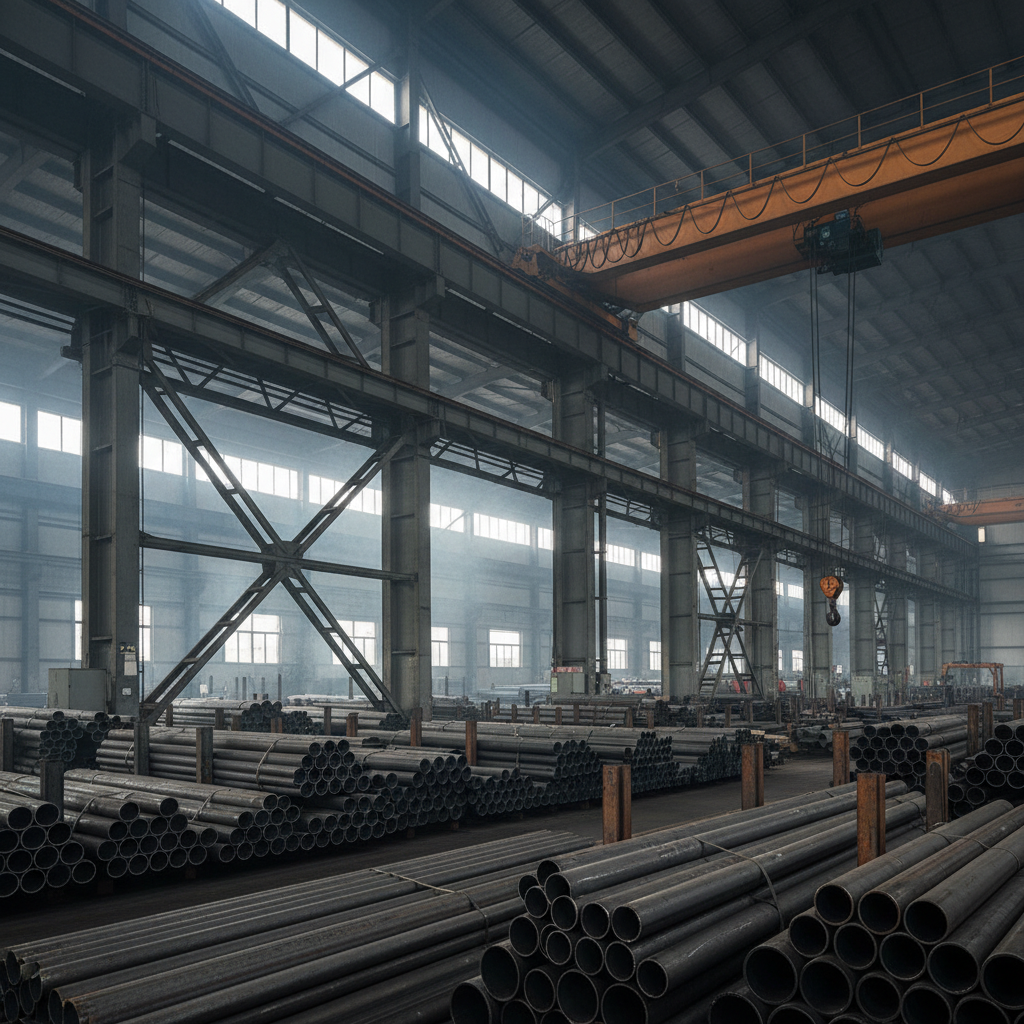
Properties and Industrial Applications of 4130 steel tubing
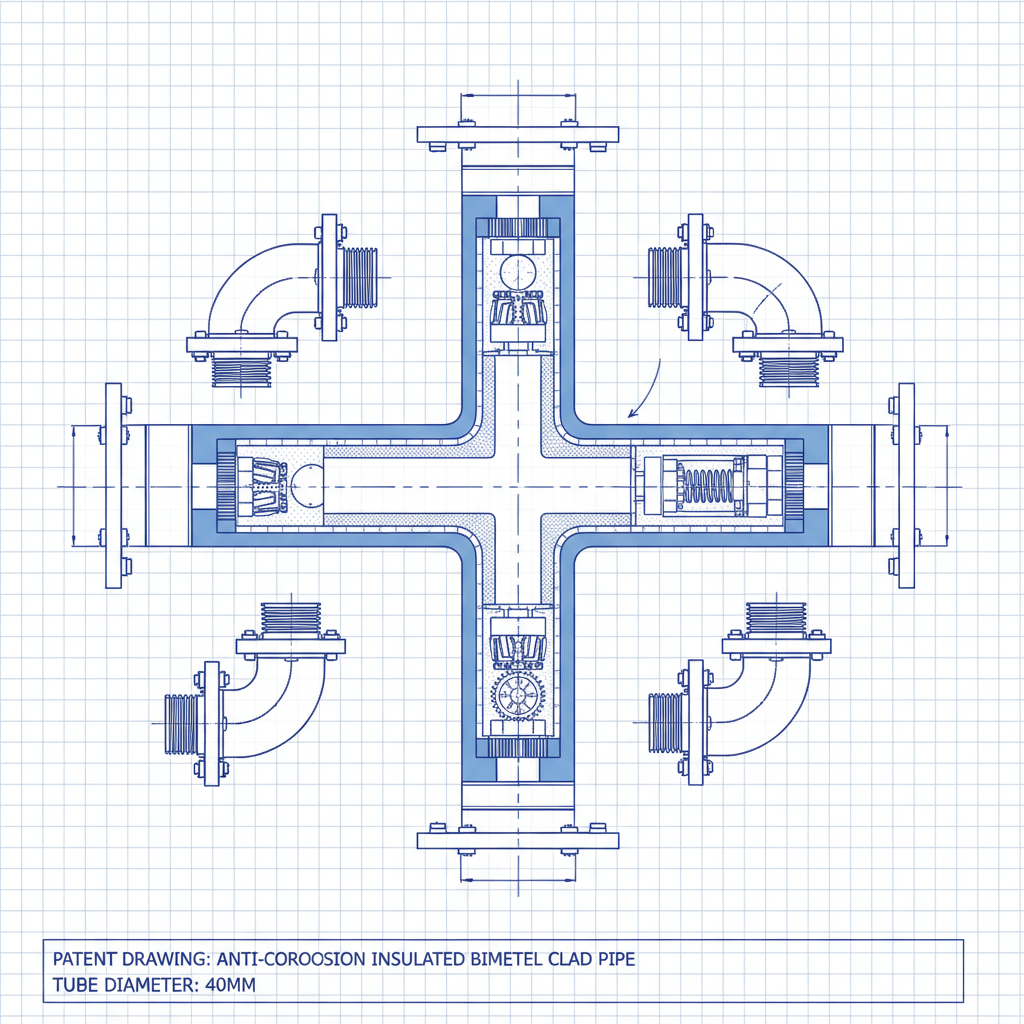
Comprehensive Guide to 40mm Steel Tube Applications and Material Selection
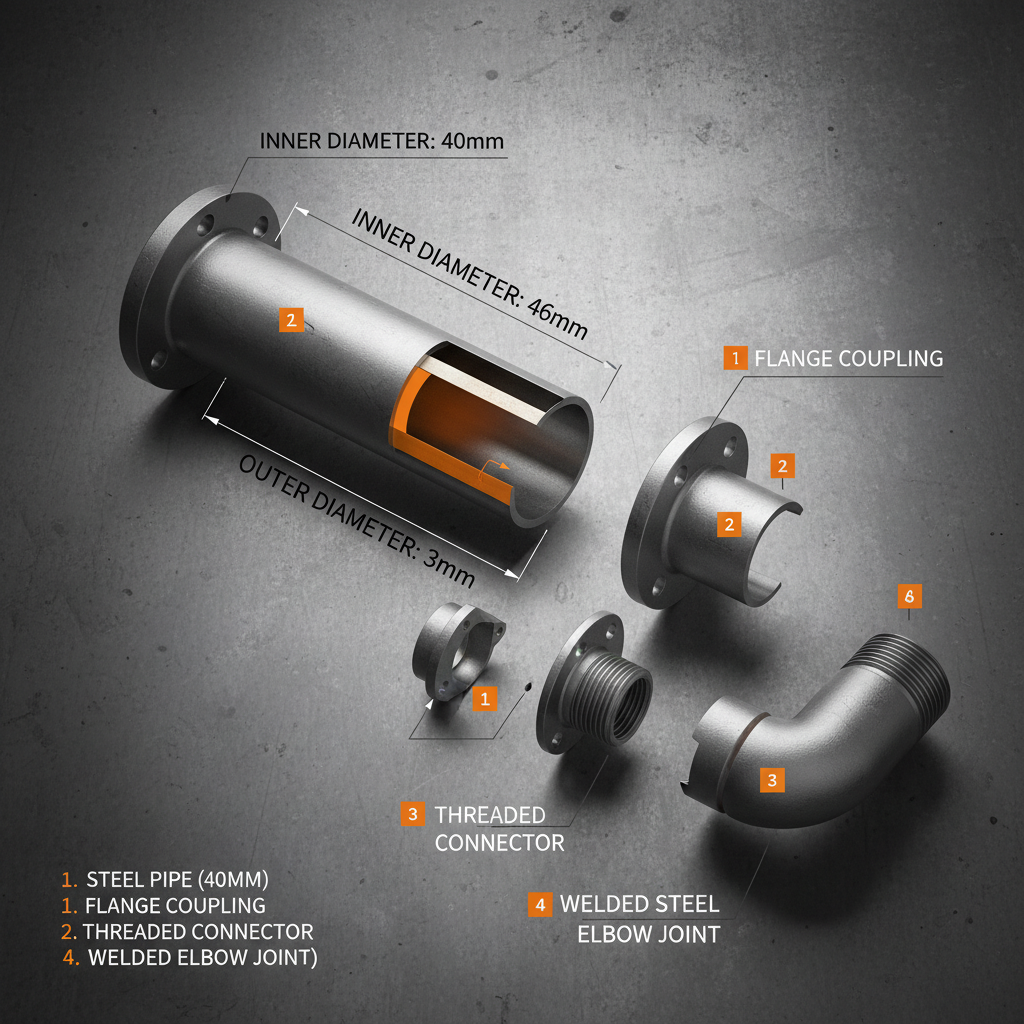
Comprehensive Guide to 40mm Steel Pipe Applications and Considerations
Comprehensive Guide to 40mm Metal Pipe Applications and Sourcing
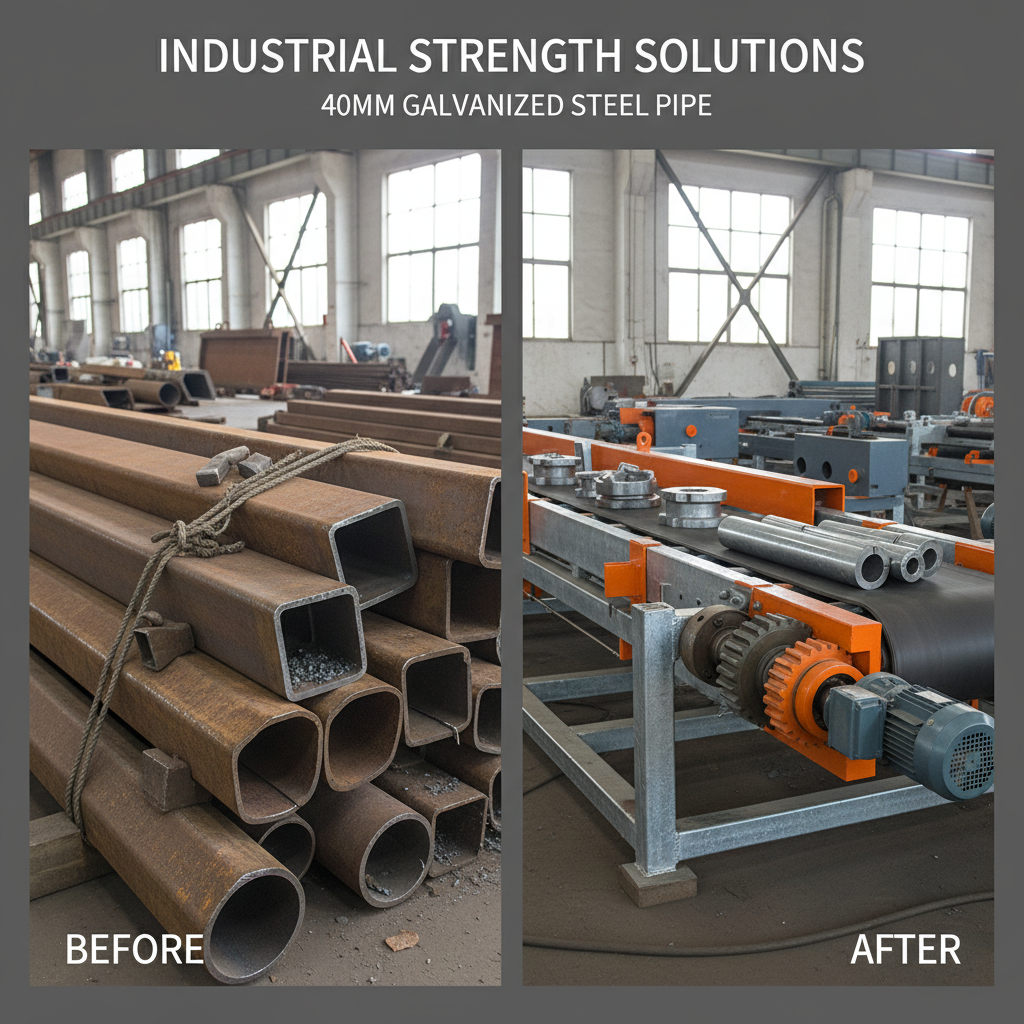
Comprehensive Guide to 40mm Galvanised Pipe Applications and Specifications
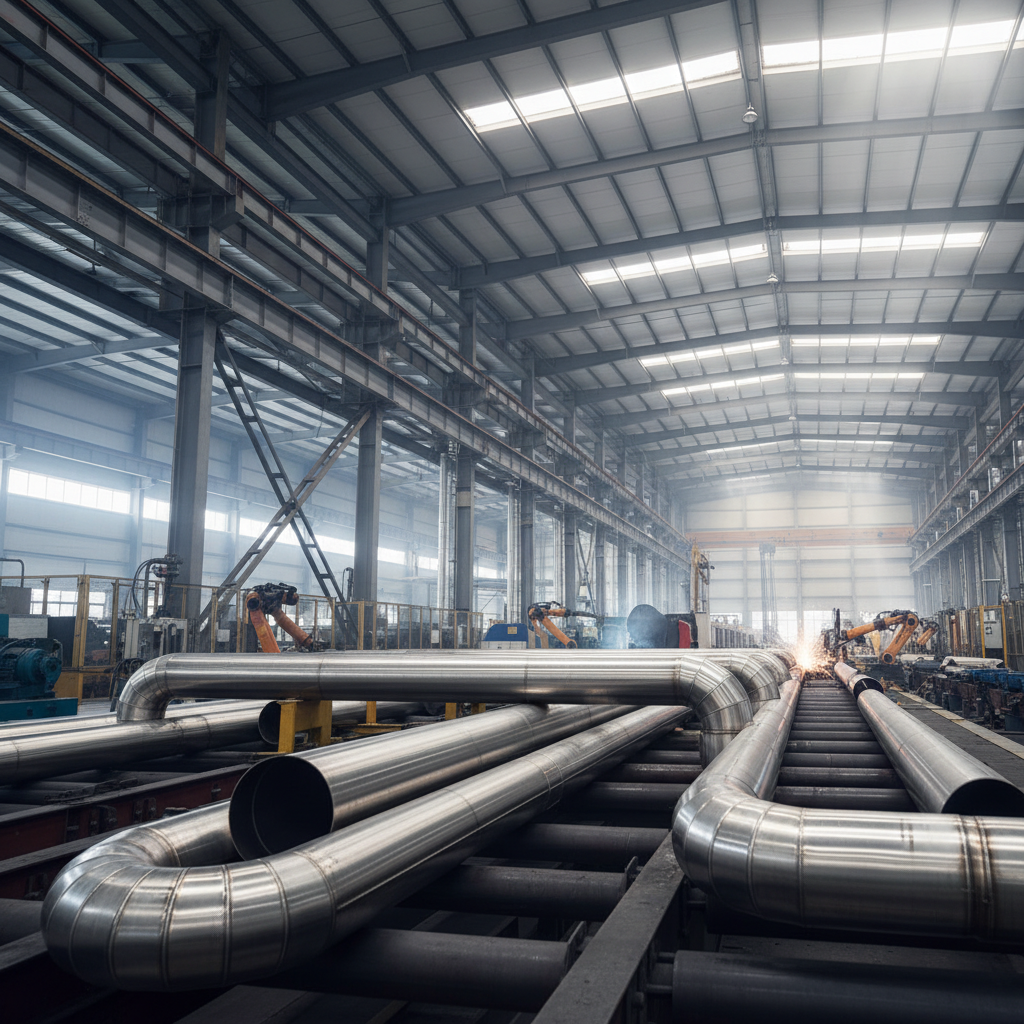
Comprehensive Guide to 409 Stainless Steel Exhaust Pipe Applications and Benefits