Having spent a few decades in the industrial equipment arena, it’s safe to say 3/4 stainless tubing isn’t just a random metal pipe—it’s a versatile workhorse. You see it everywhere from food-grade processing to chemical plants, and frankly, it’s no surprise. Stainless steel’s corrosion resistance, strength, and clean finish make it a favorite choice for many tough environments.
Now, when I first got into specifying tubing, the numbers 3/4 inch seemed straightforward—just a size, right? Oddly enough, sizes can be a bit more complex depending on the application. That “3/4” usually refers to the nominal pipe size, but the actual outside diameter and wall thickness vary by standards like ASTM A269 or A213. It matters because wrong specs can trip up welding, fitting, or flow rates in your system.
In real terms, 3/4 stainless tubing strikes a sweet spot between flexibility and durability. It’s small enough for precision tasks—think instrumentation lines or cooling circuits—but robust enough for moderate pressures in hydraulics. I often notice many engineers appreciate the balance it offers; it’s not overkill like larger diameters, yet won’t buckle under reasonable stress.
| Specification | Details |
|---|---|
| Nominal Size | 3/4 inch (19.05 mm) |
| Outside Diameter (OD) | 0.875 inch (22.23 mm) |
| Wall Thickness | Varies: 0.035" (Thin) to 0.120" (Heavy) |
| Material Grades | 304, 316 (Common) |
| Length | Standard 6m or custom cut lengths |
| Finish | Polished, mill finish, or custom surface |
A bit on materials: 304 stainless is the everyday staple, great for general use with excellent corrosion and temperature resistance. Then there’s 316 grade — my personal go-to when chloride exposure makes 304 sweat a bit (like offshore or some food processing lines). I once handled a project where the client switched from 304 to 316 midway because of unexpected saline exposure, and I gotta say, the peace of mind was worth the slight price bump.
| Vendor | Material Grades | Custom Lengths | Delivery Speed | Pricing |
|---|---|---|---|---|
| Lion Pipeline | 304, 316 | Available | 3-5 business days | Competitive |
| SteelCo Tubes | 304 only | Limited | 7-10 business days | Moderate |
| MetalWorks | 316 only | Available | 5-7 business days | Higher |
When picking a vendor, from what I've gathered and experienced, turnaround time and customization options often play bigger roles than just price. That’s because delays or wrong cuts in stainless tubing can create expensive downtime or tricky on-site fixes. So even if a supplier looks cheaper per foot, the “soft costs” may add up. Personally, I find that sourcing from a vendor like Lion Pipeline, which balances delivery speed and competitive pricing, really saves headaches.
One anecdote: A smaller client once needed custom 3/4 stainless tubing with a polished surface finish for a beverage line. Turns out their order got delayed by weeks elsewhere. With a quick pivot, they reached out to Lion Pipeline and got exactly what they needed in days—production stayed on schedule. I suppose these stories remind me that supplier relationships often mean as much as the specs themselves.
Stainless tubing destined for industrial use isn’t just sliced from a roll and sold off. Industry standards demand strict testing, like hydrostatic pressure tests, dimensional inspections, and often mill certification reports. 3/4 stainless tubing, particularly for food or pharma, might also be passivated or electropolished to enhance corrosion resistance and cleanliness. I always advise clients to look for suppliers that can provide these certifications upfront—it’s a solid trust signal.
As you explore the options, remember that stainless steel, especially in sizes like 3/4 inch, blends mechanical reliability with chemical resistance, and the best suppliers know the nuances there. It feels kind of like a marriage between chemistry and engineering—pretty neat.
For those who want to dig deeper, consider process variables (fluid type, temperature, pressure) carefully. And if you’re ever unsure about grades or finishes, reach out to trusted suppliers—they’re usually eager to help and prevent costly missteps.
In the end, 3/4 stainless tubing might seem like a small piece of the puzzle, but in an industrial system, it can be the difference between a smooth-running operation and a constant headache. Keep specs tight, suppliers trusted, and don’t underestimate the value of experience… there’s always a story lurking behind every pipe.
A small takeaway? Quality stainless steel tubing is a humble hero in many industrial tales.
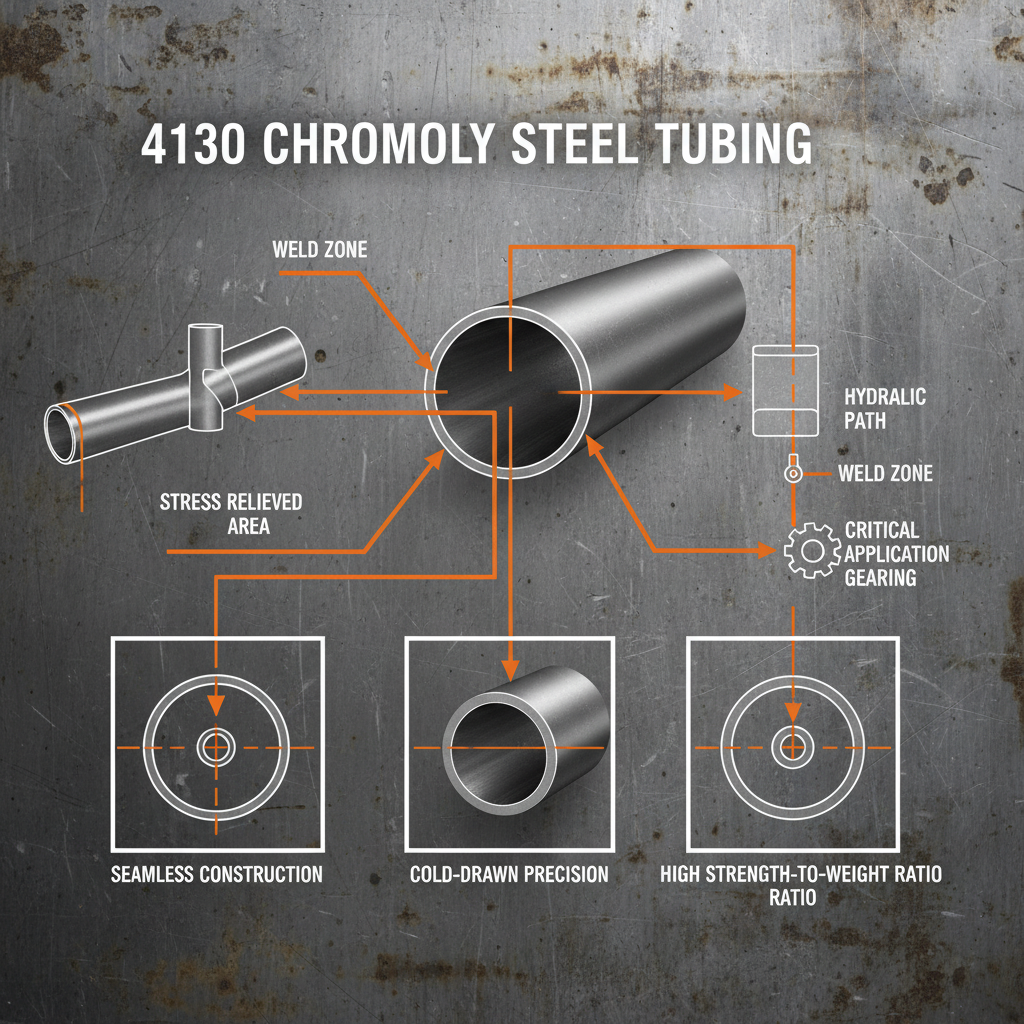
Ultimate Guide to 4130 Tubing Strength Performance and Applications
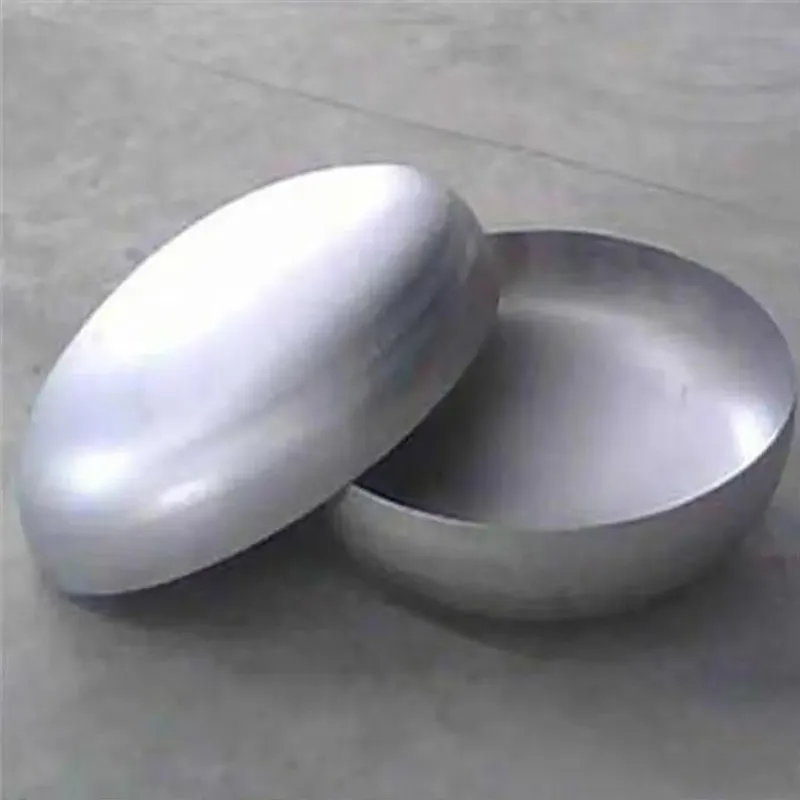
Pipe Cap-Cangzhou Lion Technology Co., Ltd.|Enhancing System Efficiency&Durability
Pipe Cap-Cangzhou Lion Technology Co., Ltd.|Enhancing System Efficiency&Durability
Pipe Cap-Cangzhou Lion Technology Co., Ltd.|Enhancing System Efficiency&Durability
Pipe Cap-Cangzhou Lion Technology Co., Ltd.|Enhancing System Efficiency&Durability
Pipe Cap-Cangzhou Lion Technology Co., Ltd.|Enhancing System Efficiency&Durability