Having spent more than a decade in the industrial equipment sector, I’ve seen countless variations of structural components come and go. But odd enough, 2 square metal tubing has been a surprisingly persistent staple. It’s one of those things that feels simple on the surface yet shows subtle layers of complexity as you dig into design specs, manufacturing processes, and real-world usage.
In many of the factories and constructions sites I’ve visited, this square tubing comes up again and again — not just because of its clean, geometric shape, but due to its mix of strength, versatility, and cost-effectiveness. Frankly, if you’re assembling racks, conveyors, or even framing for machinery, this tubing is often the go-to material. Oddly enough, it offers a blend of rigidity without being unwieldy, which is why engineers often favor it for light to medium load-bearing structures.
Let’s talk materials first. Most 2 square metal tubing is made from mild steel but can also come in stainless steel or aluminum alloys. Mild steel tends to be the everyday workhorse — easy to weld, paint, and customize on the fly. Stainless grades offer better corrosion resistance, handy for outdoor or harsh chemical environments. Aluminum versions, while pricier, bring lightweight advantages that matter for mobile frameworks or where weight savings equal energy savings. I recall a project where swapping to aluminum tubing cut frame weight by nearly 30%, which surprised even the fabrication team.
One point I always circle back to is how tolerances and finishes differ by vendor. Not all steel square tubing is created equal. Some manufacturers invest more in straightening processes and surface prep. Others take shortcuts but still meet minimum specs. Oddly enough, these small differences affect weld quality and final assembly alignment more than most people expect.
| Specification | Details |
|---|---|
| Dimensions | 2" x 2" square cross-section |
| Wall Thickness | Ranges from 0.065" to 0.250" |
| Material Grades | A500 Grade B, A513, 304/316 Stainless |
| Lengths Available | 8ft, 10ft, 20ft, custom cut lengths |
| Common Finishes | Mill finish, galvanized, powder-coated |
An interesting side story: I once worked with a manufacturer that had a long lead time on full sheets of steel plate but could get 2 square metal tubing delivered in bulk within days. That uptime difference flipped project schedules and client expectations—sometimes that’s where having a trusted tubing supplier really pays off, regardless of slight price differences.
When speaking with engineers and fabricators, customization options come up a lot. You might find yourself needing precise notches or pre-drilled holes for assembly line automation setups. Many vendors offer cutting, punching, and bending services—but “buyer beware” is my unsolicited advice here. Confirm the tolerances and whether the tubing’s steel grade suits your welding or finishing process. If you’re not seasoned, you might overlook variations that cause headaches during construction.
| Vendor | Material Quality | Customization Services | Lead Time | Price Competitiveness |
|---|---|---|---|---|
| Lion Pipeline | High (A500 Grade B + options) | Cutting, welding prep, custom lengths | 2-5 business days | Medium (excellent value) |
| MetalRite Co. | Medium (standard steel grade) | Basic cutting only | 5-7 business days | Low (budget price) |
| SteelPro Suppliers | High (premium stainless options) | Full services including drilling/bending | 7+ business days | High (premium pricing) |
If you’re tackling projects that need reliability and a decent balance of cost and quality, I find that sourcing your 2 square metal tubing from a vendor like Lion Pipeline often hits the sweet spot. Of course, it always pays to ask for mill certifications and samples, and watch how the product behaves once it’s in your hands - no supplier is flawless and every batch can have quirks.
Ultimately, working with 2 square metal tubing is about understanding what your application demands and matching that with material and supplier capabilities. For industrial pros, the devil’s in the details: wall thickness for load, ease of welding, corrosion environment, lead times, and yes, even aesthetics if your build winds up visible on a showroom floor. But at the end of the day, it’s a dependable, utilitarian staple that keeps things square — literally.
So, whether you’re fabricating a heavy-duty skid or setting up a clean metal framework, that familiar 2-inch square tube probably deserves a second look. It’s proven, adaptable, and frankly, a bit of an unsung hero in the metalworking world.
As always, test, confirm, and stay curious—that’s how you dodge costly surprises in production.
References:
1. Industry Fabrication Standards, AISC Steel Manual
2. ASTM A500 Steel Tubing Specifications
3. Fabricator’s Handbook, 4th Edition
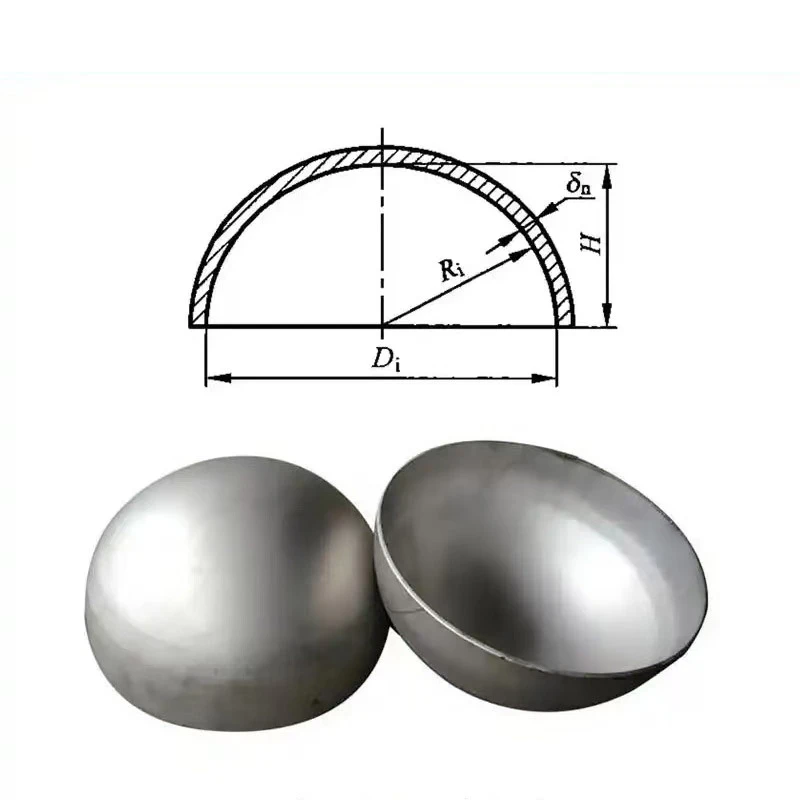
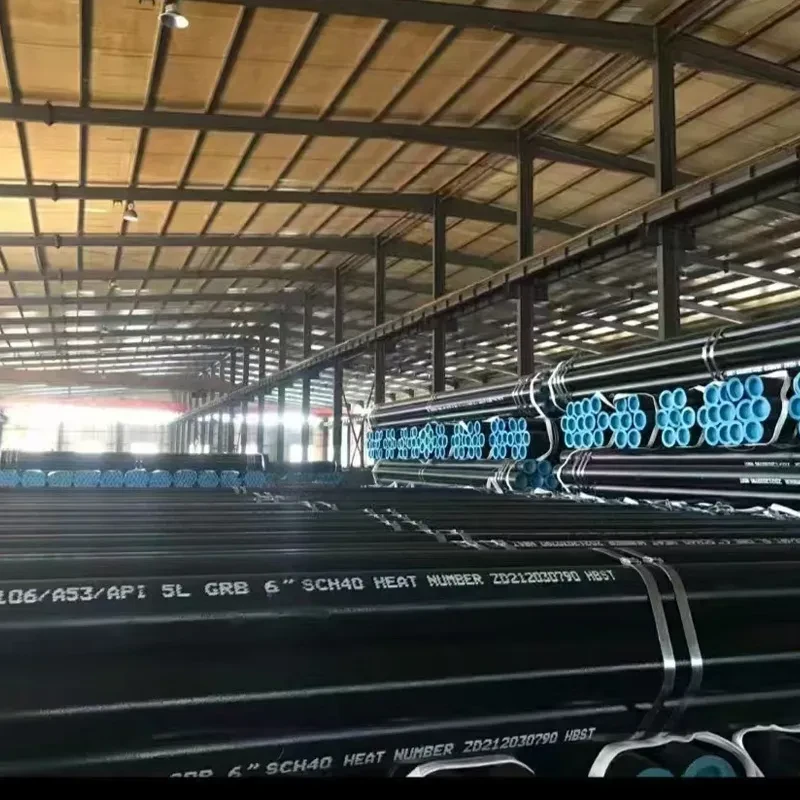
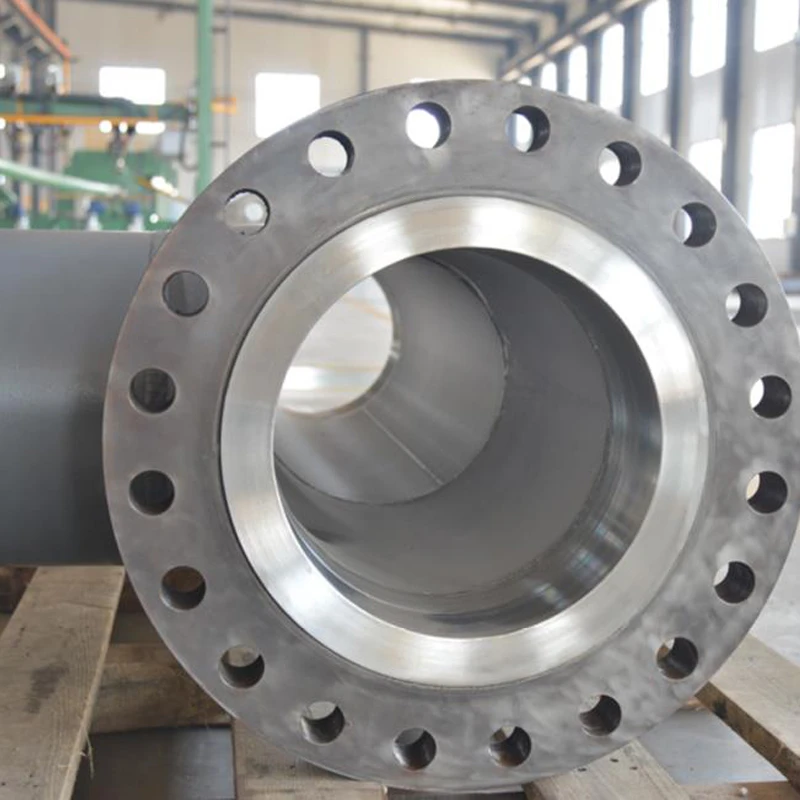
Factory Prefabricated Products
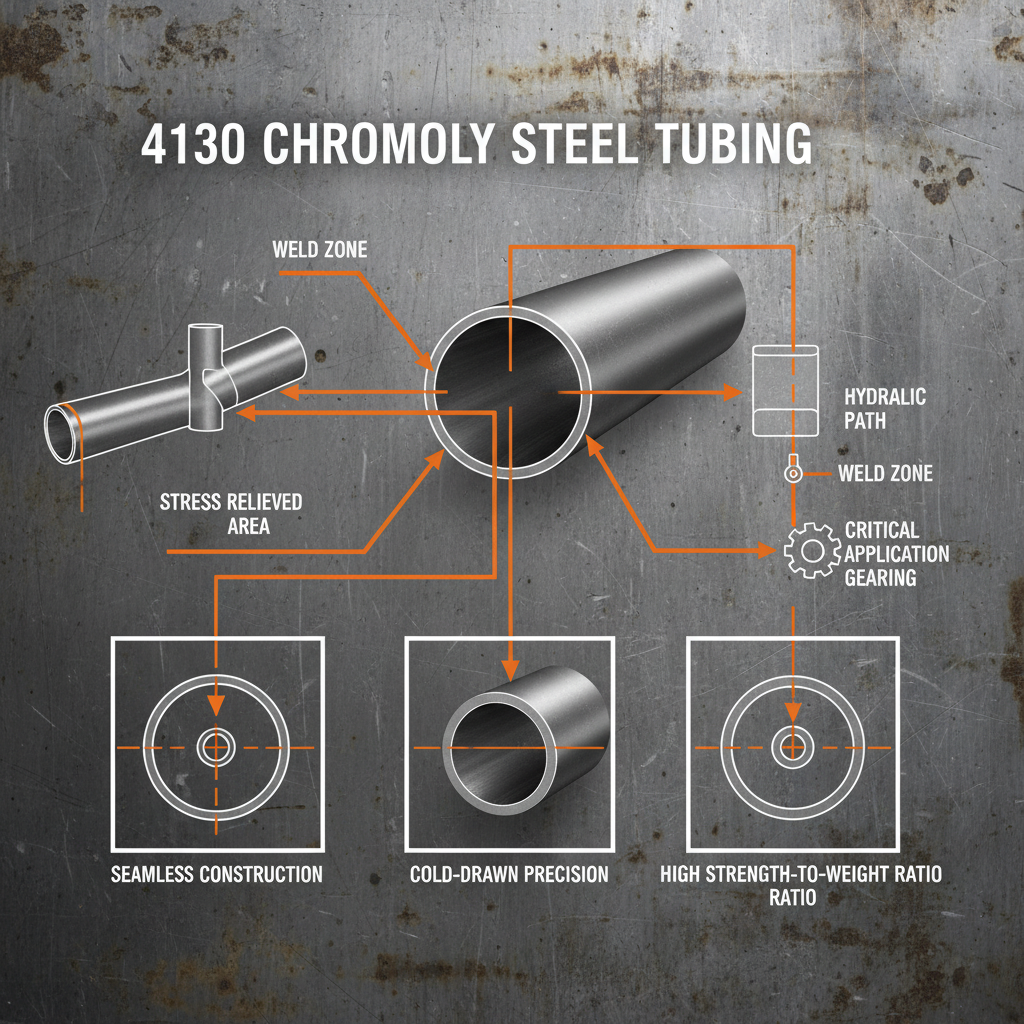
Ultimate Guide to 4130 Tubing Strength Performance and Applications
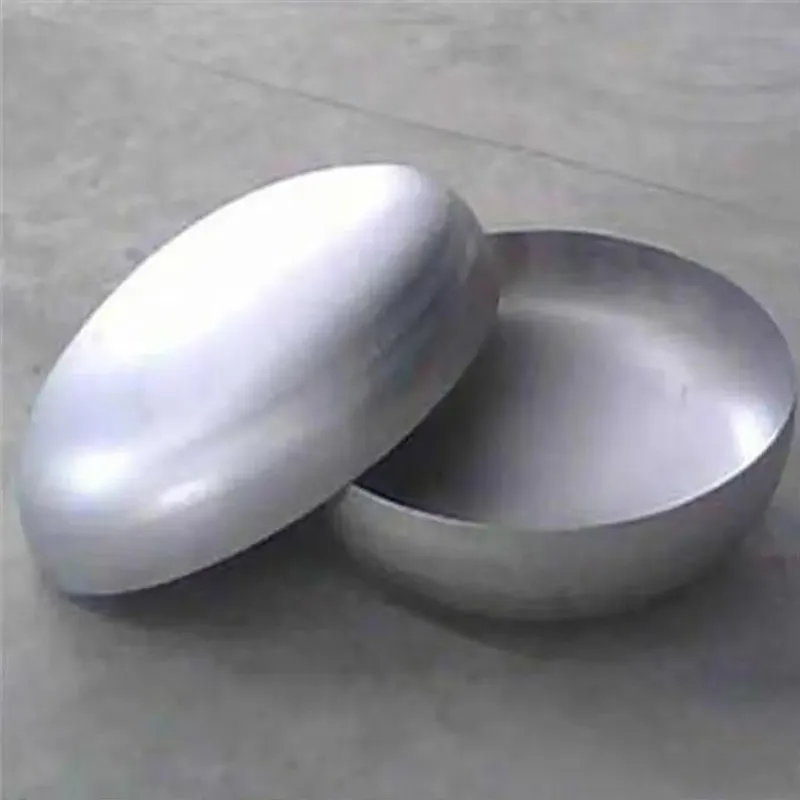
Pipe Cap-Cangzhou Lion Technology Co., Ltd.|Enhancing System Efficiency&Durability
Pipe Cap-Cangzhou Lion Technology Co., Ltd.|Enhancing System Efficiency&Durability
Pipe Cap-Cangzhou Lion Technology Co., Ltd.|Enhancing System Efficiency&Durability
Pipe Cap-Cangzhou Lion Technology Co., Ltd.|Enhancing System Efficiency&Durability
Pipe Cap-Cangzhou Lion Technology Co., Ltd.|Enhancing System Efficiency&Durability