Having spent quite a few years knee-deep in industrial equipment and piping projects, I often get asked about the nuts and bolts—well, the tubes and welds too—of reliable steel products. And frankly, when it comes to versatility, durability, and ease of installation, 2 inch steel tubing stands out in a crowded field.
Now, 2 inch tubing isn't just an arbitrary size; it hits a sweet spot for many structural and piping applications. You see it supporting everything from commercial scaffolding to complex conveyor systems. It’s that balance between strength and manageability—large enough to provide solid support but not so bulky that it’s a pain to handle.
Oddly enough, what many people overlook is the behind-the-scenes rigor that goes into the manufacturing of these tubes. The steel often comes from trusted mills where chemical composition and heat treatments are stringently tested. I remember visiting a plant once, where the steel passed through ultrasonic and hydrostatic tests before even hitting the warehouse floor. You really feel confident knowing it can handle high pressure and resist corrosion in challenging environments.
Material grade also plays a big role. Usually, ASTM A500 Grade B or C is preferred for structural tubing due to its excellent strength-to-weight ratio. However, for fluid transport at high pressures, ASTM A53 Grade B is sometimes the go-to. This kind of specification nuance is crucial and sometimes gets glossed over in less technical discussions.
| Specification | Value |
|---|---|
| Outer Diameter | 2.375 inches (60.3 mm) |
| Wall Thickness | 0.120 to 0.250 inches (varies by grade) |
| Length | Typically 20 ft (custom lengths available) |
| Material Grades | ASTM A500, ASTM A53, ASTM A252 |
| Finish | Black, galvanized, or painted options |
| Common Uses | Structural framing, fencing, scaffolding, fluid transport |
In real terms, the ability to customize lengths and finishes is a selling point I noticed customers come back to repeatedly. One local fabricator shared an anecdote: “We rely on 2 inch steel tubing that’s galvanized for outdoor repairs — it's about longevity and peace of mind.” It’s little insights like these that remind me how critical it is to choose the right supplier as much as the right product.
| Feature | Lion Pipeline | Competitor A | Competitor B |
|---|---|---|---|
| Product Range | Comprehensive, multiple grades | Limited grades | Moderate range |
| Custom Lengths | Available on request | Standard only | Available with surcharge |
| Finish Options | Black, galvanized, painted | Mostly black only | Galvanized and black |
| Lead Time | 3-5 business days | 7-10 business days | 5-7 business days |
| Price Competitiveness | Mid to low | Mid to high | Low |
When choosing a vendor, reliability often trumps the lowest price for seasoned professionals. I suppose it’s because downtime or failure can cost far more than a few dollars saved on materials. That’s why many engineers and fabricators I talk to prefer suppliers like Lion Pipeline who have established trust, consistent quality, and flexibility.
If you’re in the market for 2 inch steel tubing, I’d recommend paying close attention to specs but also to real user feedback. And frankly, don’t hesitate to ask for test certifications or sample pieces if you can.
In my experience, investing the time upfront avoids headaches down the line. It’s funny how something as "simple" as a steel tube can carry so much importance in big infrastructural projects — quite literally holding everything up.
Bottom line: quality steel tubing will surprise you with its impact – sturdy, adaptable, and kind of indispensable.
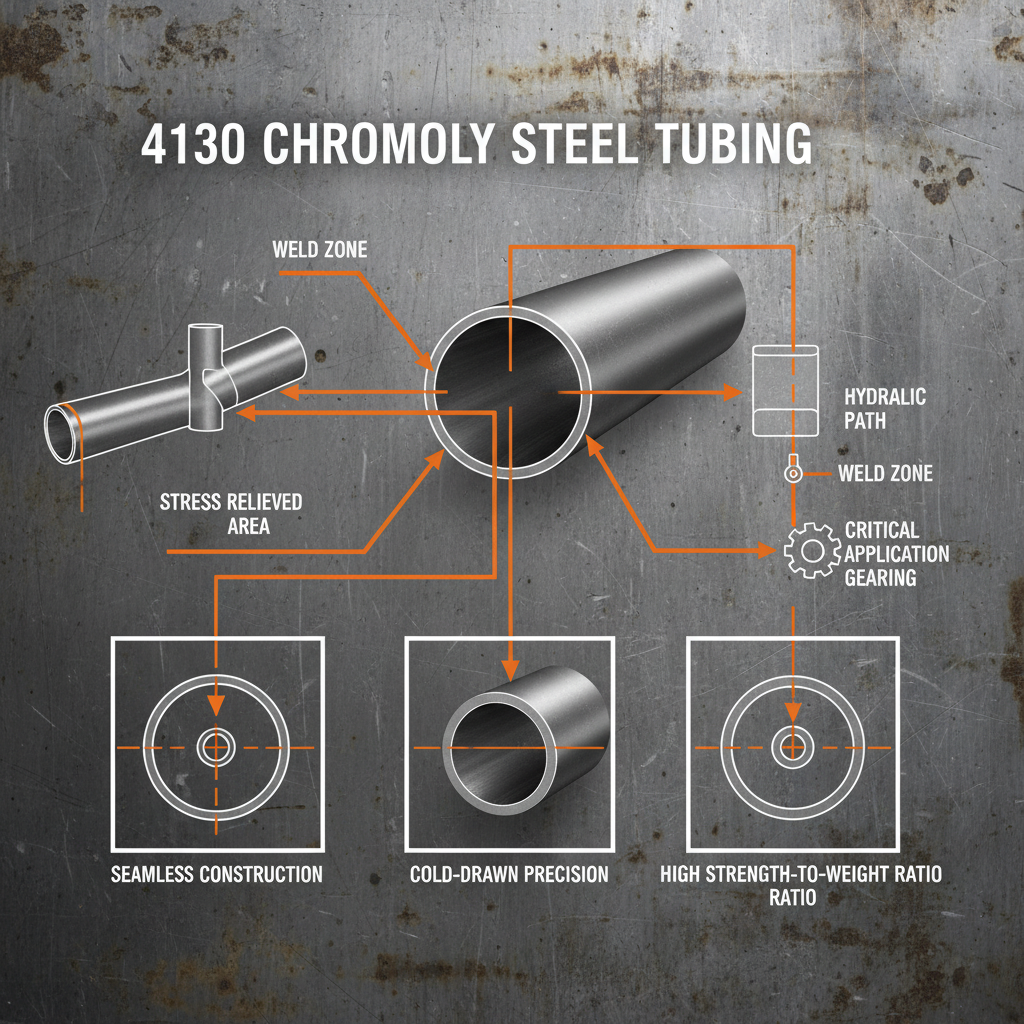
Ultimate Guide to 4130 Tubing Strength Performance and Applications
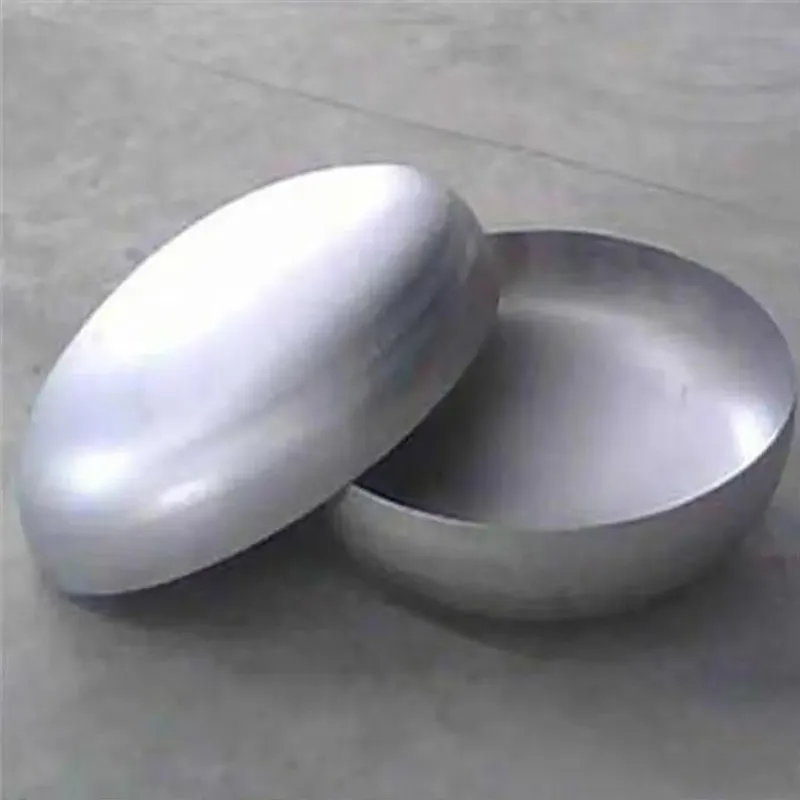
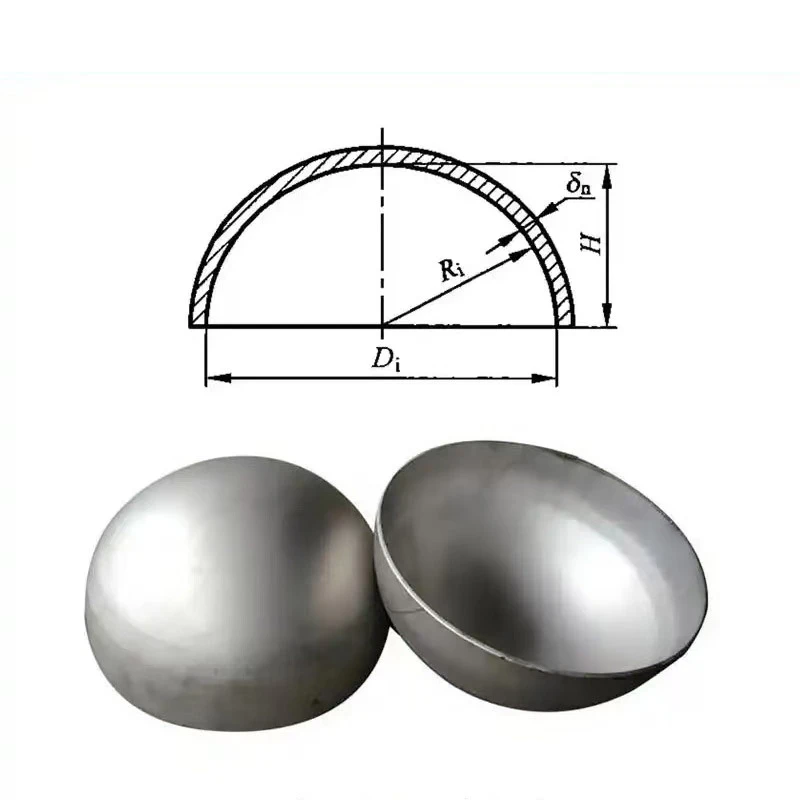
Pipe Cap-Cangzhou Lion Technology Co., Ltd.|Enhancing System Efficiency&Durability
Pipe Cap-Cangzhou Lion Technology Co., Ltd.|Enhancing System Efficiency&Durability
Pipe Cap-Cangzhou Lion Technology Co., Ltd.|Enhancing System Efficiency&Durability
Pipe Cap-Cangzhou Lion Technology Co., Ltd.|Enhancing System Efficiency&Durability
Pipe Cap-Cangzhou Lion Technology Co., Ltd.|Enhancing System Efficiency&Durability