tel
Email
to top

2 3 8 Steel Pipe - Specifications, Applications, and Global Insights

Dec 03 2025
share:

Understanding the 2 3 8 Steel Pipe: Vital Backbone of Modern Infrastructure

When you hear “2 3 8 steel pipe,” it might just sound like a string of numbers and letters — but it’s actually a crucial piece in the vast puzzle that makes global infrastructure run smoothly. If you’re wondering why this specific pipe size matters, it’s because it stands at the intersection of strength, versatility, and cost efficiency in industries ranging from oil and gas to construction and water transport. Simply put, the better you grasp what a 2 3 8 steel pipe is and how it’s used, the more you understand about modern industrial lifelines and even humanitarian applications.

Global Context: Why 2 3 8 Steel Pipes Matter Worldwide

Steel pipes—especially nominal sizes like 2 3 8 inches in diameter—are everywhere, from the sprawling pipelines transporting oil across continents to the irrigation systems feeding millions. According to the World Steel Association, global steel pipe production exceeded hundreds of millions of tons annually by 2023. This upward trend reflects booming infrastructure needs in developing regions and maintenance demands in developed ones. Yet there’s a challenge: reliability and compatibility across different standards and environments, which 2 3 8 steel pipes help to address due to their specific dimensional and mechanical properties.

So, what makes this diameter specifically interesting? The 2 3 8 steel pipe hits a sweet spot: it’s large enough for high-volume throughput yet manageable enough for a range of field applications — from remote industrial zones to urban construction — making it a common choice worldwide.

Defining the 2 3 8 Steel Pipe

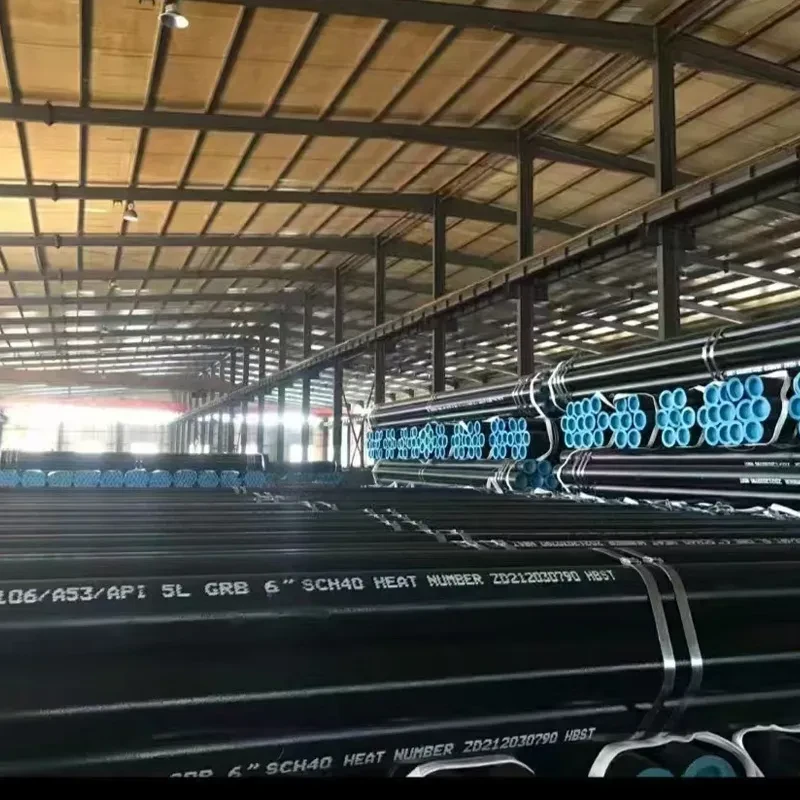
At its core, a 2 3 8 steel pipe refers to a seamless or welded pipe with an outer diameter of approximately 2.375 inches. Usually made from carbon steel or various alloy steels, these pipes conform to standards like ASTM A53, A106 or API 5L for oil and gas pipelines. They’re well-regarded for their balance between weight, mechanical strength, and resistance to pressure or corrosion, depending on their grade and coating.

More than just physical dimensions, these pipes underpin industries essential to modern life: energy transport, wastewater management, chemical manufacturing, even certain humanitarian efforts where robust, durable piping can facilitate water or fuel delivery in remote or disaster-struck areas.

Key Factors Behind the 2 3 8 Steel Pipe’s Popularity

1. Durability and Strength

The metallurgy behind these pipes ensures they withstand high pressures and harsh environments. For example, grades like API 5L X52 provide strong tensile properties while resisting deformation.

2. Cost Efficiency

Oddly enough, 2 3 8 steel pipes strike a good price-performance balance. While bigger diameters mean more material—and cost—this particular size offers utility without excessive expense, important for large-scale projects.

3. Versatility and Compatibility

This pipe diameter is compatible with a wide range of fittings and valves, easing installation and repair work. Many sectors value this adaptability — from oil pipelines to municipal water systems.

4. Scalability

It’s scalable for both short-term and long-term projects. Whether you’re patching a city’s water main or laying several miles of conduit for natural gas, this size can be tailored accordingly.

Specifications Snapshot: Typical 2 3 8 Steel Pipe Features

Parameter Value Unit
Outer Diameter 2.375 inches
Wall Thickness (Typical) 0.280 - 0.500 inches
Material Carbon Steel, Alloy Steel
Standard ASTM A53, API 5L
Pressure Rating Up to 3000 psi

Where 2 3 8 Steel Pipes Truly Shine: Global Applications

If you look closely, this pipe size quietly supports many sectors worldwide. For instance:

  • Oil and Gas: Pipelines carrying crude oil or natural gas often specify 2 3 8 pipes for mid-to-high pressure transmission lines.
  • Municipal Water Systems: Drinking water and wastewater pipelines depend on reliable steel pipes that can endure corrosion and pressure.
  • Construction: Structural supports and industrial building frameworks rely on these pipes, thanks to their strength-to-weight ratio.
  • Humanitarian Aid: In disaster zones, rapidly deployable water and fuel conduits benefit from standardized pipes like 2 3 8 steel.

Regions rich in natural resources, such as the Middle East and parts of Asia, are especially heavy users. Oddly enough, even remote locales in Africa turn to these pipes for infrastructure jumpstarts, funded by international development programs.

Vendor Comparison for 2 3 8 Steel Pipes

Vendor Material Grades Lead Time Pricing (per foot) Certifications
Global Steel Co. API 5L X52, ASTM A106 2 Weeks $15 - $18 ISO 9001, API
Steelworks Intl. ASTM A53, Carbon Steel 3 Weeks $13 - $17 ISO 14001
Pipeline Pros API 5CT, Alloy Steel 1 Week $20 - $22 API Q1, ISO 9001

Advantages & Long-Term Value of 2 3 8 Steel Pipes

It feels like the charm of this steel pipe size lies not just in specs, but in outcomes:

  • Reliability: Once installed, these pipes resist leaks and failures better than alternatives in many scenarios.
  • Cost-Effectiveness: Operators often remark that the balance of ease of handling and strength lowers overall system costs.
  • Sustainability: Steel is recyclable, and pipelines allow resource transport with lower emissions compared to trucks.
  • Social Impact: Providing dependable infrastructure enhances quality of life, safety, and even fosters economic growth in underserved regions.

Looking Ahead: Innovations and Trends Impacting 2 3 8 Steel Pipes

Believe it or not, even a humble steel pipe is subject to innovation. Some exciting fronts include:

  • Smart Coatings: Nanotechnology-infused paints that resist corrosion better and signal pipe integrity in real-time.
  • Material Advances: Development of higher strength, lighter alloys improving transport and installation effort.
  • Automation in Installation: Robots and drones now help weld, inspect, and maintain pipes in challenging terrain or hazardous conditions.
  • Environmental Compliance: Increasing standards are pushing manufacturers to adhere to sustainable practices and greenhouse gas reductions during production.

Challenges & Solutions in Using 2 3 8 Steel Pipes

Of course, it’s not all smooth sailing. Challenges include susceptibility to corrosion in certain environments, and supply chain delays due to raw material shortages. But experts are mitigating these by:

  • Applying advanced corrosion-resistant coatings tailored for different climates and fluids
  • Utilizing thinner walls with higher-strength steel grades to reduce weight and material use without sacrificing safety
  • Building local manufacturing hubs to reduce lead times and shipping costs (2 3 8 steel pipe)

FAQs About 2 3 8 Steel Pipes

What industries primarily use 2 3 8 steel pipes?
Industries like oil and gas, water utilities, chemical manufacturing, and construction commonly use 2 3 8 steel pipes because of their versatility and capacity to handle high pressures.
How does the 2 3 8 pipe size affect pressure capacity?
The size coupled with wall thickness determines maximum pressure. Typically, these pipes can withstand up to 3000 psi depending on material grade and certification.
Are 2 3 8 steel pipes suitable for corrosive environments?
Standard carbon steel pipes may be vulnerable without coatings, but specialized alloys and protective layers can significantly improve corrosion resistance.
Can these pipes be used for potable water?
Yes, when coated or lined properly per regulatory standards, 2 3 8 steel pipes serve well in municipal drinking water systems.
How quickly can manufacturers deliver 2 3 8 steel pipes?
Lead times vary by vendor and location but range from one to three weeks on average, depending on custom requirements and stock availability.

Wrapping Up: The Enduring Role of 2 3 8 Steel Pipes

At the end of the day, 2 3 8 steel pipes might seem like a small technical detail, but in real terms, they're the quiet heroes of many essential systems around the globe. Their strength, price point, and adaptability make them a dependable choice for engineers and project managers facing demanding environments. Whether upgrading municipal water lines or building oil conduits in remote areas, knowing the ins and outs of this pipe size can make a big difference.

Curious for more details or ready to source reliable steel pipe solutions? Visit our website: https://www.lion-pipeline.com

Good steel pipe makes good infrastructure — and good infrastructure means a stronger future for us all.


References:
1. World Steel Association, “Steel Statistical Yearbook,” 2023.
2. ASTM International, “Standard Specification for Pipe,” ASTM A53/A106.
3. API (American Petroleum Institute), “Specification for Line Pipe,” API 5L.
  • Elbow

    Elbow

    Carbon Steel &stainless Steel Elbow Elbows are pipe fittings used to change the direction of pipelines in piping systems, commonly employed at pipeline bends. They are widely used in industries such as petroleum, chemical, and power. The common size range for elbows is DN15-DN2000, and typical angles include 45°, 90°, and 180°.
    VIEW ALL
  • Bend Pipe

    Bend Pipe

    Bend is a crucial pipe fitting used to change the direction of flow in a piping system. It allows for smooth transitions between sections of pipe, accommodating layout constraints, avoiding obstacles, and optimizing flow paths. Bends are designed to maintain the fluid's velocity and minimize pressure loss while providing the necessary angle of deviation. They are commonly used in various industries, including oil and gas, petrochemicals, water supply, and HVAC systems.
    VIEW ALL
  • Mechanical Clad Steel Pipe

    Mechanical Clad Steel Pipe

    Mechanical clad steel pipe (MCSP) is a kind of high-performance pipe, which is specially designed for demanding industrial applications. Combining the durability and strength of steel with advanced composite materials, MCSP provides enhanced corrosion resistance, high pressure and extreme temperatures.
    VIEW ALL
To create value for customers!
Cangzhou Leo Technology Co., Ltd. is located in Mengcun County Economic Development Zone, Cangzhou City, Hebei Province. It is a specialized high-tech enterprise that integrates the research and development, production, and sales of composite pipes and fittings.
News
The company regards product quality as the life of the enterprise, establishes a sound quality management system in accordance with the requirements of industry and national standards, controls all aspects of input and output in the whole process, pays attention to every detail, and ensures that the product delivery pass rate is 100%.
Comprehensive Guide to Steel Pipes and Fittings | Benefits & Global Applications

Comprehensive Guide to Steel Pipes and Fittings | Benefits & Global Applications

Steel Pipes and Fittings: Backbone of Global Infrastructure Steel pipes and fittings might sound lik
Understanding Welded Steel Pipe: Applications, Benefits, and Innovations

Understanding Welded Steel Pipe: Applications, Benefits, and Innovations

The Quiet Power of Welded Steel Pipe in Today's World If you’re here, you’re probably wo
The Essential Guide to Tube and Steel: Applications, Benefits, and Future Trends

The Essential Guide to Tube and Steel: Applications, Benefits, and Future Trends

Understanding Tube and Steel: Why It Matters in a Complex World If you haven’t given much thou
Thin Wall Steel Pipe – Lightweight Strength for Global Infrastructure Solutions

Thin Wall Steel Pipe – Lightweight Strength for Global Infrastructure Solutions

Understanding Thin Wall Steel Pipe: Why It Matters Globally The term “thin wall steel pipe&rdq
Thick Wall Steel Tubing: Durable Solutions for Global Pipelines and Infrastructure

Thick Wall Steel Tubing: Durable Solutions for Global Pipelines and Infrastructure

The Growing Importance of Thick Wall Steel Tubing: A Practical Overview Sometimes when you hear &ldq
Thick Wall Steel Pipe - Durable Industrial Piping for High-Pressure Applications

Thick Wall Steel Pipe - Durable Industrial Piping for High-Pressure Applications

Understanding Thick Wall Steel Pipe: What It Is and Why It Matters Globally If you’ve ever enc
tel email tel top

If you are interested in our products, you can choose to leave your information here, and we will be in touch with you shortly.