tel
Email
to top

Carbon Steel Reducer | Seamless, Durable, ANSI/ASME

Oct 27 2025
share:

Carbon Steel Pipe Reducers: What Buyers Really Need to Know

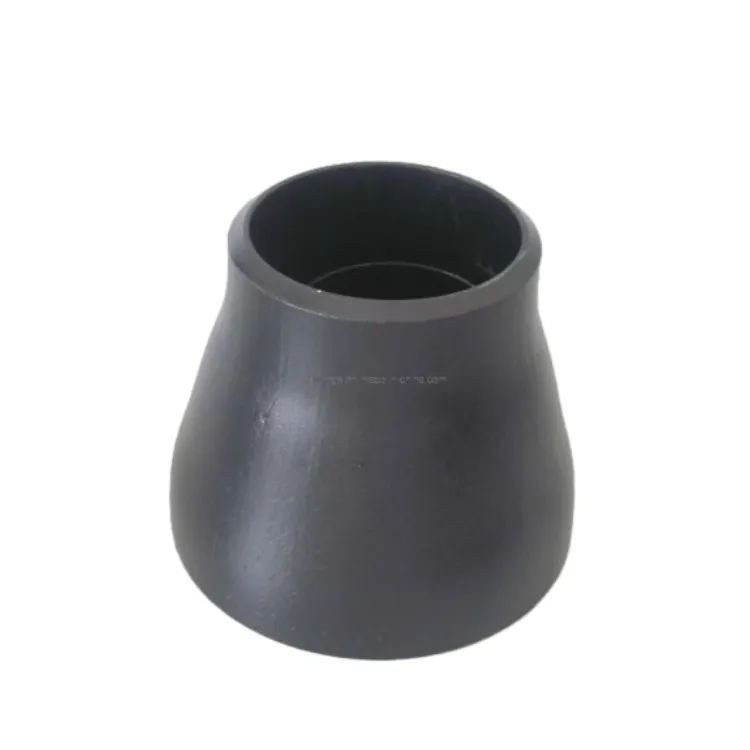
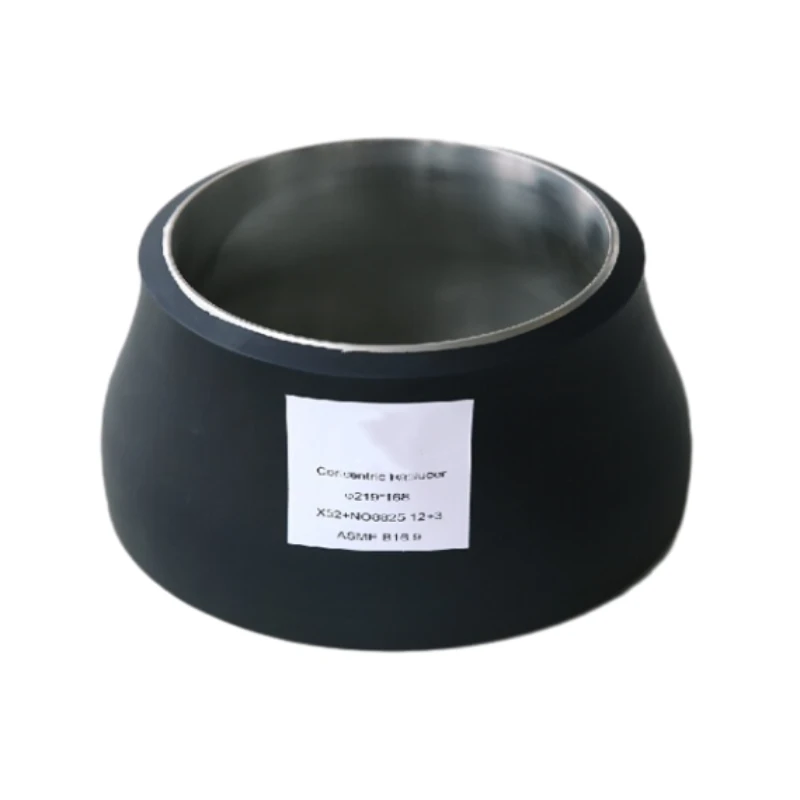
If you’re speccing a carbon steel reducer for a new line—or replacing a tired one—you already know the stakes: flow stability, pressure integrity, and of course, lead time. I’ve toured quite a few shops over the years, and, to be honest, there’s a big difference between a “catalog” reducer and a plant-ready piece. The carbon steel reducer still looks simple, but everything from wall uniformity to bevel finish affects weld time and lifetime cost.
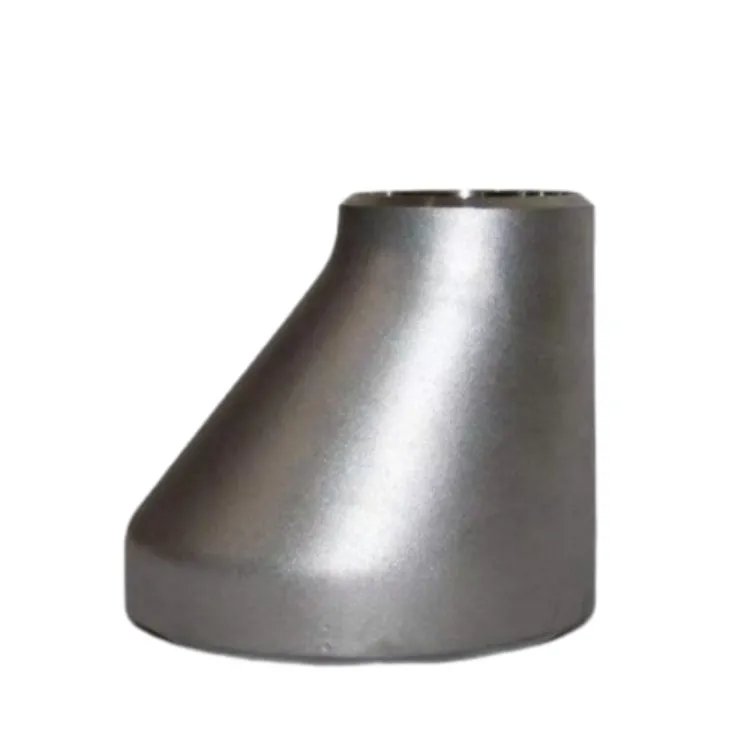
Carbon Steel Reducer | Seamless, Durable, ANSI/ASME

What’s trending in reducers

Three things keep coming up in 2025 RFQs: tighter dimensional control to ASME B16.9, sour-service compliance (NACE MR0175/ISO 15156), and traceability. Actually, many customers say they also want optional impact-tested LTCS for colder regions—think ASTM A420 WPL6. The carbon steel reducer has become a verified component, not just a commodity fitting.

Product snapshot (real-world specs)

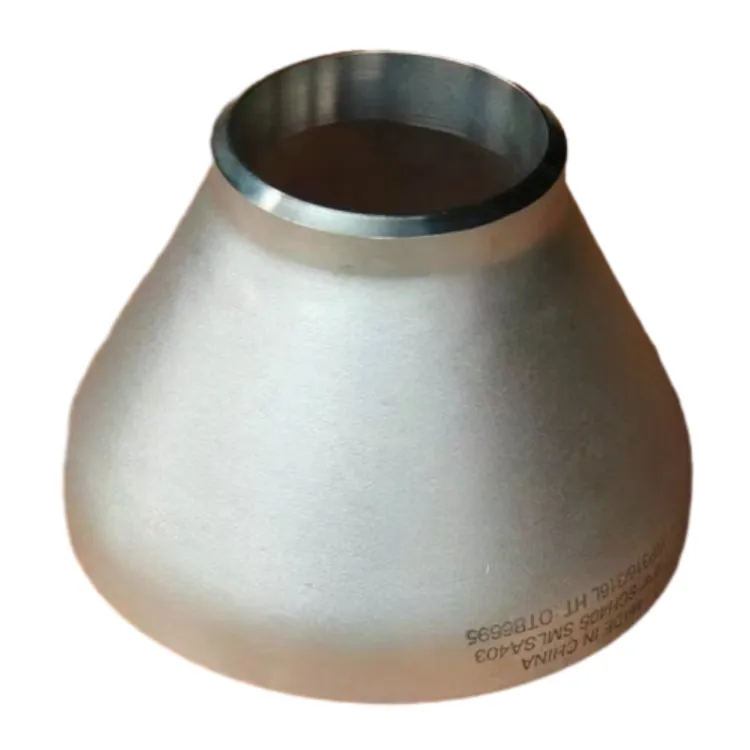
Product Name Reducer (Concentric / Eccentric)
Material Grades ASTM A234 WPB/WPC; LTCS A420 WPL6 (on request); others by project
Size Range 1/2"–48" (≈DN15–DN1200)
Wall Thickness SCH 10–XXS; custom heavy-wall available
Ends Bevel per ASME B16.25; square ends on request
Standards ASME B16.9, MSS-SP-75, EN 10253-2 (≈), NACE MR0175 (material selection)
Surface Black, anti-rust oil, SA2.5 blast + primer (project-based)
Carbon Steel Reducer | Seamless, Durable, ANSI/ASME

From steel to shipment: how a good reducer is made

  • Materials: controlled heats of A234 WPB or LTCS per spec; PMI to verify chemistry.
  • Forming: seamless hot-push or cold-press; welded route with qualified WPS/PQR when required.
  • Heat treatment: normalizing or stress relieving based on grade and method.
  • Machining & bevel: consistent land/root face for faster fit-up (many welders appreciate this).
  • Testing: dimensional check to ASME B16.9; UT/MT per ASME Sec. V; hardness (NACE ≤22 HRC typical); impact test (e.g., 27 J at −46°C for WPL6, lot-based).
  • Optional pressure test: project-driven; usually 1.5× design pressure (discuss with the engineer).
  • Documentation: MTC EN 10204 3.1, heat traceability, coating DFT report if painted.
Carbon Steel Reducer | Seamless, Durable, ANSI/ASME

Where it’s used—and why it works

Oil & gas gathering, petrochem units, power plants, district heating, even water treatment. The carbon steel reducer keeps velocity shifts smooth, minimizing turbulence and noise. Service life? Around 20–30 years in typical carbon steel service, but corrosion allowance and media matter—real-world use may vary. Feedback I keep hearing: “Clean bevel, no rework,” and “Packaging survived the port twice,” which says something.

Vendor snapshot (quick comparison)

Vendor Lead Time Certs NDT Coverage Customization Price Level
Lion Pipeline (Mengcun, Cangzhou) 7–20 days (stock + quick runs) ISO 9001, PED (on request) UT 100% (project-based), MT critical zones Wall, offset, coating, marking Competitive
Vendor A 3–5 weeks ISO 9001 UT sampling Limited Low
Vendor B 2–4 weeks ISO 9001, NACE materials UT/MT on request Moderate Mid
Carbon Steel Reducer | Seamless, Durable, ANSI/ASME

Customization & compliance

Offset eccentric carbon steel reducer for pump suction? Extra-long reducing length to tame cavitation? It’s all doable. Coatings (zinc-rich, epoxy), special bevel geometry, and color-coded markings help on site. Certifications typically include ISO 9001 QMS, MTC 3.1, and compatibility with ASME B16.9/B16.25, plus NACE material selection for sour.
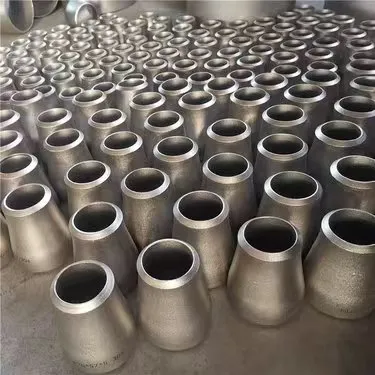
Two quick case notes

  • Petrochem retrofit, Southeast Asia: 8"×6" concentric, SCH 80, UT 100%, hardness ≤200 HB, CVN 29 J @ −20°C. Result: zero fit-up delays; delta-P within model.
  • District heating, Northern Europe: DN300×DN200 eccentric, long pattern; coating to 80 μm DFT. Installer noted “no ovality issues, clean bevels,” which, I guess, is what the welders care about most.
Carbon Steel Reducer | Seamless, Durable, ANSI/ASME

Manufactured in the Economic Development Zone of Mengcun county, Cangzhou city, Hebei province—an area that’s, surprisingly, very specialized in pipe fittings.
Authoritative references

  1. ASME B16.9 – Factory-Made Wrought Buttwelding Fittings
  2. ASTM A234/A234M – Standard Spec for Piping Fittings of Wrought Carbon Steel
  3. ISO 9001:2015 – Quality Management Systems
  4. NACE MR0175/ISO 15156 – Materials for use in H2S-containing environments
  5. EN 10253-2 – Butt-welding pipe fittings, non-alloy and alloy steels
  6. ASME B16.25 – Buttwelding Ends
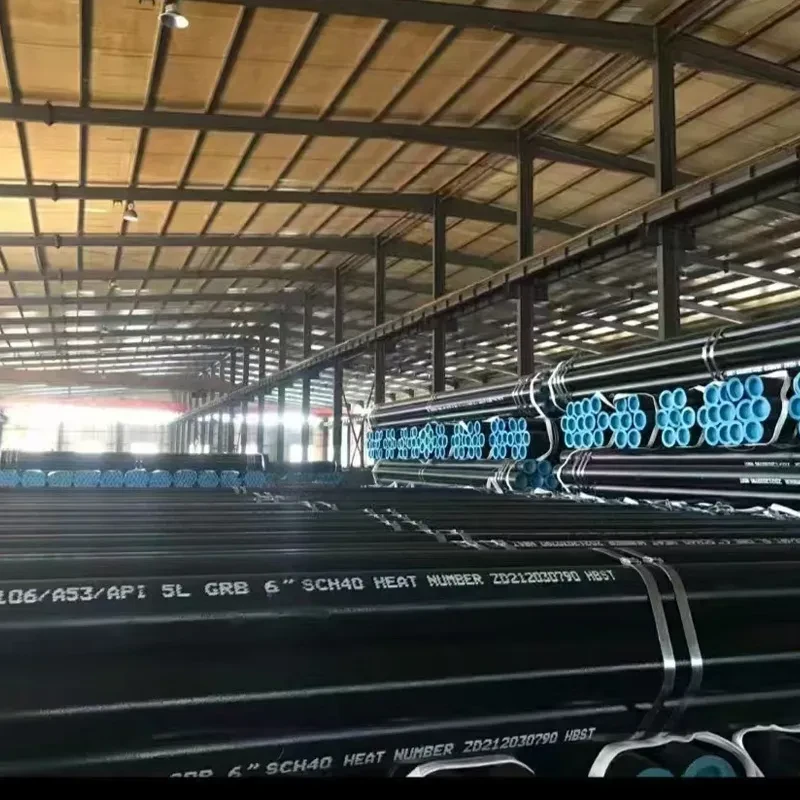
  • Carbon Semless Steel Pipes

    Carbon Semless Steel Pipes

    Carbon Seamless Steel Pipes are made from high-quality carbon steel and manufactured without welded seams, offering exceptional strength, durability, and resistance to pressure. These pipes are ideal for a wide range of applications, including oil and gas pipelines, construction, automotive, and fluid transportation systems. The seamless design ensures uniformity, higher structural integrity, and improved performance under high pressure and temperature conditions.
    VIEW ALL
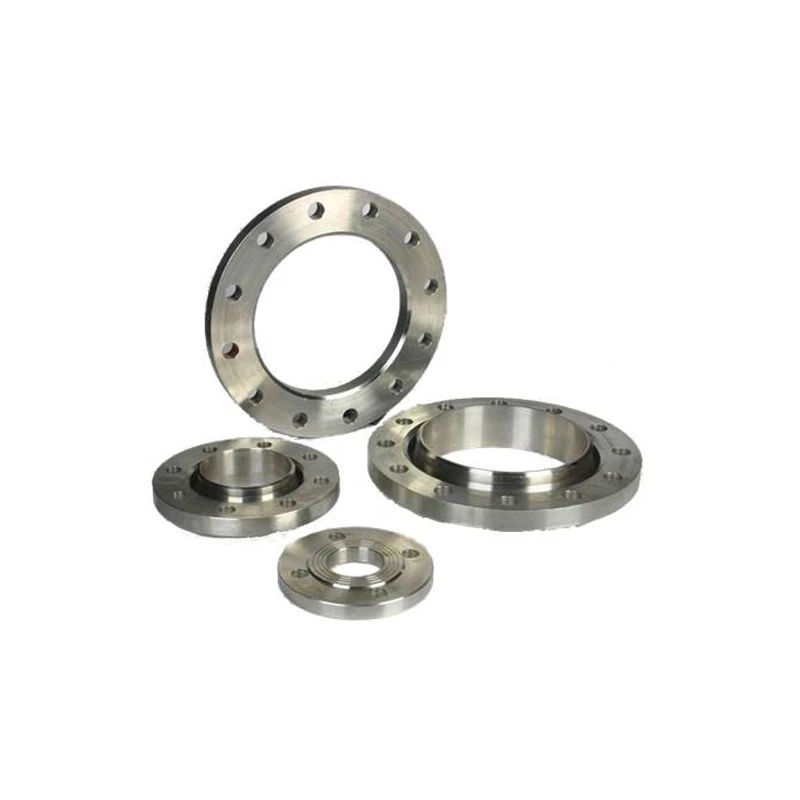
  • Flange

    Flange

    Flange Product Introduction Flanges are used to connect pipes to pipes or pipes to equipment, ensuring a sealed and stable connection. They prevent fluid leakage and can withstand certain pressures and stresses, ensuring reliable connections. Flange nominal diameters range from DN15-DN2000 and beyond, covering various pipeline connection needs. Flanges primarily adhere to international standards such as ASME B16.5-2020, ASME B16.47-2020, and API 6A-2018.
    VIEW ALL
  • Anti Corrosion And Thermal Insulation Products
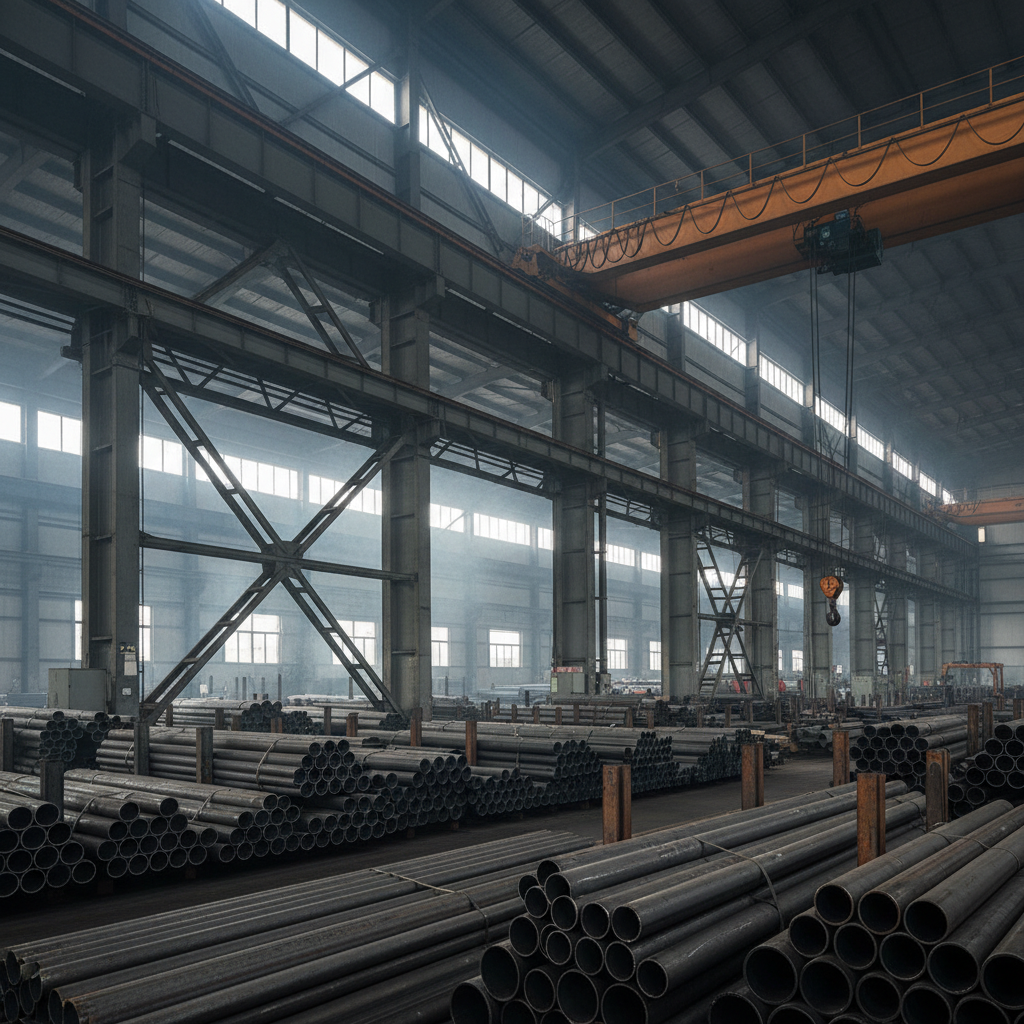
    Anti Corrosion And Thermal Insulation Products

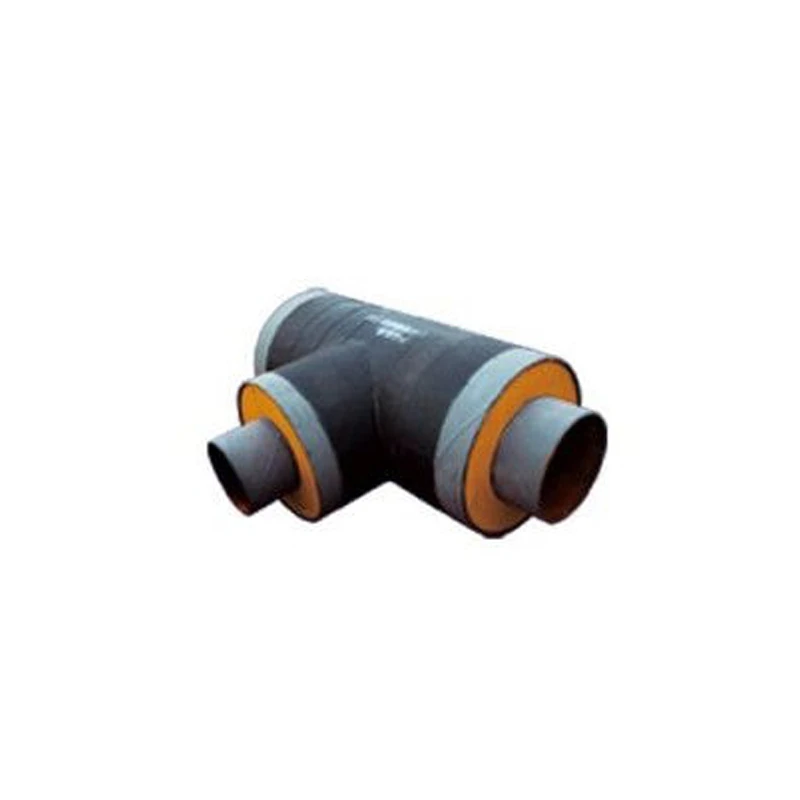
    The anti-corrosion and thermal insulation products we focus on produce play a key role in the industrial pipeline system, especially the thermal insulation pipe fittings and steel pipes. Thermal insulation pipe fittings cover elbows, tees, reducers and pipe supports, with specifications ranging from DN15 to DN1800, and are made of carbon steel, alloy steel, stainless steel, bimetallic composite, nickel-based alloy and other materials.
    VIEW ALL
To create value for customers!
Cangzhou Leo Technology Co., Ltd. is located in Mengcun County Economic Development Zone, Cangzhou City, Hebei Province. It is a specialized high-tech enterprise that integrates the research and development, production, and sales of composite pipes and fittings.
News
The company regards product quality as the life of the enterprise, establishes a sound quality management system in accordance with the requirements of industry and national standards, controls all aspects of input and output in the whole process, pays attention to every detail, and ensures that the product delivery pass rate is 100%.
Properties and Industrial Applications of 4130 steel tubing
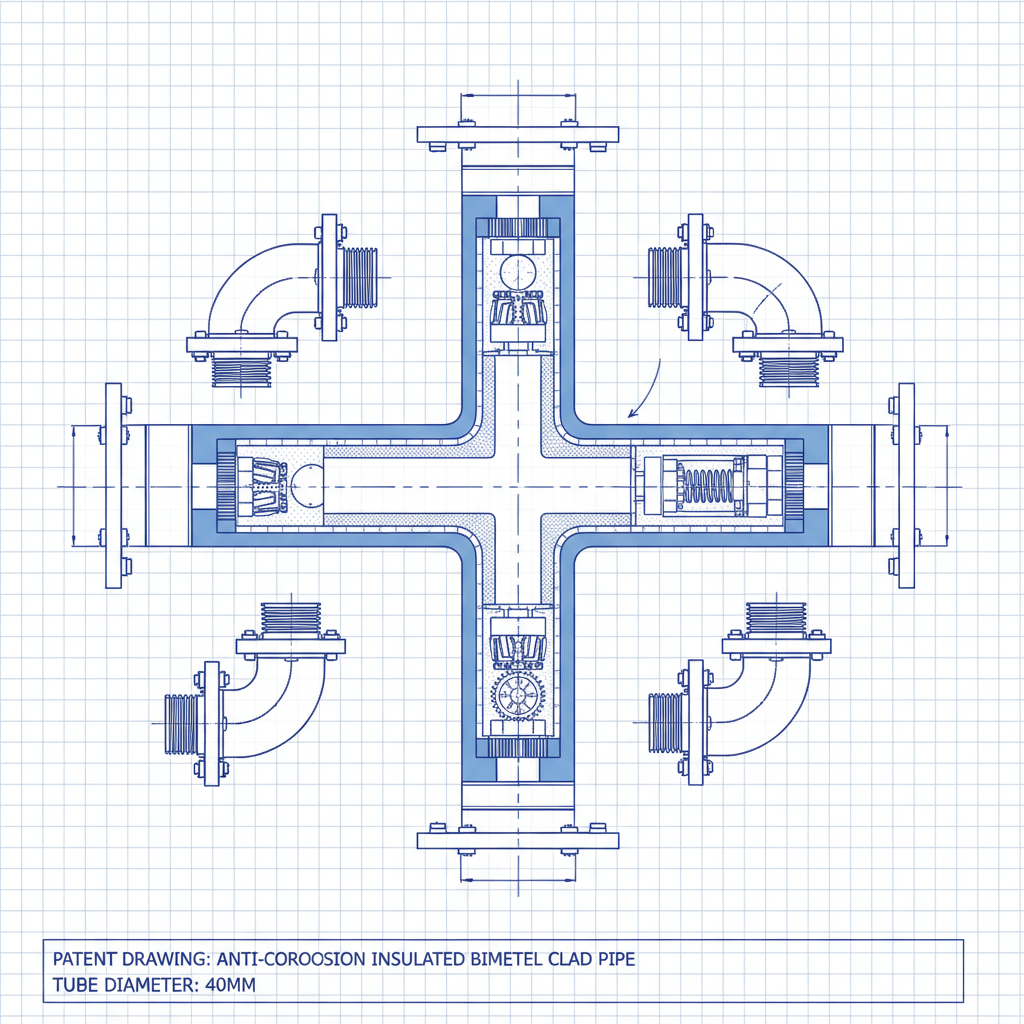
Properties and Industrial Applications of 4130 steel tubing

In the world of high-performance engineering, material selection is the foundation of safety and efficiency. 4130 steel tubing is widely recognized as the gold standard for applications requiring an exceptional strength-to-weight ratio. Known for its versatility and reliability, this chromium-molybdenum alloy is the preferred choice for everything from aircraft frames to professional roll cages. Understanding the nuances of this material allows engineers to optimize structural integrity without adding unnecessary bulk. In this comprehensive guide, we will explore why this specific alloy remains a top choice for critical industrial and aerospace components.
Comprehensive Guide to 40mm Steel Tube Applications and Material Selection
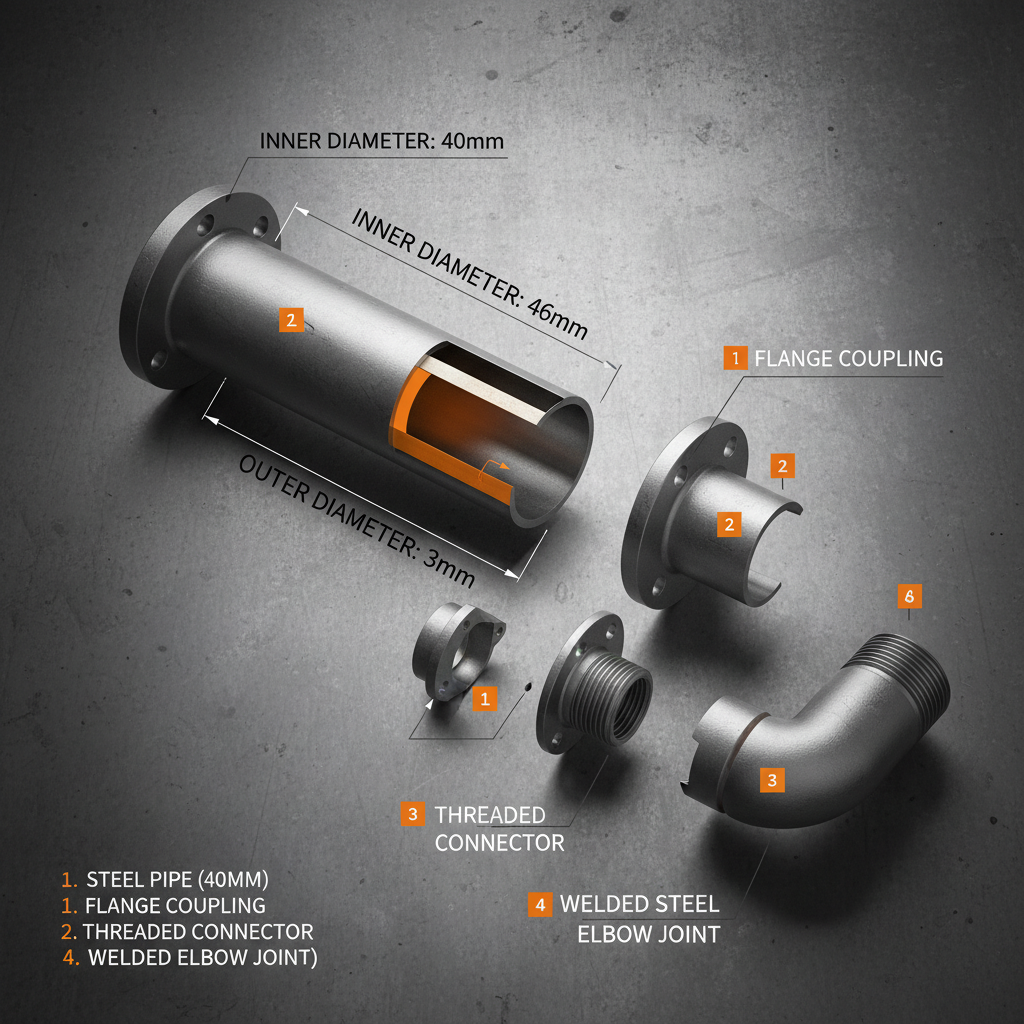
Comprehensive Guide to 40mm Steel Tube Applications and Material Selection

40mm steel tube is a versatile and widely used material in various industries, from construction and manufacturing to automotive and beyond. Its strength, durability, and cost-effectiveness make it an ideal choice for numerous applications. This article will delve into the characteristics, applications, benefits, and considerations when working with 40mm steel tube, providing a comprehensive overview for professionals and anyone interested in this essential material.
Comprehensive Guide to 40mm Steel Pipe Applications and Considerations
Comprehensive Guide to 40mm Steel Pipe Applications and Considerations

40mm steel pipe is a widely used material in various industries due to its strength, durability, and cost-effectiveness. From construction and infrastructure projects to industrial applications and fluid transportation, this pipe size offers a versatile solution. This article will delve into the properties, applications, standards, and key considerations when selecting 40mm steel pipe, helping you make informed decisions for your specific needs.
Comprehensive Guide to 40mm Metal Pipe Applications and Sourcing
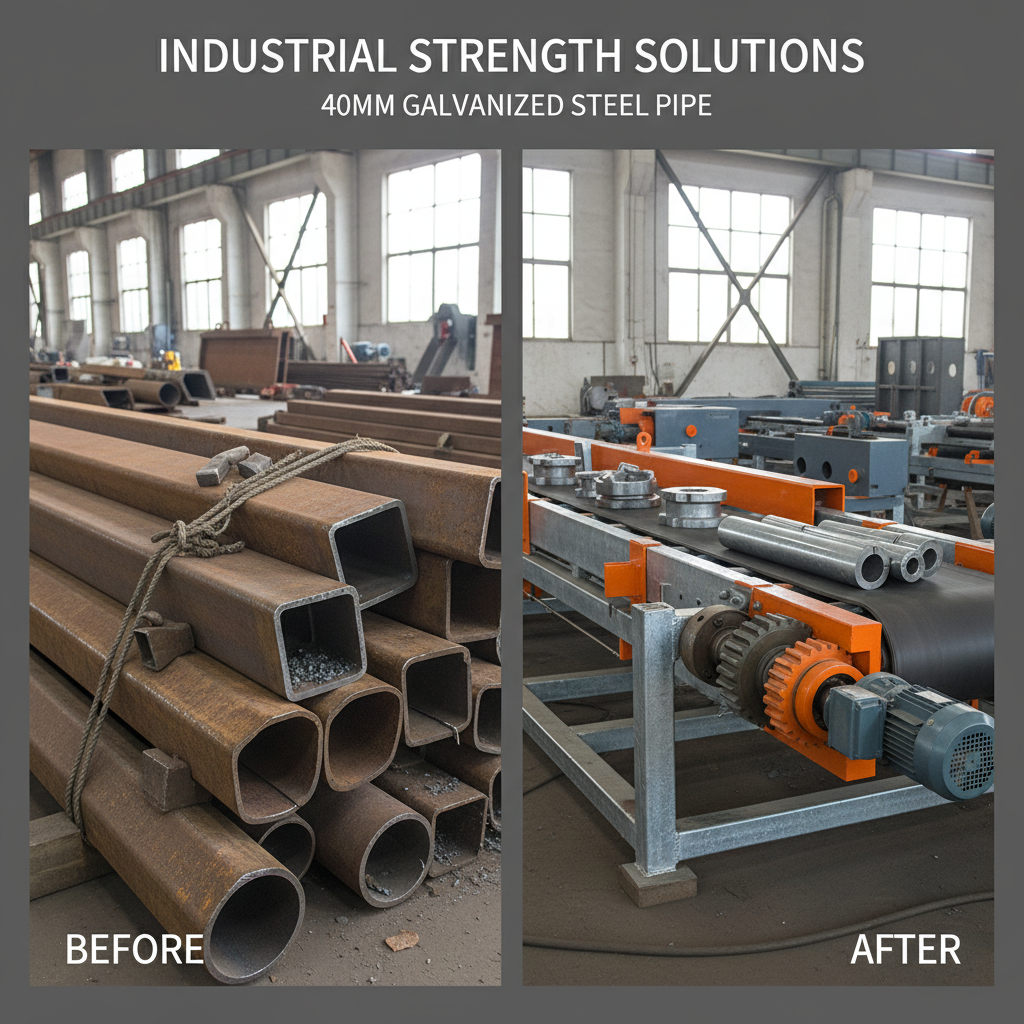
Comprehensive Guide to 40mm Metal Pipe Applications and Sourcing

40mm metal pipe is a crucial component in a wide array of industries, from construction and plumbing to industrial manufacturing and fluid transport. Its strength, durability, and versatility make it a preferred material for countless applications. This article will delve into the specifics of 40mm metal pipe, exploring its various types, common uses, benefits, and where to source high-quality piping solutions.
Comprehensive Guide to 40mm Galvanised Pipe Applications and Specifications
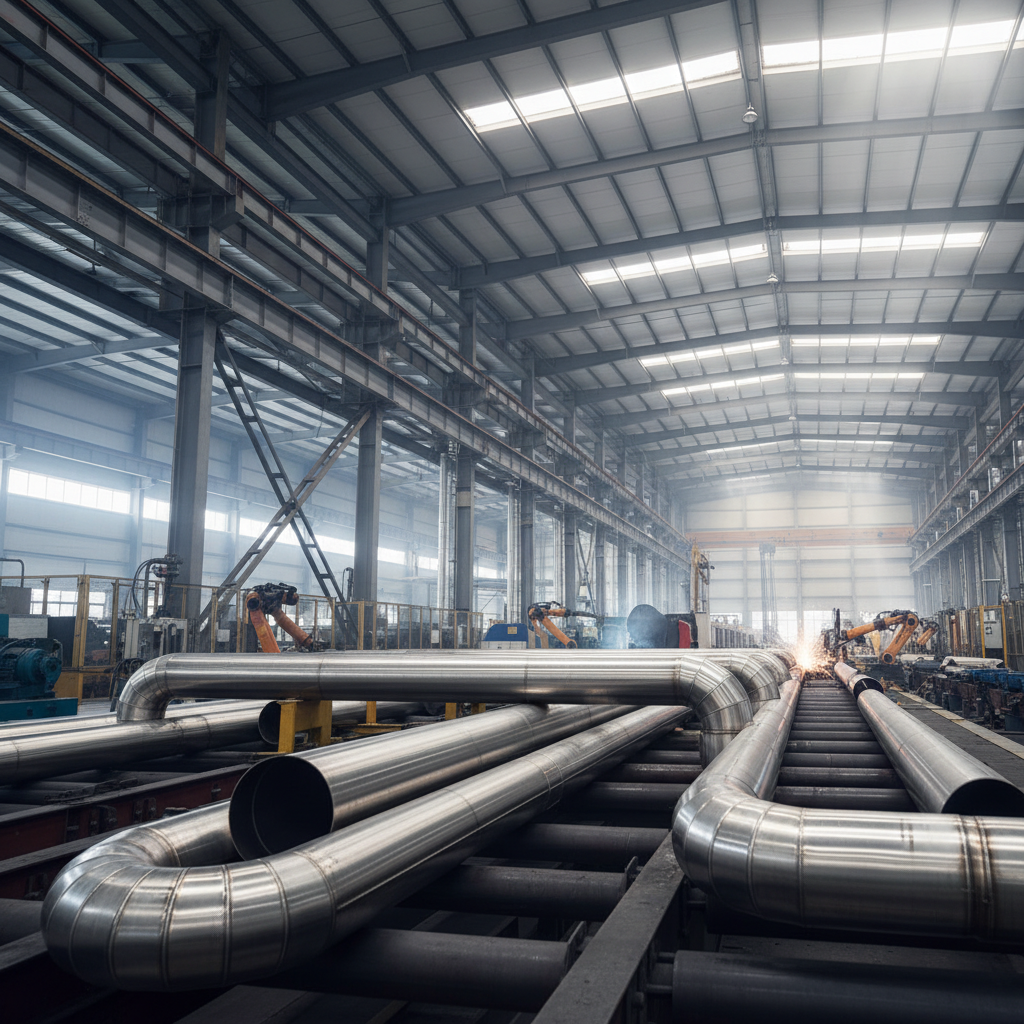
Comprehensive Guide to 40mm Galvanised Pipe Applications and Specifications

When planning a plumbing, structural, or industrial project, selecting the right piping material is crucial. 40mm galvanised pipe is a widely used option known for its strength, durability, and corrosion resistance. This article provides a detailed overview of 40mm galvanised pipes, exploring their applications, benefits, specifications, and considerations for optimal usage. We'll cover everything from what galvanisation is to how to choose the right pipe for your specific needs.
Comprehensive Guide to 409 Stainless Steel Exhaust Pipe Applications and Benefits

Comprehensive Guide to 409 Stainless Steel Exhaust Pipe Applications and Benefits

When selecting materials for exhaust systems, especially in industries demanding durability and corrosion resistance, 409 stainless steel exhaust pipe emerges as a leading solution. Known for its affordability and suitable performance in various applications, it’s a popular choice for automotive, truck, and industrial exhaust systems. This article delves into the properties, benefits, applications, and considerations when choosing 409 stainless steel exhaust pipe, providing valuable insights for engineers, purchasers, and anyone involved in exhaust system design and manufacturing. Understanding the nuances of this material is key to ensuring long-lasting and reliable exhaust solutions. 409 stainless steel is an austenitic stainless steel containing approximately 11.5% chromium. This chromium content provides excellent resistance to oxidation and corrosion, particularly in mildly corrosive environments. Unlike higher-grade stainless steels (like 304 or 316), 409 has a lower chromium content and typically includes titanium for stabilization. This stabilization prevents carbide precipitation during welding, enhancing its weldability and corrosion resistance in the heat-affected zone. It's often chosen for applications where cost-effectiveness is critical, and the extreme corrosion resistance of higher alloys isn't required.
tel email tel top

If you are interested in our products, you can choose to leave your information here, and we will be in touch with you shortly.