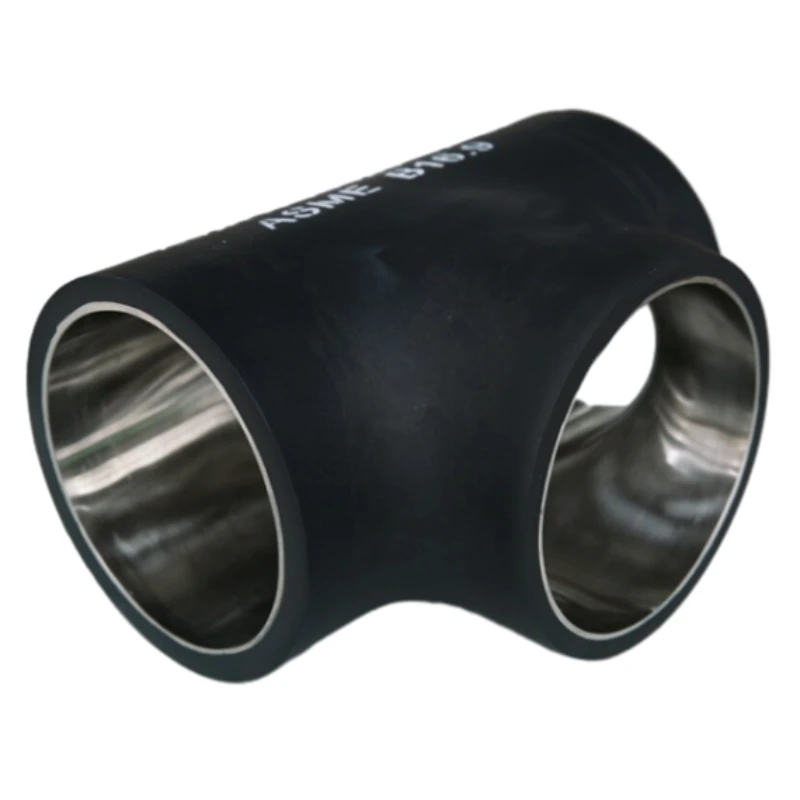
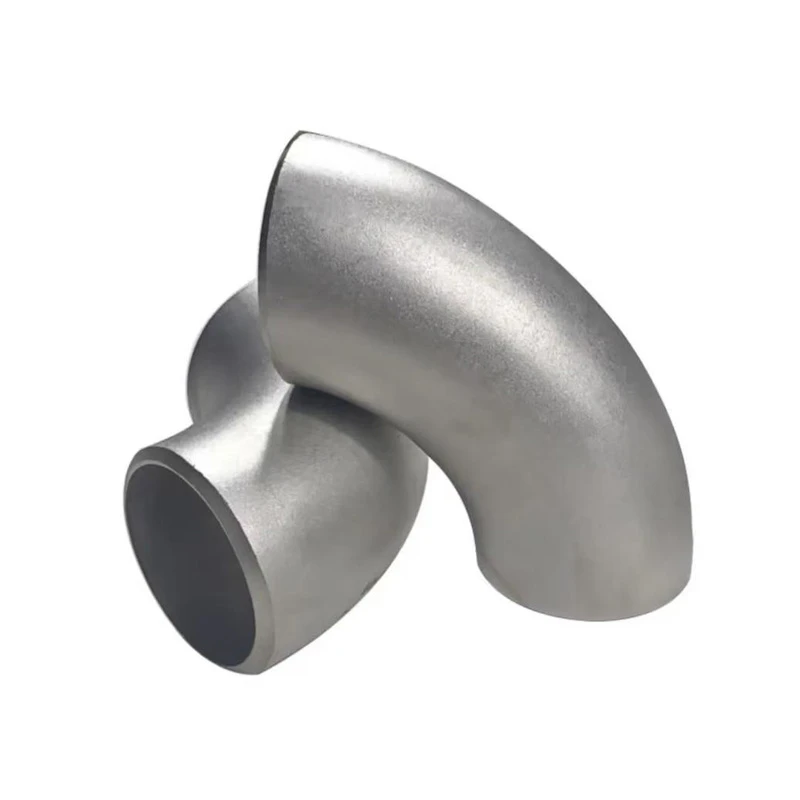
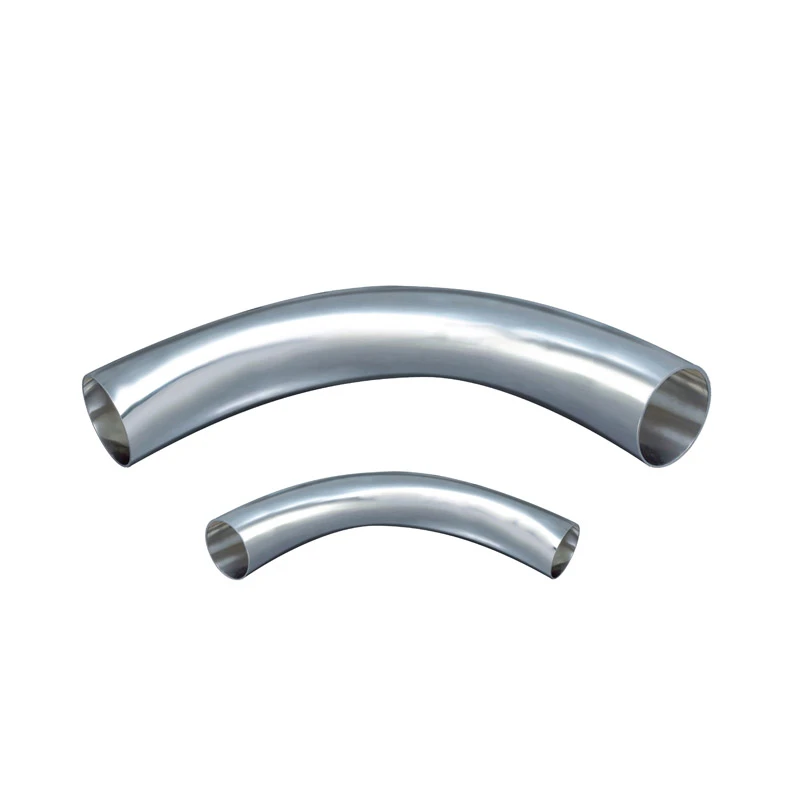
Metal flanges are indispensable components in a variety of applications, playing a vital part in ensuring the integrity and functionality of systems. From plumbing setups to industrial pipelines, these sturdy metal fixtures provide essential connections and support. The specific types of metal flanges, including those related to toilets and pipes, as well as the often - overlooked meter flanges, each have their own unique characteristics and applications that contribute to the overall performance of different systems.
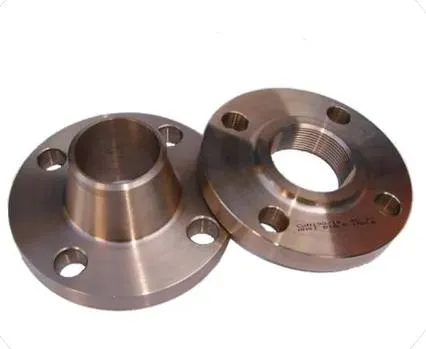
In the world of plumbing, metal flanges are key elements that facilitate secure connections between various pipes and fixtures. Metal flanges are commonly used to join sections of metal pipes together, creating a leak - proof seal that is essential for the proper flow of water or other fluids. These flanges are typically bolted or welded onto the ends of pipes, allowing for easy assembly and disassembly when maintenance or repairs are needed. Their robust metal construction ensures durability and resistance to the pressures and stresses exerted by the flow of liquids within the pipes.
When it comes to toilet installations, metal flange for toilet and metal toilet flange are critical components. A metal toilet flange is installed at the base of the toilet, connecting the toilet bowl to the waste pipe. It serves as a stable foundation for the toilet, ensuring that it remains firmly in place while also preventing any leakage of sewage. The metal construction of these flanges provides strength and stability, withstanding the weight of the toilet and the constant use it endures. Additionally, metal flanges for toilets are designed to be corrosion - resistant, protecting against the potentially damaging effects of moisture and waste, which helps to extend the lifespan of the toilet installation.
Beyond plumbing, metal flanges find applications in industrial settings and are also relevant in the context of meter flanges. In industrial pipelines, metal flanges are used to connect large - diameter pipes that carry various substances, such as chemicals, gases, or petroleum products. These flanges need to be able to withstand high pressures, extreme temperatures, and corrosive environments. Meter flanges, on the other hand, are specifically designed to support and connect meters used for measuring the flow or volume of substances. They ensure accurate and reliable operation of the meters by providing a stable and secure connection, allowing for precise measurement and monitoring in industrial processes and utility systems.
Proper installation and maintenance of metal flanges are essential for their optimal performance. During installation, it's crucial to ensure that the flanges are aligned correctly and tightened to the appropriate torque specification. This helps to create a proper seal and prevent leaks. For metal toilet flanges, careful alignment with the waste pipe and a secure attachment to the floor are necessary to ensure the stability of the toilet. Regular inspection of metal flanges is also important, especially in plumbing and industrial applications. Checking for signs of corrosion, wear, or loose bolts can help identify potential issues before they escalate into major problems, ensuring the continued safe and efficient operation of the systems in which the flanges are installed.
Selecting the appropriate metal flange depends on several factors. First, consider the type of fluid or substance that will be flowing through the pipe or connected to the fixture. For example, if dealing with corrosive chemicals, a corrosion - resistant metal like stainless steel may be required for the metal pipe flange. The pressure and temperature conditions of the system also play a role; higher - pressure applications may need flanges with thicker walls and stronger bolts. In the case of metal toilet flanges, compatibility with the toilet model and the waste pipe size is crucial. Additionally, the installation method, whether it's bolting or welding, should be taken into account when choosing the right flange for the job.
In many cases, damaged metal flanges can be repaired. Minor issues such as loose bolts can often be fixed by simply tightening them to the correct torque. For more significant damage, such as corrosion or cracks, the flange may need to be replaced. However, in some situations, especially in industrial settings where downtime needs to be minimized, temporary repairs can be made using specialized sealants or repair kits. It's important to note that any repair should be carried out in accordance with industry standards and safety guidelines, and if the damage is extensive, replacement of the metal flange is usually the best course of action to ensure the long - term integrity of the system.
Metal flanges are commonly made from materials such as carbon steel, stainless steel, and ductile iron. Carbon steel is a popular choice for general - purpose applications due to its strength and relatively low cost. Stainless steel is preferred in applications where corrosion resistance is a priority, such as in plumbing systems or when handling chemicals. Ductile iron is often used for metal toilet flanges and other plumbing - related applications because of its durability, strength, and ability to withstand the rigors of installation and use in wet environments. Each material has its own unique properties that make it suitable for different types of applications and operating conditions.

Ultimate Guide to 4130 Tubing Strength Performance and Applications
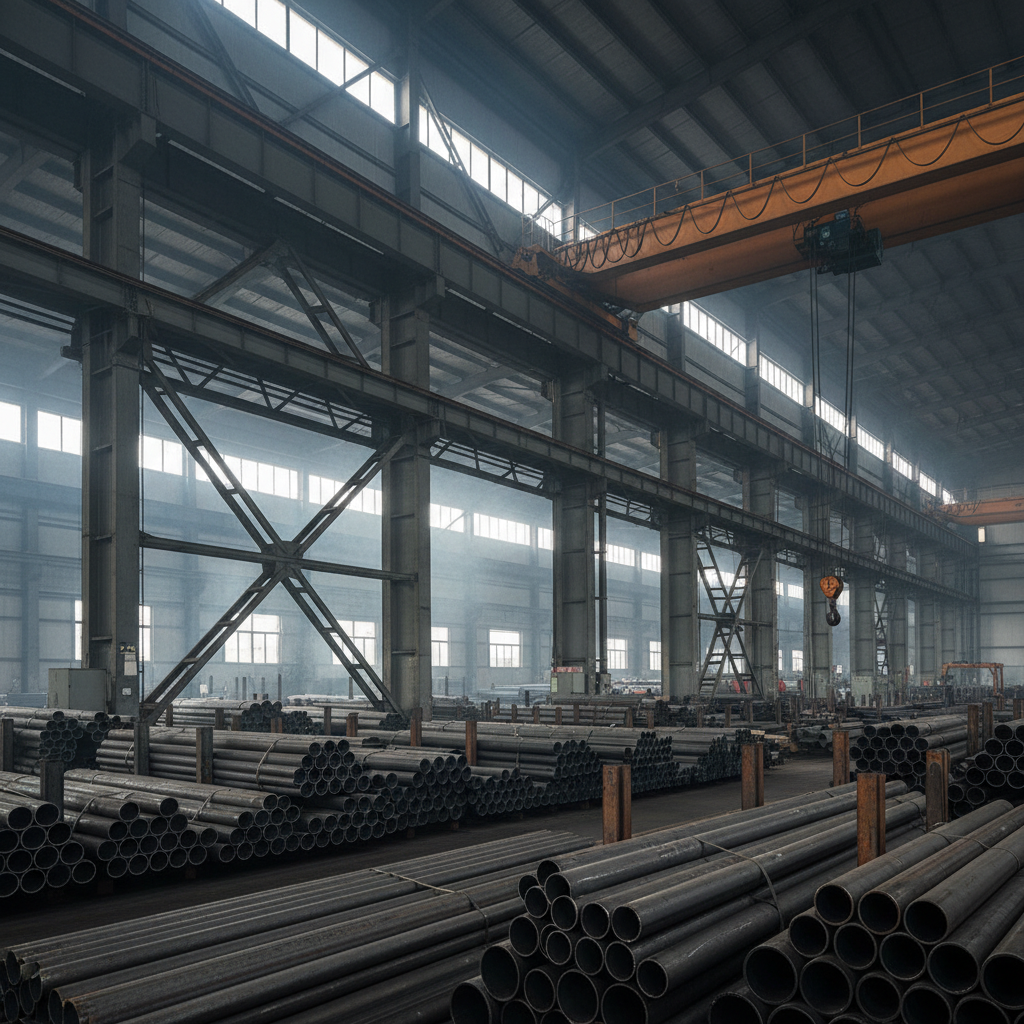
Properties and Industrial Applications of 4130 steel tubing
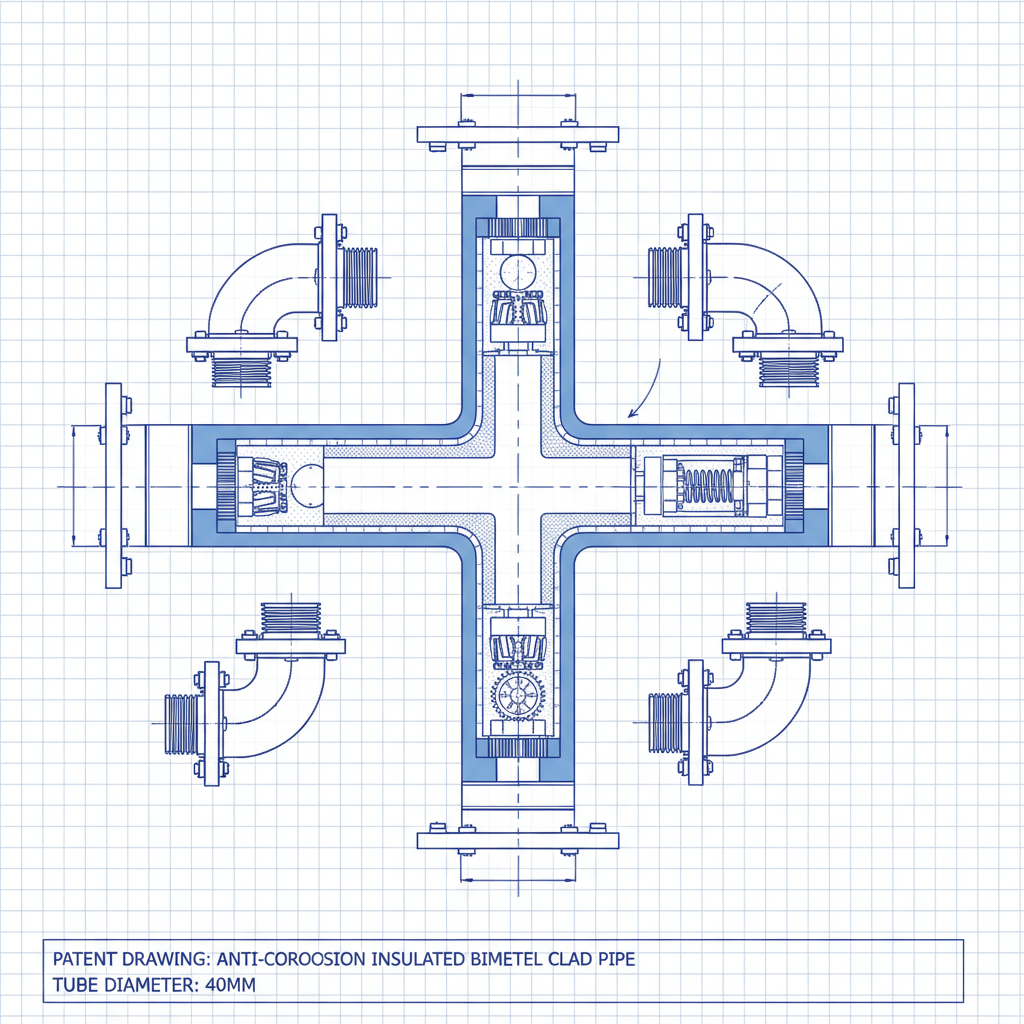
Comprehensive Guide to 40mm Steel Tube Applications and Material Selection
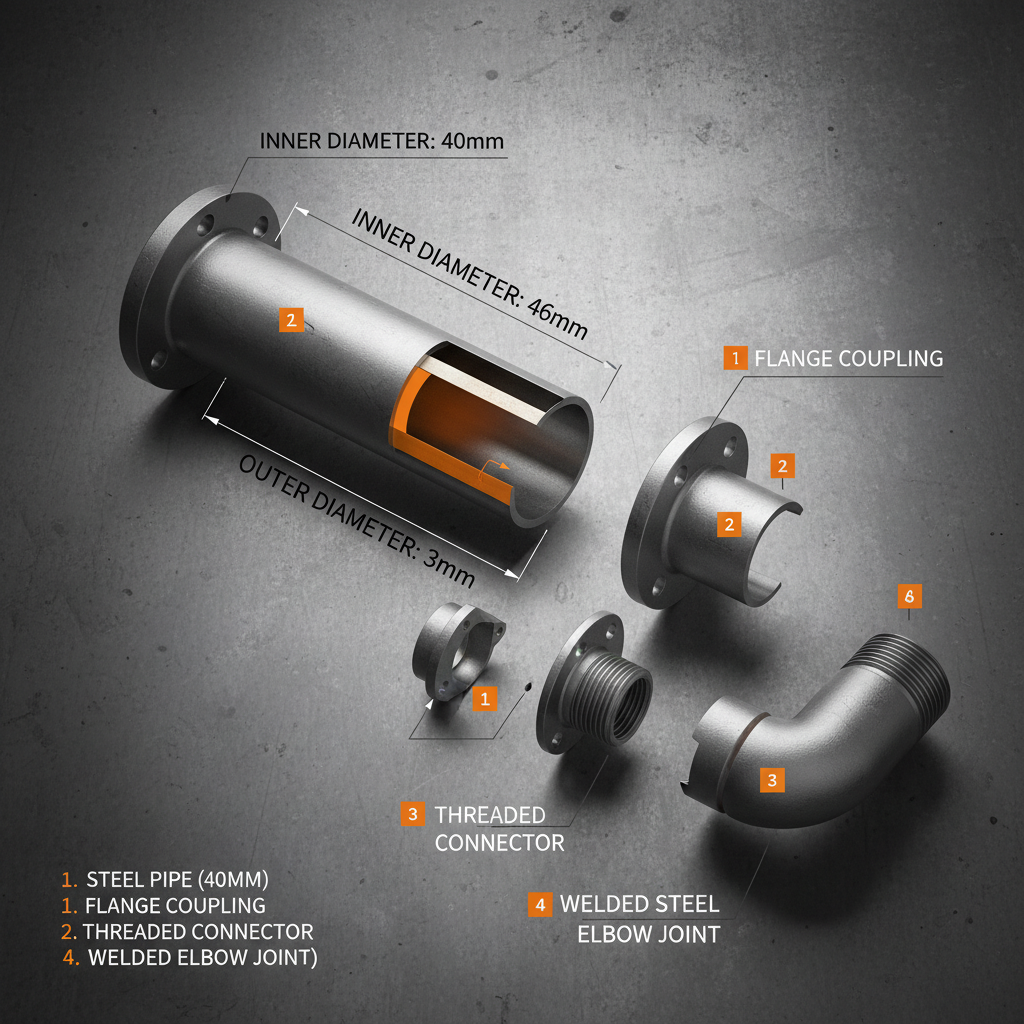
Comprehensive Guide to 40mm Steel Pipe Applications and Considerations
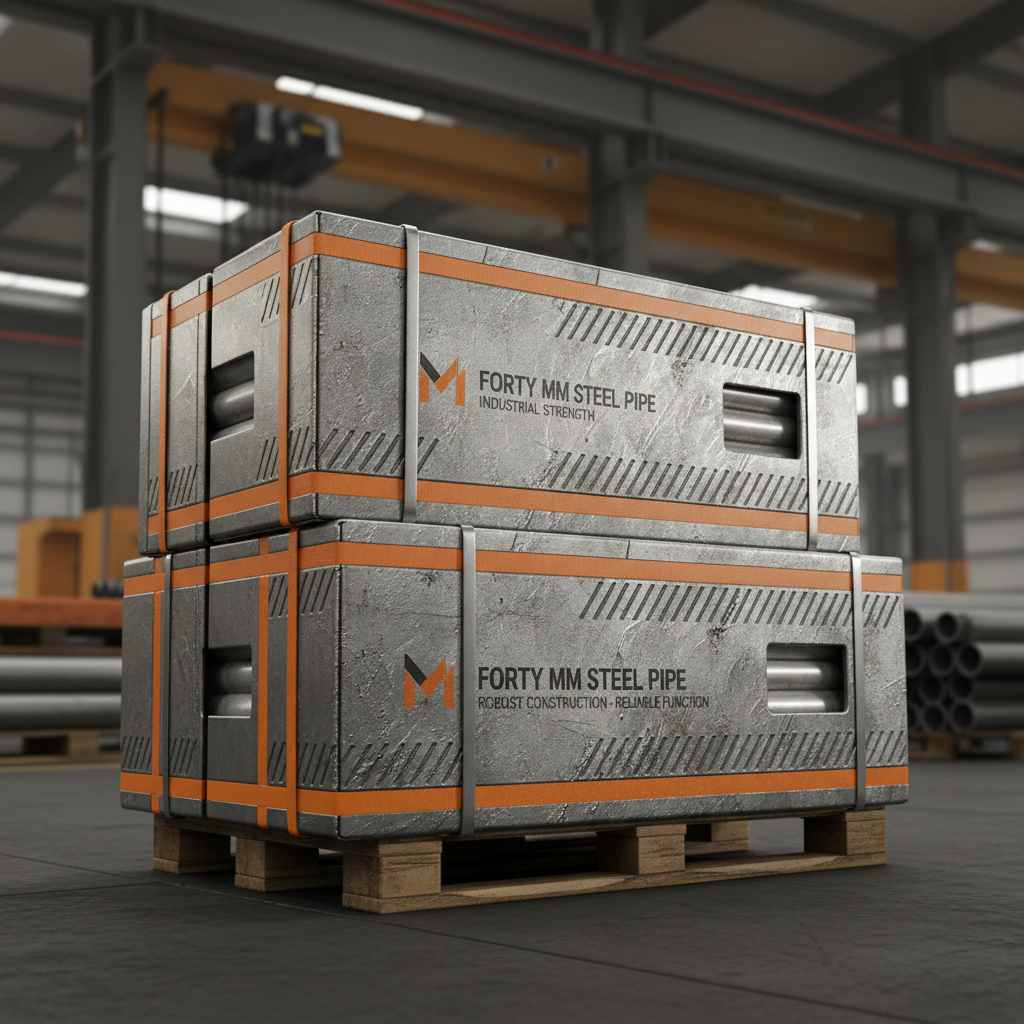
Comprehensive Guide to 40mm Metal Pipe Applications and Sourcing
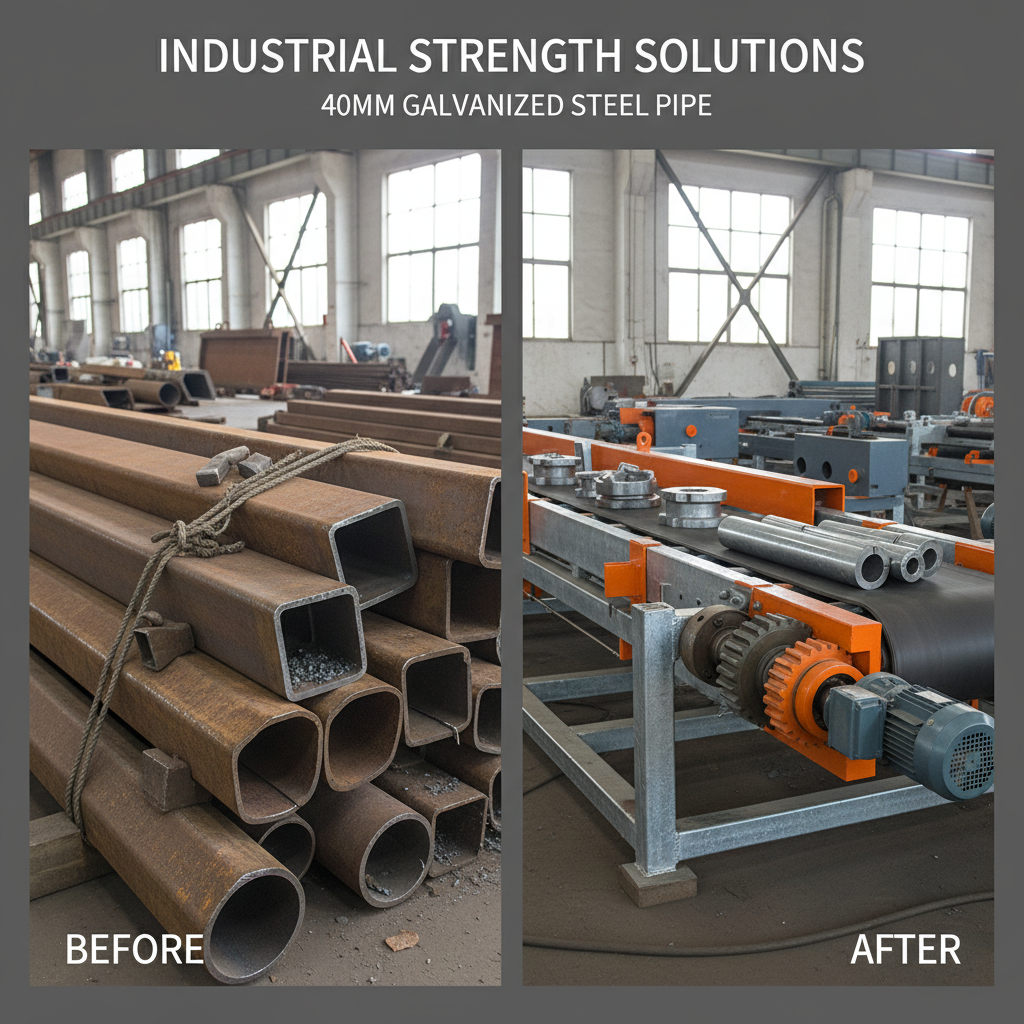
Comprehensive Guide to 40mm Galvanised Pipe Applications and Specifications