tel
Email
to top

The Crucial Role of Metal Flanges in Plumbing and Beyond

jul 28 2025
dele:

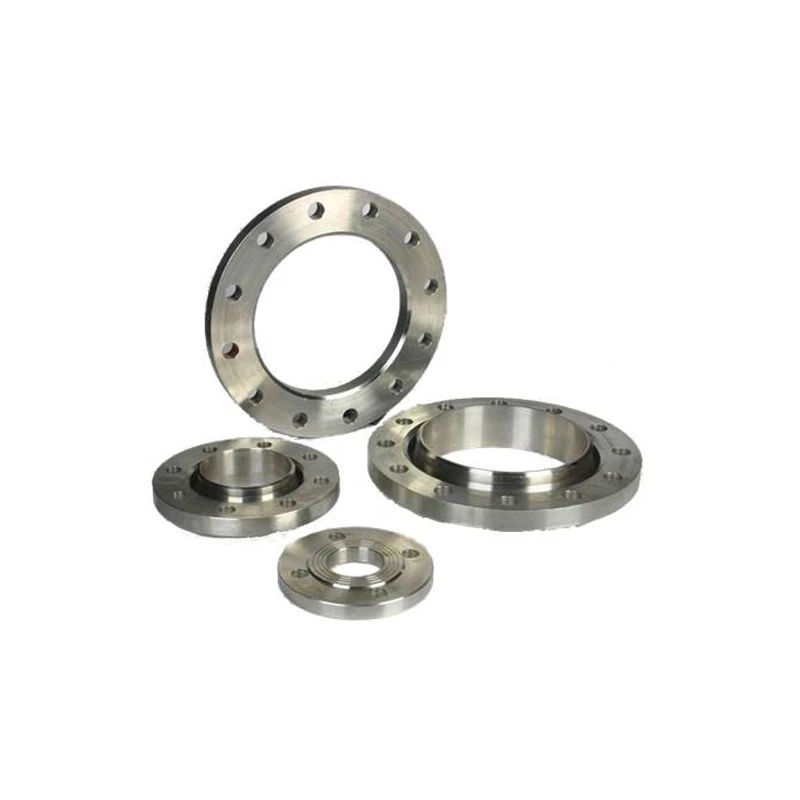
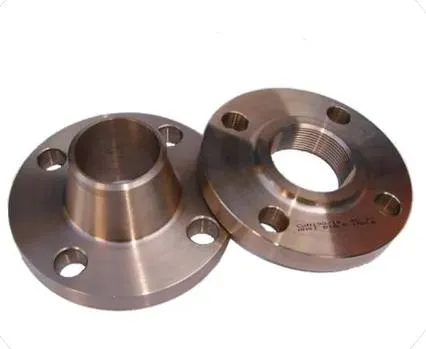
Metal flanges are indispensable components in a variety of applications, playing a vital part in ensuring the integrity and functionality of systems. From plumbing setups to industrial pipelines, these sturdy metal fixtures provide essential connections and support. The specific types of metal flanges, including those related to toilets and pipes, as well as the often - overlooked meter flanges, each have their own unique characteristics and applications that contribute to the overall performance of different systems.
 

The Crucial Role of Metal Flanges in Plumbing and Beyond


The Versatility of Metal Flanges in Plumbing


In the world of plumbing, metal flanges are key elements that facilitate secure connections between various pipes and fixtures. Metal flanges are commonly used to join sections of metal pipes together, creating a leak - proof seal that is essential for the proper flow of water or other fluids. These flanges are typically bolted or welded onto the ends of pipes, allowing for easy assembly and disassembly when maintenance or repairs are needed. Their robust metal construction ensures durability and resistance to the pressures and stresses exerted by the flow of liquids within the pipes.


Metal Flanges for Toilet Installations


When it comes to toilet installations, metal flange for toilet and metal toilet flange are critical components. A metal toilet flange is installed at the base of the toilet, connecting the toilet bowl to the waste pipe. It serves as a stable foundation for the toilet, ensuring that it remains firmly in place while also preventing any leakage of sewage. The metal construction of these flanges provides strength and stability, withstanding the weight of the toilet and the constant use it endures. Additionally, metal flanges for toilets are designed to be corrosion - resistant, protecting against the potentially damaging effects of moisture and waste, which helps to extend the lifespan of the toilet installation.


Metal Flanges in Industrial and Meter - Related Applications


Beyond plumbing, metal flanges find applications in industrial settings and are also relevant in the context of meter flanges. In industrial pipelines, metal flanges are used to connect large - diameter pipes that carry various substances, such as chemicals, gases, or petroleum products. These flanges need to be able to withstand high pressures, extreme temperatures, and corrosive environments. Meter flanges, on the other hand, are specifically designed to support and connect meters used for measuring the flow or volume of substances. They ensure accurate and reliable operation of the meters by providing a stable and secure connection, allowing for precise measurement and monitoring in industrial processes and utility systems.


Maintenance and Installation of Metal Flanges


Proper installation and maintenance of metal flanges are essential for their optimal performance. During installation, it's crucial to ensure that the flanges are aligned correctly and tightened to the appropriate torque specification. This helps to create a proper seal and prevent leaks. For metal toilet flanges, careful alignment with the waste pipe and a secure attachment to the floor are necessary to ensure the stability of the toilet. Regular inspection of metal flanges is also important, especially in plumbing and industrial applications. Checking for signs of corrosion, wear, or loose bolts can help identify potential issues before they escalate into major problems, ensuring the continued safe and efficient operation of the systems in which the flanges are installed.


FAQs about Metal Flanges


How to Choose the Right Metal Flange for a Specific Application?


Selecting the appropriate metal flange depends on several factors. First, consider the type of fluid or substance that will be flowing through the pipe or connected to the fixture. For example, if dealing with corrosive chemicals, a corrosion - resistant metal like stainless steel may be required for the metal pipe flange. The pressure and temperature conditions of the system also play a role; higher - pressure applications may need flanges with thicker walls and stronger bolts. In the case of metal toilet flanges, compatibility with the toilet model and the waste pipe size is crucial. Additionally, the installation method, whether it's bolting or welding, should be taken into account when choosing the right flange for the job.


Can Metal Flanges Be Repaired if Damaged?


In many cases, damaged metal flanges can be repaired. Minor issues such as loose bolts can often be fixed by simply tightening them to the correct torque. For more significant damage, such as corrosion or cracks, the flange may need to be replaced. However, in some situations, especially in industrial settings where downtime needs to be minimized, temporary repairs can be made using specialized sealants or repair kits. It's important to note that any repair should be carried out in accordance with industry standards and safety guidelines, and if the damage is extensive, replacement of the metal flange is usually the best course of action to ensure the long - term integrity of the system.


What Are the Common Materials Used for Metal Flanges?


Metal flanges are commonly made from materials such as carbon steel, stainless steel, and ductile iron. Carbon steel is a popular choice for general - purpose applications due to its strength and relatively low cost. Stainless steel is preferred in applications where corrosion resistance is a priority, such as in plumbing systems or when handling chemicals. Ductile iron is often used for metal toilet flanges and other plumbing - related applications because of its durability, strength, and ability to withstand the rigors of installation and use in wet environments. Each material has its own unique properties that make it suitable for different types of applications and operating conditions.
  • Elbow

    Albue

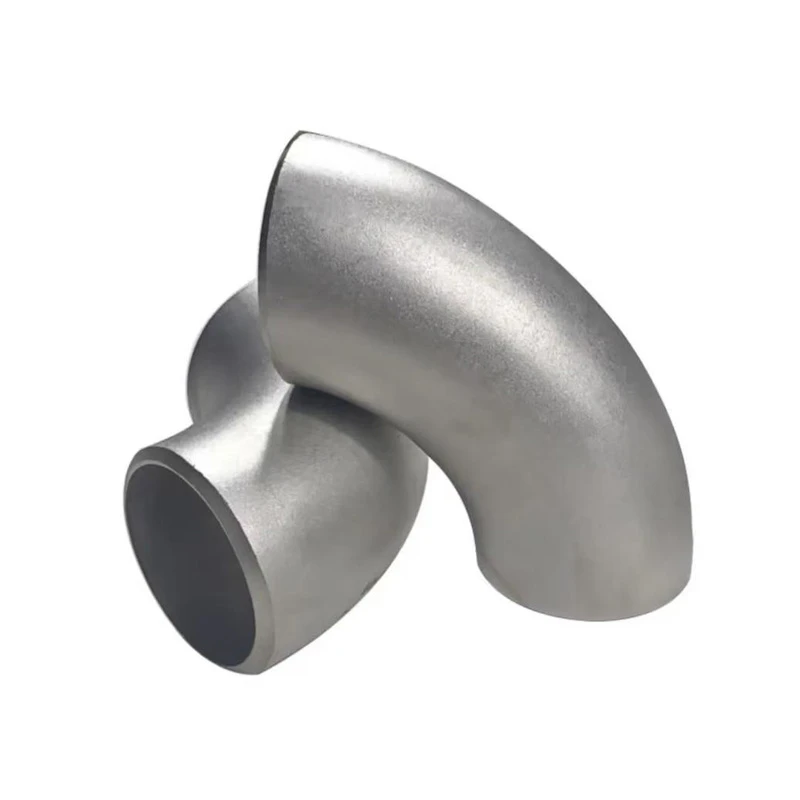
    Carbon Steel &stainless Steel Elbow Elbows are pipe fittings used to change the direction of pipelines in piping systems, commonly employed at pipeline bends. They are widely used in industries such as petroleum, chemical, and power. The common size range for elbows is DN15-DN2000, and typical angles include 45°, 90°, and 180°.
    SE ALLE
  • Pipe Cap

    Rørkappe

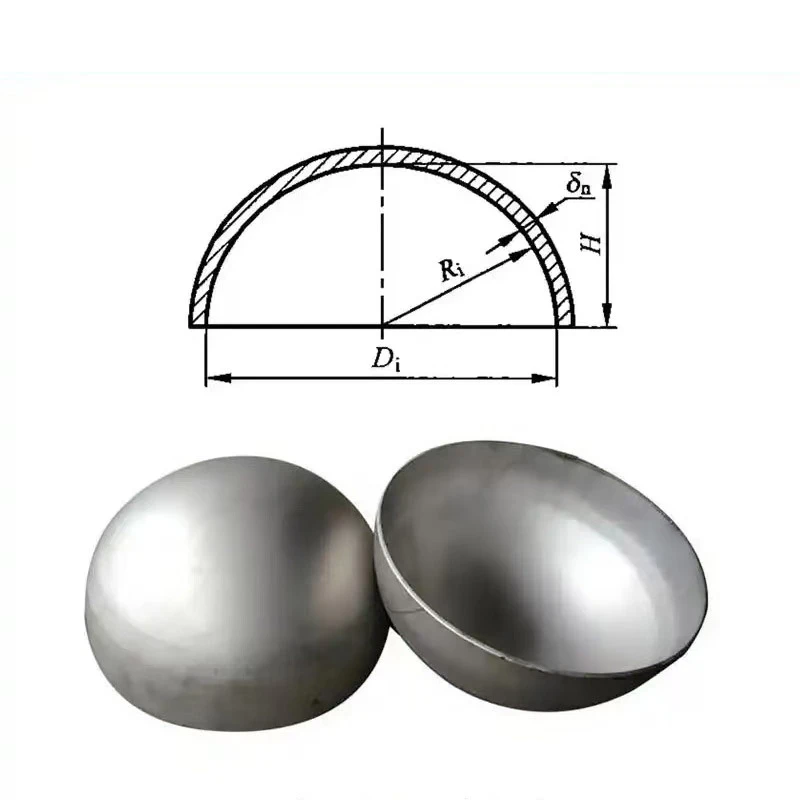
    Pipe caps come in different shapes, including round, square, and oval, and can be designed for both threaded and welded connections. They ensure the integrity of piping systems during transportation, storage, and installation by protecting the pipe ends from dirt, debris, and environmental factors. Durable and easy to install, pipe caps are critical for maintaining system efficiency and safety.
    SE ALLE
  • Flange

    Flange

    Flange Produktintroduktion Flanger bruges til at forbinde rør til rør eller rør til udstyr, hvilket sikrer en tæt og stabil forbindelse. De forhindrer væskelækage og kan modstå visse tryk og belastninger, hvilket sikrer pålidelige forbindelser. Nominelle flangediametre spænder fra DN15-DN2000 og derover, og dækker forskellige behov for rørledningsforbindelse. Flenger overholder primært internationale standarder såsom ASME B16.5-2020, ASME B16.47-2020 og API 6A-2018.
    SE ALLE
At skabe værdi for kunderne!
Cangzhou Leo Technology Co., Ltd. er beliggende i Mengcun County Economic Development Zone, Cangzhou City, Hebei-provinsen. Det er en specialiseret højteknologisk virksomhed, der integrerer forskning og udvikling, produktion og salg af kompositrør og fittings.
Nyheder
Virksomheden betragter produktkvalitet som virksomhedens levetid, etablerer et solidt kvalitetsstyringssystem i overensstemmelse med kravene i industrien og nationale standarder, kontrollerer alle aspekter af input og output i hele processen, er opmærksom på alle detaljer og sikrer, at produktleveringsbeståelsesraten er 100%.
Ultimate Guide to 4130 Tubing Strength Performance and Applications
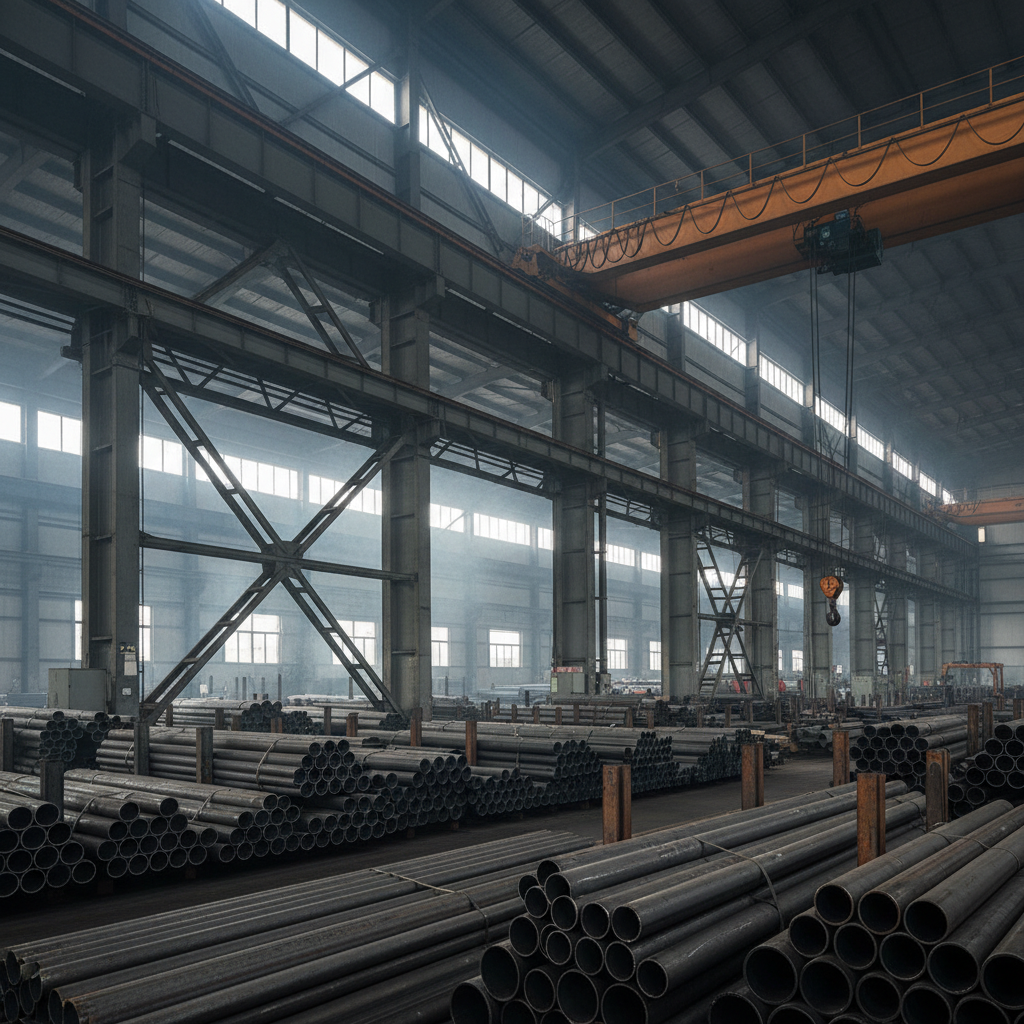
Ultimate Guide to 4130 Tubing Strength Performance and Applications

In the world of high-performance engineering, material selection is the foundation of safety and efficiency. 4130 tubing is widely regarded as the gold standard for applications requiring an exceptional strength-to-weight ratio. This chrome-molybdenum alloy steel is engineered to withstand extreme stress while remaining lightweight enough for aerospace and automotive use. Whether you are designing a roll cage, a bicycle frame, or a critical industrial component, understanding the nuances of this material is essential. In this comprehensive guide, we will explore why this specific alloy is preferred by engineers worldwide and how to choose the right specifications for your project.
Properties and Industrial Applications of 4130 steel tubing
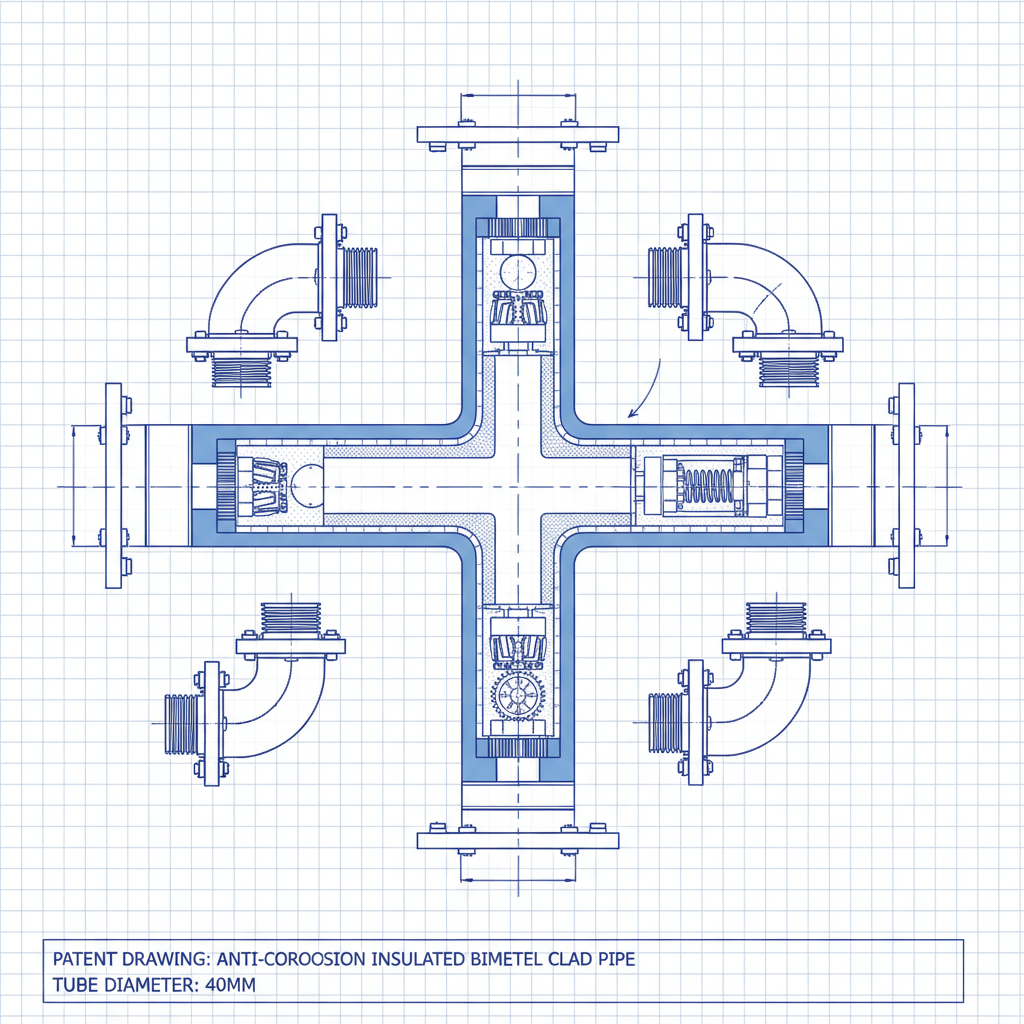
Properties and Industrial Applications of 4130 steel tubing

In the world of high-performance engineering, material selection is the foundation of safety and efficiency. 4130 steel tubing is widely recognized as the gold standard for applications requiring an exceptional strength-to-weight ratio. Known for its versatility and reliability, this chromium-molybdenum alloy is the preferred choice for everything from aircraft frames to professional roll cages. Understanding the nuances of this material allows engineers to optimize structural integrity without adding unnecessary bulk. In this comprehensive guide, we will explore why this specific alloy remains a top choice for critical industrial and aerospace components.
Comprehensive Guide to 40mm Steel Tube Applications and Material Selection
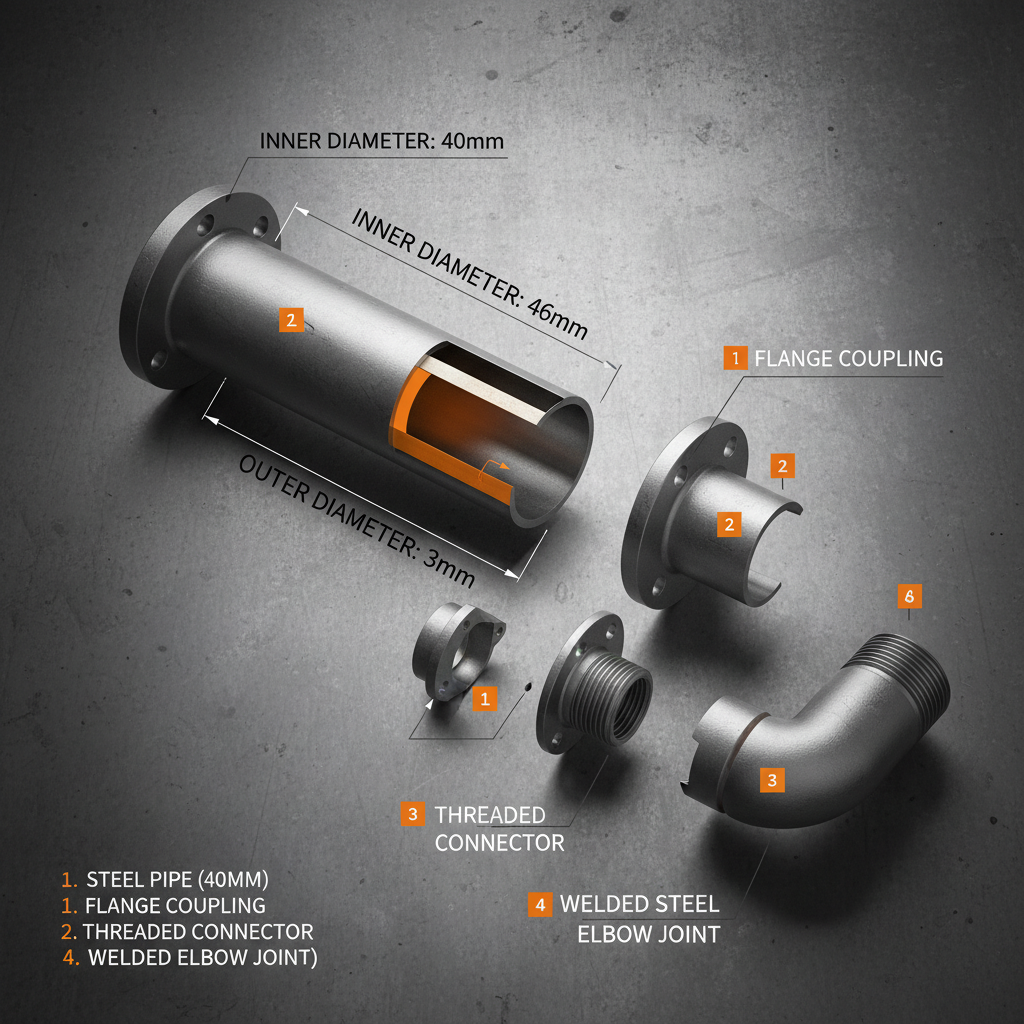
Comprehensive Guide to 40mm Steel Tube Applications and Material Selection

40mm steel tube is a versatile and widely used material in various industries, from construction and manufacturing to automotive and beyond. Its strength, durability, and cost-effectiveness make it an ideal choice for numerous applications. This article will delve into the characteristics, applications, benefits, and considerations when working with 40mm steel tube, providing a comprehensive overview for professionals and anyone interested in this essential material.
Comprehensive Guide to 40mm Steel Pipe Applications and Considerations
Comprehensive Guide to 40mm Steel Pipe Applications and Considerations

40mm steel pipe is a widely used material in various industries due to its strength, durability, and cost-effectiveness. From construction and infrastructure projects to industrial applications and fluid transportation, this pipe size offers a versatile solution. This article will delve into the properties, applications, standards, and key considerations when selecting 40mm steel pipe, helping you make informed decisions for your specific needs.
Comprehensive Guide to 40mm Metal Pipe Applications and Sourcing
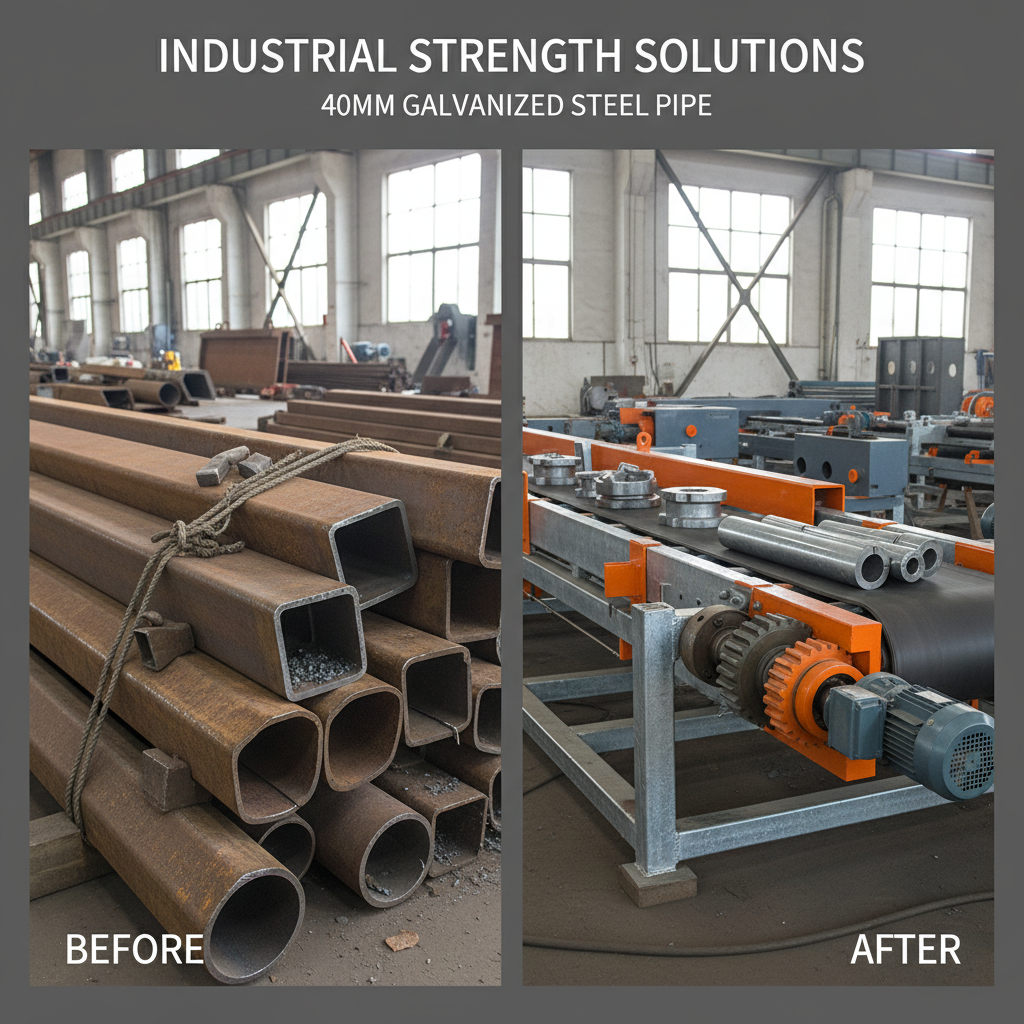
Comprehensive Guide to 40mm Metal Pipe Applications and Sourcing

40mm metal pipe is a crucial component in a wide array of industries, from construction and plumbing to industrial manufacturing and fluid transport. Its strength, durability, and versatility make it a preferred material for countless applications. This article will delve into the specifics of 40mm metal pipe, exploring its various types, common uses, benefits, and where to source high-quality piping solutions.
Comprehensive Guide to 40mm Galvanised Pipe Applications and Specifications

Comprehensive Guide to 40mm Galvanised Pipe Applications and Specifications

When planning a plumbing, structural, or industrial project, selecting the right piping material is crucial. 40mm galvanised pipe is a widely used option known for its strength, durability, and corrosion resistance. This article provides a detailed overview of 40mm galvanised pipes, exploring their applications, benefits, specifications, and considerations for optimal usage. We'll cover everything from what galvanisation is to how to choose the right pipe for your specific needs.
tel email tel top

Hvis du er interesseret i vores produkter, kan du vælge at efterlade dine oplysninger her, så kontakter vi dig snarest.