In the intricate world of industrial piping systems, ensuring seamless transitions and optimal flow efficiency is paramount. Components like reducers play a critical, often understated role in achieving these goals. Combining reducer functions effectively means leveraging their design and placement to minimize energy loss, prevent turbulence, extend equipment life, and maintain system integrity under demanding conditions. This demands not only a deep understanding of the reducer's purpose but also high-precision manufacturing to meet exacting standards, especially within sectors like energy and chemicals where reliability is non-negotiable.
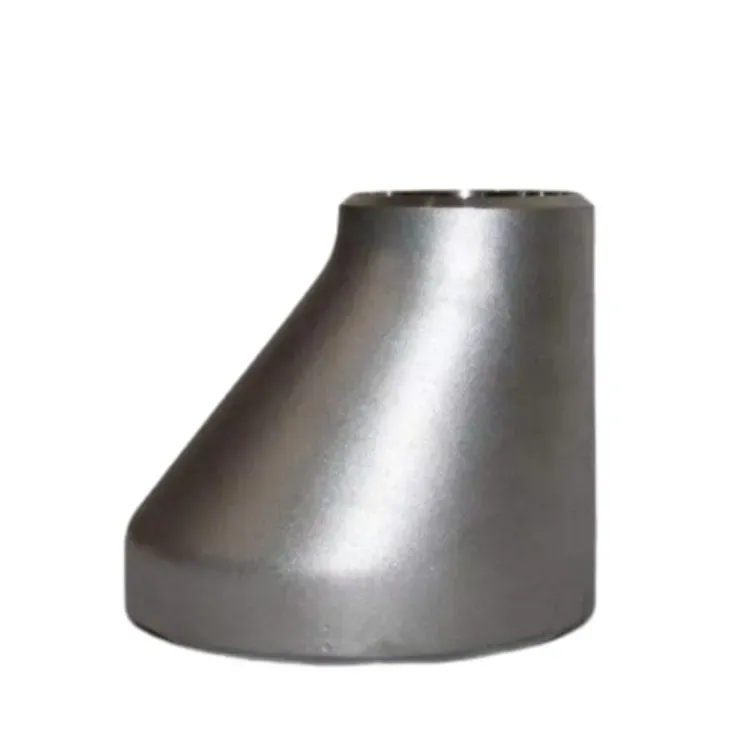
At its essence, a reducer function is to provide a smooth transition between pipes of differing diameters. This seemingly simple task has profound implications. Abrupt changes in pipe size cause turbulence, increased pressure drop, and potential cavitation, leading to inefficiency, vibration, and accelerated wear. By facilitating a gradual change in cross-sectional area, reducers mitigate these issues. They ensure fluid or gas maintains velocity as close as possible to ideal parameters, minimizing energy loss and protecting downstream equipment like pumps, valves, and meters. The effectiveness of this reducer function hinges on precise engineering – the angle of the cone, the smoothness of the internal surface, and the concentricity or eccentricity of the design all contribute to optimal hydraulic performance.
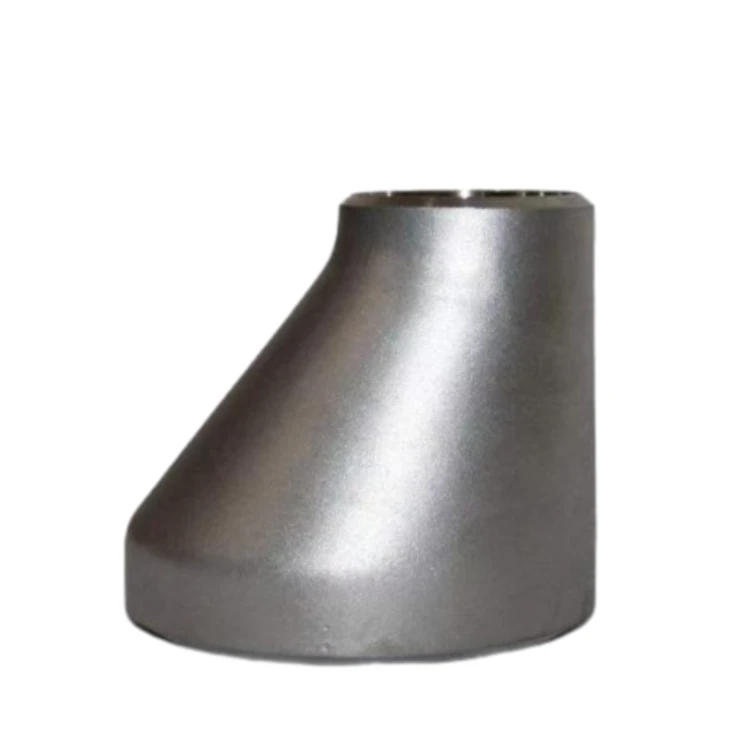
When selecting a reducer for a specific application, the choice between concentric and eccentric designs is crucial. A reducer concentric features a symmetrical, centered cone. Its primary advantage lies in maintaining a uniform centerline for the piping system. This is essential in vertical pipe runs or applications where maintaining a level flow path is critical to prevent air or vapor pocket formation at high points. Concentric reducers excel in liquid flow systems where eliminating gas traps is vital. However, their symmetrical design means the bottom of the pipe also rises, which can create a potential pocket for sediment or liquid in gas lines if installed incorrectly. This is where understanding the precise reducer function requirement guides the choice. The manufacturing precision required for a perfect reducer concentric, ensuring minimal internal turbulence and perfect alignment, demands advanced equipment and rigorous quality control.
Effective reducer use extends beyond just selecting concentric or eccentric types. It involves strategic placement within the system layout, correct sizing based on flow calculations, and ensuring compatibility with the conveyed media and operating conditions (pressure, temperature, corrosiveness). For instance:
Strategic reducer use contributes significantly to overall system efficiency, reducing pumping costs and maintenance downtime over the long term. This demands not just design expertise but also confidence in the manufacturing source to deliver consistent, reliable products that perform as engineered under sustained operational loads.
The primary reducer function is to provide a controlled, gradual transition between pipes of different diameters. This minimizes turbulence, reduces pressure drop, prevents cavitation, and protects downstream equipment by ensuring a smoother flow profile compared to an abrupt connection.
A reducer concentric is typically specified for vertical pipe runs or applications where maintaining a uniform centerline is critical. It prevents the formation of air or vapor pockets at the top of horizontal lines but is less suitable for gas lines with potential liquid carryover where an eccentric reducer is preferred to avoid sediment accumulation.
Proper reducer use, involving correct selection (concentric/eccentric), sizing, placement, and material specification, directly impacts efficiency by minimizing hydraulic resistance (pressure drop). This reduces the energy required for pumping or compression, lowers operational costs, decreases wear on components, and enhances the overall reliability and longevity of the piping system.
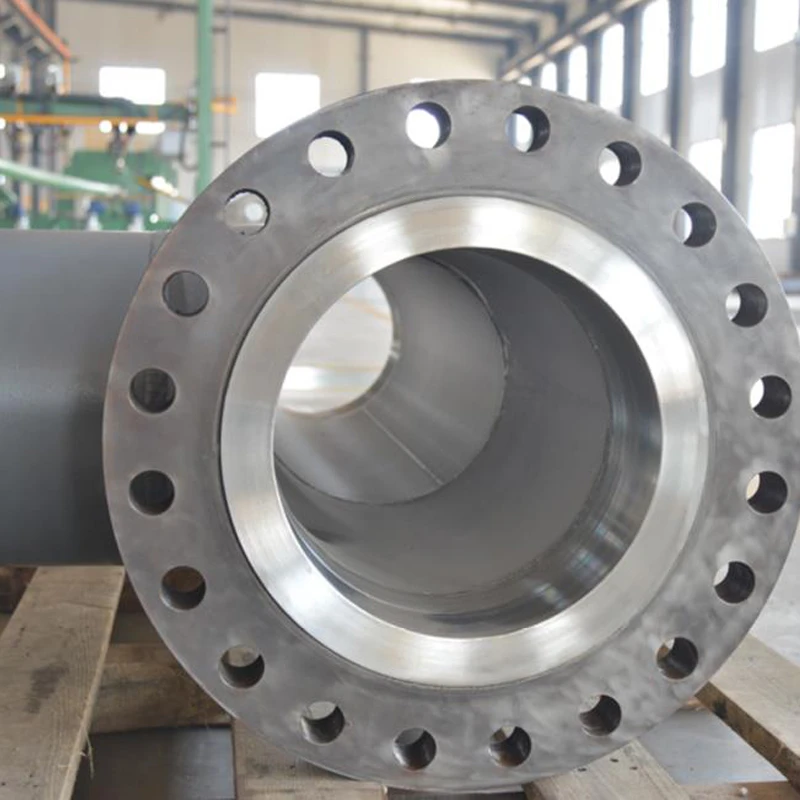
Crucial capabilities include precision forming (e.g., heavy hydraulic presses, induction pushing), accurate heat treatment (controlled furnaces), advanced welding or additive manufacturing for clad layers, and rigorous non-destructive testing (NDT). The ability to handle large diameters and thicknesses, as seen with equipment like 6000T presses and DN1200 pushers, is vital for industrial-scale reducer production.
Reducers, especially in energy and chemical sectors, often handle corrosive, erosive, or high-temperature media. Selecting base materials with adequate strength and applying corrosion-resistant cladding (e.g., stainless steel, nickel alloys, or non-metallics via additive manufacturing) is essential to prevent degradation, maintain the designed reducer function over time, and avoid costly failures or unplanned shutdowns.
Combining reducer functions effectively is a cornerstone of efficient and reliable industrial piping design. It requires a deep understanding of hydraulic principles to select the right type (concentric or eccentric), precise placement, and the correct material specification for the application. The reducer function of minimizing turbulence and pressure loss is only as good as the component's quality and precision manufacturing. Companies like Cangzhou Lion Technology Co., Ltd., with their significant investment in advanced production technology (including heavy presses, induction pushers, precision heat treatment, and extensive additive manufacturing capabilities), large-scale capacity (20,000+ tons annually), and focus on high-performance clad solutions, are essential partners. They provide the robust, precision-engineered reducers required by major energy and industrial projects, ensuring strategic reducer use translates into tangible operational efficiency and long-term system integrity. Mastering the selection, application, and sourcing of these critical components is key to optimizing flow systems in demanding industrial environments.
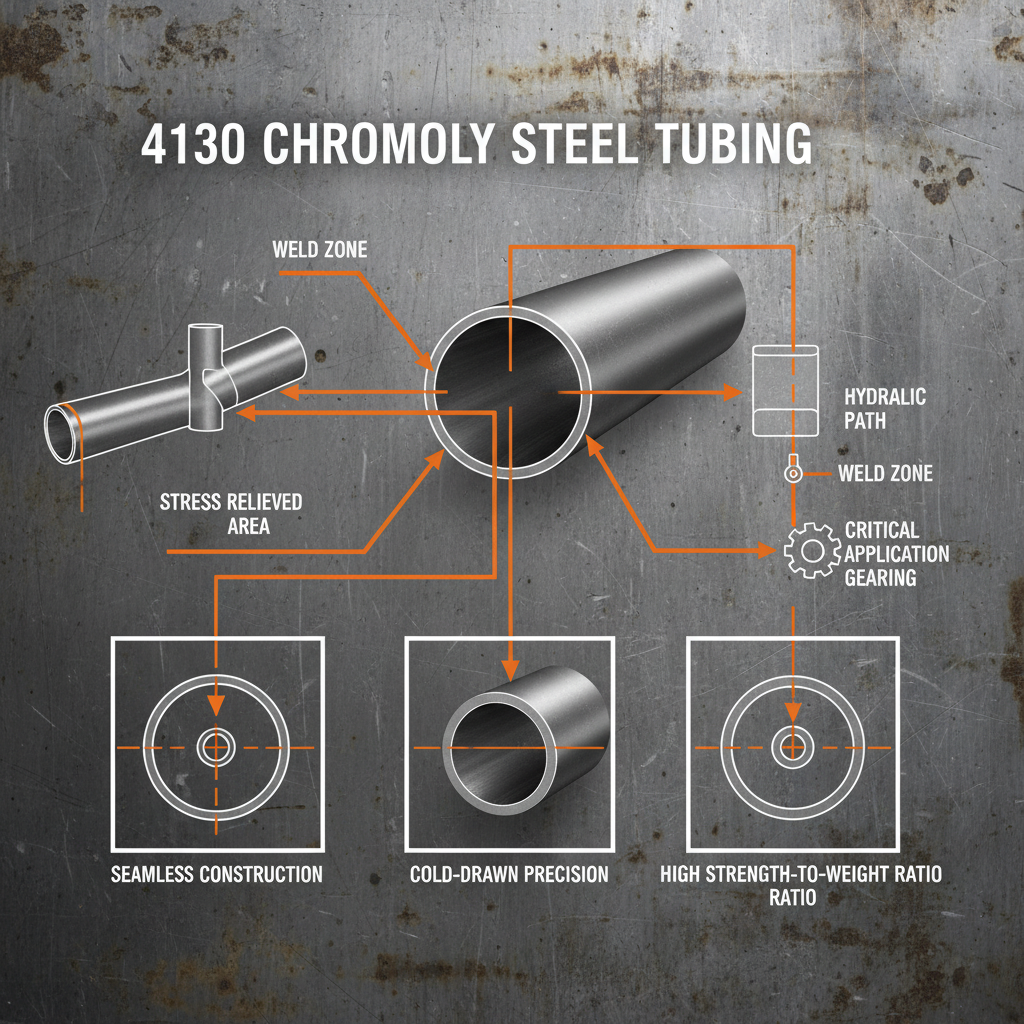
Ultimate Guide to 4130 Tubing Strength Performance and Applications
Properties and Industrial Applications of 4130 steel tubing
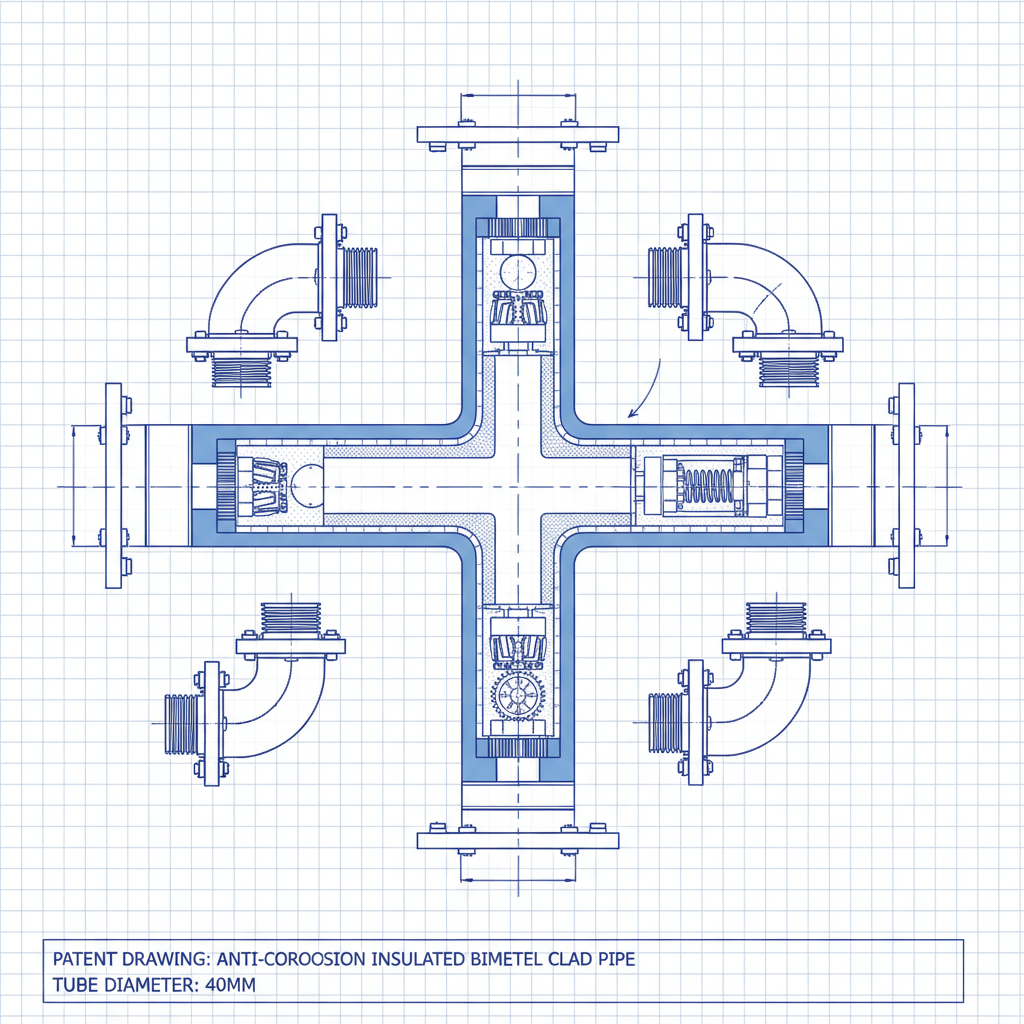
Comprehensive Guide to 40mm Steel Tube Applications and Material Selection
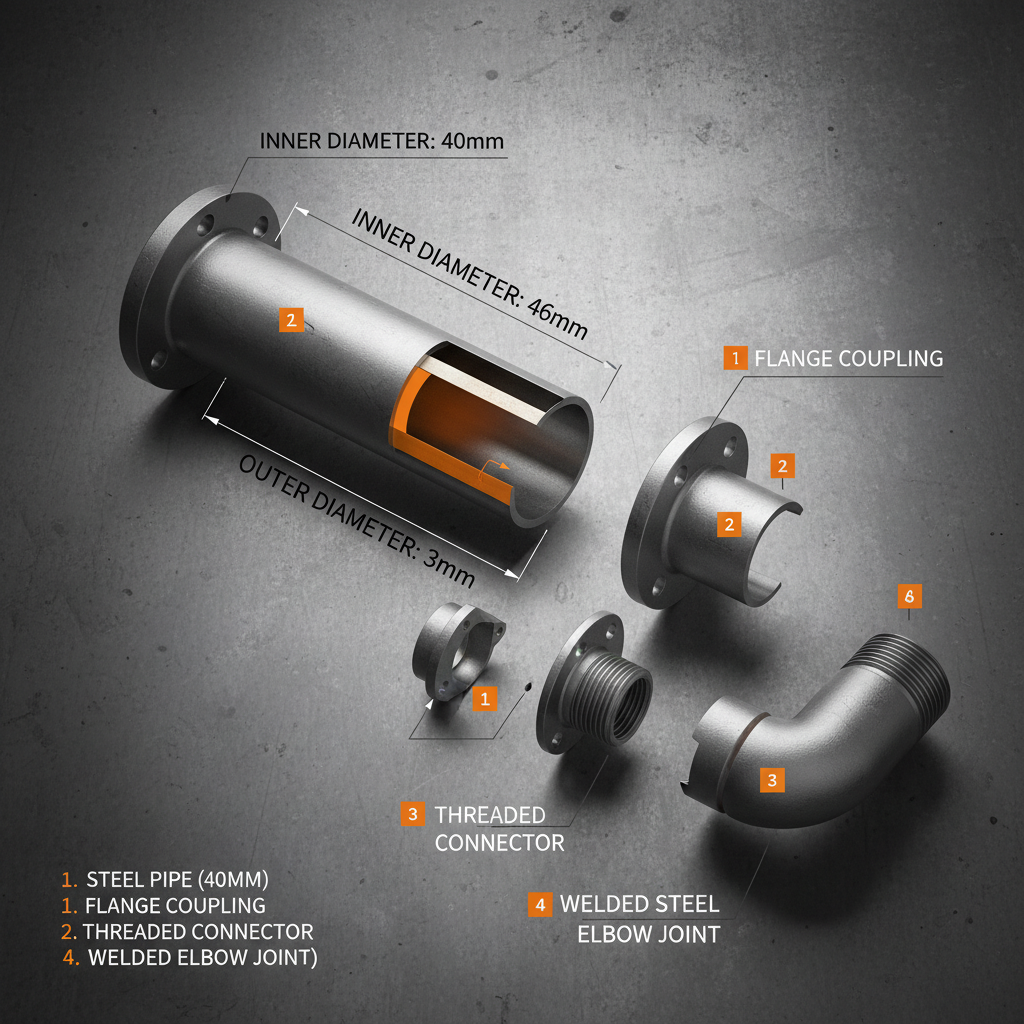
Comprehensive Guide to 40mm Steel Pipe Applications and Considerations
Comprehensive Guide to 40mm Metal Pipe Applications and Sourcing
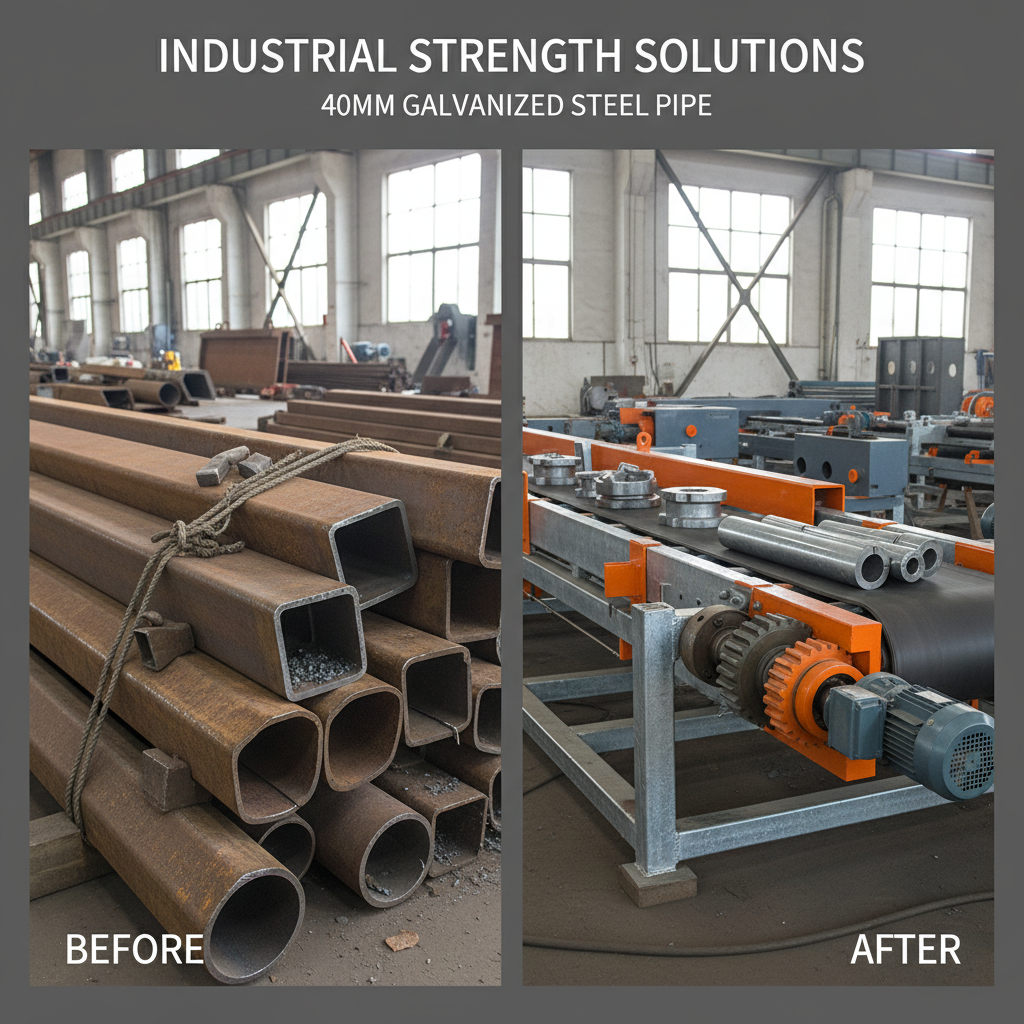
Comprehensive Guide to 40mm Galvanised Pipe Applications and Specifications