tel
Email
to top

Combining Reducer Functions Effectively in Industrial Flow Systems

Zář 09 2025
podíl:

In the intricate world of industrial piping systems, ensuring seamless transitions and optimal flow efficiency is paramount. Components like reducers play a critical, often understated role in achieving these goals. Combining reducer functions effectively means leveraging their design and placement to minimize energy loss, prevent turbulence, extend equipment life, and maintain system integrity under demanding conditions. This demands not only a deep understanding of the reducer's purpose but also high-precision manufacturing to meet exacting standards, especially within sectors like energy and chemicals where reliability is non-negotiable.
 

Combining Reducer Functions Effectively in Industrial Flow Systems


Understanding Core Reducer Functions in System Design


At its essence, a reducer function is to provide a smooth transition between pipes of differing diameters. This seemingly simple task has profound implications. Abrupt changes in pipe size cause turbulence, increased pressure drop, and potential cavitation, leading to inefficiency, vibration, and accelerated wear. By facilitating a gradual change in cross-sectional area, reducers mitigate these issues. They ensure fluid or gas maintains velocity as close as possible to ideal parameters, minimizing energy loss and protecting downstream equipment like pumps, valves, and meters. The effectiveness of this reducer function hinges on precise engineering – the angle of the cone, the smoothness of the internal surface, and the concentricity or eccentricity of the design all contribute to optimal hydraulic performance.


Precision Matters: The Critical Role of Reducer Concentric


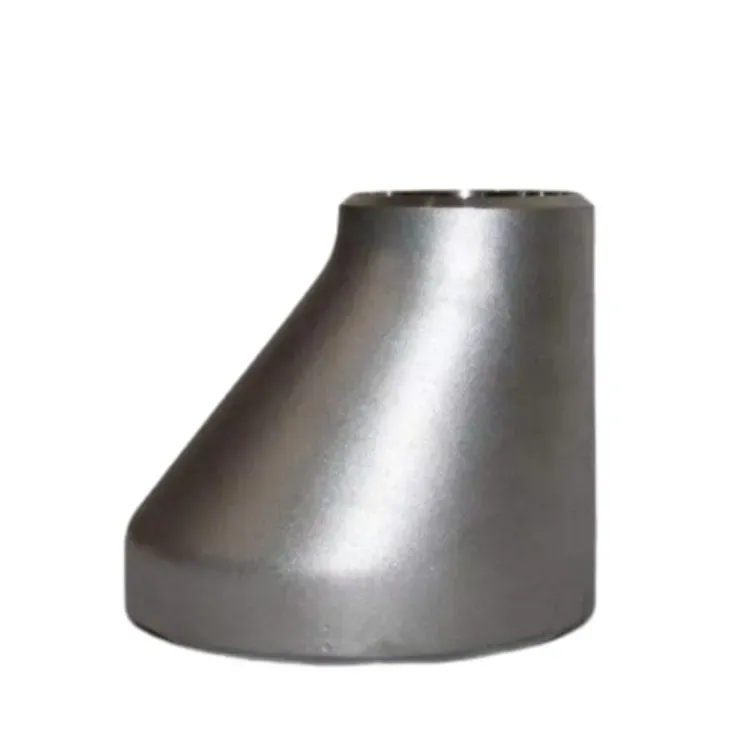
When selecting a reducer for a specific application, the choice between concentric and eccentric designs is crucial. A reducer concentric features a symmetrical, centered cone. Its primary advantage lies in maintaining a uniform centerline for the piping system. This is essential in vertical pipe runs or applications where maintaining a level flow path is critical to prevent air or vapor pocket formation at high points. Concentric reducers excel in liquid flow systems where eliminating gas traps is vital. However, their symmetrical design means the bottom of the pipe also rises, which can create a potential pocket for sediment or liquid in gas lines if installed incorrectly. This is where understanding the precise reducer function requirement guides the choice. The manufacturing precision required for a perfect reducer concentric, ensuring minimal internal turbulence and perfect alignment, demands advanced equipment and rigorous quality control.


Optimizing System Performance Through Strategic Reducer Use


Effective reducer use extends beyond just selecting concentric or eccentric types. It involves strategic placement within the system layout, correct sizing based on flow calculations, and ensuring compatibility with the conveyed media and operating conditions (pressure, temperature, corrosiveness). For instance:

  • Placing reducers sufficiently upstream of sensitive equipment like flow meters or control valves ensures stable flow profiles reach them.
  • Specifying the correct cone angle balances the need for gradual transition against space constraints; steeper angles increase turbulence risk.
  • Selecting the appropriate material and lining is critical, especially for corrosive or abrasive media common in chemical processing or energy extraction.

Strategic reducer use contributes significantly to overall system efficiency, reducing pumping costs and maintenance downtime over the long term. This demands not just design expertise but also confidence in the manufacturing source to deliver consistent, reliable products that perform as engineered under sustained operational loads.


FAQs About Industrial Reducers


What is the primary reducer function in a piping system?


The primary reducer function is to provide a controlled, gradual transition between pipes of different diameters. This minimizes turbulence, reduces pressure drop, prevents cavitation, and protects downstream equipment by ensuring a smoother flow profile compared to an abrupt connection.


When should a reducer concentric design be specified?


reducer concentric is typically specified for vertical pipe runs or applications where maintaining a uniform centerline is critical. It prevents the formation of air or vapor pockets at the top of horizontal lines but is less suitable for gas lines with potential liquid carryover where an eccentric reducer is preferred to avoid sediment accumulation.


How does proper reducer use impact overall system efficiency?


Proper reducer use, involving correct selection (concentric/eccentric), sizing, placement, and material specification, directly impacts efficiency by minimizing hydraulic resistance (pressure drop). This reduces the energy required for pumping or compression, lowers operational costs, decreases wear on components, and enhances the overall reliability and longevity of the piping system.


What manufacturing capabilities are crucial for high-performance reducers?


Crucial capabilities include precision forming (e.g., heavy hydraulic presses, induction pushing), accurate heat treatment (controlled furnaces), advanced welding or additive manufacturing for clad layers, and rigorous non-destructive testing (NDT). The ability to handle large diameters and thicknesses, as seen with equipment like 6000T presses and DN1200 pushers, is vital for industrial-scale reducer production.


Why is material selection, including cladding, important for reducer longevity?


Reducers, especially in energy and chemical sectors, often handle corrosive, erosive, or high-temperature media. Selecting base materials with adequate strength and applying corrosion-resistant cladding (e.g., stainless steel, nickel alloys, or non-metallics via additive manufacturing) is essential to prevent degradation, maintain the designed reducer function over time, and avoid costly failures or unplanned shutdowns.


Combining reducer functions effectively is a cornerstone of efficient and reliable industrial piping design. It requires a deep understanding of hydraulic principles to select the right type (concentric or eccentric), precise placement, and the correct material specification for the application. The reducer function of minimizing turbulence and pressure loss is only as good as the component's quality and precision manufacturing. Companies like Cangzhou Lion Technology Co., Ltd., with their significant investment in advanced production technology (including heavy presses, induction pushers, precision heat treatment, and extensive additive manufacturing capabilities), large-scale capacity (20,000+ tons annually), and focus on high-performance clad solutions, are essential partners. They provide the robust, precision-engineered reducers required by major energy and industrial projects, ensuring strategic reducer use translates into tangible operational efficiency and long-term system integrity. Mastering the selection, application, and sourcing of these critical components is key to optimizing flow systems in demanding industrial environments.
  • Anti Corrosion And Thermal Insulation Products

    Antikorozní a tepelně izolační výrobky
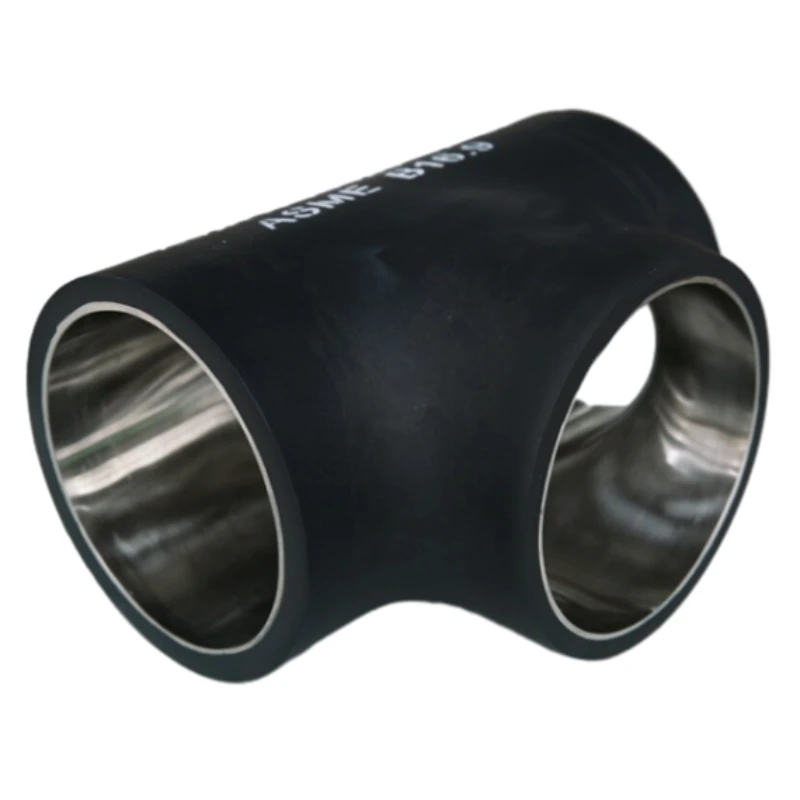
    Antikorozní a tepelně izolační výrobky, na které se zaměřujeme, hrají v průmyslovém potrubním systému klíčovou roli, zejména tepelně izolační potrubní tvarovky a ocelové trubky. Tepelně izolační potrubní tvarovky pokrývají kolena, T-kusy, redukce a podpěry potrubí se specifikacemi od DN15 do DN1800 a jsou vyrobeny z uhlíkové oceli, legované oceli, nerezové oceli, bimetalového kompozitu, slitiny na bázi niklu a dalších materiálů.
    ZOBRAZIT VŠE
  • Tee Pipe

    Trubka odpaliště

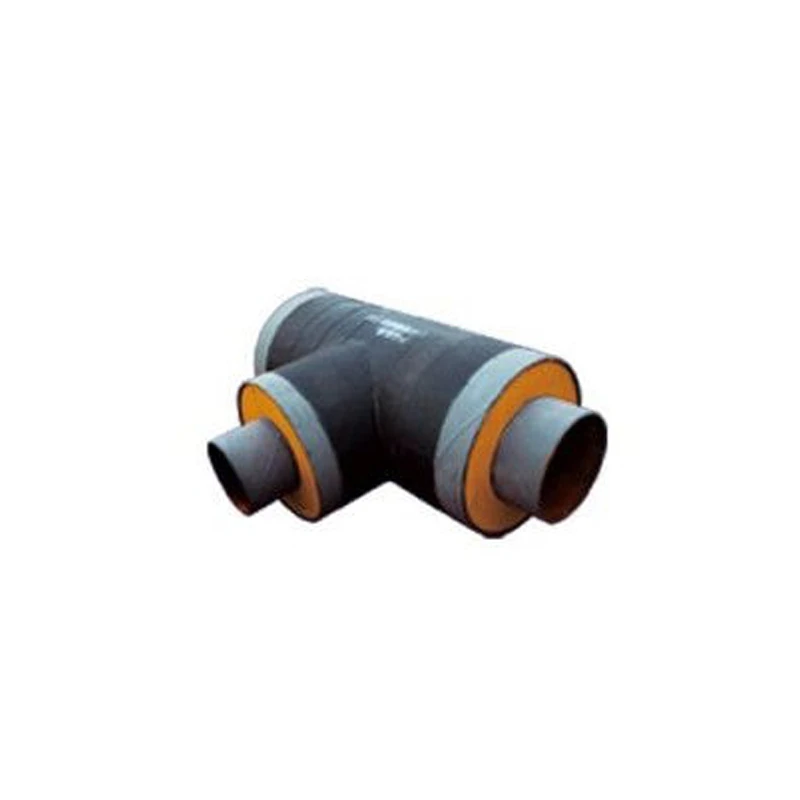
    Tee products are essential pipe fittings used to connect three sections of piping, forming a "T" shape. Available in various materials like carbon steel, stainless steel, and alloy steel, they are designed for use in systems requiring the diversion or junction of fluid flow.
    ZOBRAZIT VŠE
  • Overlay Welding Clad Steel Pipe

    Overlay Welding Clad Steel Pipe

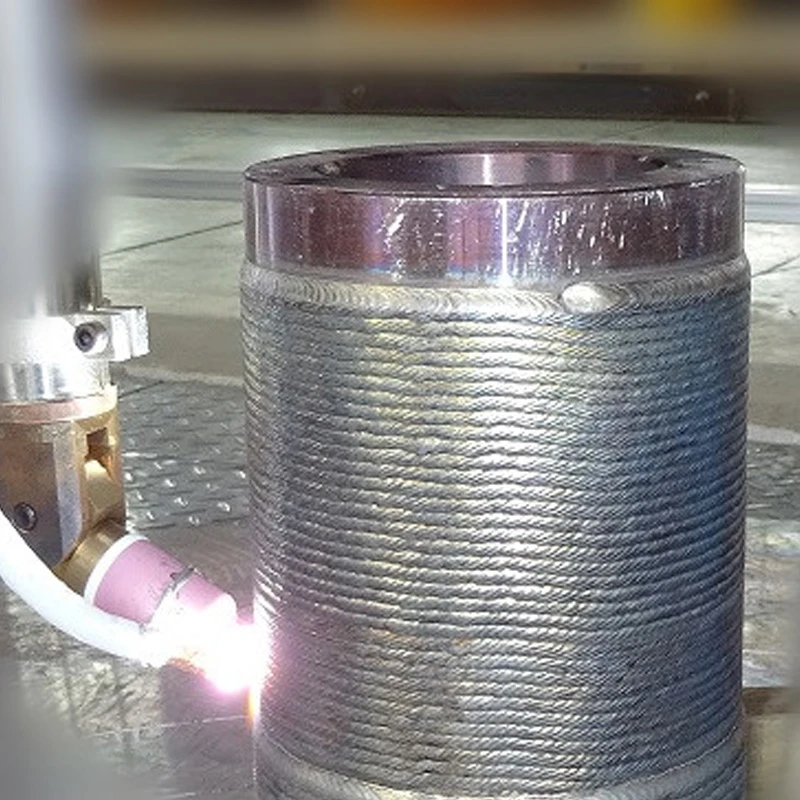
    Overlay Welding clad Steel Pipe features a high-performance welded overlay that enhances the pipe’s surface properties, providing superior resistance to corrosion, erosion, and wear. This process involves applying a wear-resistant alloy layer over a strong steel base, making it ideal for industries such as oil and gas, mining, and chemical processing, where pipes are exposed to harsh conditions. The overlay ensures extended service life, reduced maintenance costs, and reliable performance even in extreme environments. With its combination of strength, durability, and corrosion resistance, the Overlay Welding Steel Pipe is a trusted solution for critical applications.
    ZOBRAZIT VŠE
Vytvářet hodnotu pro zákazníky!
Cangzhou Leo Technology Co., Ltd. se nachází v zóně hospodářského rozvoje okresu Mengcun, město Cangzhou, provincie Hebei. Jedná se o specializovaný high-tech podnik, který integruje výzkum a vývoj, výrobu a prodej kompozitních trubek a tvarovek.
Zprávy
Společnost považuje kvalitu produktů za život podniku, zavádí řádný systém řízení kvality v souladu s požadavky průmyslových a národních norem, kontroluje všechny aspekty vstupu a výstupu v celém procesu, věnuje pozornost každému detailu a zajišťuje, že rychlost dodávky produktu je 100%.
Ultimate Guide to 4130 Tubing Strength Performance and Applications
Ultimate Guide to 4130 Tubing Strength Performance and Applications

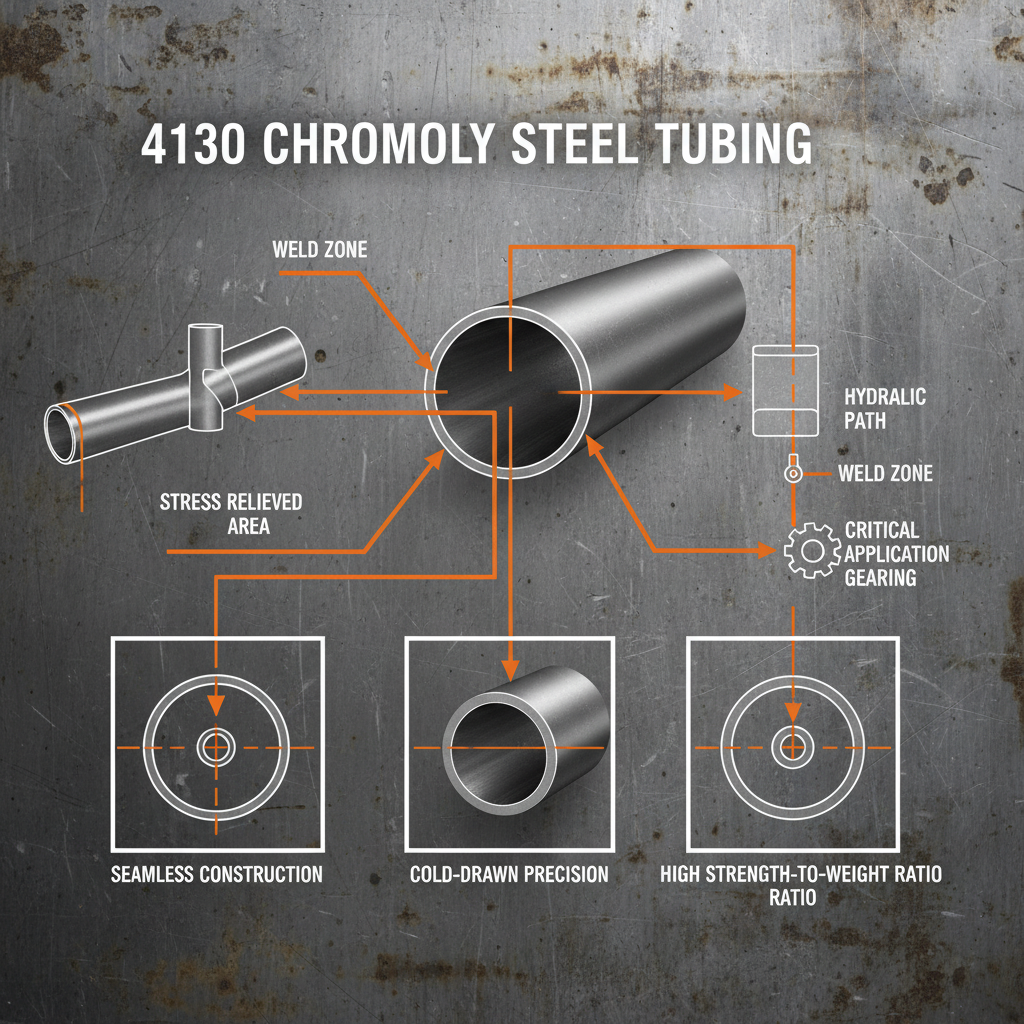
In the world of high-performance engineering, material selection is the foundation of safety and efficiency. 4130 tubing is widely regarded as the gold standard for applications requiring an exceptional strength-to-weight ratio. This chrome-molybdenum alloy steel is engineered to withstand extreme stress while remaining lightweight enough for aerospace and automotive use. Whether you are designing a roll cage, a bicycle frame, or a critical industrial component, understanding the nuances of this material is essential. In this comprehensive guide, we will explore why this specific alloy is preferred by engineers worldwide and how to choose the right specifications for your project.
Properties and Industrial Applications of 4130 steel tubing
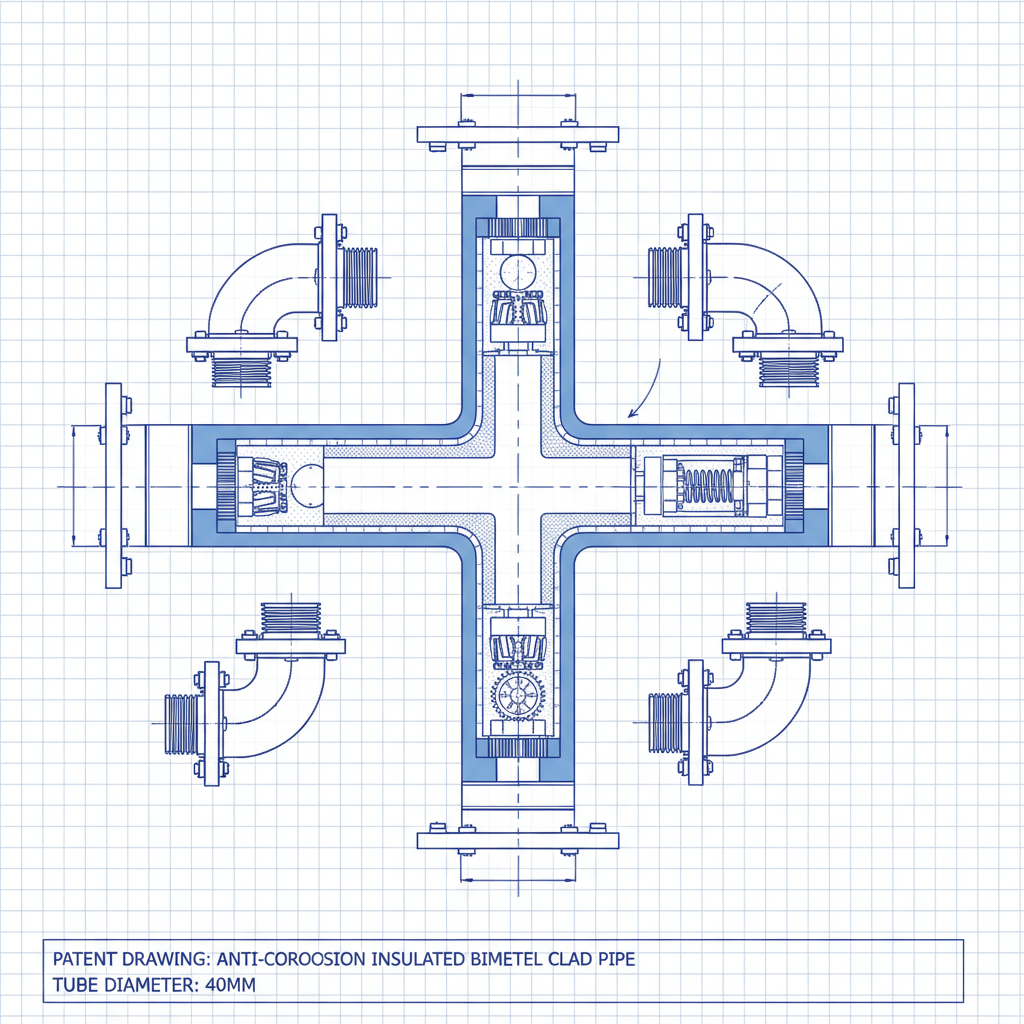
Properties and Industrial Applications of 4130 steel tubing

In the world of high-performance engineering, material selection is the foundation of safety and efficiency. 4130 steel tubing is widely recognized as the gold standard for applications requiring an exceptional strength-to-weight ratio. Known for its versatility and reliability, this chromium-molybdenum alloy is the preferred choice for everything from aircraft frames to professional roll cages. Understanding the nuances of this material allows engineers to optimize structural integrity without adding unnecessary bulk. In this comprehensive guide, we will explore why this specific alloy remains a top choice for critical industrial and aerospace components.
Comprehensive Guide to 40mm Steel Tube Applications and Material Selection
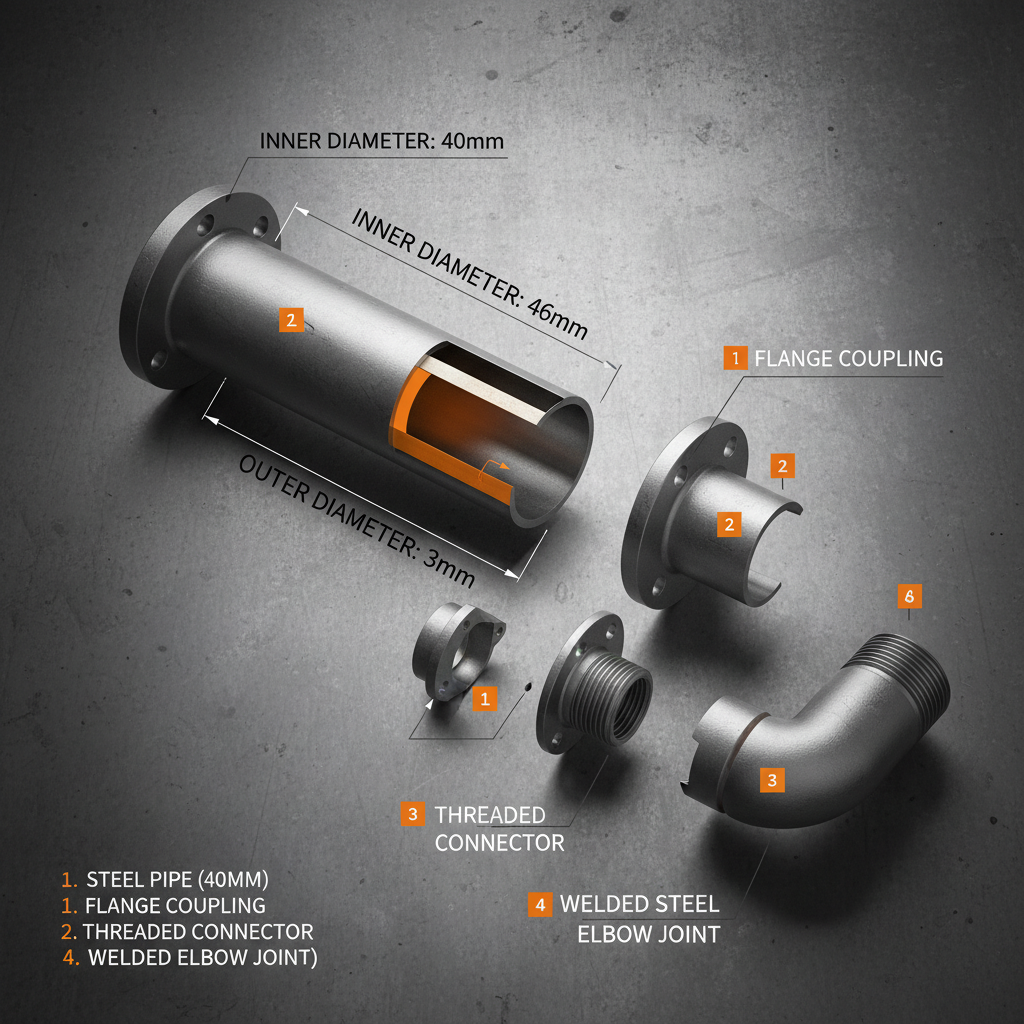
Comprehensive Guide to 40mm Steel Tube Applications and Material Selection

40mm steel tube is a versatile and widely used material in various industries, from construction and manufacturing to automotive and beyond. Its strength, durability, and cost-effectiveness make it an ideal choice for numerous applications. This article will delve into the characteristics, applications, benefits, and considerations when working with 40mm steel tube, providing a comprehensive overview for professionals and anyone interested in this essential material.
Comprehensive Guide to 40mm Steel Pipe Applications and Considerations
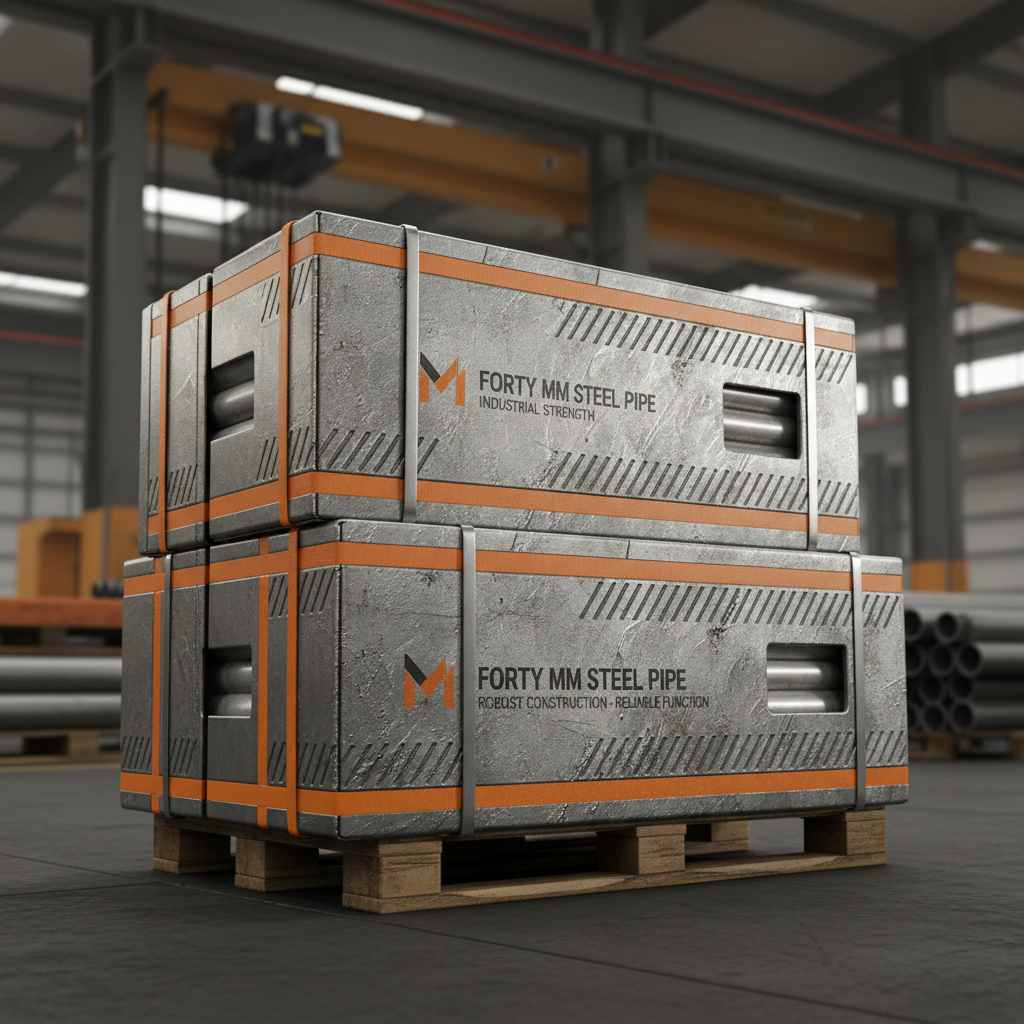
Comprehensive Guide to 40mm Steel Pipe Applications and Considerations

40mm steel pipe is a widely used material in various industries due to its strength, durability, and cost-effectiveness. From construction and infrastructure projects to industrial applications and fluid transportation, this pipe size offers a versatile solution. This article will delve into the properties, applications, standards, and key considerations when selecting 40mm steel pipe, helping you make informed decisions for your specific needs.
Comprehensive Guide to 40mm Metal Pipe Applications and Sourcing
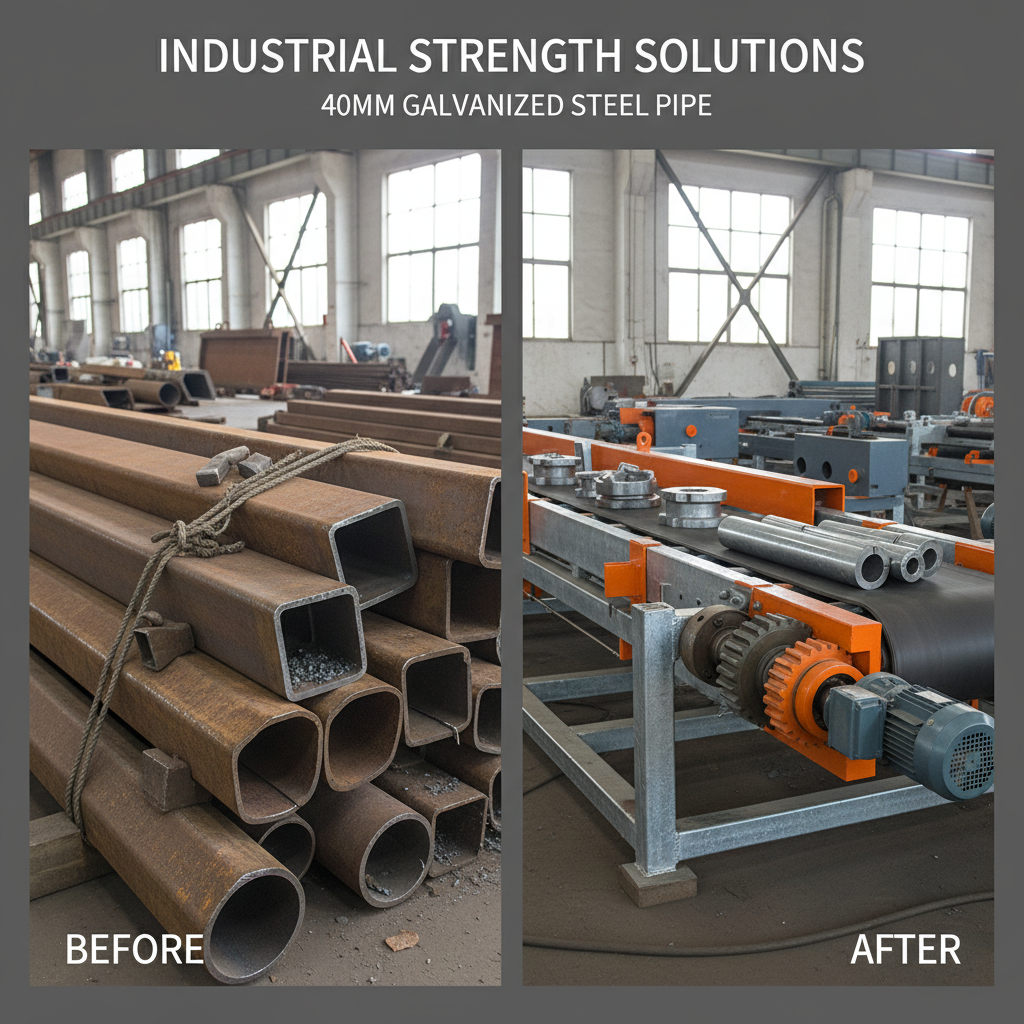
Comprehensive Guide to 40mm Metal Pipe Applications and Sourcing

40mm metal pipe is a crucial component in a wide array of industries, from construction and plumbing to industrial manufacturing and fluid transport. Its strength, durability, and versatility make it a preferred material for countless applications. This article will delve into the specifics of 40mm metal pipe, exploring its various types, common uses, benefits, and where to source high-quality piping solutions.
Comprehensive Guide to 40mm Galvanised Pipe Applications and Specifications

Comprehensive Guide to 40mm Galvanised Pipe Applications and Specifications

When planning a plumbing, structural, or industrial project, selecting the right piping material is crucial. 40mm galvanised pipe is a widely used option known for its strength, durability, and corrosion resistance. This article provides a detailed overview of 40mm galvanised pipes, exploring their applications, benefits, specifications, and considerations for optimal usage. We'll cover everything from what galvanisation is to how to choose the right pipe for your specific needs.
tel email tel top

Máte-li zájem o naše produkty, můžete zde nechat své údaje a my se vám brzy ozveme.