The relentless pursuit of renewable energy has propelled offshore wind farms to the forefront of global energy strategies. These colossal structures harness powerful ocean winds but face an unrelenting adversary: corrosion. The marine environment, with its salt spray, humidity, immersion, and microbial activity, is exceptionally aggressive towards metallic components. Within this critical infrastructure, pipeline systems – responsible for transporting cooling water, hydraulic fluids, firewater, and sometimes even compressed air – are vital arteries. Their failure due to corrosion can lead to catastrophic downtime, costly repairs, and significant environmental risks. Consequently, specifying and implementing robust anti corrosion pipe solutions is not merely an option; it is a fundamental engineering imperative for the safety, efficiency, and economic viability of offshore wind farms.
The corrosion mechanisms at play offshore are diverse and severe. Saltwater is highly conductive, accelerating electrochemical corrosion processes. Constant wave action and high flow rates cause erosion-corrosion, wearing away protective layers. Splash zones experience particularly high corrosion rates due to cyclic wetting and drying. Anaerobic conditions beneath marine growth or in sediments can foster microbiologically influenced corrosion (MIC). Traditional carbon steel pipes, unprotected, would rapidly succumb to these forces, leading to leaks and structural failures. This necessitates the deployment of specialized anti corrosion steel pipe systems engineered specifically to withstand these conditions over the project's multi-decade lifespan. Solutions range from highly alloyed materials to sophisticated composite structures and advanced protective coatings.
Selecting the right anti corrosion steel pipe for offshore wind applications involves evaluating several critical properties beyond basic strength:
Cangzhou Lion Technology Co., Ltd., located in the Mengcun County Economic Development Zone, Cangzhou City, Hebei Province, brings significant expertise to this domain. As a professional high-tech enterprise with a registered capital of 100.8 million yuan and a 75,000 square meter plant, they specialize in the R&D, production, and sales of clad pipes and fittings. Their designation as a supplier to major energy enterprise groups under the SASAC and their long-term technical collaborations with domestic research institutes underscore their capability. Their annual production capacity includes 20,000 tons of clad steel pipes, utilizing technologies like arc additive manufacturing and laser additive manufacturing for bimetallic clad pipes specifically applied in demanding energy and chemical sectors, including offshore environments. Their factory prefabrication capacity of 20,000 tons for bimetal and single-material pipes is crucial for efficient offshore project execution. Their arsenal includes over 200 sets of production and testing equipment, a 6000T heavy-duty hydraulic press, large induction pushers (DN1200, DN600, DN350), and large-scale natural gas heat treatment furnaces with precise temperature control (±10°C) and rapid quenching capabilities (30 seconds), alongside more than 100 sets of additive manufacturing equipment.
While material selection is paramount, anti corrosion pipe coating forms an essential, often multi-layered, defense system, especially for external surfaces and for carbon steel components:
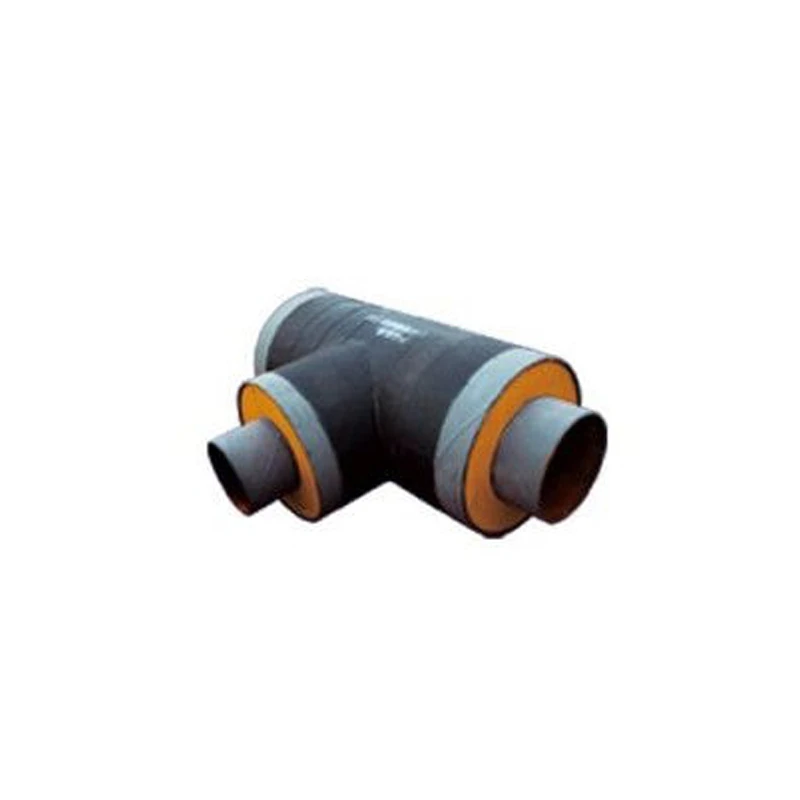
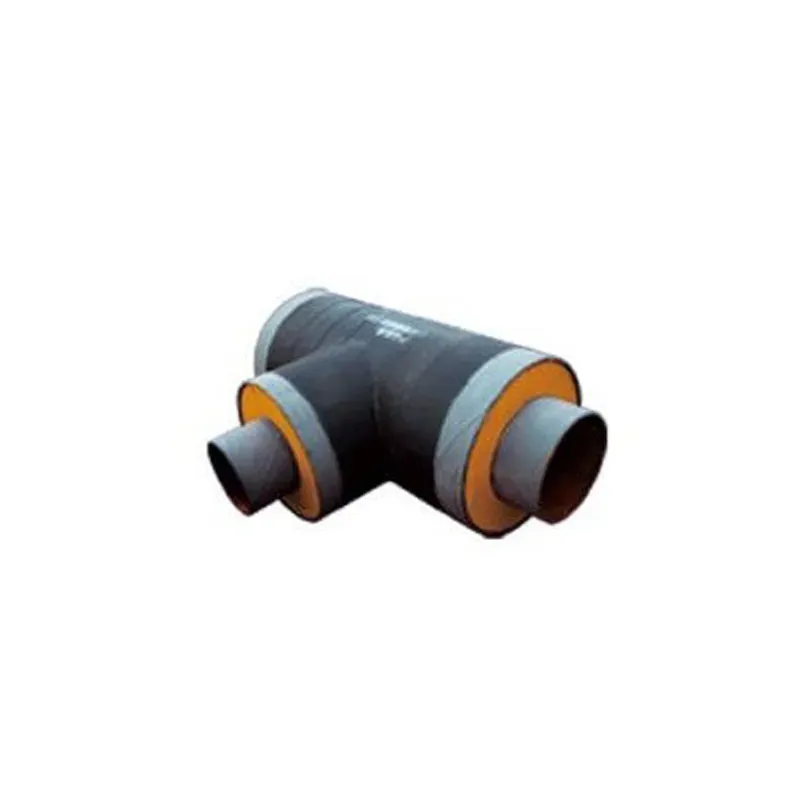
The anti-corrosion and thermal insulation products developed by manufacturers like Cangzhou Lion play a vital role in offshore pipeline integrity. While thermal insulation is less common in standard offshore wind internal piping than in oil & gas, it can be critical for specific fluid transport or firewater systems requiring freeze protection. Their thermal insulation pipe fittings (elbows, tees, reducers, pipe supports) in sizes from DN15 to DN1800, fabricated from materials like carbon steel, alloy steel, stainless steel, bimetallic composite, and nickel-based alloys, demonstrate the breadth of solutions available for complex offshore piping networks.
The primary drivers are the extremely aggressive marine environment (saltwater, humidity, immersion, MIC) and the criticality of pipeline systems for wind farm operation (cooling, hydraulics, fire protection). Failure due to corrosion leads to high costs, safety risks, and environmental hazards, demanding pipes built to last decades with minimal maintenance.
Clad or lined pipes combine the cost-effectiveness and structural strength of carbon steel outer layers with the superior corrosion resistance of an inner layer (stainless steel, nickel alloy, or non-metallic polymer). This provides optimal performance for corrosive internal fluids while managing project costs and ensuring mechanical integrity, making them a highly relevant solution where solid corrosion-resistant alloys are prohibitively expensive.
Anti corrosion pipe coating is the first line of defense, providing a physical barrier against corrosive elements. Advanced multi-layer coatings (like 3LPE/3LPP, TSA) offer critical protection against mechanical damage during installation and operation, enhance resistance to specific threats like abrasion or UV, and work synergistically with cathodic protection systems to ensure comprehensive, long-term integrity, especially for external surfaces and carbon steel components.
Rigorous QC is non-negotiable. It includes stringent material certification (chemistry, mechanical properties), thorough inspection of base material and clad/lining integrity (UT, RT, PMI), meticulous control of coating application (surface preparation, application parameters, thickness, adhesion, holiday detection), qualification of welding procedures and welder performance, and comprehensive testing of finished components (pressure testing, dimensional checks). Manufacturers require robust QA/QC systems certified to international standards.
Large-scale prefabrication allows for complex pipe spools and fittings (including elbows, tees, reducers) to be manufactured, clad/coated, and rigorously tested under controlled factory conditions. This minimizes costly and risky offshore welding and coating activities, significantly improves quality consistency, accelerates installation schedules, reduces weather-dependent delays, and enhances overall project safety and efficiency.
The success and longevity of offshore wind farms hinge on the reliability of every component, especially the pipelines hidden within the structures. Specifying and implementing effective anti corrosion pipe solutions – encompassing the right anti corrosion steel pipe materials (including advanced clad/liner technologies), sophisticated anti corrosion pipe coating systems, and rigorous quality control – is paramount. Meeting the stringent demands of the marine environment requires partnering with experienced manufacturers possessing the technical expertise, advanced production capabilities (such as large-scale additive manufacturing, clad production, and prefabrication), and robust quality assurance systems. Companies like Cangzhou Lion Technology Co., Ltd., with their significant investment in technology, production capacity, and focus on solutions like bimetallic clad pipes and lined products, are vital contributors to building the durable and resilient offshore energy infrastructure needed for a sustainable future. The relentless marine environment demands nothing less than the highest standards in corrosion protection engineering.
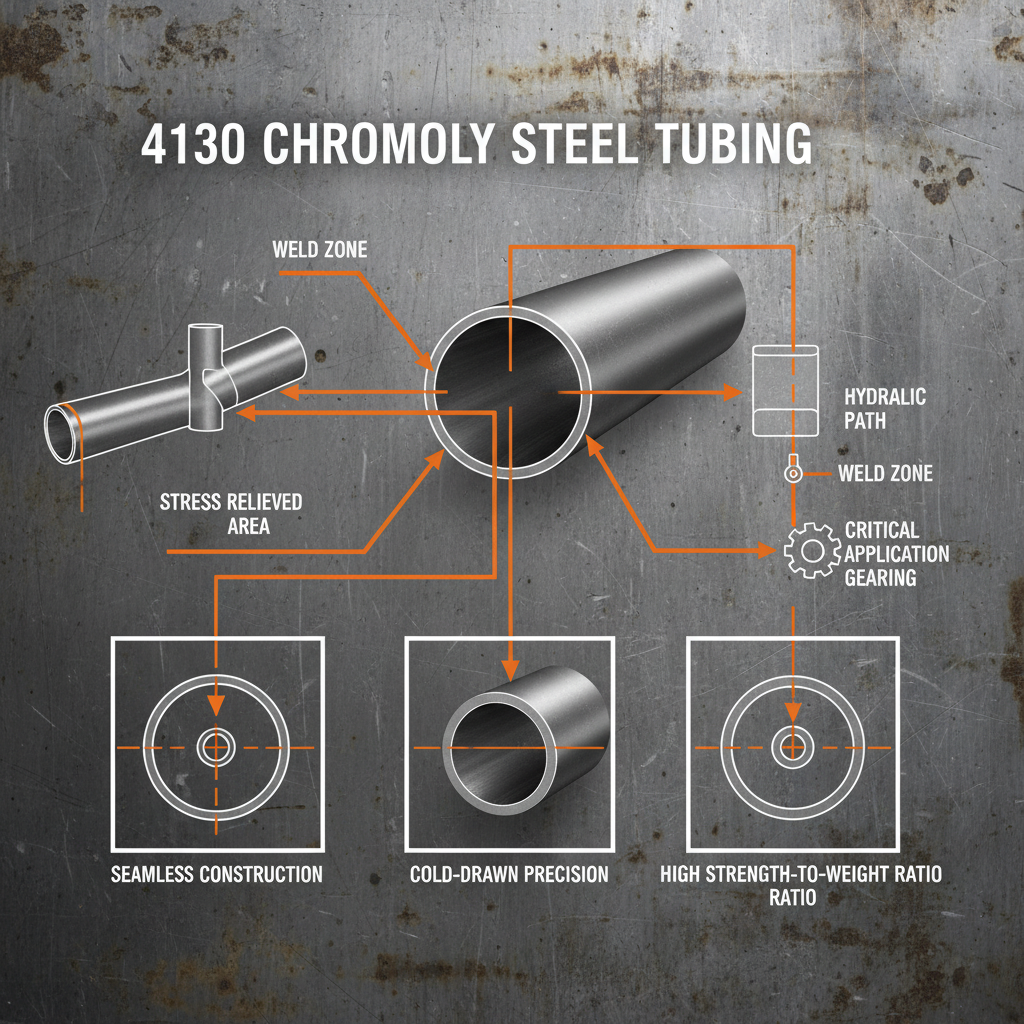
Ultimate Guide to 4130 Tubing Strength Performance and Applications
Properties and Industrial Applications of 4130 steel tubing
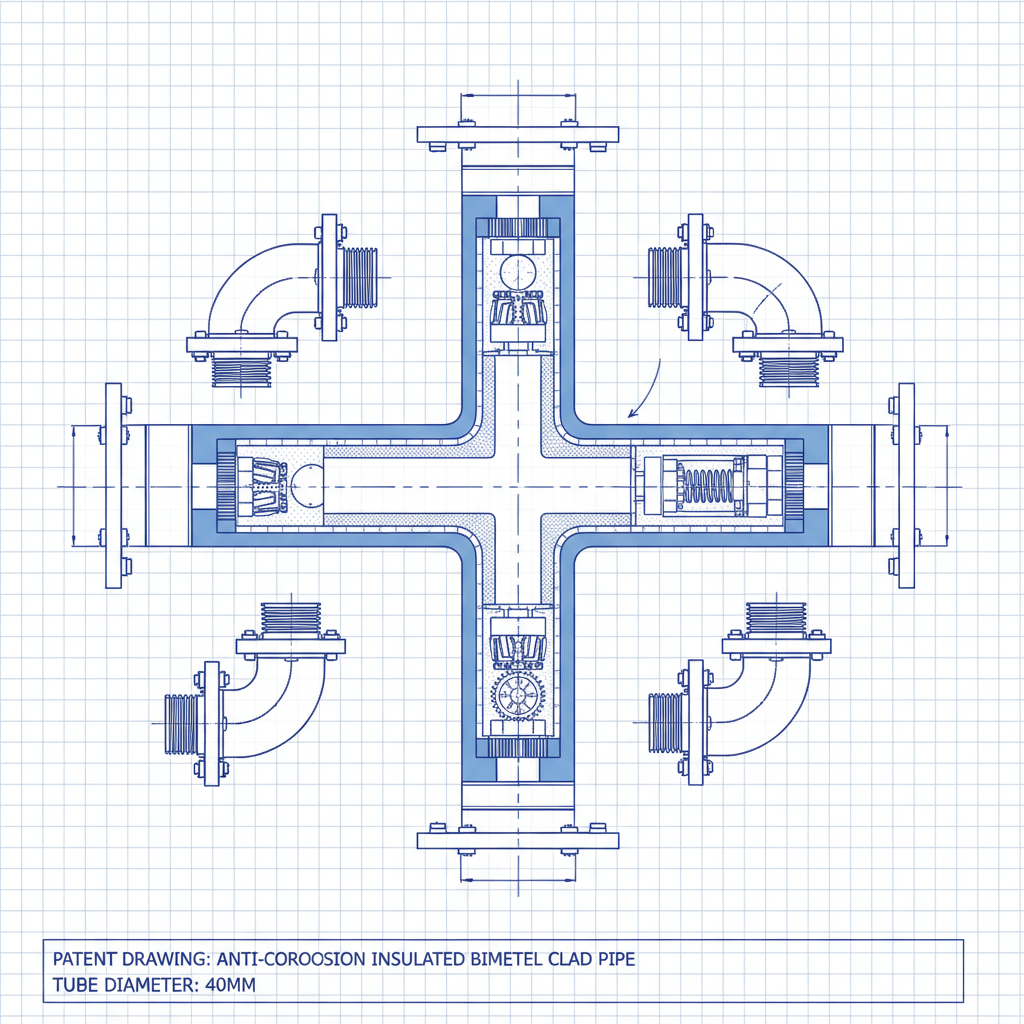
Comprehensive Guide to 40mm Steel Tube Applications and Material Selection
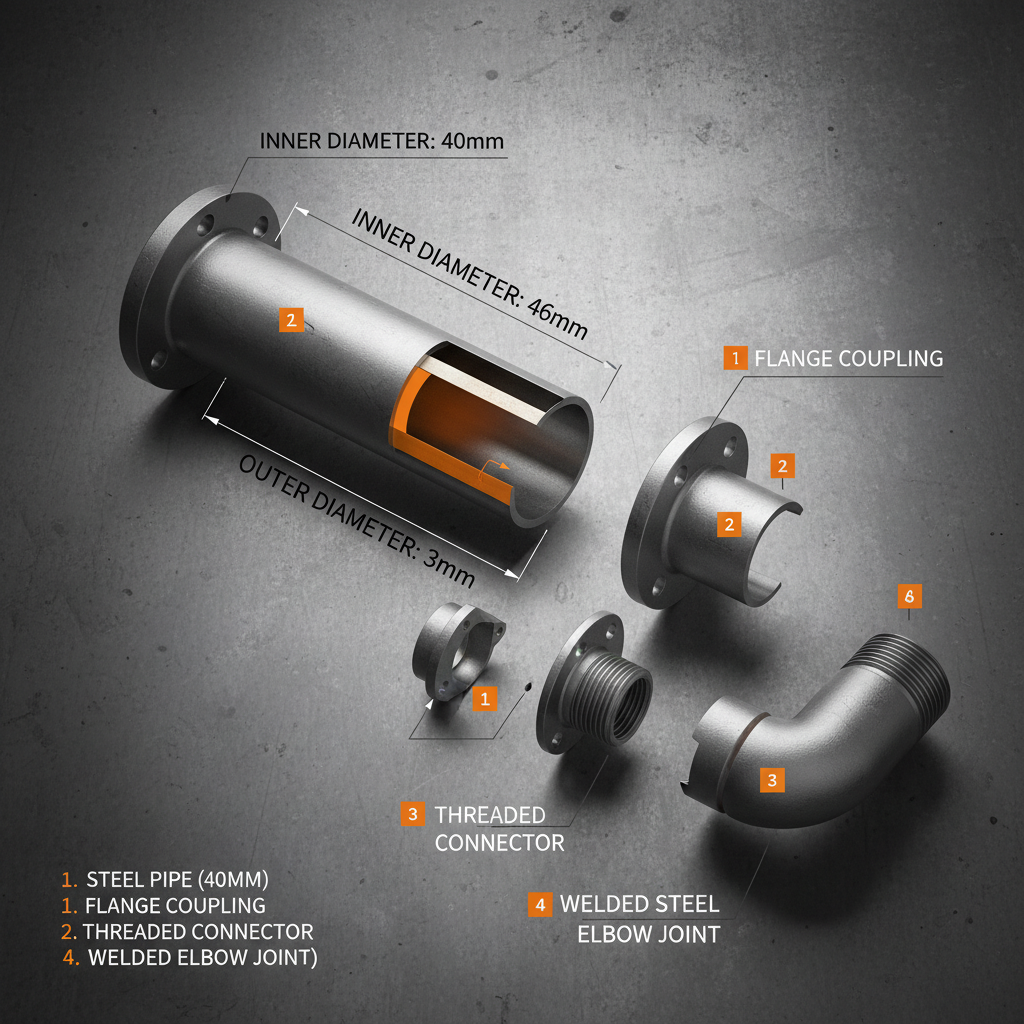
Comprehensive Guide to 40mm Steel Pipe Applications and Considerations
Comprehensive Guide to 40mm Metal Pipe Applications and Sourcing
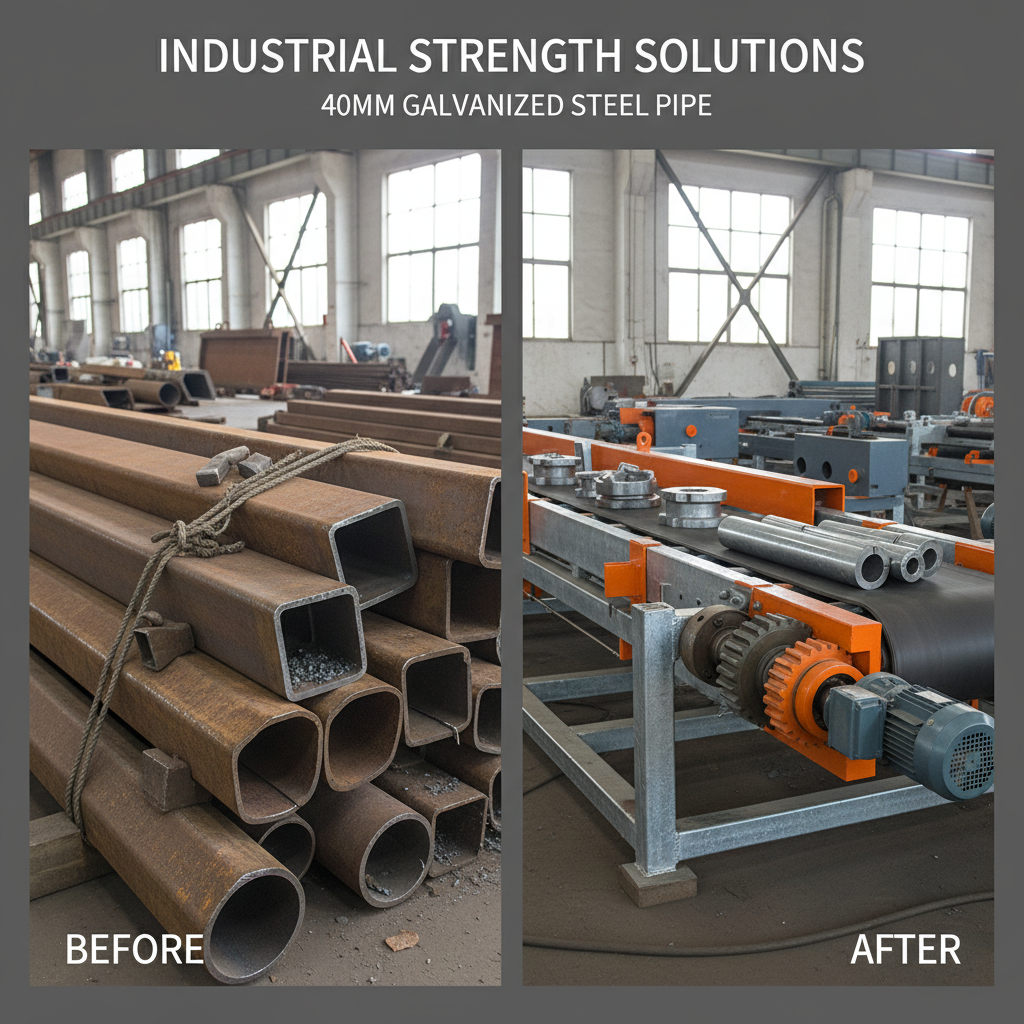
Comprehensive Guide to 40mm Galvanised Pipe Applications and Specifications