tel
Email
to top

Anti Corrosion Pipe Requirements in Offshore Wind Farms

szept 09 2025
részesedés:

The relentless pursuit of renewable energy has propelled offshore wind farms to the forefront of global energy strategies. These colossal structures harness powerful ocean winds but face an unrelenting adversary: corrosion. The marine environment, with its salt spray, humidity, immersion, and microbial activity, is exceptionally aggressive towards metallic components. Within this critical infrastructure, pipeline systems – responsible for transporting cooling water, hydraulic fluids, firewater, and sometimes even compressed air – are vital arteries. Their failure due to corrosion can lead to catastrophic downtime, costly repairs, and significant environmental risks. Consequently, specifying and implementing robust anti corrosion pipe solutions is not merely an option; it is a fundamental engineering imperative for the safety, efficiency, and economic viability of offshore wind farms.
 

Anti Corrosion Pipe Requirements in Offshore Wind Farms


Offshore Corrosion Challenges and Anti Corrosion Pipe Solutions 


The corrosion mechanisms at play offshore are diverse and severe. Saltwater is highly conductive, accelerating electrochemical corrosion processes. Constant wave action and high flow rates cause erosion-corrosion, wearing away protective layers. Splash zones experience particularly high corrosion rates due to cyclic wetting and drying. Anaerobic conditions beneath marine growth or in sediments can foster microbiologically influenced corrosion (MIC). Traditional carbon steel pipes, unprotected, would rapidly succumb to these forces, leading to leaks and structural failures. This necessitates the deployment of specialized anti corrosion steel pipe systems engineered specifically to withstand these conditions over the project's multi-decade lifespan. Solutions range from highly alloyed materials to sophisticated composite structures and advanced protective coatings.


Critical Properties of Anti Corrosion Steel Pipe in Marine Settings 


Selecting the right anti corrosion steel pipe for offshore wind applications involves evaluating several critical properties beyond basic strength:

  • Material Composition:Stainless steels (e.g., 316L, duplex, super duplex grades) offer excellent inherent corrosion resistance but come at a higher cost. For many internal piping applications handling seawater or other corrosive media, these are often the baseline requirement. Clad or lined pipes present a cost-effective alternative, combining the structural strength of carbon steel with a corrosion-resistant inner layer.
  • Mechanical Integrity:Pipes must withstand internal pressure, potential impacts during installation and operation, and cyclic stresses from waves and operational loads without compromising the corrosion-resistant barrier.
  • Weldability and Fabrication:Offshore installation requires extensive welding and prefabrication. The chosen anti corrosion pipe material must maintain its corrosion resistance in the weld heat-affected zones (HAZ) and be compatible with offshore welding procedures.
  • Compatibility:Pipes must be compatible with the fluids they carry (preventing internal corrosion) and the external marine environment. They must also be compatible with cathodic protection systems typically used on submerged structures.
  •  

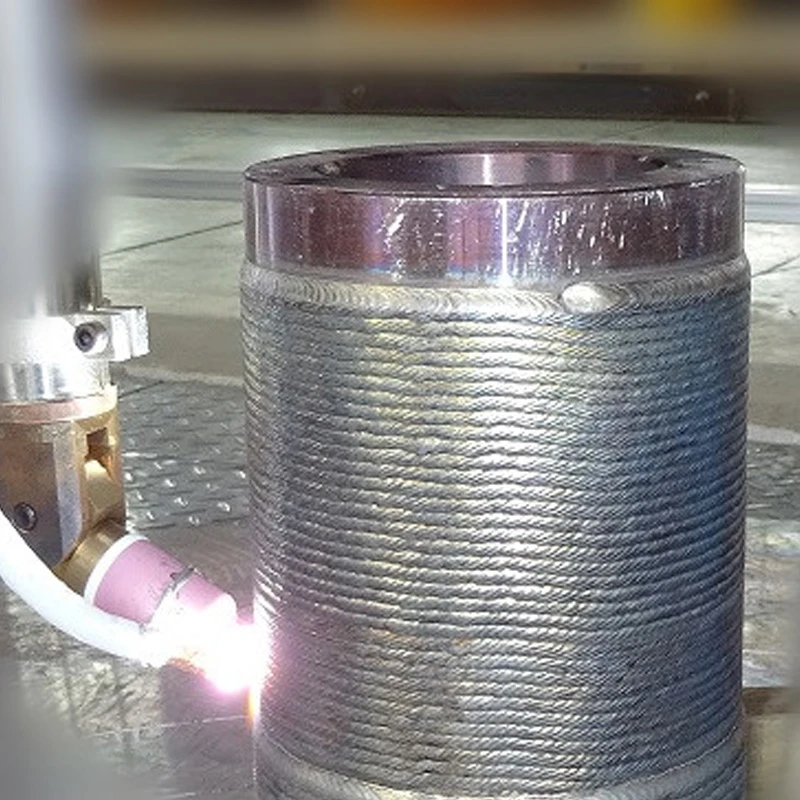
Cangzhou Lion Technology Co., Ltd., located in the Mengcun County Economic Development Zone, Cangzhou City, Hebei Province, brings significant expertise to this domain. As a professional high-tech enterprise with a registered capital of 100.8 million yuan and a 75,000 square meter plant, they specialize in the R&D, production, and sales of clad pipes and fittings. Their designation as a supplier to major energy enterprise groups under the SASAC and their long-term technical collaborations with domestic research institutes underscore their capability. Their annual production capacity includes 20,000 tons of clad steel pipes, utilizing technologies like arc additive manufacturing and laser additive manufacturing for bimetallic clad pipes specifically applied in demanding energy and chemical sectors, including offshore environments. Their factory prefabrication capacity of 20,000 tons for bimetal and single-material pipes is crucial for efficient offshore project execution. Their arsenal includes over 200 sets of production and testing equipment, a 6000T heavy-duty hydraulic press, large induction pushers (DN1200, DN600, DN350), and large-scale natural gas heat treatment furnaces with precise temperature control (±10°C) and rapid quenching capabilities (30 seconds), alongside more than 100 sets of additive manufacturing equipment.


Advanced Anti Corrosion Pipe Coating Technologies 


While material selection is paramount, anti corrosion pipe coating forms an essential, often multi-layered, defense system, especially for external surfaces and for carbon steel components:

  • Internal Coatings/Linings:For pipes conveying corrosive fluids, internal linings are vital. Options include high-performance FBE, liquid epoxies, polyurethanes, and non-metallic linings (HDPE, PP, PVC). Cangzhou Lion's capabilities extend to lined non-metallic material clad pipes and additive manufacturing on the inner wall of pipe fittings (5,000-ton annual capacity), providing bespoke internal corrosion barriers.
  • Field Joint Coatings:Ensuring the corrosion protection is continuous across welded joints is critical. Shrink sleeves, liquid epoxies, or field-applied FBE systems compatible with the mainline coating are used, requiring stringent application quality control offshore.
  • Cathodic Protection (CP):Used in conjunction with coatings, CP systems (sacrificial anodes or impressed current) provide electrochemical protection to submerged or buried steel structures, guarding against coating defects or damage.

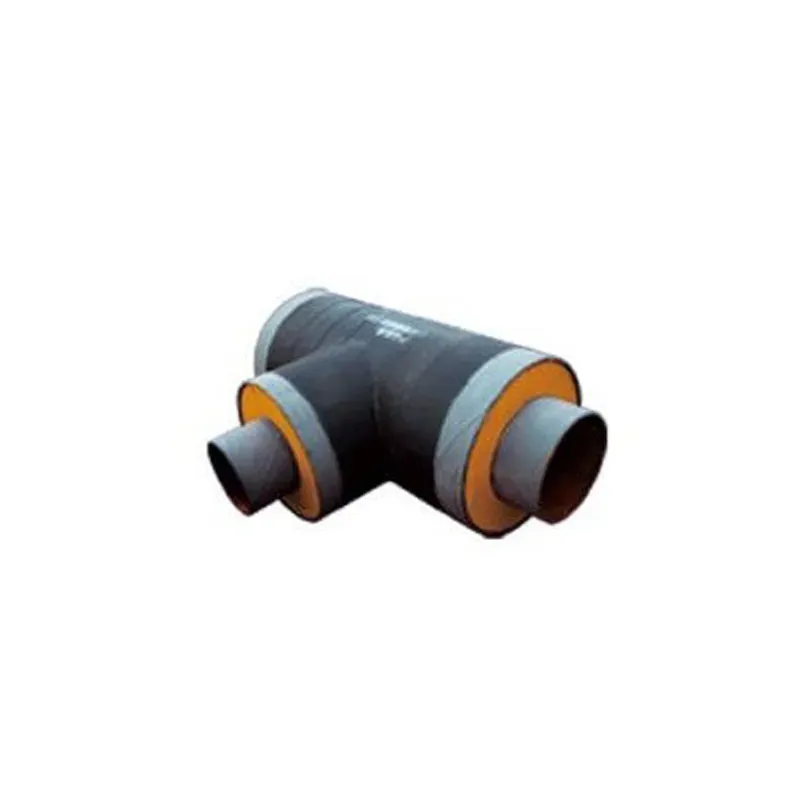
The anti-corrosion and thermal insulation products developed by manufacturers like Cangzhou Lion play a vital role in offshore pipeline integrity. While thermal insulation is less common in standard offshore wind internal piping than in oil & gas, it can be critical for specific fluid transport or firewater systems requiring freeze protection. Their thermal insulation pipe fittings (elbows, tees, reducers, pipe supports) in sizes from DN15 to DN1800, fabricated from materials like carbon steel, alloy steel, stainless steel, bimetallic composite, and nickel-based alloys, demonstrate the breadth of solutions available for complex offshore piping networks.


FAQs About Offshore Anti Corrosion Pipe


What are the primary factors driving the need for specialized anti corrosion pipe in offshore wind farms?


The primary drivers are the extremely aggressive marine environment (saltwater, humidity, immersion, MIC) and the criticality of pipeline systems for wind farm operation (cooling, hydraulics, fire protection). Failure due to corrosion leads to high costs, safety risks, and environmental hazards, demanding pipes built to last decades with minimal maintenance.


How does anti corrosion steel pipe using clad or lined technology offer advantages? 


Clad or lined pipes combine the cost-effectiveness and structural strength of carbon steel outer layers with the superior corrosion resistance of an inner layer (stainless steel, nickel alloy, or non-metallic polymer). This provides optimal performance for corrosive internal fluids while managing project costs and ensuring mechanical integrity, making them a highly relevant solution where solid corrosion-resistant alloys are prohibitively expensive.


What role does anti corrosion pipe coating play beyond just material selection? 


Anti corrosion pipe coating is the first line of defense, providing a physical barrier against corrosive elements. Advanced multi-layer coatings (like 3LPE/3LPP, TSA) offer critical protection against mechanical damage during installation and operation, enhance resistance to specific threats like abrasion or UV, and work synergistically with cathodic protection systems to ensure comprehensive, long-term integrity, especially for external surfaces and carbon steel components.


What are the critical quality control measures for anti corrosion pipe systems offshore? 


Rigorous QC is non-negotiable. It includes stringent material certification (chemistry, mechanical properties), thorough inspection of base material and clad/lining integrity (UT, RT, PMI), meticulous control of coating application (surface preparation, application parameters, thickness, adhesion, holiday detection), qualification of welding procedures and welder performance, and comprehensive testing of finished components (pressure testing, dimensional checks). Manufacturers require robust QA/QC systems certified to international standards.


How does prefabrication capacity, benefit Anti Corrosion Pipe offshore wind projects?


Large-scale prefabrication allows for complex pipe spools and fittings (including elbows, tees, reducers) to be manufactured, clad/coated, and rigorously tested under controlled factory conditions. This minimizes costly and risky offshore welding and coating activities, significantly improves quality consistency, accelerates installation schedules, reduces weather-dependent delays, and enhances overall project safety and efficiency.


The success and longevity of offshore wind farms hinge on the reliability of every component, especially the pipelines hidden within the structures. Specifying and implementing effective anti corrosion pipe solutions – encompassing the right anti corrosion steel pipe materials (including advanced clad/liner technologies), sophisticated anti corrosion pipe coating systems, and rigorous quality control – is paramount. Meeting the stringent demands of the marine environment requires partnering with experienced manufacturers possessing the technical expertise, advanced production capabilities (such as large-scale additive manufacturing, clad production, and prefabrication), and robust quality assurance systems. Companies like Cangzhou Lion Technology Co., Ltd., with their significant investment in technology, production capacity, and focus on solutions like bimetallic clad pipes and lined products, are vital contributors to building the durable and resilient offshore energy infrastructure needed for a sustainable future. The relentless marine environment demands nothing less than the highest standards in corrosion protection engineering.
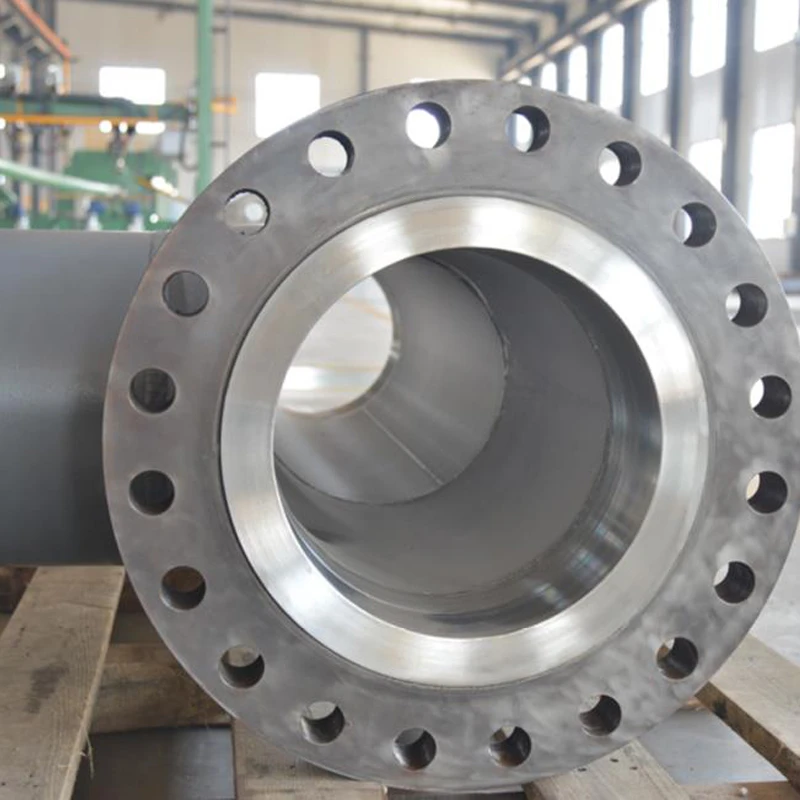
  • Mechanical Clad Steel Pipe

    Mechanical Clad Steel Pipe

    Mechanical clad steel pipe (MCSP) is a kind of high-performance pipe, which is specially designed for demanding industrial applications. Combining the durability and strength of steel with advanced composite materials, MCSP provides enhanced corrosion resistance, high pressure and extreme temperatures.
    AZ ÖSSZES MEGTEKINTÉSE
  • Anti Corrosion And Thermal Insulation Products

    Korróziógátló és hőszigetelő termékek

    Az általunk gyártott korróziógátló és hőszigetelő termékek kiemelt szerepet töltenek be az ipari csővezetékrendszerben, különös tekintettel a hőszigetelő csőszerelvényekre és acélcsövekre. A hőszigetelő csőszerelvények könyököket, pólókat, szűkítőket és csőtartókat foglalnak magukban, DN15-től DN1800-ig terjedő specifikációkkal, és szénacélból, ötvözött acélból, rozsdamentes acélból, bimetál kompozitból, nikkel alapú ötvözetből és egyéb anyagokból készülnek.
    AZ ÖSSZES MEGTEKINTÉSE
  • Elbow

    Könyök

    Carbon Steel &stainless Steel Elbow Elbows are pipe fittings used to change the direction of pipelines in piping systems, commonly employed at pipeline bends. They are widely used in industries such as petroleum, chemical, and power. The common size range for elbows is DN15-DN2000, and typical angles include 45°, 90°, and 180°.
    AZ ÖSSZES MEGTEKINTÉSE
Értéket teremteni az ügyfelek számára!
A Cangzhou Leo Technology Co., Ltd. a Mengcun megyei gazdaságfejlesztési zónában található, Cangzhou városában, Hebei tartományban. Ez egy speciális high-tech vállalkozás, amely integrálja a kompozit csövek és szerelvények kutatását és fejlesztését, gyártását és értékesítését.
Hír
A vállalat a termékminőséget a vállalkozás életének tekinti, megbízható minőségirányítási rendszert hoz létre az ipari és nemzeti szabványok követelményeinek megfelelően, a teljes folyamatban ellenőrzi a bemenet és a kimenet minden aspektusát, minden részletre odafigyel, és biztosítja, hogy a termék szállítási aránya 100%.
High Performance Sink Pipe Steel Guide for Industrial Piping

High Performance Sink Pipe Steel Guide for Industrial Piping

High-Performance Sink Pipe Steel: The Ultimate Guide to Industrial Piping In the demanding world of industrial manufacturing and pressure vessel construction, the selection of materials for piping systems is critical. Utilizing high-quality sink pipe steel ensures that systems can withstand extreme pressures, corrosive media, and mechanical stress. Whether it is for chemical processing, oil and gas, or construction, the right steel grade and fitting geometry can mean the difference between seamless operation and costly system failure. This guide explores the technical nuances of steel elbows and specialized clad materials designed for the most rigorous environments.
Ultimate Guide to Industrial Seamless Steel Pipe for Piping

Ultimate Guide to Industrial Seamless Steel Pipe for Piping

In the realm of modern industrial infrastructure, the integrity of piping systems is non-negotiable. The seamless steel pipe stands as the gold standard for transporting high-pressure fluids and gases. Unlike welded alternatives, seamless pipes are manufactured without a longitudinal seam, eliminating the most common point of failure and ensuring superior structural consistency. This makes them indispensable in sectors where safety and reliability are paramount, such as petroleum, nuclear power, and thermal energy. In this comprehensive guide, we will explore the technical advantages, material specifications, and critical applications of these high-performance components to help you make an informed procurement decision.
High Performance Seamless Steel Pipes for Industrial Piping

High Performance Seamless Steel Pipes for Industrial Piping

In the world of industrial fluid transportation and pressure vessel manufacturing, the choice of piping material can determine the safety and longevity of an entire system. Seamless steel pipes are engineered to withstand extreme conditions without the risk of weld-line failure, making them the gold standard for high-pressure environments. From oil and gas pipelines to hydraulic systems, these pipes offer unmatched structural integrity. In this comprehensive guide, we will explore the technical specifications, benefits, and diverse applications of carbon seamless steel solutions to help you make an informed procurement decision for your next engineering project.
High Performance Seamless Stainless Steel Pipe for Industrial Use

High Performance Seamless Stainless Steel Pipe for Industrial Use

The Ultimate Guide to Seamless Stainless Steel Pipe for Industrial Applications In the demanding world of oil and gas extraction, particularly in fields characterized by high hydrogen sulfide and carbon dioxide levels, the integrity of transportation infrastructure is critical. While traditional carbon steel often fails due to insufficient corrosion resistance, the seamless stainless steel pipe emerges as a premium solution. By eliminating weld seams, these pipes provide superior structural integrity and a seamless barrier against corrosive media. For industries operating under extreme pressure and chemical aggression, choosing the right piping material is not just about efficiencyit is about safety and long-term economic viability.
Industrial Piping Solutions Using Durable sch 40 steel pipe

Industrial Piping Solutions Using Durable sch 40 steel pipe

Optimizing Industrial Piping with SCH 40 Steel Pipe Solutions In the demanding world of industrial manufacturing and fluid transport, selecting the right piping specification is critical for safety and efficiency. The sch 40 steel pipe serves as a global standard for versatility, balancing wall thickness with internal flow capacity. Whether used in petrochemical plants, marine environments, or construction, this pipe grade provides the structural reliability needed to handle moderate pressures. However, as industries evolve, the integration of advanced technologies like laser cladding is transforming how we enhance these pipes to resist extreme corrosion and wear, extending the lifecycle of critical infrastructure.
Industrial 5 inch steel tubing Guide for High Pressure Systems

Industrial 5 inch steel tubing Guide for High Pressure Systems

The Ultimate Guide to 5 Inch Steel Tubing for Industrial Applications When designing high-pressure piping systems or structural frameworks, selecting the right material dimensions is critical for safety and efficiency. The 5 inch steel tubing serves as a versatile midpoint in industrial piping, offering a perfect balance between flow capacity and structural rigidity. Whether it is used in oil and gas transport, water management, or architectural support, the quality of the steel determines the longevity of the entire project. In this comprehensive guide, we will explore the technical specifications, material grades, and strategic advantages of utilizing this specific tubing size
tel email tel top

Ha felkeltette érdeklődését termékeink, itt hagyhatja adatait, és hamarosan felvesszük Önnel a kapcsolatot.