tel
Email
to top

Quality 20 ft Galvanized Pipe for Industrial Use | Reliable & Durable

Dec 13 2025
share:

Understanding the 20 ft Galvanized Pipe: Industrial Standard Meets Practical Use

Having spent well over a decade navigating the ups and downs of the industrial equipment sector, I've seen a lot of materials come and go. But 20 ft galvanized pipe somehow always remains a staple. It’s oddly dependable — the kind of product that doesn’t get flashy but quietly supports some of the toughest infrastructures you can imagine.

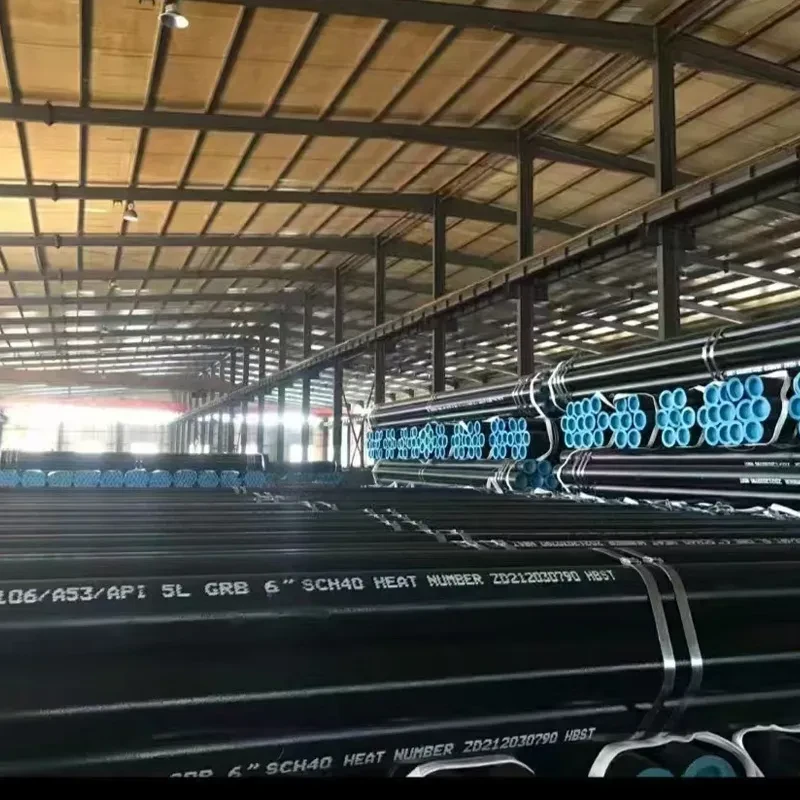
What’s great about galvanized pipes, especially the 20-foot variants, is that they're essentially the workhorses of the piping world. You can find them threading through water supply systems, bracing heavy-duty scaffolding, or lining up for oil and gas pipeline projects. I suppose their all-round reliability lies in the zinc coating — that thin layer that guards steel pipes against rust and corrosion. Over the years, I’ve noticed that this galvanization process doesn’t just add years to a pipe’s life but also cuts down maintenance headaches, something engineers and site managers universally appreciate.

Let’s talk specs because, frankly, that’s where the rubber meets the road. A standard 20 ft galvanized pipe typically features:

Specification Details
Length 20 feet (approximately 6.1 meters)
Material Carbon steel, galvanized with zinc coating
Diameter Range Typically 1/2” to 12” nominal pipe size
Wall Thickness Varies by Schedule (e.g., Schedule 40, 80)
Coating Thickness 40–85 microns (variable by galvanizing standard)
Standards ASTM A53, A123, or equivalent

Now, if you’re wondering how this compares to other suppliers — well, that’s kind of where things get interesting. Quality control varies, and in an industry where specs really matter, even tiny differences in wall thickness or galvanization can impact the lifespan and safety of the installation. I remember one project where a cheaper batch led to premature rusting, causing delays and costly rework. To help you get a better handle on the landscape, here’s a quick vendor comparison based on standard product quality, pricing, and delivery reliability.

Vendor Quality Control Pricing Delivery Time Customer Service
Lion Pipeline High — consistent lab testing & certification Competitive, volume discounts available Usually within 2–3 weeks Responsive, seasoned account reps
Standard Pipes Co. Moderate; occasional inconsistencies Lower than average pricing 4+ weeks, sometimes delayed Basic support, limited info
Global Tubes Ltd. High, but premium prices Higher end of the market Reliable, well-planned Excellent, multilingual support

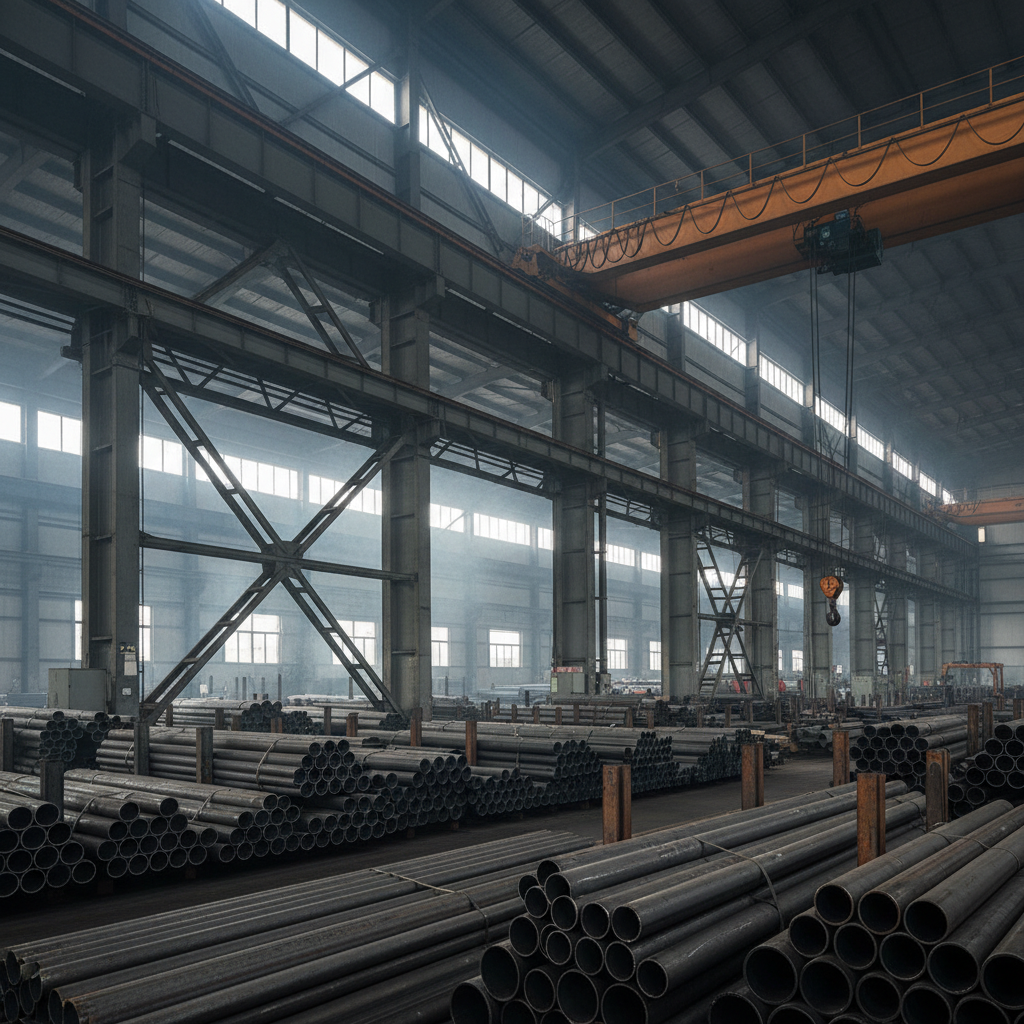
In real terms, for most industrial projects, the 20 ft galvanized pipe hits just the right balance between strength, corrosion resistance, and cost. Ships, refineries, and infrastructure engineers I’ve talked to often rely on this length for logistical convenience too — easier to handle, move, and install compared to longer custom cuts.

One anecdote sticks with me: a regional water utility once opted for non-galvanized alternatives to cut costs upfront and—spoiler alert—that backfired after just three years of heavy exposure. On the other hand, switching back to galvanized pipes saved them millions in repairs and downtime down the line. I guess that’s an industrial classic, really. Sometimes you pay a little more now to save a lot more later.

If you’re sourcing pipes for critical projects, it’s worth taking the time to choose the right supplier who doesn’t just offer a product but stands behind it. That’s where experienced vendors like 20 ft galvanized pipe makers come in—they combine solid manufacturing processes with consistent quality checks and that kind of reliability hard-won through years of field feedback.

To sum it all up: galvanized pipes, especially in the standard 20 ft length, have earned their place in industrial piping and construction because they do what they promise—resist rust, carry pressure, and last long. While technology and materials keep evolving, this old faithful keeps proving its worth in environments where failure isn’t an option.

So next time you’re on a job site and see those plain, galvanized pipes lined up, you might just appreciate that they represent decades of engineering know-how, practical testing, and real-world grit.


Reflection: I’ve always found it fascinating how something as “simple” as a zinc coating can transform steel’s life expectancy and performance under harsh conditions. It’s a reminder that sometimes the most trustworthy solutions are the ones quietly working in the background, not the flashy headline-grabbers.
  1. ASTM A53 and A123 Standards Documentation
  2. Industry Reports on Galvanized Pipe Longevity (2021-2023)
  3. Case Studies from Regional Water Utilities and Oil & Gas Projects
  • Elbow

    Elbow

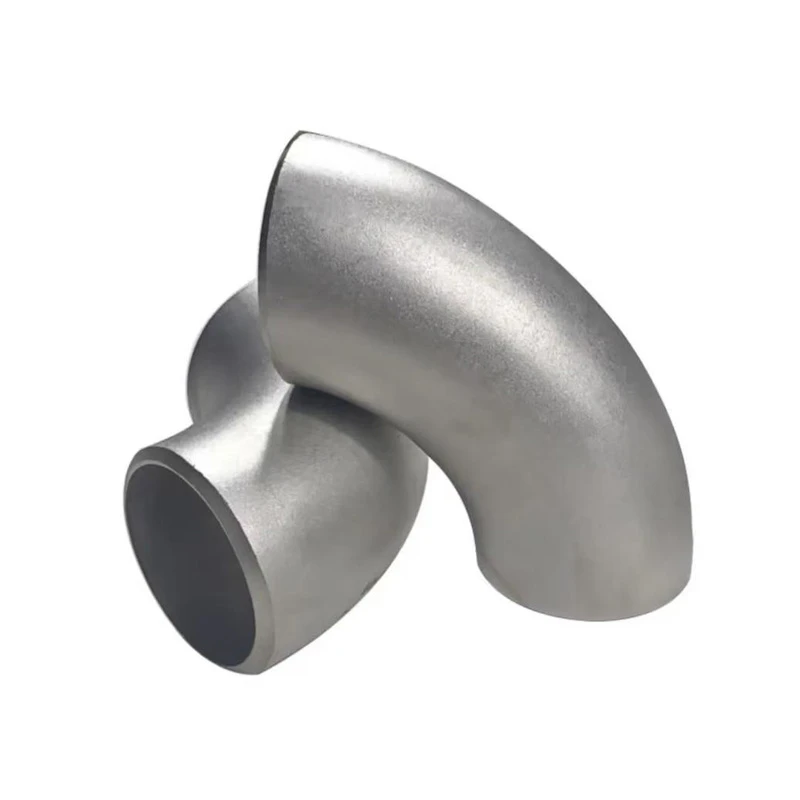
    Carbon Steel &stainless Steel Elbow Elbows are pipe fittings used to change the direction of pipelines in piping systems, commonly employed at pipeline bends. They are widely used in industries such as petroleum, chemical, and power. The common size range for elbows is DN15-DN2000, and typical angles include 45°, 90°, and 180°.
    VIEW ALL
  • Overlay Welding Clad Steel Pipe

    Overlay Welding Clad Steel Pipe

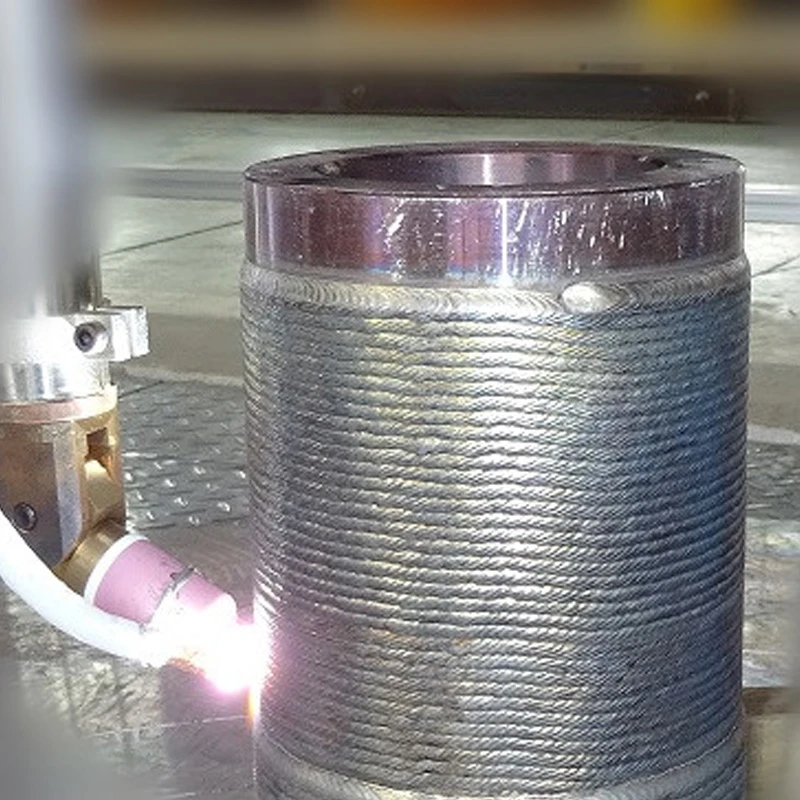
    Overlay Welding clad Steel Pipe features a high-performance welded overlay that enhances the pipe’s surface properties, providing superior resistance to corrosion, erosion, and wear. This process involves applying a wear-resistant alloy layer over a strong steel base, making it ideal for industries such as oil and gas, mining, and chemical processing, where pipes are exposed to harsh conditions. The overlay ensures extended service life, reduced maintenance costs, and reliable performance even in extreme environments. With its combination of strength, durability, and corrosion resistance, the Overlay Welding Steel Pipe is a trusted solution for critical applications.
    VIEW ALL
  • Carbon Semless Steel Pipes

    Carbon Semless Steel Pipes

    Carbon Seamless Steel Pipes are made from high-quality carbon steel and manufactured without welded seams, offering exceptional strength, durability, and resistance to pressure. These pipes are ideal for a wide range of applications, including oil and gas pipelines, construction, automotive, and fluid transportation systems. The seamless design ensures uniformity, higher structural integrity, and improved performance under high pressure and temperature conditions.
    VIEW ALL
To create value for customers!
Cangzhou Leo Technology Co., Ltd. is located in Mengcun County Economic Development Zone, Cangzhou City, Hebei Province. It is a specialized high-tech enterprise that integrates the research and development, production, and sales of composite pipes and fittings.
News
The company regards product quality as the life of the enterprise, establishes a sound quality management system in accordance with the requirements of industry and national standards, controls all aspects of input and output in the whole process, pays attention to every detail, and ensures that the product delivery pass rate is 100%.
Properties and Industrial Applications of 4130 steel tubing
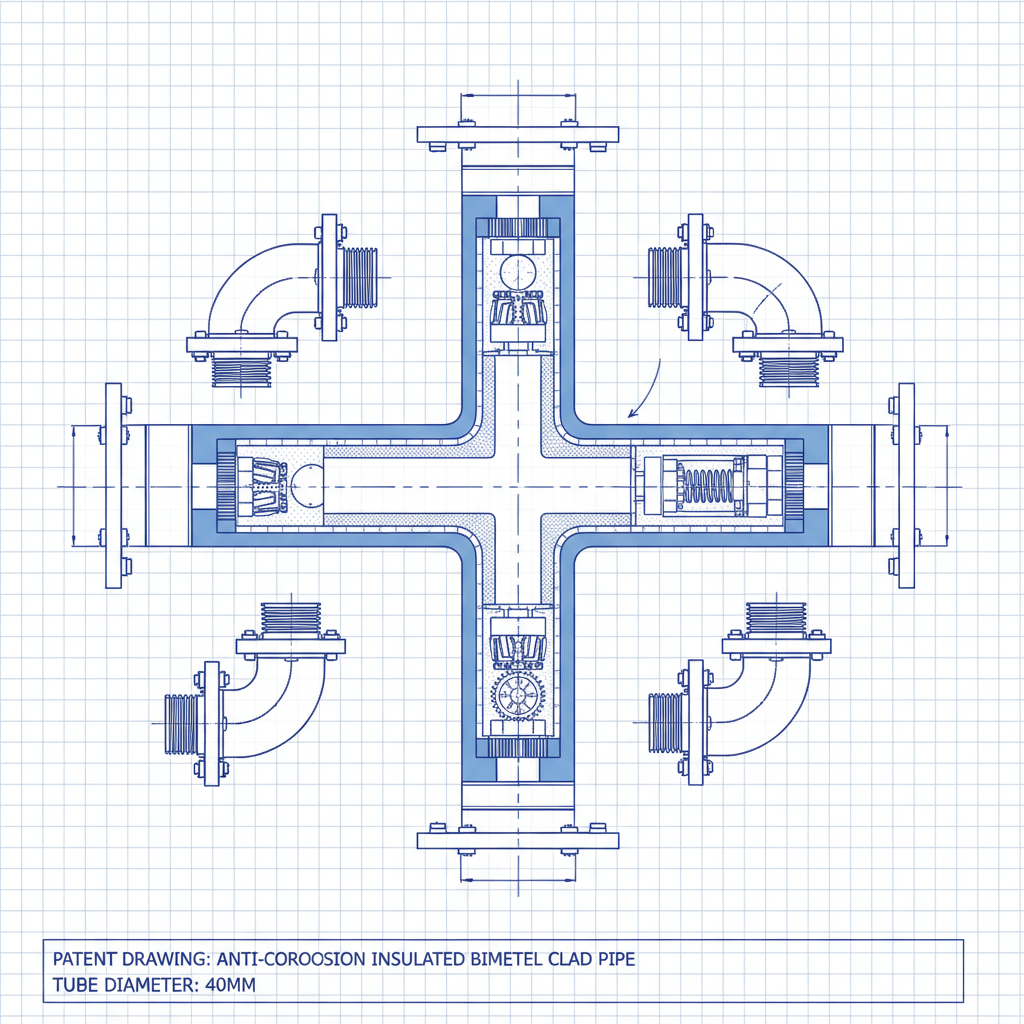
Properties and Industrial Applications of 4130 steel tubing

In the world of high-performance engineering, material selection is the foundation of safety and efficiency. 4130 steel tubing is widely recognized as the gold standard for applications requiring an exceptional strength-to-weight ratio. Known for its versatility and reliability, this chromium-molybdenum alloy is the preferred choice for everything from aircraft frames to professional roll cages. Understanding the nuances of this material allows engineers to optimize structural integrity without adding unnecessary bulk. In this comprehensive guide, we will explore why this specific alloy remains a top choice for critical industrial and aerospace components.
Comprehensive Guide to 40mm Steel Tube Applications and Material Selection
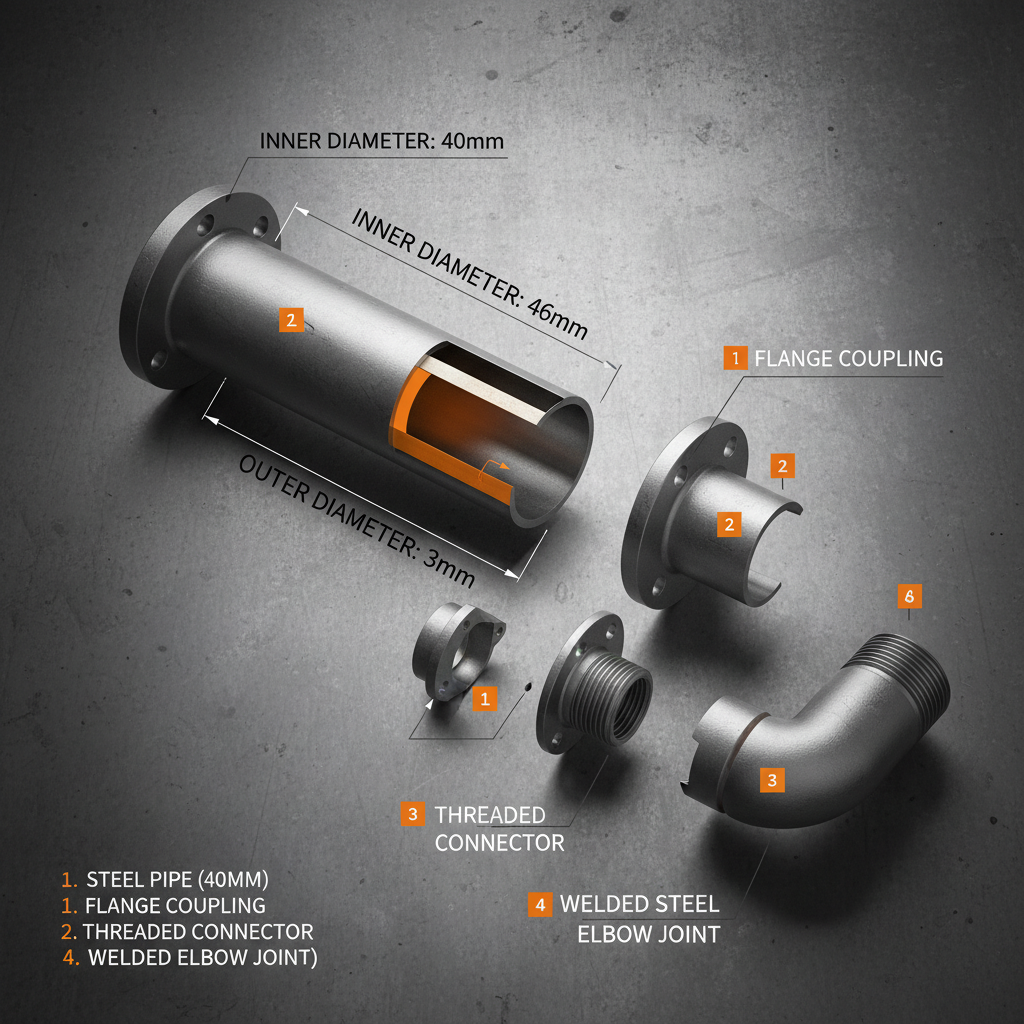
Comprehensive Guide to 40mm Steel Tube Applications and Material Selection

40mm steel tube is a versatile and widely used material in various industries, from construction and manufacturing to automotive and beyond. Its strength, durability, and cost-effectiveness make it an ideal choice for numerous applications. This article will delve into the characteristics, applications, benefits, and considerations when working with 40mm steel tube, providing a comprehensive overview for professionals and anyone interested in this essential material.
Comprehensive Guide to 40mm Steel Pipe Applications and Considerations
Comprehensive Guide to 40mm Steel Pipe Applications and Considerations

40mm steel pipe is a widely used material in various industries due to its strength, durability, and cost-effectiveness. From construction and infrastructure projects to industrial applications and fluid transportation, this pipe size offers a versatile solution. This article will delve into the properties, applications, standards, and key considerations when selecting 40mm steel pipe, helping you make informed decisions for your specific needs.
Comprehensive Guide to 40mm Metal Pipe Applications and Sourcing
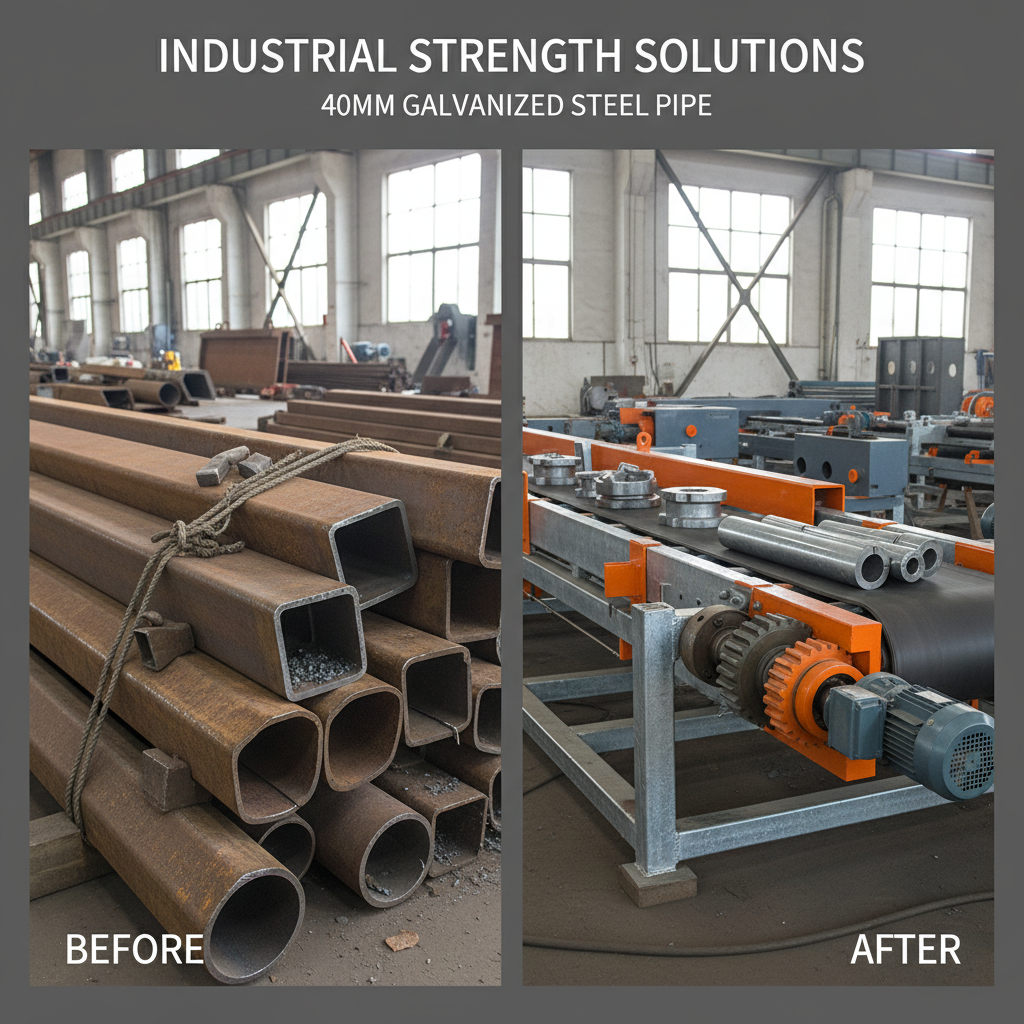
Comprehensive Guide to 40mm Metal Pipe Applications and Sourcing

40mm metal pipe is a crucial component in a wide array of industries, from construction and plumbing to industrial manufacturing and fluid transport. Its strength, durability, and versatility make it a preferred material for countless applications. This article will delve into the specifics of 40mm metal pipe, exploring its various types, common uses, benefits, and where to source high-quality piping solutions.
Comprehensive Guide to 40mm Galvanised Pipe Applications and Specifications
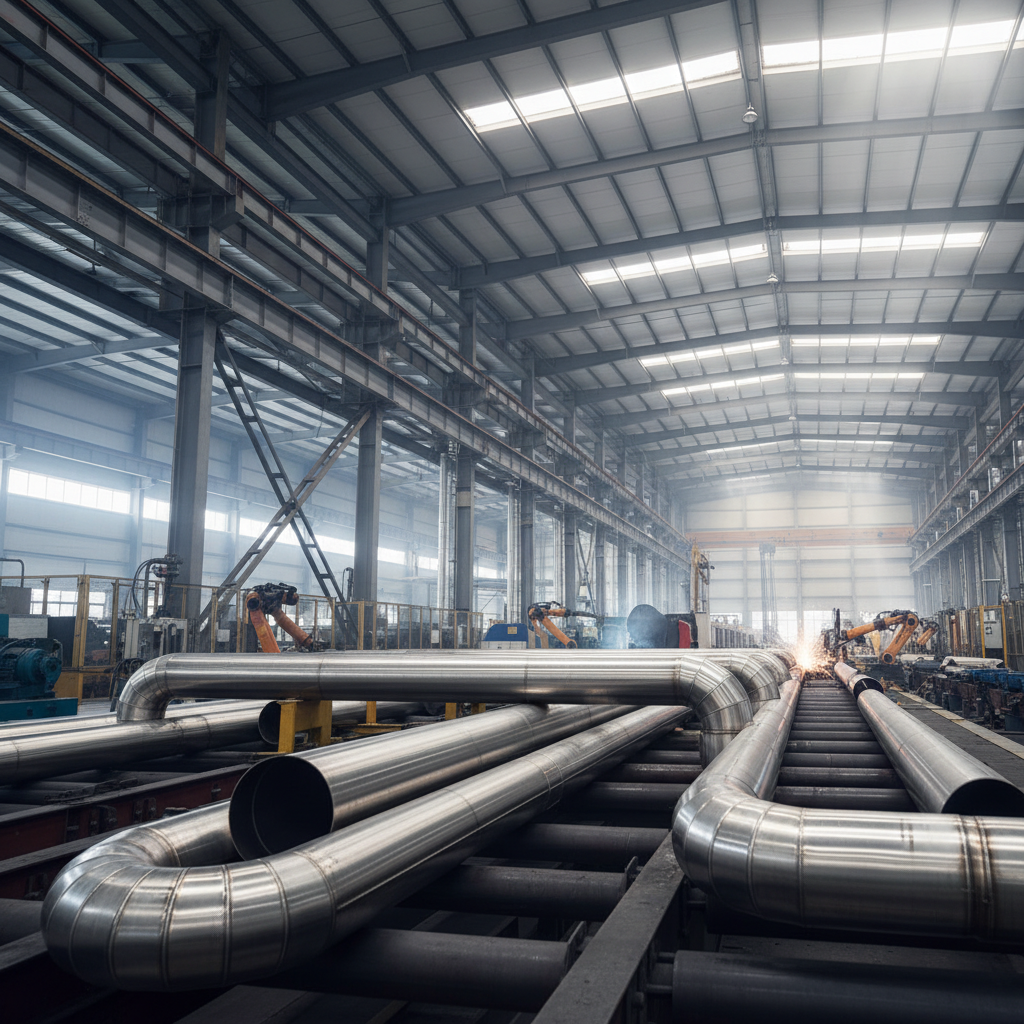
Comprehensive Guide to 40mm Galvanised Pipe Applications and Specifications

When planning a plumbing, structural, or industrial project, selecting the right piping material is crucial. 40mm galvanised pipe is a widely used option known for its strength, durability, and corrosion resistance. This article provides a detailed overview of 40mm galvanised pipes, exploring their applications, benefits, specifications, and considerations for optimal usage. We'll cover everything from what galvanisation is to how to choose the right pipe for your specific needs.
Comprehensive Guide to 409 Stainless Steel Exhaust Pipe Applications and Benefits

Comprehensive Guide to 409 Stainless Steel Exhaust Pipe Applications and Benefits

When selecting materials for exhaust systems, especially in industries demanding durability and corrosion resistance, 409 stainless steel exhaust pipe emerges as a leading solution. Known for its affordability and suitable performance in various applications, it’s a popular choice for automotive, truck, and industrial exhaust systems. This article delves into the properties, benefits, applications, and considerations when choosing 409 stainless steel exhaust pipe, providing valuable insights for engineers, purchasers, and anyone involved in exhaust system design and manufacturing. Understanding the nuances of this material is key to ensuring long-lasting and reliable exhaust solutions. 409 stainless steel is an austenitic stainless steel containing approximately 11.5% chromium. This chromium content provides excellent resistance to oxidation and corrosion, particularly in mildly corrosive environments. Unlike higher-grade stainless steels (like 304 or 316), 409 has a lower chromium content and typically includes titanium for stabilization. This stabilization prevents carbide precipitation during welding, enhancing its weldability and corrosion resistance in the heat-affected zone. It's often chosen for applications where cost-effectiveness is critical, and the extreme corrosion resistance of higher alloys isn't required.
tel email tel top

If you are interested in our products, you can choose to leave your information here, and we will be in touch with you shortly.