tel
Email
to top

The Essential Role of Flanges in Plumbing and Construction

Juil 28 2025
partager:

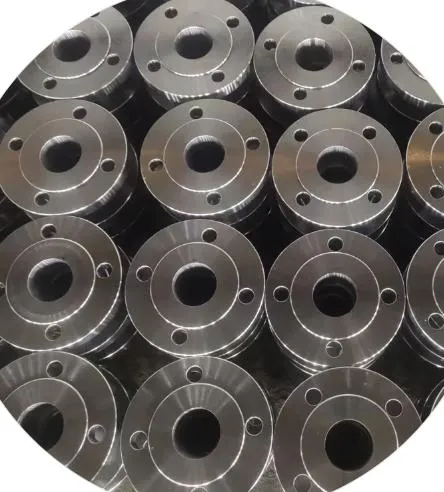
Flanges are crucial components in plumbing and construction systems, providing secure connections and ensuring the integrity of pipelines. Different types of flanges serve specific purposes, and understanding their characteristics and applications is key to successful installation and maintenance. This exploration focuses on various flanges, including oversized shower arm flangepancake flangepe flangepex wall flange, and pipe and flange, highlighting their unique features and uses.
 

The Essential Role of Flanges in Plumbing and Construction


The Utility of Oversized Shower Arm Flanges


In the realm of bathroom fixtures, the oversized shower arm flange plays a vital role in both functionality and aesthetics. Unlike standard flanges, an oversized version offers greater coverage, effectively hiding any imperfections or gaps around the area where the shower arm meets the wall. This is especially important during installation, as it provides a more finished look. For instance, when renovating an older bathroom, an oversized shower arm flange can cover up any damage or discoloration on the wall surface left by the previous shower fixture. It not only enhances the visual appeal but also helps in preventing water from seeping behind the wall, reducing the risk of mold and mildew growth.


Pancake Flanges: Compact and Versatile


Pancake flanges are known for their compact design, which makes them highly versatile in a range of applications. Their flat, thin profile allows for installation in tight spaces where traditional flanges might not fit. In residential plumbing, pancake flanges are commonly used in situations where pipes need to be connected in confined areas, such as under sinks or in narrow utility closets. Their ease of installation, often requiring minimal space for maneuvering tools, makes them a popular choice among plumbers. Additionally, their simple structure enables quick and efficient connections, reducing installation time and labor costs.


PE Flanges: Durable and Corrosion - Resistant


PE flanges, or polyethylene flanges, are prized for their durability and resistance to corrosion. Made from high - quality polyethylene material, these flanges are ideal for use in plumbing systems that carry water or other liquids. In outdoor plumbing setups, where exposure to the elements can cause metal flanges to rust and deteriorate over time, PE flanges maintain their integrity. They are also suitable for use in chemical processing plants or industrial settings where aggressive substances might be present in the pipelines. The chemical resistance of PE flanges ensures that they can withstand harsh conditions without compromising the safety and functionality of the piping system.


PEX Wall Flanges: Perfect for PEX Plumbing Systems


For plumbing systems that utilize cross - linked polyethylene (PEX) pipes, the pex wall flange is an essential component. These flanges are specifically designed to provide a secure connection between PEX pipes and walls, ensuring a watertight seal. When installing PEX pipes in walls for water supply lines, the pex wall flange acts as a protective barrier, preventing water from leaking into the wall cavity. This is crucial for maintaining the structural integrity of the building and avoiding water - related damage. Moreover, pex wall flanges are often easy to install, with features that allow for quick and hassle - free attachment to PEX pipes, making them a preferred choice for both professional plumbers and DIY enthusiasts working on PEX plumbing projects.


The Basics of Pipe and Flange Connections


The concept of pipe and flange connections is fundamental in plumbing and construction. Flanges are attached to the ends of pipes, and by bolting or welding the flanges together, a secure joint is created. This method of connection allows for easy disassembly and maintenance of the pipeline system. For example, in large - scale industrial piping networks, pipe and flange connections enable workers to isolate sections of the pipeline for repair or replacement without having to disrupt the entire system. Different types of flanges, such as those mentioned above, can be used depending on the specific requirements of the pipe material, fluid being transported, and operating conditions, ensuring a reliable and efficient piping infrastructure.


FAQs about Flanges


How to Choose the Right Flange for a Specific Application?


Selecting the appropriate flange depends on several factors. First, consider the type of pipe material, as different flanges are compatible with specific materials like PEX, PE, or metal pipes. The application environment also matters; for outdoor or corrosive environments, PE flanges might be a better choice, while for bathroom fixtures, an oversized shower arm flange or pancake flange could be more suitable. Additionally, factors such as the pressure and temperature of the fluid in the pipeline, as well as the required level of sealing, should be taken into account when choosing the right pipe and flange combination.


What Are the Installation Tips for Flanges?


When installing flanges, ensure that the mating surfaces of the flanges and pipes are clean and free of debris. For pex wall flanges, make sure the PEX pipe is properly inserted and secured within the flange. When using pipe and flange connections, tighten the bolts evenly to avoid uneven stress and potential leakage. In the case of pancake flanges, take advantage of their compact size and use appropriate tools to fit them into tight spaces without damaging the surrounding components. Always follow the manufacturer's instructions for installation to ensure a safe and reliable connection.


How to Maintain Flanges to Prolong Their Lifespan?


Regular inspection is key to maintaining flanges. Check for signs of corrosion, leakage, or loose bolts in pipe and flange connections. For PE flanges, clean them periodically to remove any dirt or deposits that could potentially affect their performance. In the case of oversized shower arm flanges, ensure that the seal around the flange is intact to prevent water from seeping through. If any issues are detected, address them promptly, whether it involves replacing a damaged flange or tightening loose connections, to prevent further damage and ensure the continued proper functioning of the plumbing or construction system.
  • Laser Clad  Pipe

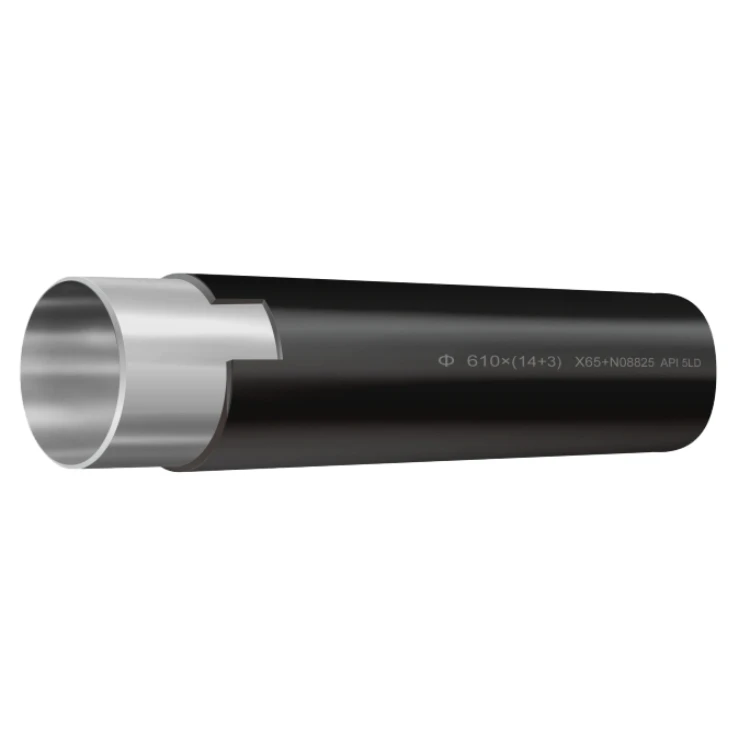
    Laser Clad Pipe

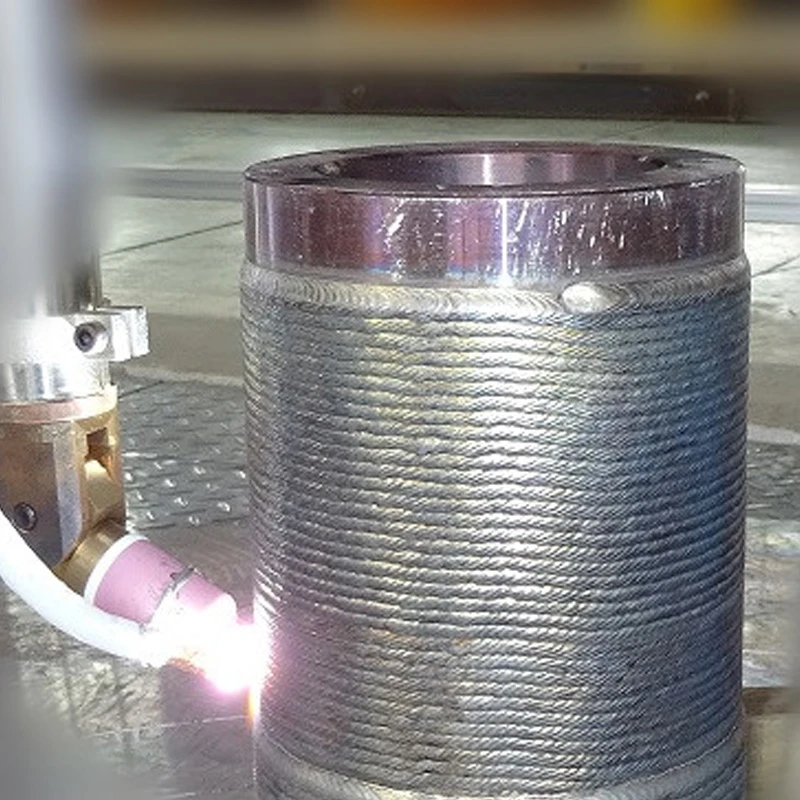
    Laser clad steel pipes are manufactured using laser cladding technology. This technology involves adding cladding material to the surface of ordinary steel pipe base material, using high-energy-density laser beams to fuse the cladding material with the steel pipe surface, forming a metallurgically bonded cladding layer. These pipes are generally used in compressed air energy storage projects as underground deep well transportation pipes or casings, as well as in oil, natural gas, and geothermal well extraction.
    VOIR TOUT
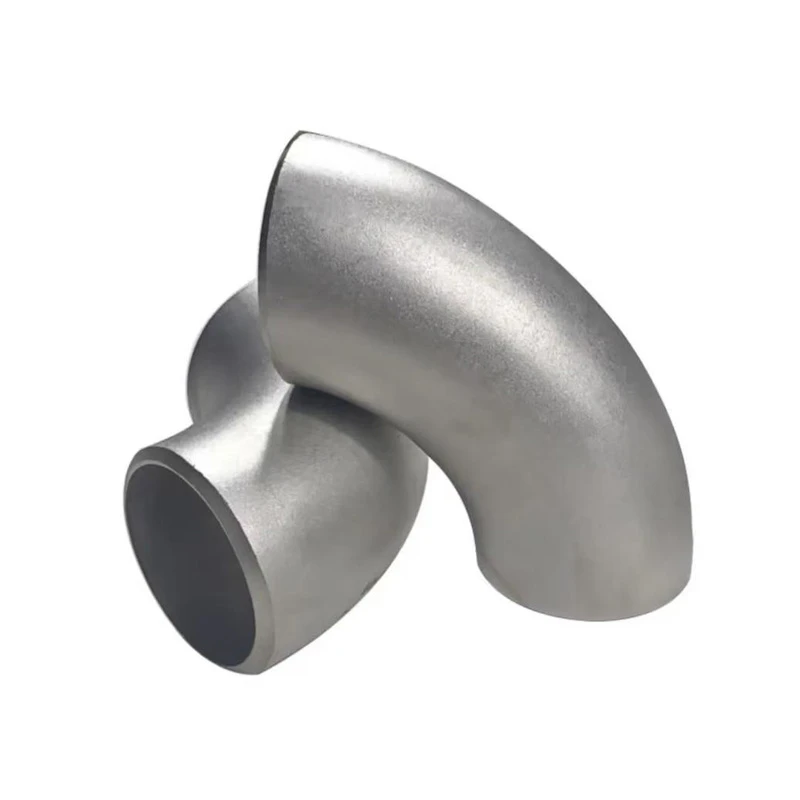
  • Reducer

    Réducteur

    Un réducteur est un raccord de tuyauterie utilisé pour raccorder des tuyaux de différents diamètres, facilitant ainsi les transitions fluides entre les différents débits des réseaux de tuyauterie. Disponibles en modèles concentriques et excentriques, les réducteurs contribuent à maintenir un débit optimal tout en minimisant les pertes de charge et les turbulences.
    VOIR TOUT
  • Carbon Semless Steel Pipes

    Tubes en acier au carbone sans soudure

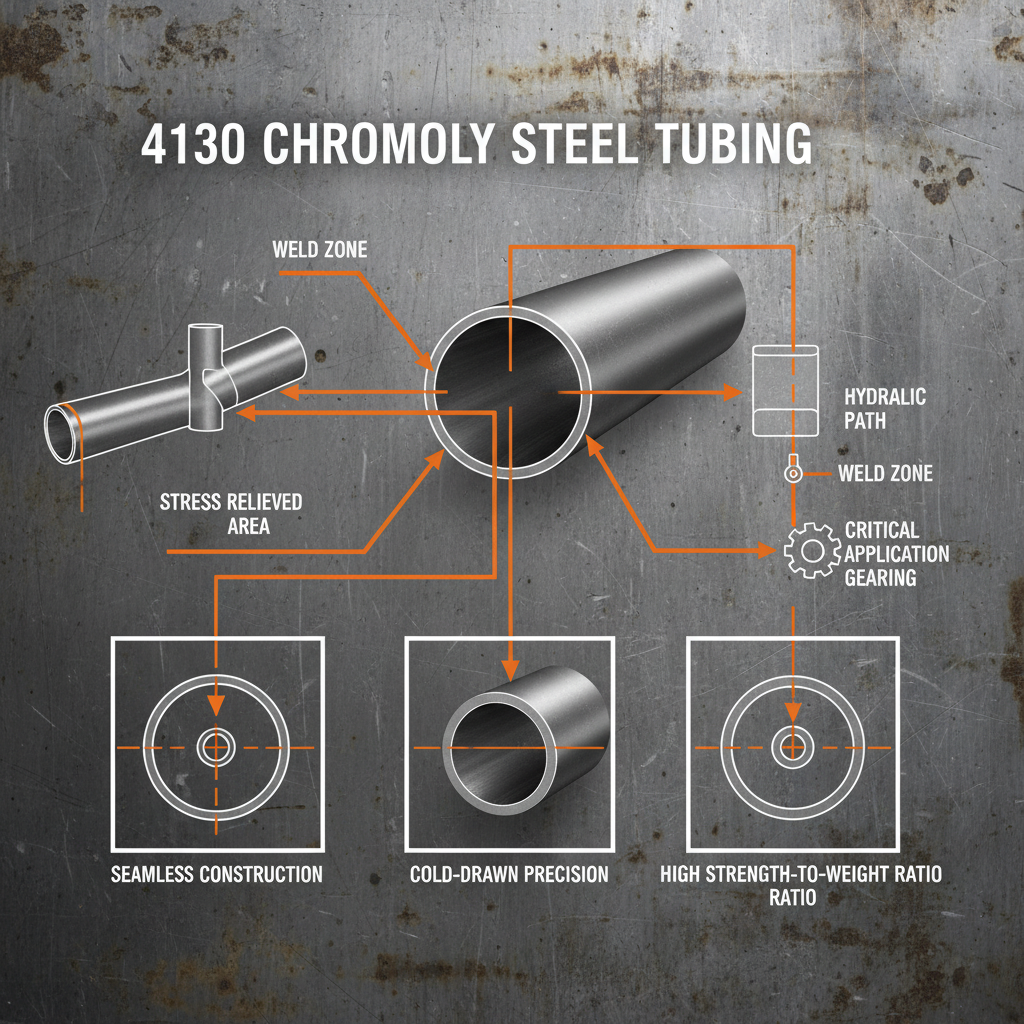
    Carbon Seamless Steel Pipes are made from high-quality carbon steel and manufactured without welded seams, offering exceptional strength, durability, and resistance to pressure. These pipes are ideal for a wide range of applications, including oil and gas pipelines, construction, automotive, and fluid transportation systems. The seamless design ensures uniformity, higher structural integrity, and improved performance under high pressure and temperature conditions.
    VOIR TOUT
Créer de la valeur pour les clients !
Cangzhou Leo Technology Co., Ltd. est située dans la zone de développement économique du comté de Mengcun, ville de Cangzhou, province du Hebei. C'est une entreprise de haute technologie spécialisée qui intègre la recherche et le développement, la production et la vente de tubes et raccords composites.
Nouvelles
L'entreprise considère la qualité des produits comme la vie de l'entreprise, établit un système de gestion de la qualité solide conformément aux exigences de l'industrie et des normes nationales, contrôle tous les aspects de l'entrée et de la sortie dans l'ensemble du processus, prête attention à chaque détail et garantit que le taux de réussite de la livraison des produits est de 100 %.
Comprehensive Guide to 4 Inch Steel Tubing Applications and Selection

Comprehensive Guide to 4 Inch Steel Tubing Applications and Selection

4 inch steel tubing is a versatile material widely utilized across various industries, from construction and manufacturing to automotive and infrastructure. Its strength, durability, and cost-effectiveness make it a preferred choice for numerous applications. This article delves into the characteristics, applications, different types, and considerations when purchasing 4 inch steel tubing, offering a detailed overview for professionals and anyone seeking a deeper understanding of this essential material. Selecting the appropriate steel tubing can significantly impact the performance and longevity of your project. 4 inch steel tubing refers to hollow steel sections with an outer diameter of 4 inches. It’s commonly manufactured through processes like welding, seamless extrusion, or cold drawing. This tubing offers a high strength-to-weight ratio, making it ideal for structural applications.
Comprehensive Guide to 4 Inch Steel Pipe Applications and Specifications

Comprehensive Guide to 4 Inch Steel Pipe Applications and Specifications

4 inch steel pipe is a fundamental component in a vast array of industries, from construction and infrastructure to oil & gas and water management. Its robust nature, durability, and cost-effectiveness make it a preferred choice for conveying fluids and gases. This article will explore the various applications of 4 inch steel pipe, delve into its specifications, and offer guidance on sourcing high-quality pipes from a reliable supplier like Lion Pipeline. Choosing the right steel pipe is crucial for the longevity and safety of your projects, so understanding its properties and uses is essential. The versatility of 4 inch steel pipe allows it to be utilized in numerous applications. In the construction industry, it is frequently used for structural supports, fencing, and handrails. The oil and gas sector relies heavily on these pipes for transporting crude oil, natural gas, and refined products. Water treatment facilities employ them for water distribution and wastewater management. Furthermore, they find application in irrigation systems, fire protection systems, and even in the manufacturing of furniture and other industrial equipment. Its strength and ability to withstand high pressures make it a dependable solution across diverse sectors.
Comprehensive Guide to 4 Inch Stainless Steel Pipe Properties and Applications

Comprehensive Guide to 4 Inch Stainless Steel Pipe Properties and Applications

When sourcing materials for fluid transfer, structural support, or various industrial applications, 4 inch stainless steel pipe stands out as a versatile and reliable choice. This article provides a detailed overview of its properties, applications, grades, and considerations for optimal use. We’ll explore why stainless steel is often preferred over other materials and how to select the right pipe for your specific needs. Choosing the correct piping system is crucial for ensuring efficiency, safety, and longevity in any project. Stainless steel pipes, particularly those with a 4-inch diameter, possess a unique combination of properties that make them ideal for a wide range of applications. Corrosion resistance is paramount, thanks to the chromium content in the alloy, which forms a protective layer against environmental factors. High tensile strength and durability ensure longevity, even under pressure or demanding conditions. They also exhibit excellent temperature resistance, making them suitable for both high and low-temperature applications. Furthermore, stainless steel is hygienic and easy to clean, which is vital in industries like food processing and pharmaceuticals. The smooth internal surface minimizes friction loss, optimizing flow efficiency.
Comprehensive Guide to Durable 4 Inch Stainless Steel Exhaust Pipe Systems

Comprehensive Guide to Durable 4 Inch Stainless Steel Exhaust Pipe Systems

When it comes to exhaust systems for vehicles, machinery, or industrial applications, the choice of materials and dimensions is critical. A 4 inch stainless steel exhaust pipe offers a compelling combination of durability, corrosion resistance, and performance. This article provides an in-depth look at the benefits, applications, and considerations when selecting this type of piping. We’ll explore why Lion Pipeline is a trusted source for high-quality stainless steel exhaust pipes. Choosing the right exhaust system component can significantly impact overall system efficiency and longevity. A 4 inch stainless steel exhaust pipe provides several advantages over other materials like aluminized steel or carbon steel. Stainless steel's inherent corrosion resistance is a major benefit, especially in harsh environments where exposure to moisture, salt, and chemicals is common. Its strength and durability ensure a long service life, reducing the need for frequent replacements.
Comprehensive Guide to 4 Inch Stainless Pipe Applications and Benefits

Comprehensive Guide to 4 Inch Stainless Pipe Applications and Benefits

When selecting piping for a project, especially in industries demanding corrosion resistance and durability, 4 inch stainless pipe is a frequently considered option. This article provides a comprehensive overview of this type of piping, its applications, benefits, and key factors to consider when purchasing. We will delve into the various grades of stainless steel used, common applications, and why choosing a reputable supplier like Lion Pipeline is crucial for ensuring quality and compliance. Stainless steel pipes offer longevity and reduce maintenance, making them a cost-effective solution in the long run. 4 inch stainless steel pipe is renowned for its exceptional corrosion resistance, making it ideal for handling a wide variety of fluids and gases. Unlike carbon steel, stainless steel forms a passive layer of chromium oxide on its surface, protecting it from rust and corrosion. This is particularly important in harsh environments like those found in chemical processing, wastewater treatment, and marine applications. Furthermore, stainless steel pipes offer high strength and durability, capable of withstanding high pressures and temperatures.
Comprehensive Guide to 4 Inch Round Steel Tubing for Global Trade and Applications

Comprehensive Guide to 4 Inch Round Steel Tubing for Global Trade and Applications

4 inch round steel tubing is a versatile structural component widely used across numerous industries, from construction and manufacturing to automotive and agriculture. Its strength, durability, and relatively lightweight nature make it an ideal choice for a wide range of applications. For businesses involved in international steel trading, understanding the nuances of this particular tubing is crucial for meeting client demands and ensuring successful transactions. This article will provide a comprehensive overview of 4 inch round steel tubing, covering its specifications, applications, common standards, and considerations for efficient global sourcing. The term “4 inch round steel tubing” refers to steel pipes with an outer diameter of four inches and a circular cross-section. These tubes are manufactured through various processes, including welding, drawing, and seamless extrusion. The choice of manufacturing method significantly impacts the tube’s strength, precision, and cost. Common steel grades used for 4 inch round steel tubing include A53, A106 (for higher temperature applications), and 1018 carbon steel. Wall thickness varies depending on the application, commonly ranging from schedule 40 to schedule 80, influencing the tube’s load-bearing capacity and weight. Understanding these factors is essential when sourcing steel tubing from international suppliers.
tel email tel top

Si vous êtes intéressé par nos produits, vous pouvez choisir de laisser vos informations ici et nous vous contacterons sous peu.