tel
Email
to top

Tapered Steel Tube: Essential Guide to Benefits, Applications & Innovations

Dec 13 2025
share:

The Rise of the Tapered Steel Tube: Why It’s Shaping Industries Worldwide

At first glance, a tapered steel tube might sound like just another piece of metal tubing — and that’s not wrong. But it’s a subtly game-changing component in industries as varied as oil & gas, construction, and even humanitarian infrastructure. Its global relevance stems from its effective balancing act: combining strength, versatility, and precision in a way few other materials manage. For engineers, planners, and supply-chain professionals worldwide, understanding the tapered steel tube means unlocking new doors to safer structures, more resilient pipelines, and sustainable designs that truly matter.

Key Takeaway:

  • Tapered steel tubes are more than metal pipes; they’re precision-engineered structural heroes supplying stability in critical global projects.

What’s Driving Global Demand for Tapered Steel Tubes?

According to ISO standards and global industrial surveys, the steel tube market is projected to grow steadily through 2030, especially for applications requiring tailored geometries and high-strength materials. The World Bank highlights infrastructure investments exceeding trillions globally, pointing toward critical components like specialized steel tubes as integral to these expansions.

But here’s the catch: as industries push for lighter, stronger, and more adaptable materials, traditional cylindrical tubing just doesn’t cut it anymore — the inefficiencies in weight and material usage can add up both financially and environmentally. That’s precisely where the tapered steel tube answers the demand by offering a product tailored to stress and load variations along its length.

Mini Summary:

  • Global industrialization and infrastructure modernization fuel the need for adaptable, high-performance steel tubing.
  • Tapered steel tubes address cost and weight challenges where uniform tubing falls short.

Defining the Tapered Steel Tube

In essence, a tapered steel tube is a hollow cylindrical metal piece whose diameter gradually changes along its length — wider on one end, narrowing toward the other. This gradient can be subtle or quite pronounced, depending on the application.

Why bother with that? Well, think about where loads aren’t uniform. For example, a pipeline segment facing higher pressure at one junction or a construction column needing reinforcement at the base. The tapered design distributes stress more efficiently — kind of like an hourglass meets engineering precision.

Beyond pure mechanics, tapered steel tubes also intersect with humanitarian efforts. In disaster zones where temporary housing or infrastructure is required fast, lightweight but strong components that can be easily transported and assembled are vital. The tapered tube fits this bill, thanks to its modularity and adaptability.

Key Features:

  • Gradually changing diameter optimizes material use.
  • Enhanced load distribution reduces failure risk.
  • Lightweight yet structurally superior compared to uniform tubes.

Core Factors Influencing the Effectiveness of Tapered Steel Tubes

1. Durability and Material Quality

The steel alloy chosen (often carbon or alloy steel) hugely impacts lifespan and resilience. Corrosion resistance, tensile strength, and heat tolerance are huge factors here, especially for outdoor or high-temperature uses.

2. Precision of the Taper

The degree and smoothness of diameter change matter. Engineers perform careful calculations and often use CNC or laser cutting to ensure a perfect taper that aligns with stresses encountered in situ.

3. Cost Efficiency

Using less material where possible—without sacrificing strength—lowers costs. But precision manufacturing can also raise up-front costs, so suppliers who balance this win customer loyalty.

4. Scalability and Customization

Each project may require unique taper angles and lengths. Vendors able to provide bespoke solutions faster are preferred, especially for large-scale infrastructure or rapid deployment housing projects.

5. Environmental Impact

Steel recycling and the environmental footprint from production are important. Increasingly, clients want tubes produced using green energy or responsible sourcing, impacting purchasing decisions.

Mini Summary:

  • Success hinges on durable materials, taper precision, and tailored customization.
  • Cost and environmental concerns cannot be ignored when selecting tapered steel tubes.

How Are Tapered Steel Tubes Used Around the World?

Their applications span from pipelines carrying oil in harsh Siberian tundras to skeletal frames for emergency shelters in Southeast Asia. Here are some examples:

  • Oil and Gas Industry: In deepwater drilling, tapered steel tubes form risers engineered to handle variable pressure zones. For instance, in the Gulf of Mexico, operators rely on tapered tubing to prevent pipe fatigue.
  • Construction: Architects integrate tapered steel tubes into modern skyscraper designs where reducing weight without losing strength is crucial. The technology enables slimmer columns and better seismic performance.
  • Humanitarian Projects: NGOs working in refugee camps use tapered steel tubes to build rapidly deployable, lightweight shelters that stand up to extreme climates.
  • Renewable Energy: Wind turbine towers often feature tapered steel tubes to optimize structural efficiency while minimizing raw steel usage.

Mini Takeaway:

  • Tapered steel tubes play vital roles across industries and continents, proving their versatility and critical value.

Advantages and Long-Term Value of Choosing Tapered Steel Tubing

From a pure business standpoint, choosing tapered steel tubes often means:

  • Cost Savings: Lower installation and material costs due to optimized geometry.
  • Sustainability: Reduced material waste and potential for recycling boosts green credentials.
  • Safety & Reliability: Improved stress distribution means fewer failures and maintenance headaches.
  • Enhanced Aesthetics: Clean, modern designs appeal to architects and planners.

But beyond numbers, there’s an emotional angle too. Many engineers say knowing your structure can safely bend and flex rather than snap inspires a quiet kind of trust — trust that the people using these spaces or infrastructures will remain safe, even in unpredictable situations.

Cutting-Edge Trends and Innovations in Tapered Steel Tube Manufacturing

The future looks bright, with advances such as:

  • Smart Materials Integration: Embedding sensors directly within tapered tubes to monitor stress or corrosion in real-time.
  • Green Steel Production: Using hydrogen and renewable energy methods reduces carbon footprints drastically.
  • Automation & Precision Fabrication: Robotics and AI assist in crafting custom tapers with microscopic accuracy and speed.
  • Hybrid Composites: Combining steel with carbon fibers to create ever-lighter, stronger tubes for aerospace or high tech projects.

Common Challenges & How Industry Experts Tackle Them

No product is perfect. For tapered steel tubes, issues like forming precise tapers without inducing micro-cracks or managing supply chain bottlenecks loom large. However, innovations in laser cutting, heat treatment, and supplier integrations help minimize these problems.

Some manufacturers are partnering directly with universities to develop non-destructive testing methods and predictive maintenance software — a smart move that feels like preparing for tomorrow’s storms today.

Product Specification Table

Specification Typical Range Notes
Material Grade ASTM A500 Grade B or C Common structural steel
Outer Diameter 30mm – 600mm From small tubing to heavy columns
Wall Thickness 3mm – 25mm Varies by load requirements
Length Range 2m – 12m Custom cuts available
Taper Ratio 1:10 to 1:50 Ratio of diameter change per unit length

Vendor Comparison: Who’s Leading the Tapered Steel Tube Market?

Vendor Customization Options Lead Time Price Range Sustainability Practices
SteelForm Global Full bespoke design 4–6 weeks $$$ (Premium) ISO 14001 certified; green energy usage
TaperTech Supplies Standard tapers + minor customization 2–3 weeks $$ (Mid-range) Recycling programs in place
RapidSteel Co. Limited to catalog sizes 1–2 weeks $ (Budget) Basic environmental guidelines

FAQ: Frequently Asked Questions About Tapered Steel Tubes

Q1: What industries benefit most from using tapered steel tubes?

A1: The oil & gas industry, construction, renewable energy, and humanitarian relief sectors utilize tapered steel tubes extensively. Their strength-to-weight ratio and stress distribution properties make them ideal for pipelines, building supports, turbine towers, and rapid-deployment shelters.

Q2: How customizable are tapered steel tubes for unique project needs?

A2: Many suppliers offer bespoke taper ratios, lengths, and wall thicknesses tailored to specific load and environmental requirements. From subtle tapers for architectural uses to steep ratios for heavy industrial load-bearing, customization is usually comprehensive but varies by vendor.

Q3: Are tapered steel tubes environmentally sustainable?

A3: Generally, yes. Steel is one of the most recycled materials globally. Moreover, advances in green energy production and efficient manufacturing mean many suppliers now prioritize lowering carbon footprints during fabrication.

Q4: What are the main challenges in installing tapered steel tubes in the field?

A4: Precision alignment is critical to ensure load transfer and prevent premature failure. On-site welding or fitting may require specialized equipment and skilled labor, adding to installation complexity compared to uniform tubing.

Q5: Can tapered steel tubes be used in modular housing solutions?

A5: Absolutely. Their lightweight yet sturdy profile makes them perfect for modular, quick-to-assemble structures that need to be transported easily but stand up to harsh conditions.

Conclusion: Why Tapered Steel Tubes Are the Smart Choice Going Forward

Long story short, the tapered steel tube is quietly revolutionizing how industries approach structural challenges. Its clever shape optimizes materials, cuts costs, and amps up safety and durability — a trio that’s tough to beat.

Whether you’re in infrastructure, energy, or humanitarian work, tapping into the full potential of tapered steel tubes means staying ahead of the curve. Curious? Visit our website: tapered steel tube to explore how modern solutions can fit your project needs.
References

  1. ISO 3183—Steel pipes for pipelines
  2. World Bank – Infrastructure Investment
  3. Wikipedia – Steel tube
  • Carbon Semless Steel Pipes

    Carbon Semless Steel Pipes

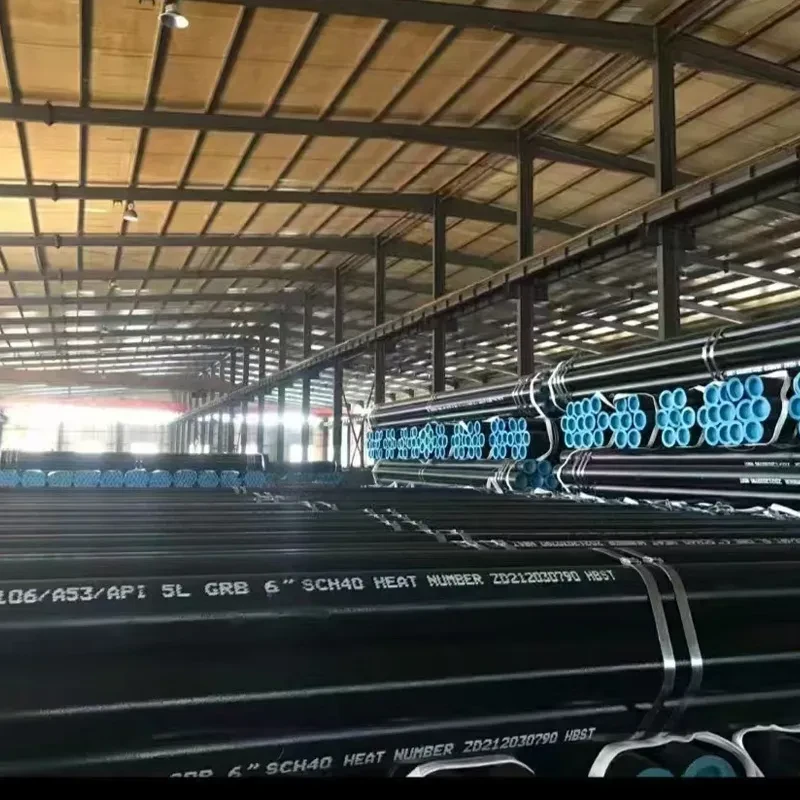
    Carbon Seamless Steel Pipes are made from high-quality carbon steel and manufactured without welded seams, offering exceptional strength, durability, and resistance to pressure. These pipes are ideal for a wide range of applications, including oil and gas pipelines, construction, automotive, and fluid transportation systems. The seamless design ensures uniformity, higher structural integrity, and improved performance under high pressure and temperature conditions.
    VIEW ALL
  • Factory Prefabricated Products

    Factory Prefabricated Products

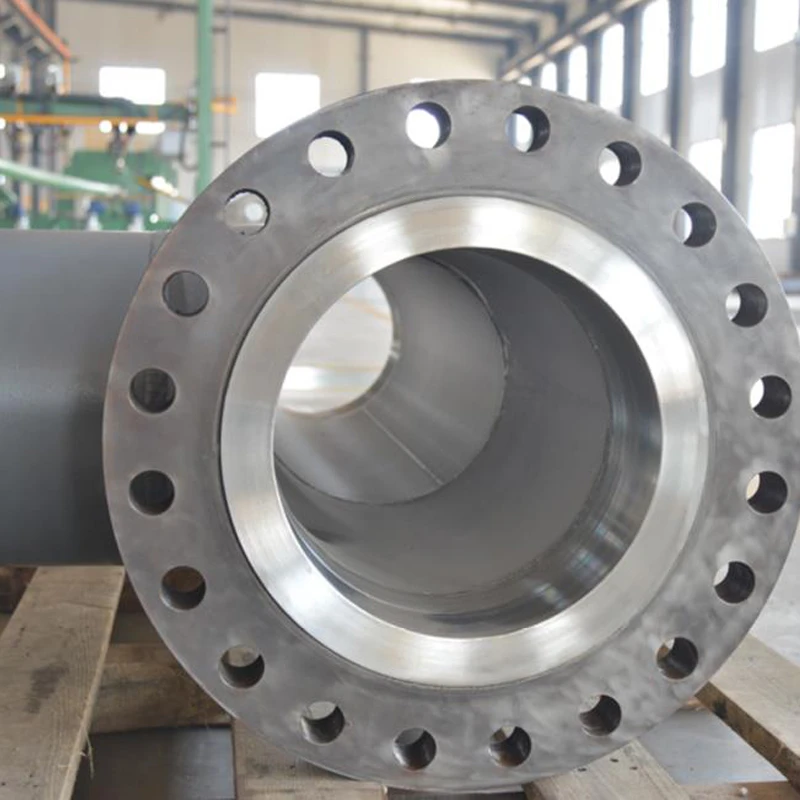
    In modern industrial construction, the quality and supply efficiency of pipe fittings directly affect the success or failure of the project. With advanced production concept and strong technical strength, we focus on the factory prefabrication of products, and provide all-round pipe fitting solutions for many key fields such as petrochemical industry and coal chemical industry.
    VIEW ALL
  • Overlay Welding Clad Steel Pipe

    Overlay Welding Clad Steel Pipe

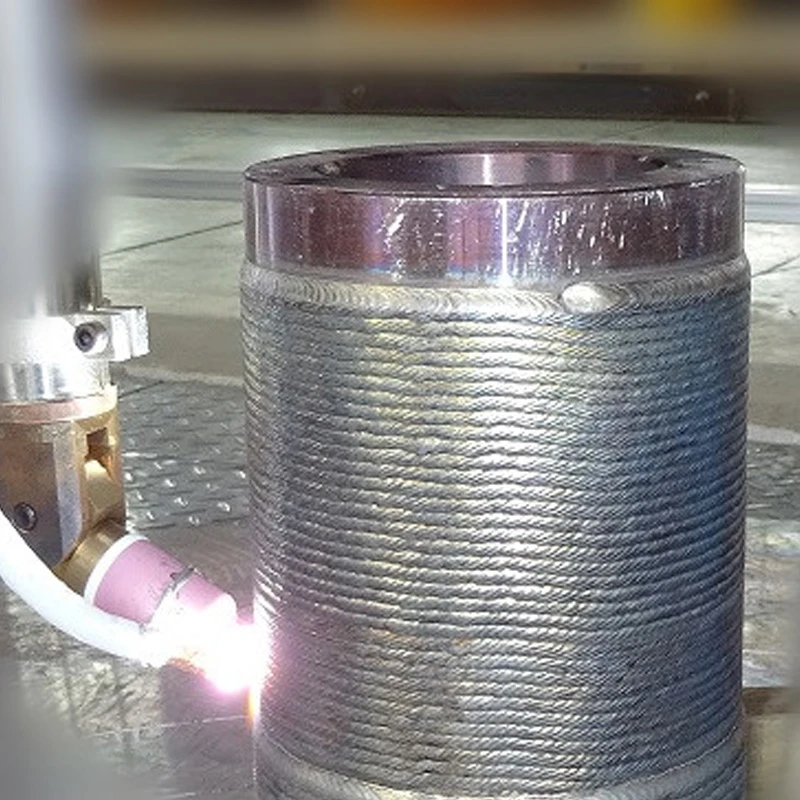
    Overlay Welding clad Steel Pipe features a high-performance welded overlay that enhances the pipe’s surface properties, providing superior resistance to corrosion, erosion, and wear. This process involves applying a wear-resistant alloy layer over a strong steel base, making it ideal for industries such as oil and gas, mining, and chemical processing, where pipes are exposed to harsh conditions. The overlay ensures extended service life, reduced maintenance costs, and reliable performance even in extreme environments. With its combination of strength, durability, and corrosion resistance, the Overlay Welding Steel Pipe is a trusted solution for critical applications.
    VIEW ALL
To create value for customers!
Cangzhou Leo Technology Co., Ltd. is located in Mengcun County Economic Development Zone, Cangzhou City, Hebei Province. It is a specialized high-tech enterprise that integrates the research and development, production, and sales of composite pipes and fittings.
News
The company regards product quality as the life of the enterprise, establishes a sound quality management system in accordance with the requirements of industry and national standards, controls all aspects of input and output in the whole process, pays attention to every detail, and ensures that the product delivery pass rate is 100%.
Properties and Industrial Applications of 4130 steel tubing
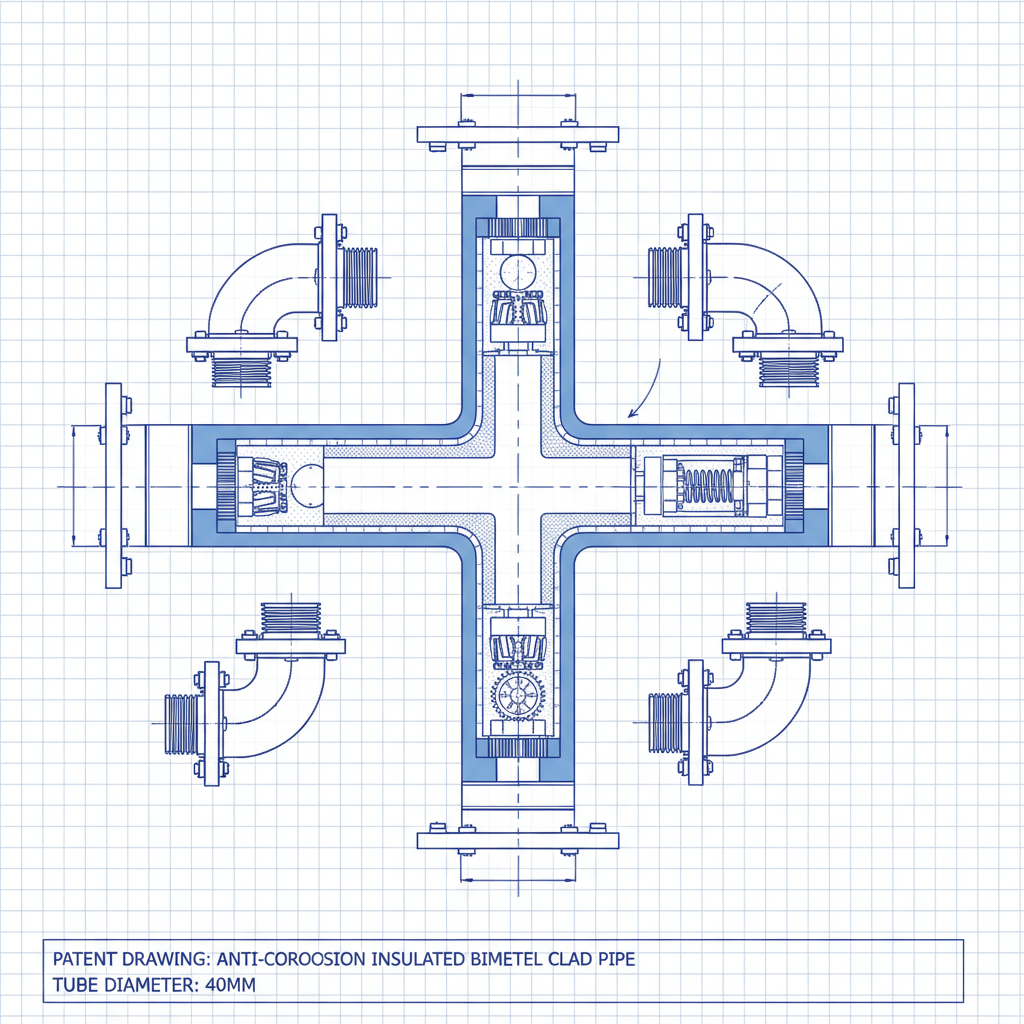
Properties and Industrial Applications of 4130 steel tubing

In the world of high-performance engineering, material selection is the foundation of safety and efficiency. 4130 steel tubing is widely recognized as the gold standard for applications requiring an exceptional strength-to-weight ratio. Known for its versatility and reliability, this chromium-molybdenum alloy is the preferred choice for everything from aircraft frames to professional roll cages. Understanding the nuances of this material allows engineers to optimize structural integrity without adding unnecessary bulk. In this comprehensive guide, we will explore why this specific alloy remains a top choice for critical industrial and aerospace components.
Comprehensive Guide to 40mm Steel Tube Applications and Material Selection
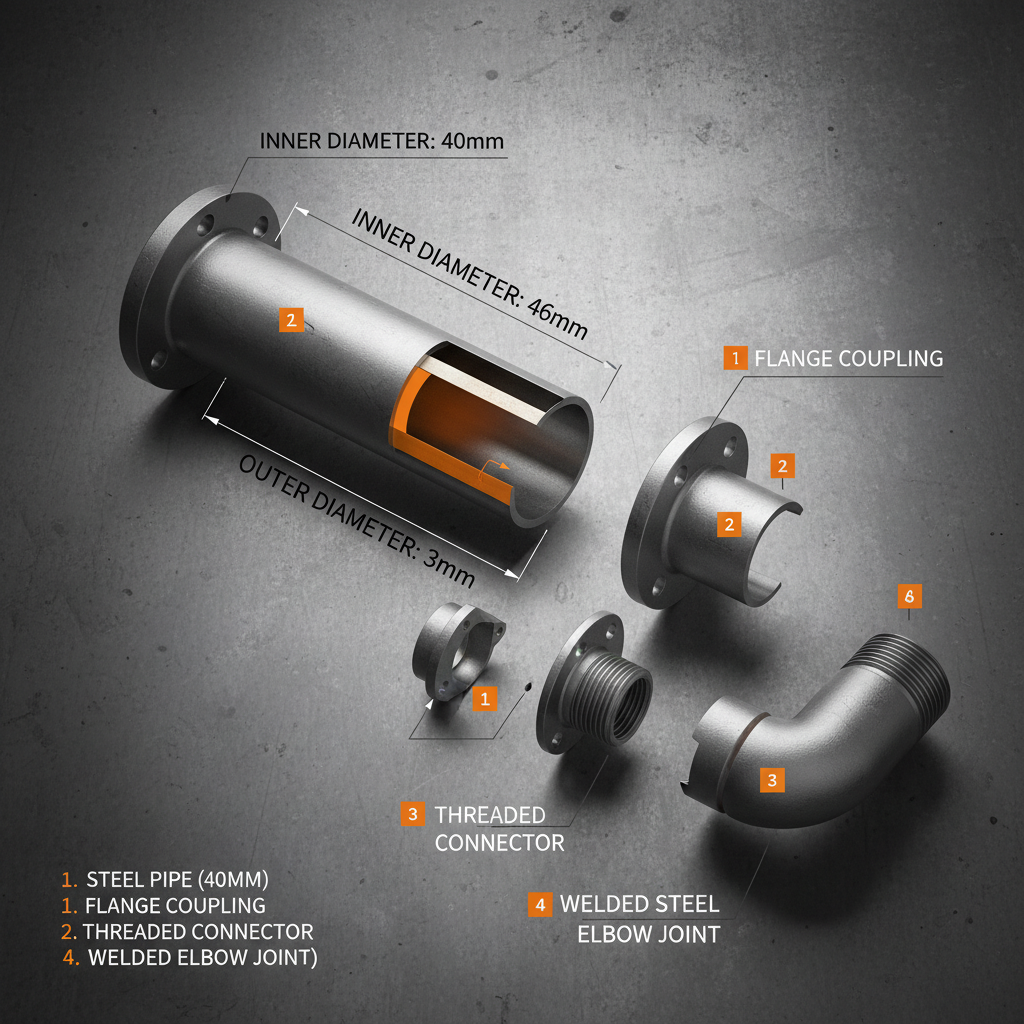
Comprehensive Guide to 40mm Steel Tube Applications and Material Selection

40mm steel tube is a versatile and widely used material in various industries, from construction and manufacturing to automotive and beyond. Its strength, durability, and cost-effectiveness make it an ideal choice for numerous applications. This article will delve into the characteristics, applications, benefits, and considerations when working with 40mm steel tube, providing a comprehensive overview for professionals and anyone interested in this essential material.
Comprehensive Guide to 40mm Steel Pipe Applications and Considerations
Comprehensive Guide to 40mm Steel Pipe Applications and Considerations

40mm steel pipe is a widely used material in various industries due to its strength, durability, and cost-effectiveness. From construction and infrastructure projects to industrial applications and fluid transportation, this pipe size offers a versatile solution. This article will delve into the properties, applications, standards, and key considerations when selecting 40mm steel pipe, helping you make informed decisions for your specific needs.
Comprehensive Guide to 40mm Metal Pipe Applications and Sourcing
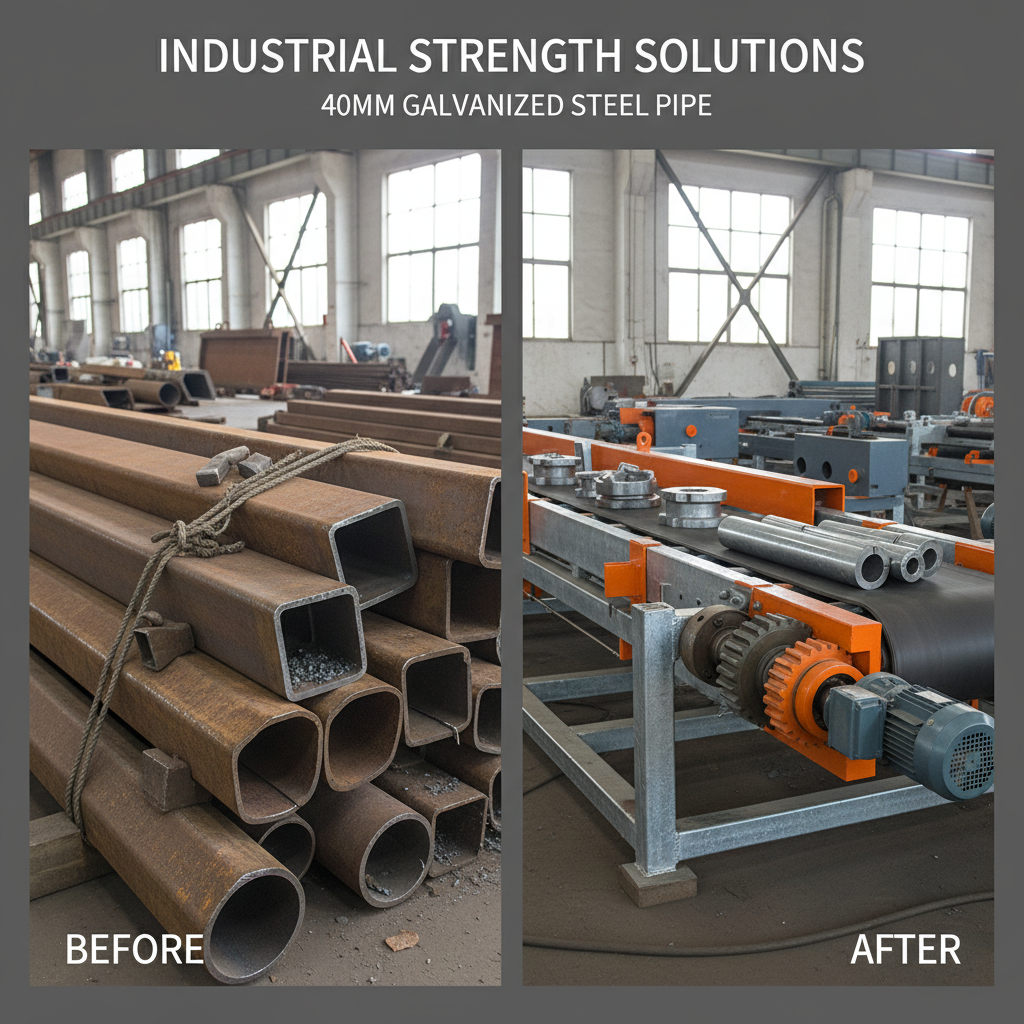
Comprehensive Guide to 40mm Metal Pipe Applications and Sourcing

40mm metal pipe is a crucial component in a wide array of industries, from construction and plumbing to industrial manufacturing and fluid transport. Its strength, durability, and versatility make it a preferred material for countless applications. This article will delve into the specifics of 40mm metal pipe, exploring its various types, common uses, benefits, and where to source high-quality piping solutions.
Comprehensive Guide to 40mm Galvanised Pipe Applications and Specifications
Comprehensive Guide to 40mm Galvanised Pipe Applications and Specifications

When planning a plumbing, structural, or industrial project, selecting the right piping material is crucial. 40mm galvanised pipe is a widely used option known for its strength, durability, and corrosion resistance. This article provides a detailed overview of 40mm galvanised pipes, exploring their applications, benefits, specifications, and considerations for optimal usage. We'll cover everything from what galvanisation is to how to choose the right pipe for your specific needs.
Comprehensive Guide to 409 Stainless Steel Exhaust Pipe Applications and Benefits

Comprehensive Guide to 409 Stainless Steel Exhaust Pipe Applications and Benefits

When selecting materials for exhaust systems, especially in industries demanding durability and corrosion resistance, 409 stainless steel exhaust pipe emerges as a leading solution. Known for its affordability and suitable performance in various applications, it’s a popular choice for automotive, truck, and industrial exhaust systems. This article delves into the properties, benefits, applications, and considerations when choosing 409 stainless steel exhaust pipe, providing valuable insights for engineers, purchasers, and anyone involved in exhaust system design and manufacturing. Understanding the nuances of this material is key to ensuring long-lasting and reliable exhaust solutions. 409 stainless steel is an austenitic stainless steel containing approximately 11.5% chromium. This chromium content provides excellent resistance to oxidation and corrosion, particularly in mildly corrosive environments. Unlike higher-grade stainless steels (like 304 or 316), 409 has a lower chromium content and typically includes titanium for stabilization. This stabilization prevents carbide precipitation during welding, enhancing its weldability and corrosion resistance in the heat-affected zone. It's often chosen for applications where cost-effectiveness is critical, and the extreme corrosion resistance of higher alloys isn't required.
tel email tel top

If you are interested in our products, you can choose to leave your information here, and we will be in touch with you shortly.