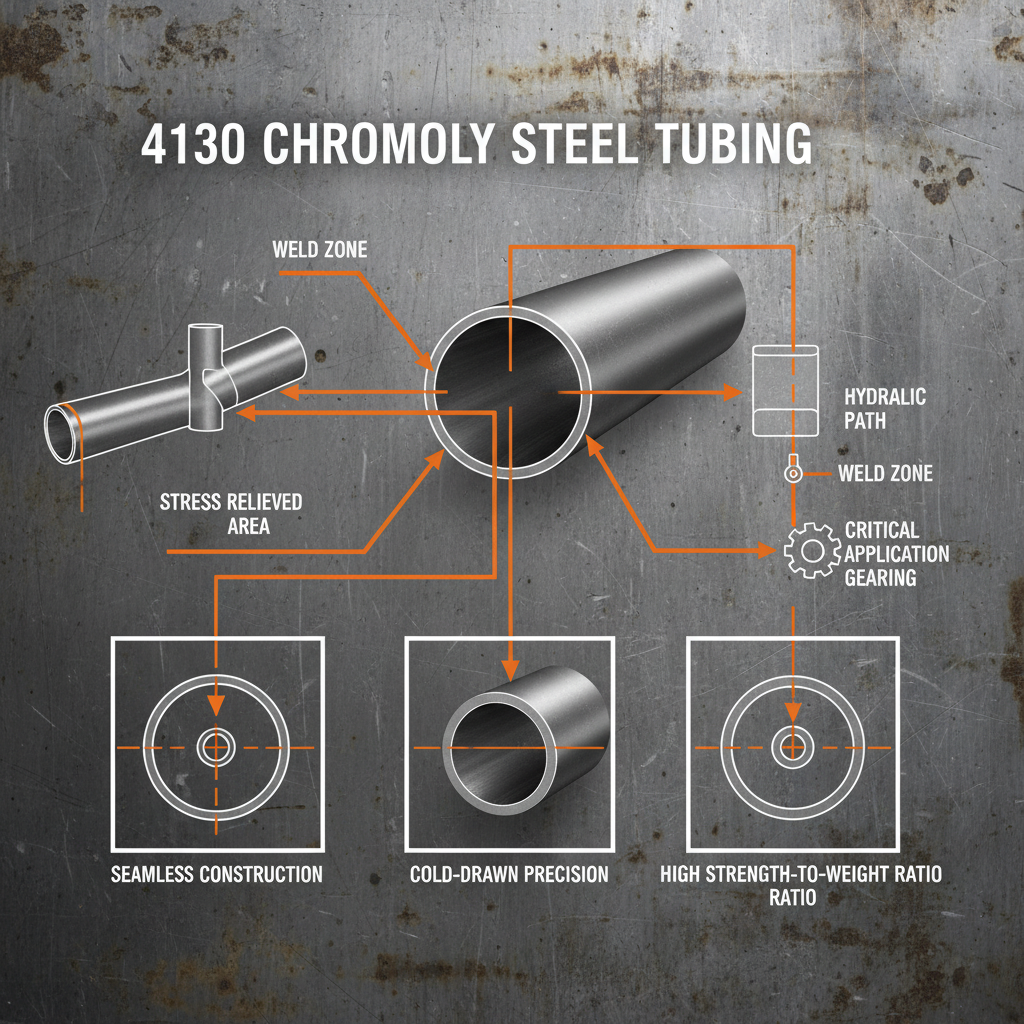
In the world of high-performance engineering, material selection is the foundation of safety and efficiency. 4130 steel tubing is widely recognized as the gold standard for applications requiring an exceptional strength-to-weight ratio. Known for its versatility and reliability, this chromium-molybdenum alloy is the preferred choice for everything from aircraft frames to professional roll cages. Understanding the nuances of this material allows engineers to optimize structural integrity without adding unnecessary bulk. In this comprehensive guide, we will explore why this specific alloy remains a top choice for critical industrial and aerospace components.
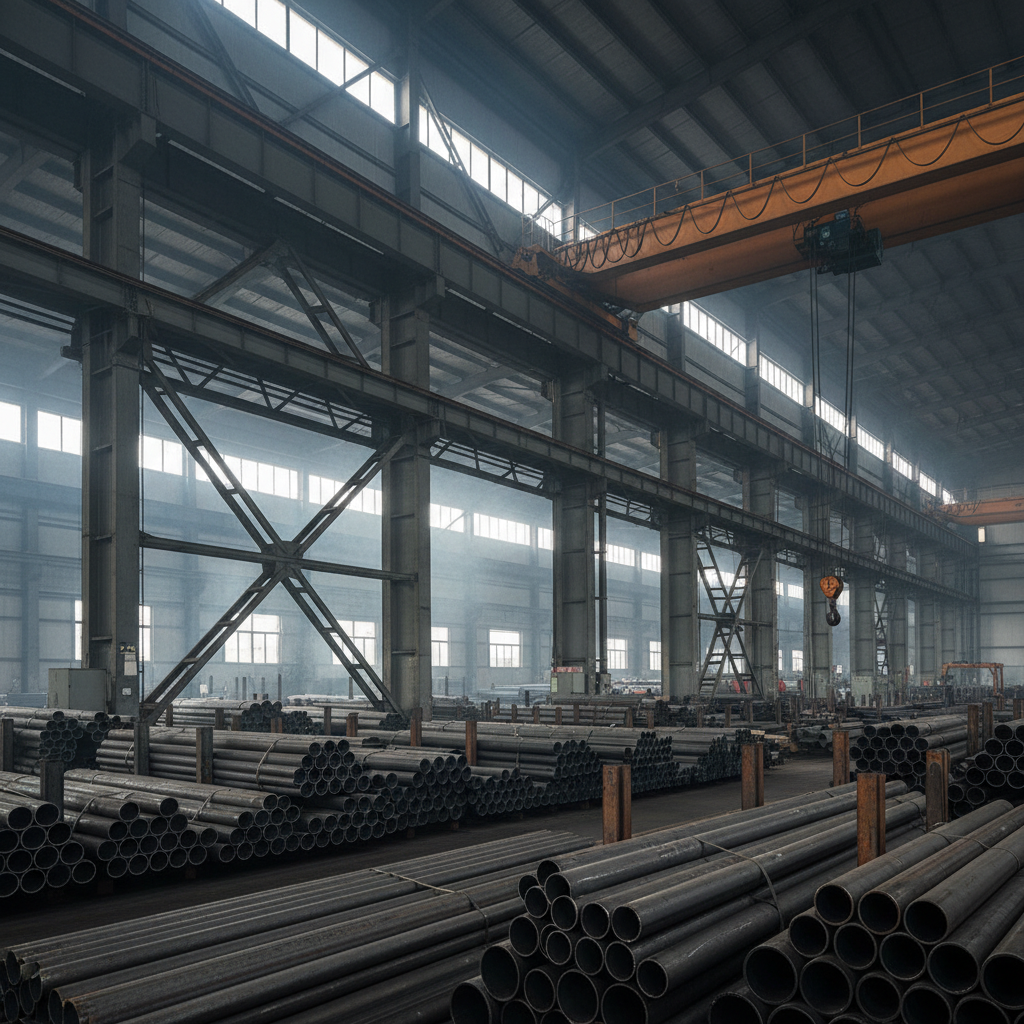
The secret behind the performance of 4130 steel tubing lies in its chemical composition. As a low-alloy steel containing chromium and molybdenum, it offers a unique balance of ductility, weldability, and tensile strength. Chromium provides essential corrosion resistance and hardness, while molybdenum increases the material's strength at elevated temperatures. This combination ensures that the tubing can withstand immense pressure and impact without catastrophic failure, making it indispensable for safety-critical structures.
Technical Insight: Unlike standard carbon steels, the "41" series alloys are designed to be heat-treated, allowing manufacturers to precisely tune the hardness and strength based on the final application's needs.
When compared to other alloys, 4130 steel tubing excels in environments where weight reduction cannot come at the expense of safety. Its high yield strength allows for thinner wall thicknesses, which significantly reduces the overall weight of a vehicle or aircraft frame. Additionally, its excellent weldability means it can be joined using TIG or MIG welding with minimal risk of cracking, provided the correct heat treatment is applied post-welding. This makes it an ideal material for complex chassis designs.
Primary Advantages:
• Superior strength-to-weight ratio compared to mild steel
• High fatigue resistance for long-term durability
• Exceptional response to heat treatment
• Reliable performance under high-stress loads
Choosing the right material requires a clear understanding of how different steels behave under stress. While mild steel is cheaper and easier to form, it lacks the structural rigidity required for high-impact environments. On the other hand, stainless steel offers better corrosion resistance but is often heavier and more expensive. 4130 steel tubing fills the gap by providing a professional-grade solution that balances cost, weight, and extreme strength.
The adaptability of 4130 steel tubing allows it to be utilized across a vast spectrum of industries. In aerospace, it is used for engine mounts and fuselage supports where failure is not an option. In motorsports, it is the primary material for NASCAR and NHRA roll cages because it can absorb energy during a crash while maintaining the driver's survival space. Additionally, it is frequently used in the manufacture of high-end bicycle frames and specialized industrial machinery components.
To ensure consistency and safety, 4130 steel tubing is produced according to strict international standards, such as ASTM A519. These standards dictate the allowable chemical variance and mechanical properties. Whether the tubing is supplied in a normalized or annealed state, quality control is paramount to avoid internal defects. Below is a general specification table for typical industrial-grade 4130 tubing:
While 4130 steel tubing is significantly stronger than mild steel, it is still susceptible to oxidation and rust if left unprotected. To maintain its structural integrity over time, professional coatings are highly recommended. Powder coating, galvanizing, or high-performance industrial primers are commonly used to seal the metal from moisture. Regular inspections for surface corrosion, especially in weld zones, ensure that the material continues to perform at its peak capacity throughout its operational life.
The strategic use of 4130 steel tubing allows engineers to push the boundaries of design, achieving a perfect harmony between lightness and strength. Whether you are building a high-performance race car, an aircraft component, or industrial support structures, this alloy provides the reliability and safety required for the most demanding tasks. By sourcing materials that meet strict ASTM standards and employing proper heat treatment and coatings, you ensure a product that lasts. Trust the precision and strength of Chromoly steel for your next project.
Not necessarily "harder," but it requires more precision. While mild steel is very forgiving, 4130 is a low-alloy steel that can develop a "Heat Affected Zone" (HAZ) after welding. This area can become brittle if not handled correctly. Professionals typically use TIG welding for cleaner joints and may apply a normalization heat treatment after welding to restore the material's ductility and strength. Using the correct filler rod (such as ER80S-D2) is also essential to maintain the integrity of the joint.
While incredibly versatile, 4130 is specifically optimized for applications where strength-to-weight ratio is critical. For very simple structures where weight is not a concern and budget is the primary driver, mild steel may be a more cost-effective choice. Additionally, for environments with extreme chemical exposure, a dedicated stainless steel or titanium alloy might be necessary. However, for most high-performance structural needs, 4130 is the ideal middle ground.
The most reliable way to verify quality is to request a Mill Test Report (MTR). This document provides the exact chemical composition and mechanical properties (like tensile strength and yield point) of the specific batch of steel you are purchasing. Ensure the material complies with standards like ASTM A519. Additionally, a visual inspection for surface pitting, seamlessness, and dimensional consistency is a crucial part of the quality assurance process when sourcing from a supplier like Lion Pipeline.
Yes, heat treatment is what allows 4130 to reach its full potential. It can be supplied in an "Annealed" state for maximum machinability or "Normalized" for a balance of strength and toughness. For maximum hardness, it can be quenched and tempered. Depending on the application—such as a race car chassis versus an aircraft part—the heat treatment process will vary to ensure the material is neither too brittle (which leads to cracking) nor too soft (which leads to bending).
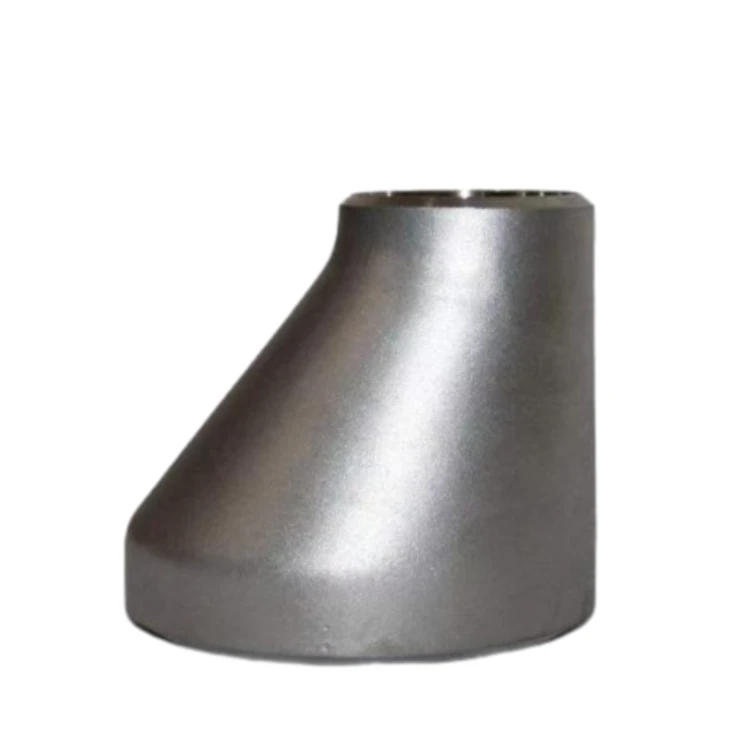
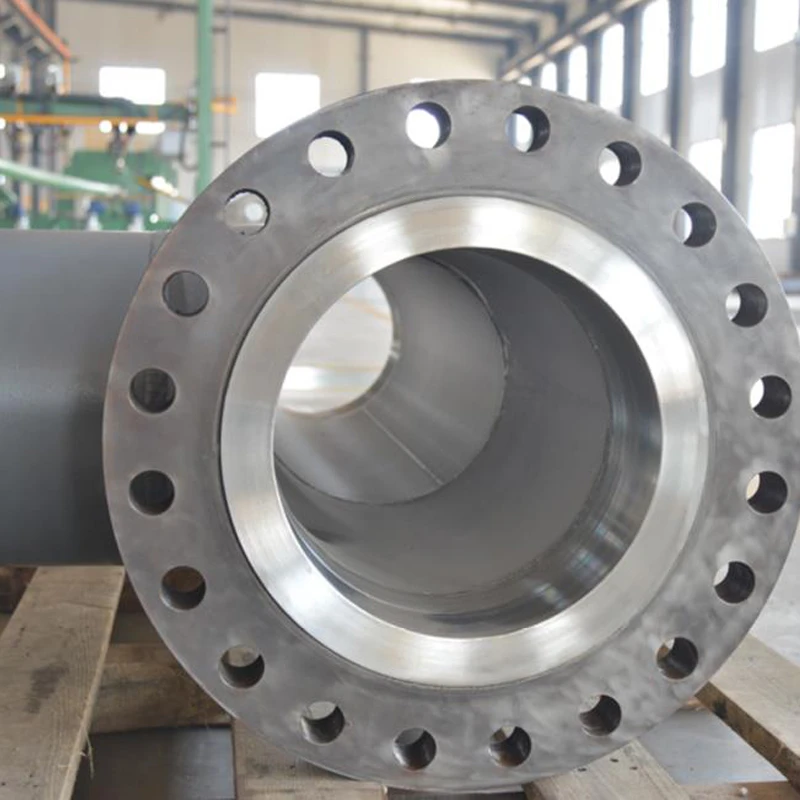
Factory Prefabricated Products
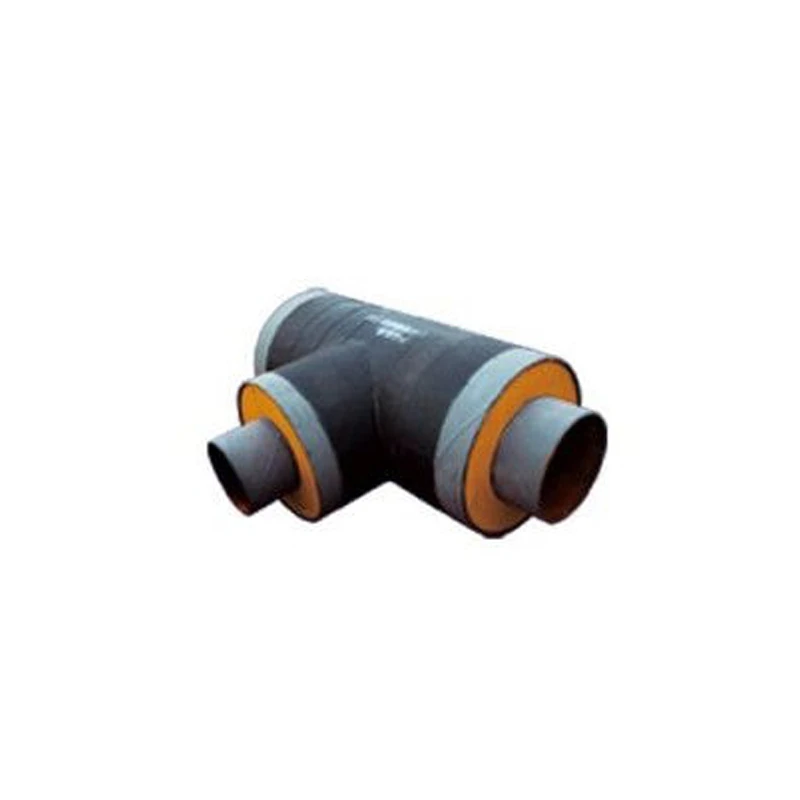
Anti Corrosion And Thermal Insulation Products
Ultimate Guide to 4130 Tubing Strength Performance and Applications
Pipe Cap-Cangzhou Lion Technology Co., Ltd.|Enhancing System Efficiency&Durability
Pipe Cap-Cangzhou Lion Technology Co., Ltd.|Enhancing System Efficiency&Durability
Pipe Cap-Cangzhou Lion Technology Co., Ltd.|Enhancing System Efficiency&Durability
Pipe Cap-Cangzhou Lion Technology Co., Ltd.|Enhancing System Efficiency&Durability
Pipe Cap-Cangzhou Lion Technology Co., Ltd.|Enhancing System Efficiency&Durability