Structural steel pipe, at first glance, might sound like just another industrial component. But in reality, it plays a critical role in shaping cities, supporting energy projects, and even aiding humanitarian efforts globally. From skyscrapers to oil pipelines and temporary disaster shelters, understanding this material isn’t just for engineers—it’s for anyone curious about how our world stays built and connected.
Globally, the demand for robust, versatile, and cost-effective building materials remains high. According to the International Organization for Standardization (ISO), steel consumption continues to grow steadily, driven by infrastructure developments and industrial expansion. Structural steel pipes serve as a foundation here — they address challenges like durability, efficiency, and scalability in construction and manufacturing.
In short, they help solve the age-old problem of combining strength with flexibility, meaning safer buildings, more reliable pipelines, and faster setup times for temporary structures. Frankly, without advances in steel piping, a lot of modern feats would look very different.
Put simply, a structural steel pipe is a hollow cylindrical section made from rolled steel, designed to bear loads and stresses in construction or industrial applications. Unlike pipes used solely for fluid transport, these are specifically engineered to support weight and resist mechanical forces.
Think of them as the skeleton beams of many projects—from framing in commercial buildings to utility poles and large-scale scaffolding. Their combination of strength, light weight (compared to solid steel bars), and corrosion resistance makes them invaluable both for everyday buildings and for emergency infrastructure.
Beyond their mechanical roles, they meet humanitarian needs too. In post-disaster zones where roads and bridges are destroyed, lightweight steel pipes allow quick replacement of critical frameworks, enabling urgent shelter and services to be re-established.
The fact that steel pipes are recyclable adds another layer of importance as industries push toward sustainability. They’re not a mere component but rather a piece of a broader socio-economic ecosystem.
Structural steel pipes handle significant stress thanks to their material properties and cross-sectional design. Many engineers praise mild steel's balance of tensile strength and ductility, making it resilient in both tension and compression applications.
They come in varying diameters, thicknesses, and lengths, suitable for everything from tiny handrails to massive bridge supports. This means architects and builders can adapt steel pipes flexibly to their project's scale.
Compared to solid beams or custom-fabricated structures, steel pipes offer excellent strength-to-cost ratios. Their hollow form reduces material needed, trimming both weight and price, which is crucial in budget-conscious projects.
With proper coatings or galvanized finishes, steel pipes resist rust and last decades in harsh environments—key for pipelines or outdoor applications.
Lighter than equivalent solid metal bars and often delivered in modular sections, structural steel pipes speed up onsite assembly and reduce logistical headaches.
Structural steel pipes aren’t just durable and versatile—they’re pragmatically built for the demands of modern construction and emergency response alike. Their clever design balances cost, strength, and service life in ways that often go unnoticed but are absolutely essential.
Such pipes have found their place worldwide:
For example, after the 2010 Haiti earthquake, relief organizations quickly erected steel pipe frame shelters to address urgent housing needs—highlighting not only practicality but also social value in post-disaster recovery.
The benefits are both tangible and nuanced:
It’s odd how a simple pipe can carry so much meaning when you think about human safety and economic growth. They’re quiet enablers of innovation, trust, and resilience.
| Specification | Typical Range | Unit |
|---|---|---|
| Outer Diameter | 21 - 610 | mm |
| Wall Thickness | 2.0 - 25 | mm |
| Yield Strength | 250 - 350 | MPa |
| Length | 6 - 12 | meters |
| Finish | Galvanized / Painted | - |
| Vendor | Global Reach | Product Range | Sustainability Initiatives | Typical Lead Time |
|---|---|---|---|---|
| Lion Pipeline Inc. | Worldwide | 100+ diameters & grades | Recycled content, ISO 14001 | 4–6 weeks |
| SteelWorks Global | Asia, Europe | Wide, including specialty alloys | Energy-efficient production | 3–5 weeks |
| Metro Pipe Solutions | North America | Standard diameters & custom cuts | Waste reduction programs | 2–4 weeks |
The sector isn’t standing still. Advances in metallurgy and manufacturing mean steel pipes are becoming lighter, stronger, and more sustainable. For example, using higher strength low-alloy steels reduces material needs, while new coatings improve corrosion protection without toxic chemicals.
Digital transformation impacts the supply chain too. Many vendors now use automated cutting and inspection tools combined with AI demand forecasting, trimming waste and lead times.
On the policy side, global initiatives encouraging green infrastructure and circular economies mean steel pipes must meet stricter carbon footprint standards—something manufacturers are actively working on.
Despite all advantages, there are hurdles. Corrosion in really harsh climates, transportation logistics to remote areas, and sometimes regulatory red tape slow deployment. However, solutions range from new polymer linings to optimized packaging and even modular manufacturing closer to sites.
Many experts suggest closer collaboration across supply chains and upfront planning to avoid surprises during construction. To me, it feels like the difference between rushing a build and sewing a well-tailored suit.
A1: Structural steel pipes are specifically designed to handle mechanical loads such as weight, tension, and pressure in construction and frameworks. Regular steel pipes might only be intended for fluid conveyance and may lack the structural certifications or thickness needed for load-bearing uses.
A2: The required load, environmental conditions, and intended application mainly determine size. For example, a pipeline carrying gas under pressure needs thicker walls, while scaffolding components might prioritize weight savings with thinner pipes.
A3: Yes, they are highly recyclable. Many manufacturers use recycled steel, and the long lifespan reduces replacement frequency, cutting overall environmental impact.
A4: Absolutely. Their ease of transport, strength, and modular sizing make them ideal for rapid deployment in emergency housing and medical facility frames.
A5: Look for compliance with ASTM, ISO, or EN standards relevant to structural steel. Certifications ensure the pipes meet mechanical and chemical requirements suitable for your specific project needs.
Structural steel pipes might hide in plain sight, but their role is pivotal from a global, industry, and humanitarian perspective. Cost-effective, durable, and flexible, they keep buildings safe, infrastructure reliable, and emergency responses fast.
Curious to explore more about their capabilities or find trusted vendors? Visit our website at https://www.lion-pipeline.com and get started on your next structural project with confidence.
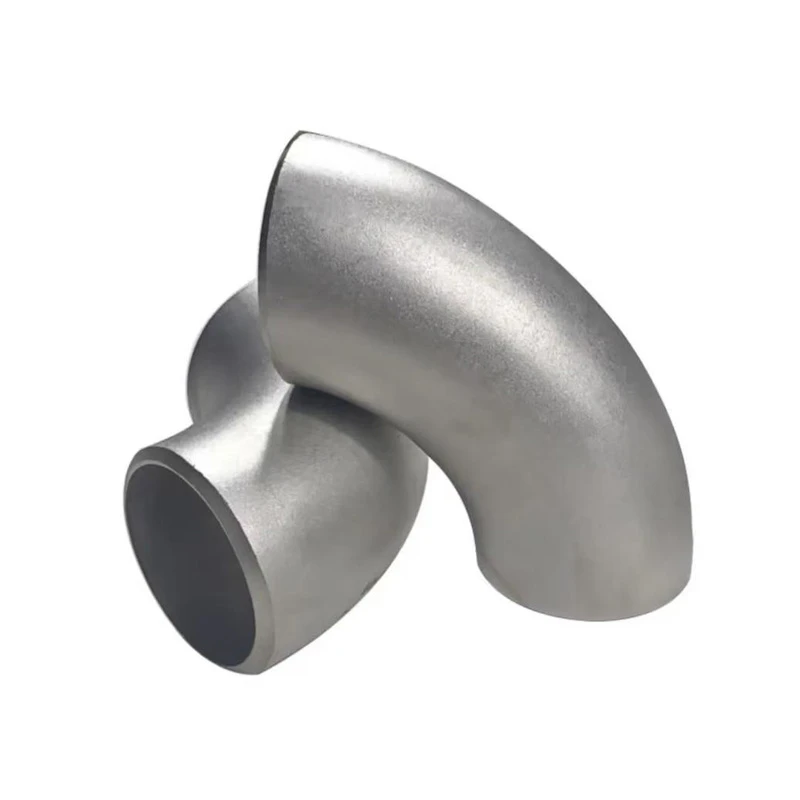
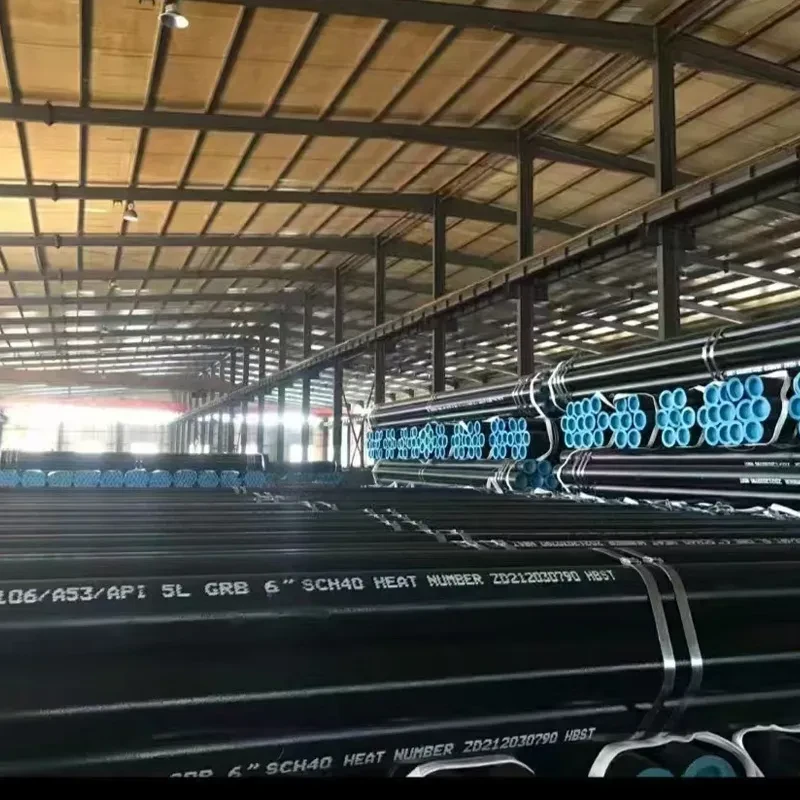
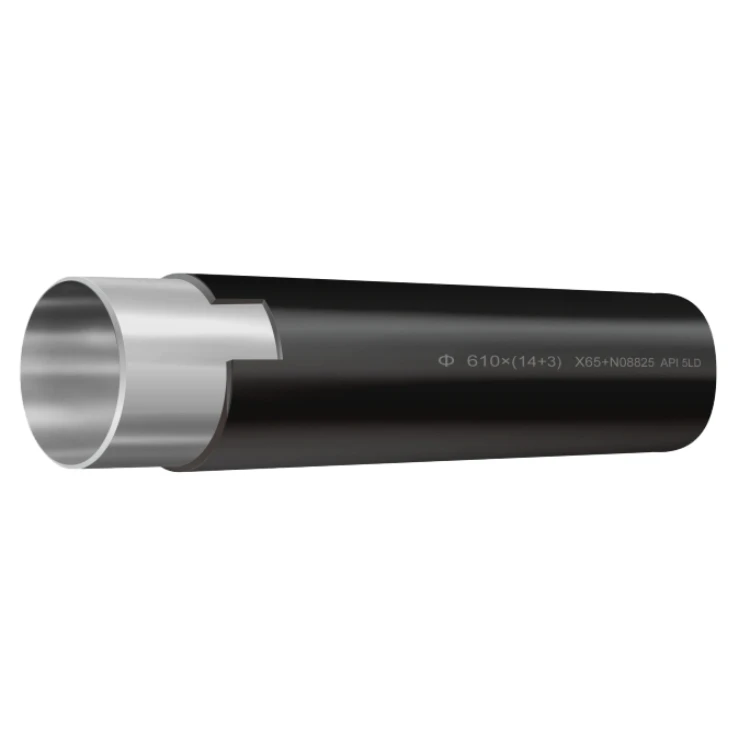

Ultimate Guide to 4130 Tubing Strength Performance and Applications
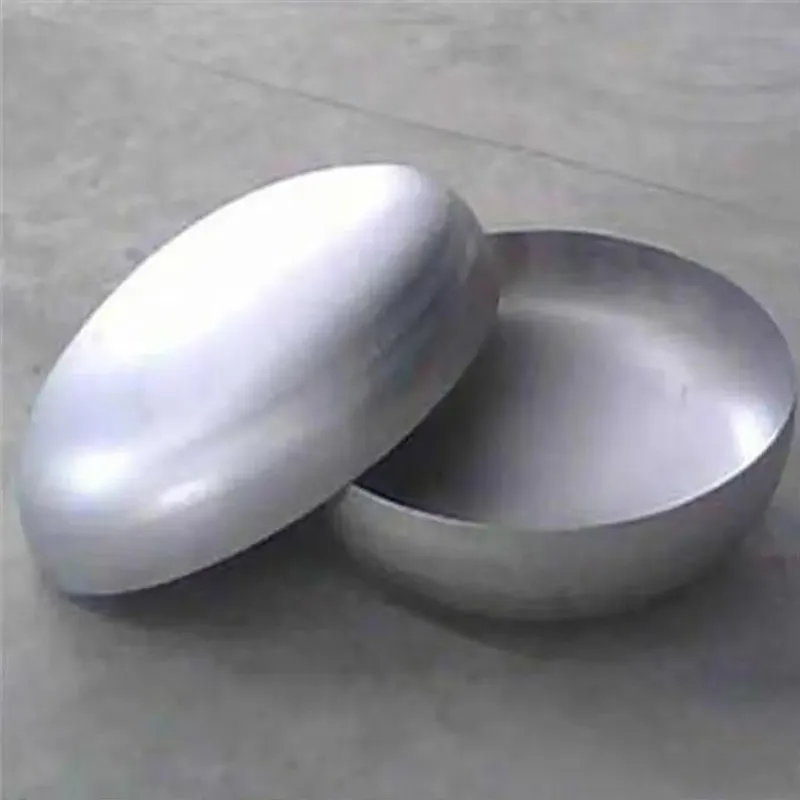
Pipe Cap-Cangzhou Lion Technology Co., Ltd.|Enhancing System Efficiency&Durability
Pipe Cap-Cangzhou Lion Technology Co., Ltd.|Enhancing System Efficiency&Durability
Pipe Cap-Cangzhou Lion Technology Co., Ltd.|Enhancing System Efficiency&Durability
Pipe Cap-Cangzhou Lion Technology Co., Ltd.|Enhancing System Efficiency&Durability
Pipe Cap-Cangzhou Lion Technology Co., Ltd.|Enhancing System Efficiency&Durability