tel
Email
to top

Types of Steel Pipes

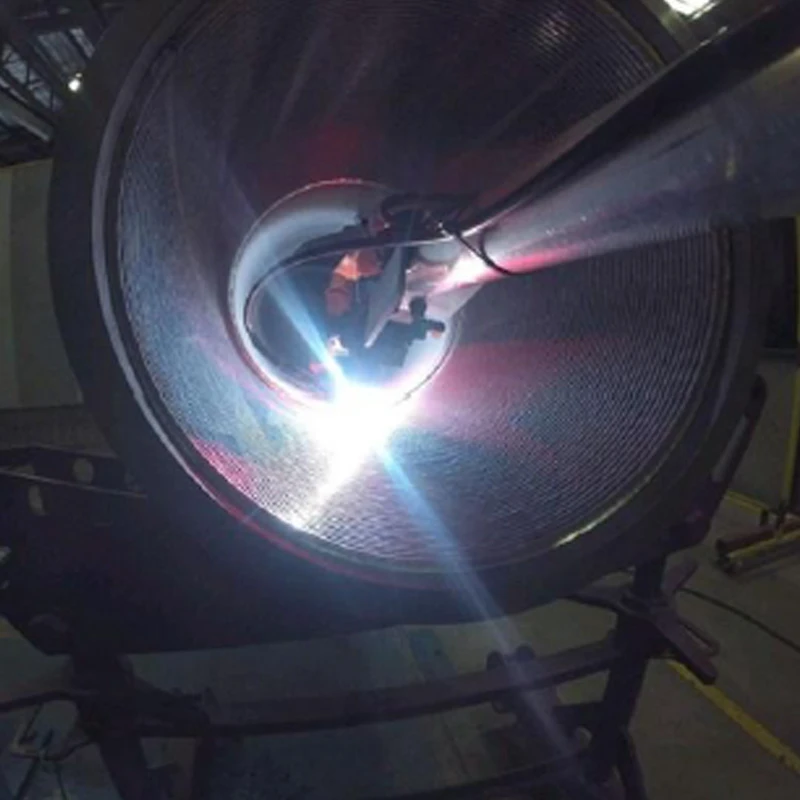
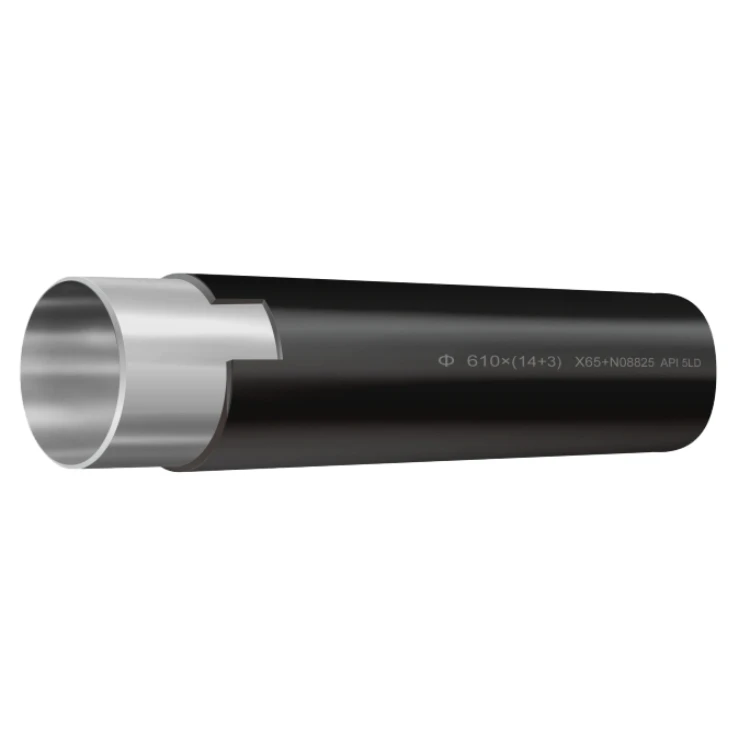
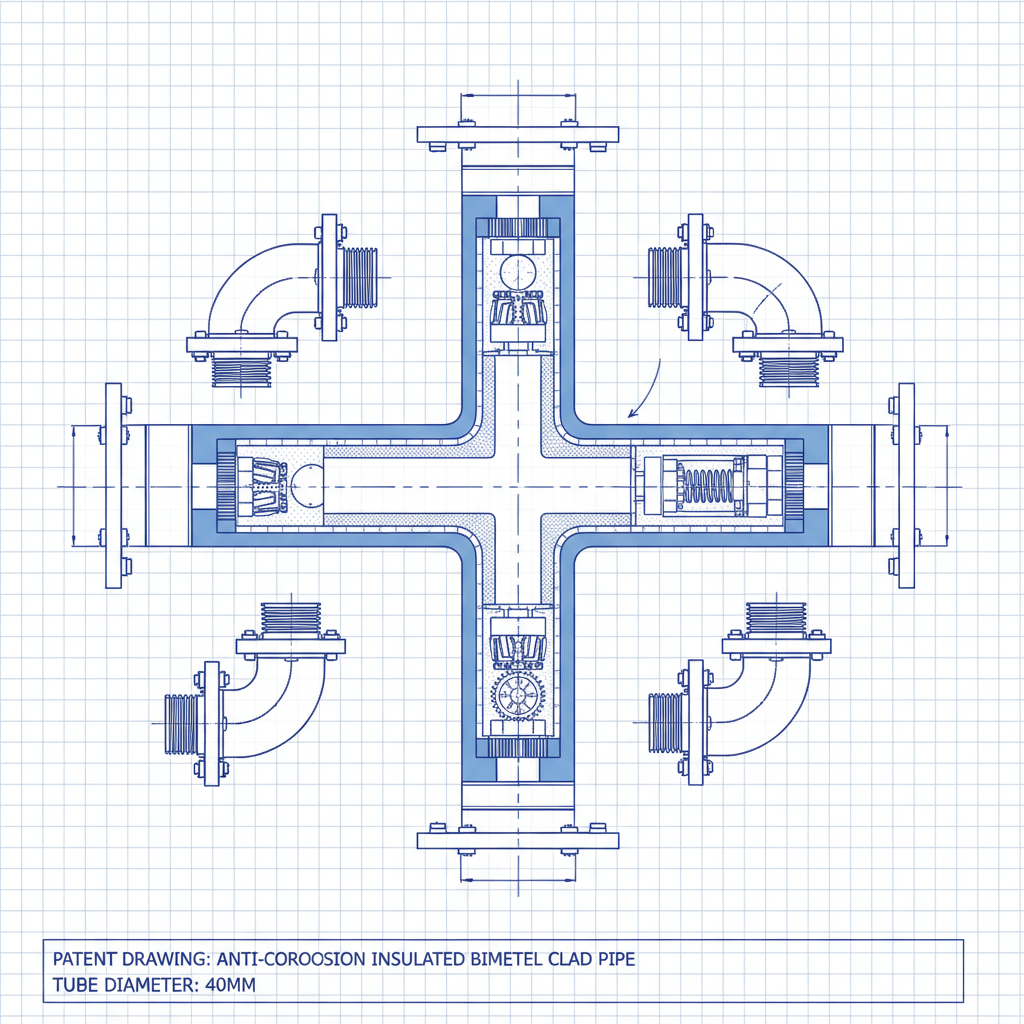
Bimetal kompozit boru, kaynak veya diğer gelişmiş işlemlerle iki metal malzemeden oluşur. Genellikle iç katman korozyona dayanıklı veya aşınmaya dayanıklı metaller (paslanmaz çelik gibi) kullanır ve dış katman daha yüksek mukavemete sahip metaller (karbon çeliği veya düşük alaşımlı çelik gibi) kullanır.


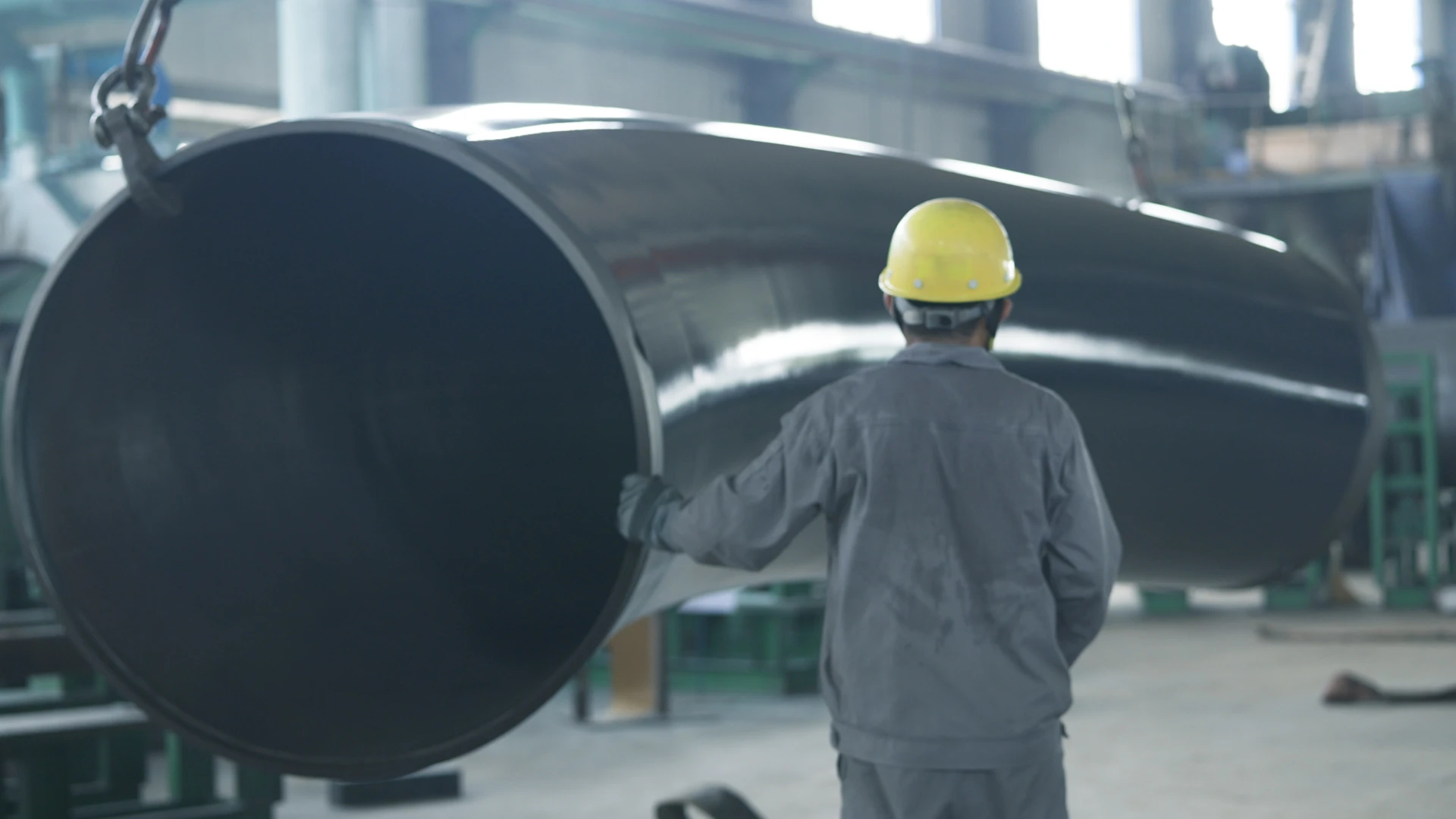
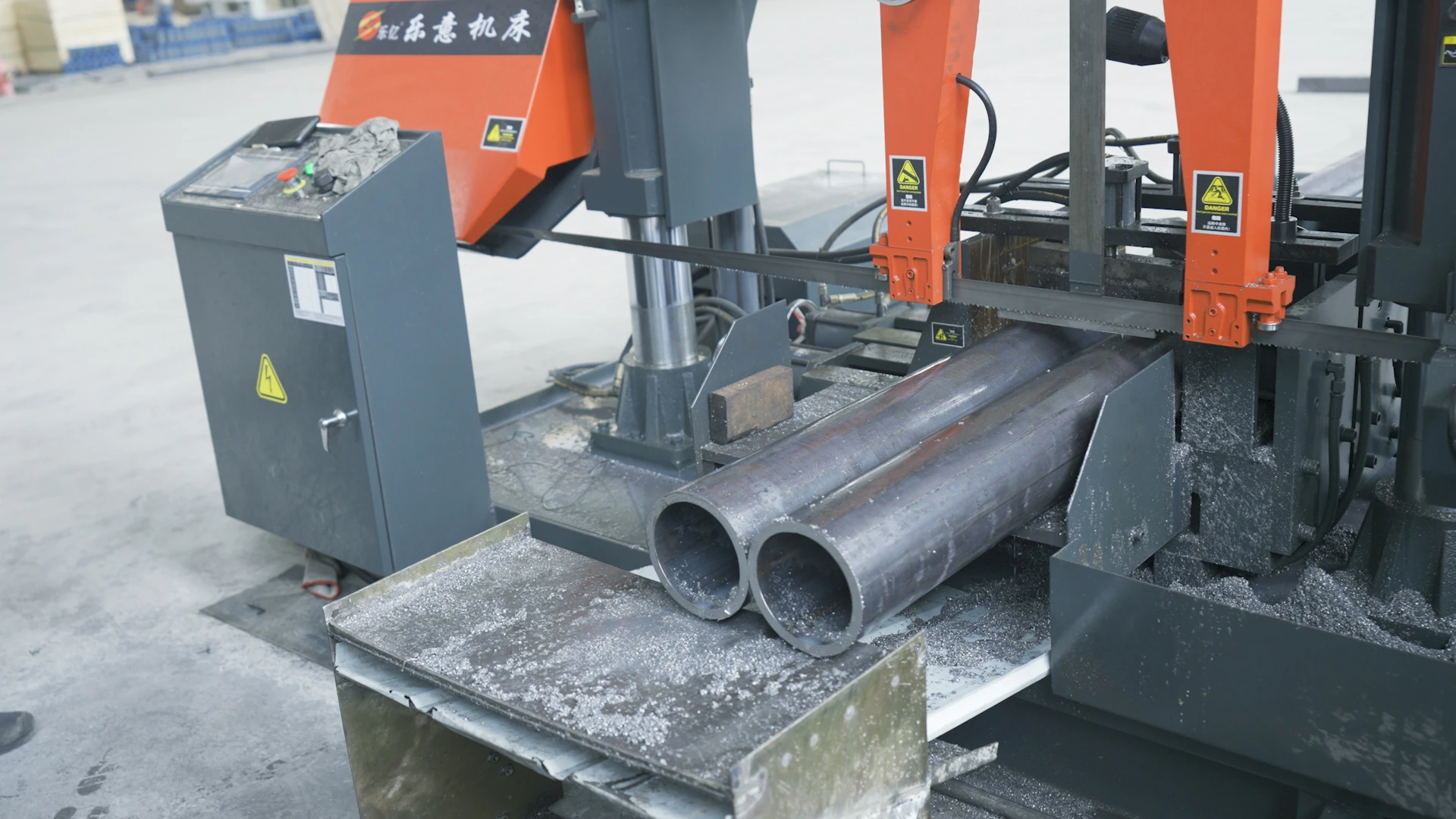
Dikişsiz çelik boru, kütüğün yüksek sıcaklıkta ısıtılıp delinmesi ve ardından çekilmesi veya raybalanmasıyla üretilir. Pürüzsüz iç ve dış yüzeyler, düzgün yapı ve mükemmel mekanik özellikler özelliklerine sahiptir.


Çelik Borunun Avantajları

Hem bimetalik kompozit boru hem de karbon çelik dikişsiz çelik boru, işleme ve inşaat sürecinde iyi kaynaklanabilirlik ve işlenebilirliğe sahiptir, bu da sahada kurulum, bakım ve özelleştirilmiş dönüşüm için uygundur.

Çelik Boru SSS

  • Bimetalik kompozit boruların avantajları nelerdir?

    İç katman genellikle paslanmaz çelik veya diğer korozyona dayanıklı malzemelerden yapılırken, dış katman karbon çeliğinden veya alaşımlı çelikten yapılır. Bu şekilde, kompozit borular aşırı çalışma ortamlarında mükemmel korozyon direnci, aşınma direnci ve yüksek mukavemet sağlayabilirken, yüksek basınç ve yüksek sıcaklık direncini koruyabilir ve bu da onları özellikle petrol, kimya ve enerji gibi endüstriler için uygun hale getirir.
  • Karbon çelik dikişsiz çelik borular hangi uygulama alanlarına uygundur?

    Karbon çelik dikişsiz çelik borular, petrol, doğal gaz, kimya, inşaat, makine imalatı ve güç gibi yüksek mukavemet ve basınç direnci gerektiren endüstrilerde yaygın olarak kullanılır. Sıvılar ve gazlar için boru hatları, kazan boruları, mekanik yapı bileşenleri vb. taşımak için kullanılır ve yüksek basınç ve sıcaklık gerektiren uygulamalar için çok uygundur.
  • Bimetalik kompozit borular nasıl döşenir?

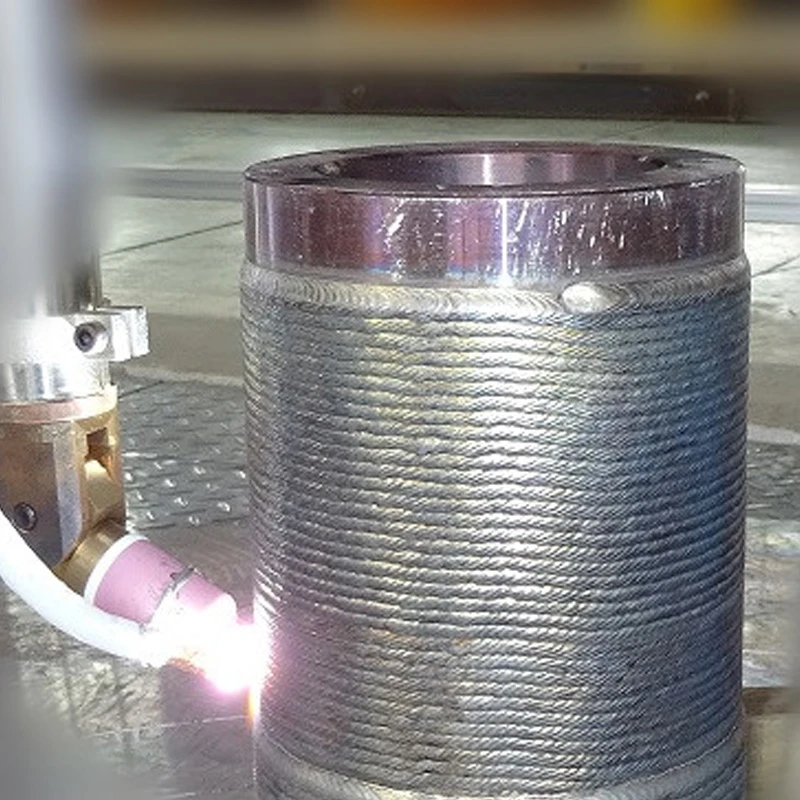
    Bimetalik kompozit boruların montaj yöntemi geleneksel çelik borulara benzerdir, ancak kompozit malzemelerinin yapısı nedeniyle montaj sırasında kaynak işlemlerine ve malzeme uyumluluğuna özel dikkat gösterilmesi gerekir. Genellikle, kaynak noktalarının mukavemetini ve korozyon direncini sağlamak için iç ve dış katmanların metal malzemeleri için farklı kaynak teknikleri gerekir. Montaj işlemi sırasında, boru hattının dış katmanına zarar gelmesini önlemek için aşırı mekanik darbelerden de kaçınılmalıdır.
  • Bimetalik kompozit boru veya dikişsiz karbon çelik boru nasıl seçilir?

    Bimetalik kompozit borular ile dikişsiz karbon çelik borular arasındaki seçim, uygulama ortamının özel gereksinimlerine bağlıdır. Çalışma ortamı güçlü korozyon, yüksek sıcaklık veya aşınma içeriyorsa, bimetalik kompozit borular genellikle daha uygun bir seçimdir çünkü daha iyi korozyon direncine ve aşınma direncine sahiptirler. Maliyet kritikse ve çalışma koşulları aşırı yüksek korozyon direnci gerektirmiyorsa, karbon çelik dikişsiz çelik borular daha uygun maliyetli bir seçimdir.
  • Bimetalik kompozit boruların korozyon dayanımı nedir?

    Bimetalik kompozit boruların iç tabakası genellikle paslanmaz çelik veya alaşımlı çelik gibi güçlü korozyon direncine sahip malzemelerden yapılır ve bu da özellikle güçlü kimyasal korozyonun olduğu ortamlarda mükemmel korozyon direnci sağlar. Dış kimyasal maddelerin boru hattının iç duvarını aşındırmasını etkili bir şekilde önleyebilir, boru hattının hizmet ömrünü uzatabilir ve bakım ve değiştirme sıklığını azaltabilir.
Haberler
Firmamız ürün kalitesini işletmenin yaşam kaynağı olarak görmekte, sektör ve ulusal standartların gerekliliklerine uygun sağlam bir kalite yönetim sistemi kurmakta, tüm süreçte girdi ve çıktıların her aşamasını kontrol etmekte, her ayrıntıya dikkat etmekte ve ürün teslimat başarı oranının 0 olmasını sağlamaktadır.
Ultimate Guide to 4130 Tubing Strength Performance and Applications

Ultimate Guide to 4130 Tubing Strength Performance and Applications

Apr.16,2026
In the world of high-performance engineering, material selection is the foundation of safety and efficiency. 4130 tubing is widely regarded as the gold standard for applications requiring an exceptional strength-to-weight ratio. This chrome-molybdenum alloy steel is engineered to withstand extreme stress while remaining lightweight enough for aerospace and automotive use. Whether you are designing a roll cage, a bicycle frame, or a critical industrial component, understanding the nuances of this material is essential. In this comprehensive guide, we will explore why this specific alloy is preferred by engineers worldwide and how to choose the right specifications for your project.
Properties and Industrial Applications of 4130 steel tubing

Properties and Industrial Applications of 4130 steel tubing

Apr.09,2026
In the world of high-performance engineering, material selection is the foundation of safety and efficiency. 4130 steel tubing is widely recognized as the gold standard for applications requiring an exceptional strength-to-weight ratio. Known for its versatility and reliability, this chromium-molybdenum alloy is the preferred choice for everything from aircraft frames to professional roll cages. Understanding the nuances of this material allows engineers to optimize structural integrity without adding unnecessary bulk. In this comprehensive guide, we will explore why this specific alloy remains a top choice for critical industrial and aerospace components.
Comprehensive Guide to 40mm Steel Tube Applications and Material Selection

Comprehensive Guide to 40mm Steel Tube Applications and Material Selection

Apr.07,2026
40mm steel tube is a versatile and widely used material in various industries, from construction and manufacturing to automotive and beyond. Its strength, durability, and cost-effectiveness make it an ideal choice for numerous applications. This article will delve into the characteristics, applications, benefits, and considerations when working with 40mm steel tube, providing a comprehensive overview for professionals and anyone interested in this essential material.
Comprehensive Guide to 40mm Steel Pipe Applications and Considerations

Comprehensive Guide to 40mm Steel Pipe Applications and Considerations

Apr.04,2026
40mm steel pipe is a widely used material in various industries due to its strength, durability, and cost-effectiveness. From construction and infrastructure projects to industrial applications and fluid transportation, this pipe size offers a versatile solution. This article will delve into the properties, applications, standards, and key considerations when selecting 40mm steel pipe, helping you make informed decisions for your specific needs.
Comprehensive Guide to 40mm Metal Pipe Applications and Sourcing

Comprehensive Guide to 40mm Metal Pipe Applications and Sourcing

Mar.31,2026
40mm metal pipe is a crucial component in a wide array of industries, from construction and plumbing to industrial manufacturing and fluid transport. Its strength, durability, and versatility make it a preferred material for countless applications. This article will delve into the specifics of 40mm metal pipe, exploring its various types, common uses, benefits, and where to source high-quality piping solutions.
Comprehensive Guide to 40mm Galvanised Pipe Applications and Specifications

Comprehensive Guide to 40mm Galvanised Pipe Applications and Specifications

Mar.28,2026
When planning a plumbing, structural, or industrial project, selecting the right piping material is crucial. 40mm galvanised pipe is a widely used option known for its strength, durability, and corrosion resistance. This article provides a detailed overview of 40mm galvanised pipes, exploring their applications, benefits, specifications, and considerations for optimal usage. We'll cover everything from what galvanisation is to how to choose the right pipe for your specific needs.
tel email tel top

Ürünlerimizle ilgileniyorsanız, bilgilerinizi buraya bırakabilirsiniz; en kısa sürede sizinle iletişime geçeceğiz.