tel
Email
to top

The Diverse Landscape of Flanges in Industrial Applications

Jul 28 2025
compartilhar:

Flanges are essential components in various industrial systems, playing a crucial role in connecting pipes, valves, pumps, and other equipment. Different types of flanges serve specific purposes, and understanding their characteristics and applications is key to ensuring the integrity and efficiency of industrial setups. In this exploration, we'll delve into the world of metric flangesmild steel flangesmotor flangesmounting flanges, and ms flanges, uncovering their unique features and the vital functions they perform.
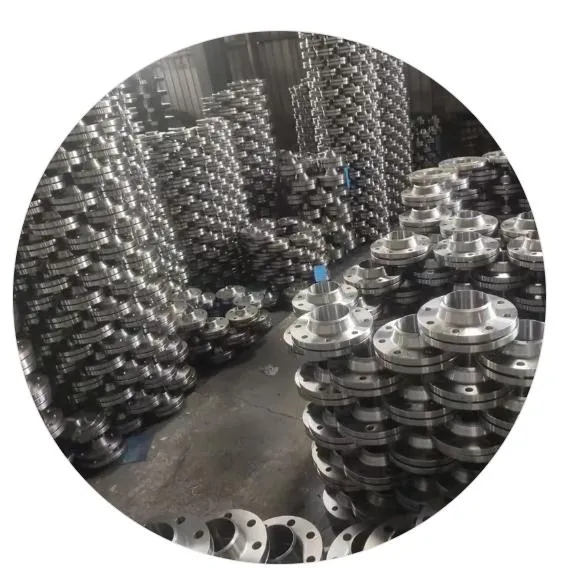
 

The Diverse Landscape of Flanges in Industrial Applications


The Precision and Standardization of Metric Flanges


In the realm of industrial piping systems, metric - based measurements bring a level of precision and standardization. Metric flanges are designed according to specific international standards that define their dimensions, pressure ratings, and connection types. These flanges are widely used in regions that adhere to the metric system, facilitating seamless integration of piping components across different manufacturers. For instance, in European industrial plants, metric flanges ensure that pipes of varying lengths and diameters can be securely joined together. The standardized bolt hole patterns and face profiles of metric flanges mean that replacement parts can be easily sourced, reducing downtime during maintenance and repair operations. Their ability to handle different pressure ranges makes them suitable for a variety of applications, from low - pressure water distribution systems to high - pressure industrial fluid transfer setups.


The Durability and Versatility of Mild Steel Flanges


Mild steel flanges, also known as ms flanges, are highly valued for their durability and cost - effectiveness. Composed of mild steel, which contains a relatively low percentage of carbon, these flanges offer good strength and formability. In construction projects, mild steel flanges are commonly used to connect structural steel members. They can withstand significant loads and stresses, ensuring the stability of buildings and bridges. In the oil and gas industry, ms flanges are employed in pipelines to transport hydrocarbons. Their resistance to corrosion, especially when properly coated or treated, makes them suitable for both onshore and offshore applications. Whether it's in a refinery where they help transfer refined products or in a natural gas processing plant, mild steel flanges provide a reliable connection solution that can endure harsh operating conditions.


Motor Flanges: Integral to Machinery Operation


When it comes to motors and rotating machinery, motor flanges play an indispensable role. These flanges are specifically designed to connect the motor to other components, such as pumps, fans, or conveyors. The motor flange serves as a mounting surface that ensures proper alignment between the motor shaft and the driven equipment. A well - designed motor flange reduces vibration and minimizes the risk of premature wear and tear on the motor and connected machinery. For example, in an industrial manufacturing facility, a motor flange on an electric motor driving a conveyor belt ensures smooth and consistent operation. It allows for easy installation and removal of the motor during maintenance, without disrupting the entire production line. The material and construction of motor flanges are carefully engineered to handle the torque and rotational forces generated by the motor, providing a secure and reliable connection.


Mounting Flanges: The Foundation for Secure Attachments


Mounting flanges act as the foundation for securely attaching various equipment and components. They come in different shapes and sizes, tailored to the specific requirements of the application. In the automotive industry, mounting flanges are used to attach engines, transmissions, and other critical components to the vehicle chassis. These flanges are designed to absorb shock and vibration, enhancing the overall ride comfort and durability of the vehicle. In the aerospace sector, mounting flanges are crucial for attaching aircraft engines, wings, and other structural elements. Precision - engineered mounting flanges ensure that these components are correctly positioned and can withstand the extreme forces experienced during flight. Whether it's in a manufacturing plant, a vehicle, or an aircraft, mounting flanges provide a stable and secure attachment point, enabling the safe and efficient operation of equipment.


FAQs about Specialized Flanges


How to Select the Right Flange for a Specific Application?


Selecting the appropriate flange depends on several factors. First, consider the operating pressure and temperature of the system. For high - pressure applications, flanges with higher pressure ratings, such as those made of stronger materials or with specific designs, are required. The type of fluid or gas being transported also matters, as some substances may be corrosive and demand flanges with appropriate corrosion - resistant properties. Additionally, the connection type, whether it's a weld - neck, slip - on, or blind flange, should be chosen based on ease of installation, maintenance, and the specific requirements of the piping or equipment setup.


What Are the Maintenance Requirements for Mild Steel Flanges?


Mild steel flanges require regular inspection to check for signs of corrosion, cracks, or deformation. Periodic cleaning and removal of dirt, debris, and any corrosive substances that may accumulate on the surface are essential. If corrosion is detected, the affected area may need to be cleaned, treated, and potentially recoated with a protective layer, such as paint or a corrosion - resistant coating. Bolts and gaskets associated with mild steel flanges should also be inspected and tightened as needed to ensure a secure seal and prevent leakage.


Can Motor Flanges Be Interchanged Between Different Motor Models?


In general, motor flanges are designed specifically for certain motor models and their associated driven equipment. Interchanging motor flanges between different motor models is not recommended without careful consideration. The flange's dimensions, bolt hole patterns, and the alignment of the motor shaft with the driven equipment are all critical factors. Even if the physical size of the flanges appears similar, differences in these key aspects can lead to improper alignment, excessive vibration, and potential damage to the motor and connected machinery. It's advisable to use flanges that are specifically designed and recommended for the motor and application at hand.

  • Carbon Semless Steel Pipes

    Tubos de aço carbono sem emenda

    Carbon Seamless Steel Pipes are made from high-quality carbon steel and manufactured without welded seams, offering exceptional strength, durability, and resistance to pressure. These pipes are ideal for a wide range of applications, including oil and gas pipelines, construction, automotive, and fluid transportation systems. The seamless design ensures uniformity, higher structural integrity, and improved performance under high pressure and temperature conditions.
    VER TUDO
  • Factory Prefabricated Products

    Produtos pré-fabricados de fábrica

    Na construção industrial moderna, a qualidade e a eficiência do fornecimento de conexões de tubos afetam diretamente o sucesso ou fracasso do projeto. Com conceito de produção avançado e forte força técnica, focamos na pré-fabricação de produtos em fábrica e fornecemos soluções completas de conexões de tubos para muitos campos-chave, como indústria petroquímica e indústria química de carvão.
    VER TUDO
  • Elbow

    Cotovelo

    Carbon Steel &stainless Steel Elbow Elbows are pipe fittings used to change the direction of pipelines in piping systems, commonly employed at pipeline bends. They are widely used in industries such as petroleum, chemical, and power. The common size range for elbows is DN15-DN2000, and typical angles include 45°, 90°, and 180°.
    VER TUDO
Para criar valor para os clientes!
A Cangzhou Leo Technology Co., Ltd. está localizada na Zona de Desenvolvimento Econômico do Condado de Mengcun, Cidade de Cangzhou, Província de Hebei. É uma empresa especializada de alta tecnologia que integra pesquisa e desenvolvimento, produção e vendas de tubos e conexões compostos.
Notícias
A empresa considera a qualidade do produto como a vida da empresa, estabelece um sistema de gestão de qualidade sólido de acordo com os requisitos da indústria e dos padrões nacionais, controla todos os aspectos de entrada e saída em todo o processo, presta atenção a cada detalhe e garante que a taxa de aprovação na entrega do produto seja de 100%.
Comprehensive Guide to 4 Inch Steel Tubing Applications and Selection

Comprehensive Guide to 4 Inch Steel Tubing Applications and Selection

4 inch steel tubing is a versatile material widely utilized across various industries, from construction and manufacturing to automotive and infrastructure. Its strength, durability, and cost-effectiveness make it a preferred choice for numerous applications. This article delves into the characteristics, applications, different types, and considerations when purchasing 4 inch steel tubing, offering a detailed overview for professionals and anyone seeking a deeper understanding of this essential material. Selecting the appropriate steel tubing can significantly impact the performance and longevity of your project. 4 inch steel tubing refers to hollow steel sections with an outer diameter of 4 inches. It’s commonly manufactured through processes like welding, seamless extrusion, or cold drawing. This tubing offers a high strength-to-weight ratio, making it ideal for structural applications.
Comprehensive Guide to 4 Inch Steel Pipe Applications and Specifications

Comprehensive Guide to 4 Inch Steel Pipe Applications and Specifications

4 inch steel pipe is a fundamental component in a vast array of industries, from construction and infrastructure to oil & gas and water management. Its robust nature, durability, and cost-effectiveness make it a preferred choice for conveying fluids and gases. This article will explore the various applications of 4 inch steel pipe, delve into its specifications, and offer guidance on sourcing high-quality pipes from a reliable supplier like Lion Pipeline. Choosing the right steel pipe is crucial for the longevity and safety of your projects, so understanding its properties and uses is essential. The versatility of 4 inch steel pipe allows it to be utilized in numerous applications. In the construction industry, it is frequently used for structural supports, fencing, and handrails. The oil and gas sector relies heavily on these pipes for transporting crude oil, natural gas, and refined products. Water treatment facilities employ them for water distribution and wastewater management. Furthermore, they find application in irrigation systems, fire protection systems, and even in the manufacturing of furniture and other industrial equipment. Its strength and ability to withstand high pressures make it a dependable solution across diverse sectors.
Comprehensive Guide to 4 Inch Stainless Steel Pipe Properties and Applications

Comprehensive Guide to 4 Inch Stainless Steel Pipe Properties and Applications

When sourcing materials for fluid transfer, structural support, or various industrial applications, 4 inch stainless steel pipe stands out as a versatile and reliable choice. This article provides a detailed overview of its properties, applications, grades, and considerations for optimal use. We’ll explore why stainless steel is often preferred over other materials and how to select the right pipe for your specific needs. Choosing the correct piping system is crucial for ensuring efficiency, safety, and longevity in any project. Stainless steel pipes, particularly those with a 4-inch diameter, possess a unique combination of properties that make them ideal for a wide range of applications. Corrosion resistance is paramount, thanks to the chromium content in the alloy, which forms a protective layer against environmental factors. High tensile strength and durability ensure longevity, even under pressure or demanding conditions. They also exhibit excellent temperature resistance, making them suitable for both high and low-temperature applications. Furthermore, stainless steel is hygienic and easy to clean, which is vital in industries like food processing and pharmaceuticals. The smooth internal surface minimizes friction loss, optimizing flow efficiency.
Comprehensive Guide to Durable 4 Inch Stainless Steel Exhaust Pipe Systems

Comprehensive Guide to Durable 4 Inch Stainless Steel Exhaust Pipe Systems

When it comes to exhaust systems for vehicles, machinery, or industrial applications, the choice of materials and dimensions is critical. A 4 inch stainless steel exhaust pipe offers a compelling combination of durability, corrosion resistance, and performance. This article provides an in-depth look at the benefits, applications, and considerations when selecting this type of piping. We’ll explore why Lion Pipeline is a trusted source for high-quality stainless steel exhaust pipes. Choosing the right exhaust system component can significantly impact overall system efficiency and longevity. A 4 inch stainless steel exhaust pipe provides several advantages over other materials like aluminized steel or carbon steel. Stainless steel's inherent corrosion resistance is a major benefit, especially in harsh environments where exposure to moisture, salt, and chemicals is common. Its strength and durability ensure a long service life, reducing the need for frequent replacements.
Comprehensive Guide to 4 Inch Stainless Pipe Applications and Benefits

Comprehensive Guide to 4 Inch Stainless Pipe Applications and Benefits

When selecting piping for a project, especially in industries demanding corrosion resistance and durability, 4 inch stainless pipe is a frequently considered option. This article provides a comprehensive overview of this type of piping, its applications, benefits, and key factors to consider when purchasing. We will delve into the various grades of stainless steel used, common applications, and why choosing a reputable supplier like Lion Pipeline is crucial for ensuring quality and compliance. Stainless steel pipes offer longevity and reduce maintenance, making them a cost-effective solution in the long run. 4 inch stainless steel pipe is renowned for its exceptional corrosion resistance, making it ideal for handling a wide variety of fluids and gases. Unlike carbon steel, stainless steel forms a passive layer of chromium oxide on its surface, protecting it from rust and corrosion. This is particularly important in harsh environments like those found in chemical processing, wastewater treatment, and marine applications. Furthermore, stainless steel pipes offer high strength and durability, capable of withstanding high pressures and temperatures.
Comprehensive Guide to 4 Inch Round Steel Tubing for Global Trade and Applications

Comprehensive Guide to 4 Inch Round Steel Tubing for Global Trade and Applications

4 inch round steel tubing is a versatile structural component widely used across numerous industries, from construction and manufacturing to automotive and agriculture. Its strength, durability, and relatively lightweight nature make it an ideal choice for a wide range of applications. For businesses involved in international steel trading, understanding the nuances of this particular tubing is crucial for meeting client demands and ensuring successful transactions. This article will provide a comprehensive overview of 4 inch round steel tubing, covering its specifications, applications, common standards, and considerations for efficient global sourcing. The term “4 inch round steel tubing” refers to steel pipes with an outer diameter of four inches and a circular cross-section. These tubes are manufactured through various processes, including welding, drawing, and seamless extrusion. The choice of manufacturing method significantly impacts the tube’s strength, precision, and cost. Common steel grades used for 4 inch round steel tubing include A53, A106 (for higher temperature applications), and 1018 carbon steel. Wall thickness varies depending on the application, commonly ranging from schedule 40 to schedule 80, influencing the tube’s load-bearing capacity and weight. Understanding these factors is essential when sourcing steel tubing from international suppliers.
tel email tel top

Se você estiver interessado em nossos produtos, deixe suas informações aqui e entraremos em contato com você em breve.