tel
Email
to top

Iron Pipe Fittings in Modern Plumbing and Construction

Abr 18 2025
compartilhar:

Iron pipe fittings are essential components in plumbing, construction, and industrial applications. These fittings ensure secure connections, directional changes, and efficient flow control in piping systems. This article explores the types, applications, manufacturing processes, and advantages of iron pipe fittings, focusing on common variants such as elbow pipe steelgalvanised steel elbow, and 2 stainless steel tee. Additionally, it discusses specialized fittings like brushed stainless steel newel post caps and butt weld pipe cap, highlighting their roles in various industries.


Types of Iron Pipe Fittings


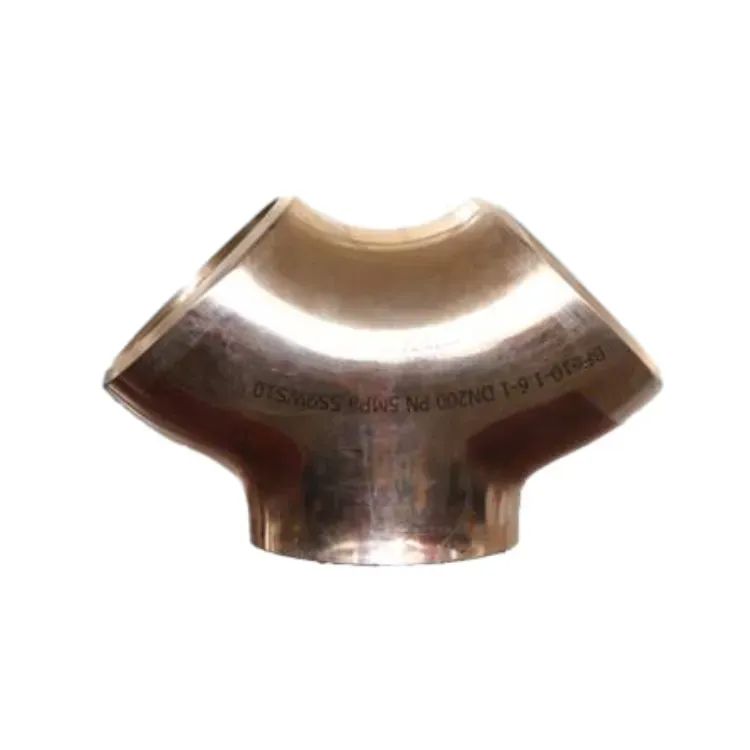
The variety of iron pipe fittings available meets diverse requirements in piping systems. Elbow pipe steel fittings are among the most commonly used, designed to change the direction of flow at standard angles. These fittings are particularly useful in tight spaces where pipes need to navigate around obstacles. The elbow steel butt welding type provides superior strength for high-pressure applications, making them ideal for industrial settings where leak-proof joints are critical.


Another important category includes tee fittings such as the 2 stainless steel tee and 6 stainless steel tee. These components allow for the division or combination of fluid flows in piping networks. The galvanised steel T-section offers similar functionality with added corrosion resistance, making it suitable for outdoor or moisture-prone environments. Each of these tee fittings comes in various sizes to accommodate different pipe diameters and flow requirements.


For architectural and decorative applications, specialized fittings like brushed stainless steel newel post caps and brushed steel newel post caps serve dual purposes. While providing structural support for railings and staircases, they also enhance aesthetic appeal with their polished finishes. The butt weld pipe cap, though simpler in design, plays a vital role in sealing pipe ends securely, preventing contamination and ensuring system integrity.


Manufacturing Processes of Iron Pipe Fittings


The production of high-quality iron pipe fittings begins with careful material selection. Carbon steel and stainless steel are the most commonly used metals, chosen for their strength and durability. For fittings requiring corrosion resistance, such as galvanised steel elbows and galvanised steel T-sections, the base material undergoes additional treatment processes. The selection process ensures each fitting meets the specific demands of its intended application.


Forming and shaping processes vary depending on the type of fitting. Elbow pipe steel and elbow steel butt welding fittings are typically created through hot forming or cold bending techniques. These methods allow for precise angle formation while maintaining structural integrity. For tee fittings like the 2 stainlesssteel tee and 6 stainless steel tee, machining processes ensure accurate dimensions and smooth interior surfaces to minimize flow resistance. Advanced welding techniques are employed to create seamless joints in butt-welded varieties.


Surface treatment represents the final stage in manufacturing. Galvanization provides a protective zinc coating for galvanised steel elbows and related fittings, significantly extending their service life. For decorative elements such as brushed stainless steel newel post caps, specialized finishing techniques create the desired aesthetic effect while maintaining functionality. Quality control measures, including pressure testing and dimensional verification, ensure each fitting meets industry standards before reaching the market.


Applications of Iron Pipe Fittings


In residential and commercial plumbing systems, iron pipe fittings form the backbone of efficient water distribution. The elbow pipe steel fittings enable pipes to navigate building structures effectively, while galvanised steel elbow components prove invaluable in outdoor plumbing due to their rust-resistant properties. These fittings ensure long-term reliability in environments where moisture and corrosion would degrade lesser materials.


Industrial applications demand even more robust solutions. High-pressure systems in chemical plants and refineries rely on elbow steel butt welding fittings for their superior strength and leak resistance. The 2 stainless tee and 6 stainless steel tees fittings manage complex flow patterns in processing equipment, allowing for precise control of liquids and gases. The butt weld pipe cap serves as a critical safety component in these settings, providing secure endpoints for pipelines carrying hazardous materials.


Beyond functional uses, iron pipe fittings contribute to architectural design. The galvanised steel T-section provides structural support in building frameworks, combining strength with corrosion resistance. Decorative elements like brushed stainless steel newel post caps and brushed steel newel post caps enhance the visual appeal of staircases and railings while offering durable protection. These diverse applications demonstrate the versatility of iron pipe fittings across multiple industries.


Iron pipe fittings play a critical role in ensuring the durability, efficiency, and safety of piping systems. From elbow pipe steel to brushed steel newel post cap, each fitting serves a distinct purpose across plumbing, construction, and industrial applications. Their versatility and reliability make them fundamental components in modern infrastructure.
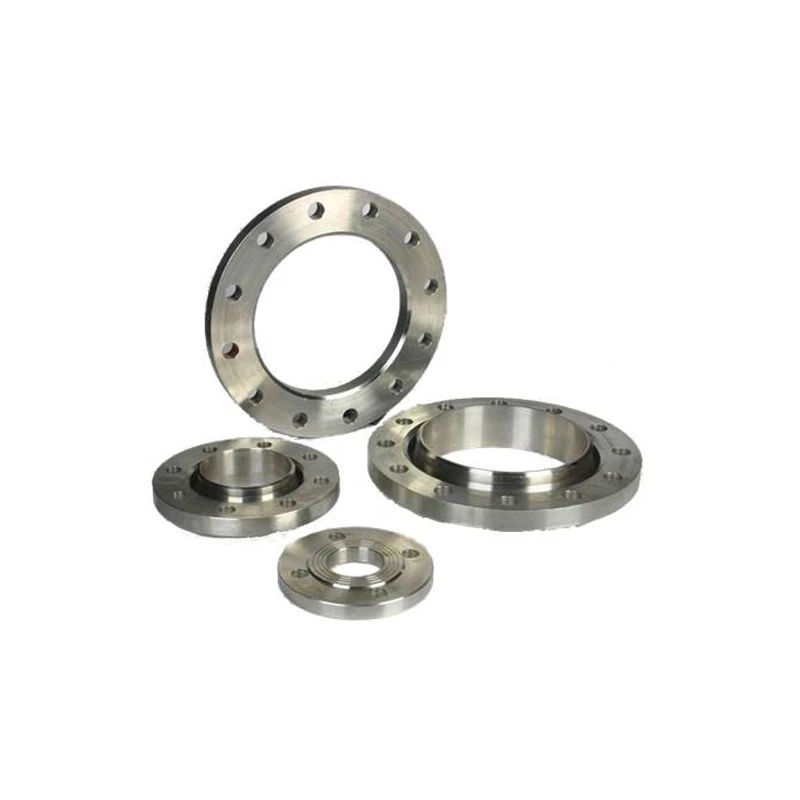
 

Iron Pipe Fittings in Modern Plumbing and Construction

  • Flange

    Flange

    Introdução ao produto Flange Flanges são usados ​​para conectar tubos a tubos ou tubos a equipamentos, garantindo uma conexão selada e estável. Eles evitam vazamento de fluidos e podem suportar certas pressões e tensões, garantindo conexões confiáveis. Os diâmetros nominais do flange variam de DN15-DN2000 e além, cobrindo várias necessidades de conexão de tubulação. Os flanges aderem principalmente aos padrões internacionais, como ASME B16.5-2020, ASME B16.47-2020 e API 6A-2018.
    VER TUDO
  • Reducer

    Redutor

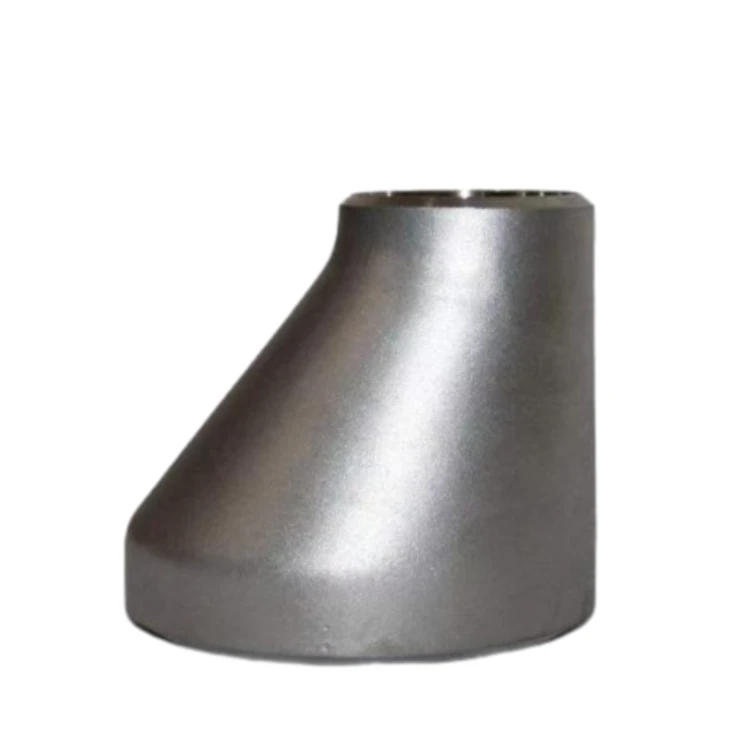
    Redutor é um encaixe de tubo usado para conectar tubos de diferentes diâmetros, facilitando transições suaves entre capacidades de fluxo variáveis ​​em sistemas de tubulação. Disponíveis em designs concêntricos e excêntricos, os redutores ajudam a manter a eficiência de fluxo ideal, minimizando a perda de pressão e a turbulência.
    VER TUDO
  • Bend Pipe

    Tubo Curvo

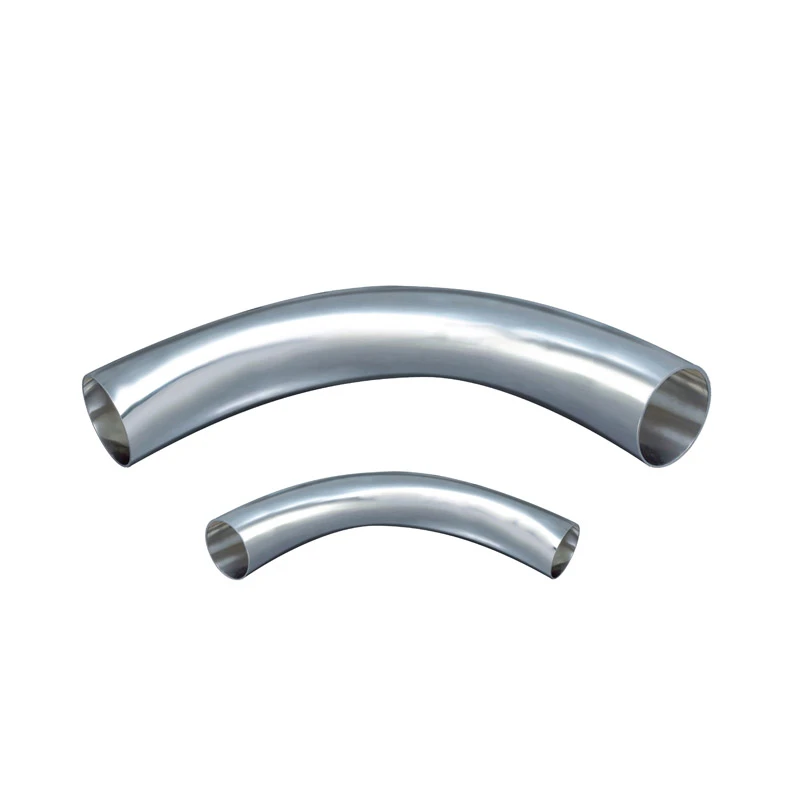
    Bend is a crucial pipe fitting used to change the direction of flow in a piping system. It allows for smooth transitions between sections of pipe, accommodating layout constraints, avoiding obstacles, and optimizing flow paths. Bends are designed to maintain the fluid's velocity and minimize pressure loss while providing the necessary angle of deviation. They are commonly used in various industries, including oil and gas, petrochemicals, water supply, and HVAC systems.
    VER TUDO
Para criar valor para os clientes!
A Cangzhou Leo Technology Co., Ltd. está localizada na Zona de Desenvolvimento Econômico do Condado de Mengcun, Cidade de Cangzhou, Província de Hebei. É uma empresa especializada de alta tecnologia que integra pesquisa e desenvolvimento, produção e vendas de tubos e conexões compostos.
Notícias
A empresa considera a qualidade do produto como a vida da empresa, estabelece um sistema de gestão de qualidade sólido de acordo com os requisitos da indústria e dos padrões nacionais, controla todos os aspectos de entrada e saída em todo o processo, presta atenção a cada detalhe e garante que a taxa de aprovação na entrega do produto seja de 100%.
Ultimate Guide to 4130 Tubing Strength Performance and Applications
Ultimate Guide to 4130 Tubing Strength Performance and Applications

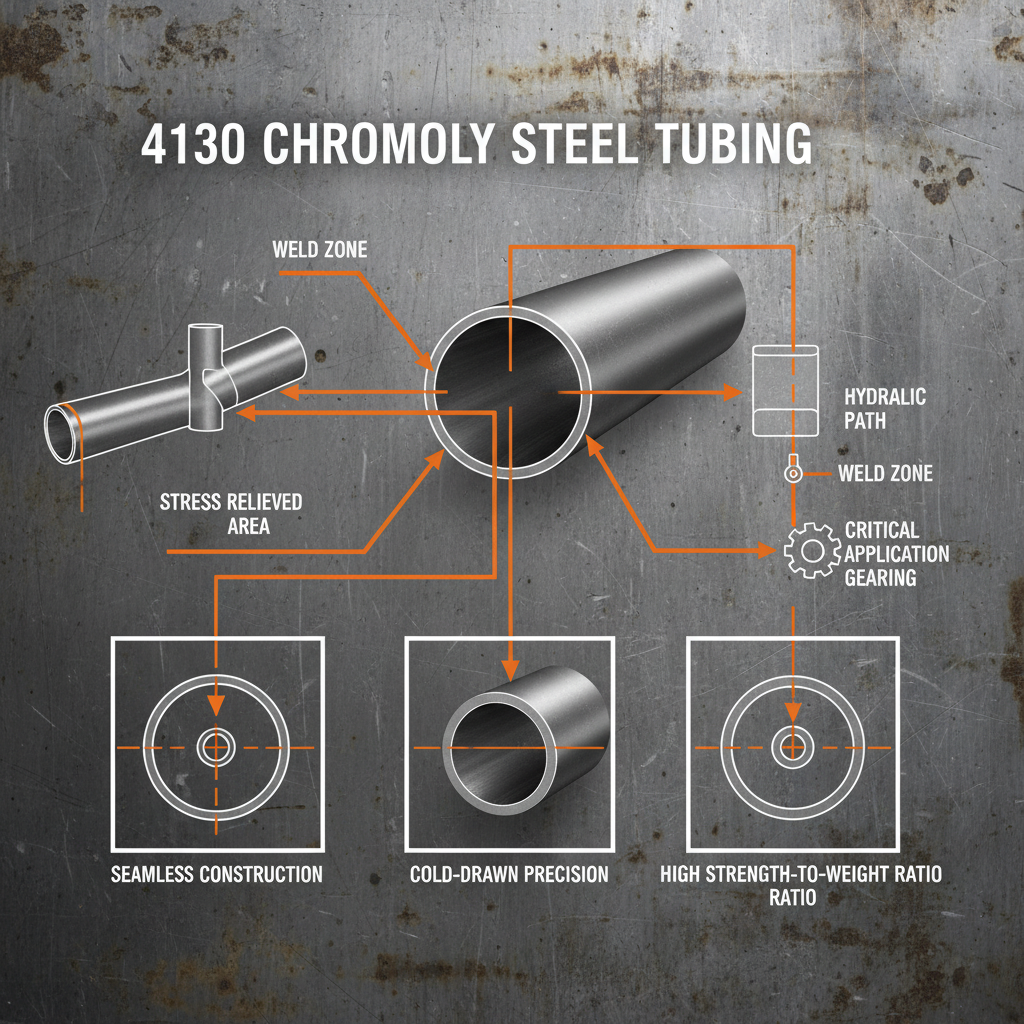
In the world of high-performance engineering, material selection is the foundation of safety and efficiency. 4130 tubing is widely regarded as the gold standard for applications requiring an exceptional strength-to-weight ratio. This chrome-molybdenum alloy steel is engineered to withstand extreme stress while remaining lightweight enough for aerospace and automotive use. Whether you are designing a roll cage, a bicycle frame, or a critical industrial component, understanding the nuances of this material is essential. In this comprehensive guide, we will explore why this specific alloy is preferred by engineers worldwide and how to choose the right specifications for your project.
Properties and Industrial Applications of 4130 steel tubing
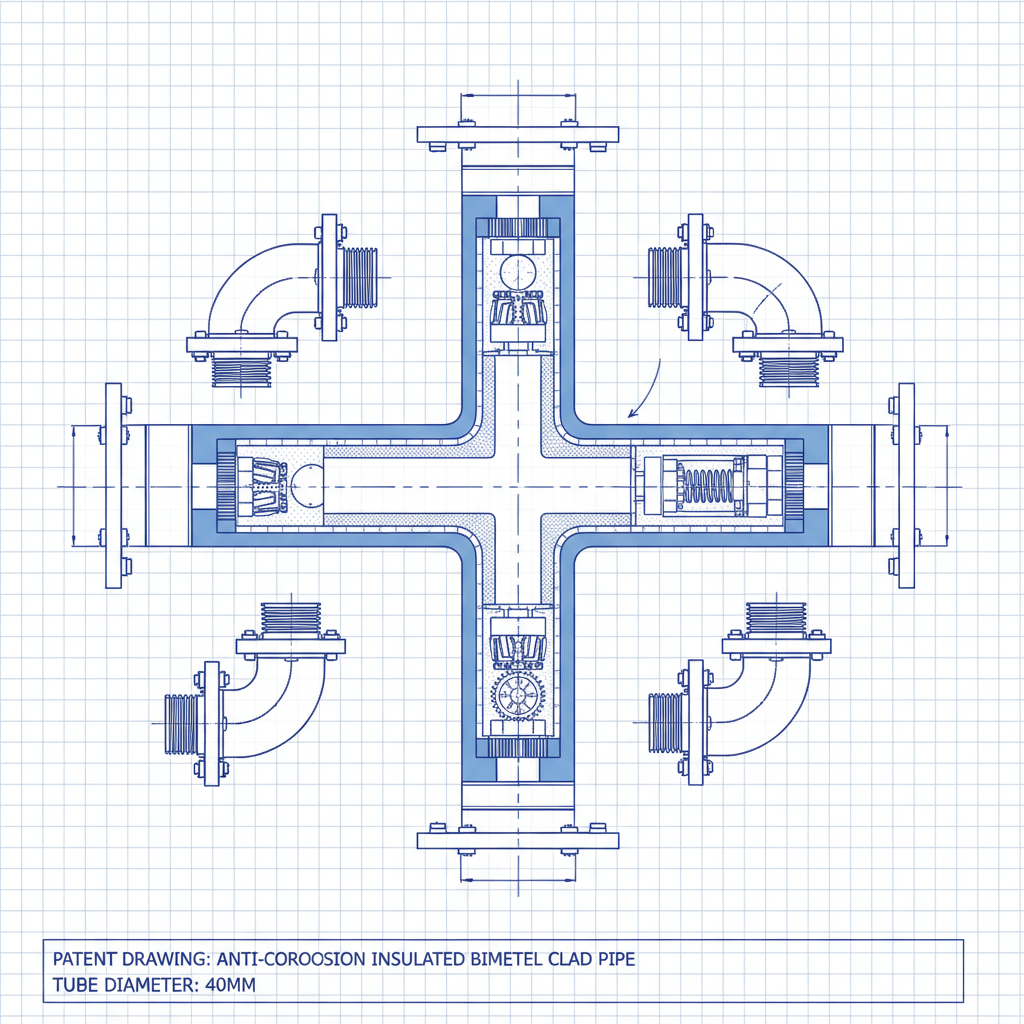
Properties and Industrial Applications of 4130 steel tubing

In the world of high-performance engineering, material selection is the foundation of safety and efficiency. 4130 steel tubing is widely recognized as the gold standard for applications requiring an exceptional strength-to-weight ratio. Known for its versatility and reliability, this chromium-molybdenum alloy is the preferred choice for everything from aircraft frames to professional roll cages. Understanding the nuances of this material allows engineers to optimize structural integrity without adding unnecessary bulk. In this comprehensive guide, we will explore why this specific alloy remains a top choice for critical industrial and aerospace components.
Comprehensive Guide to 40mm Steel Tube Applications and Material Selection
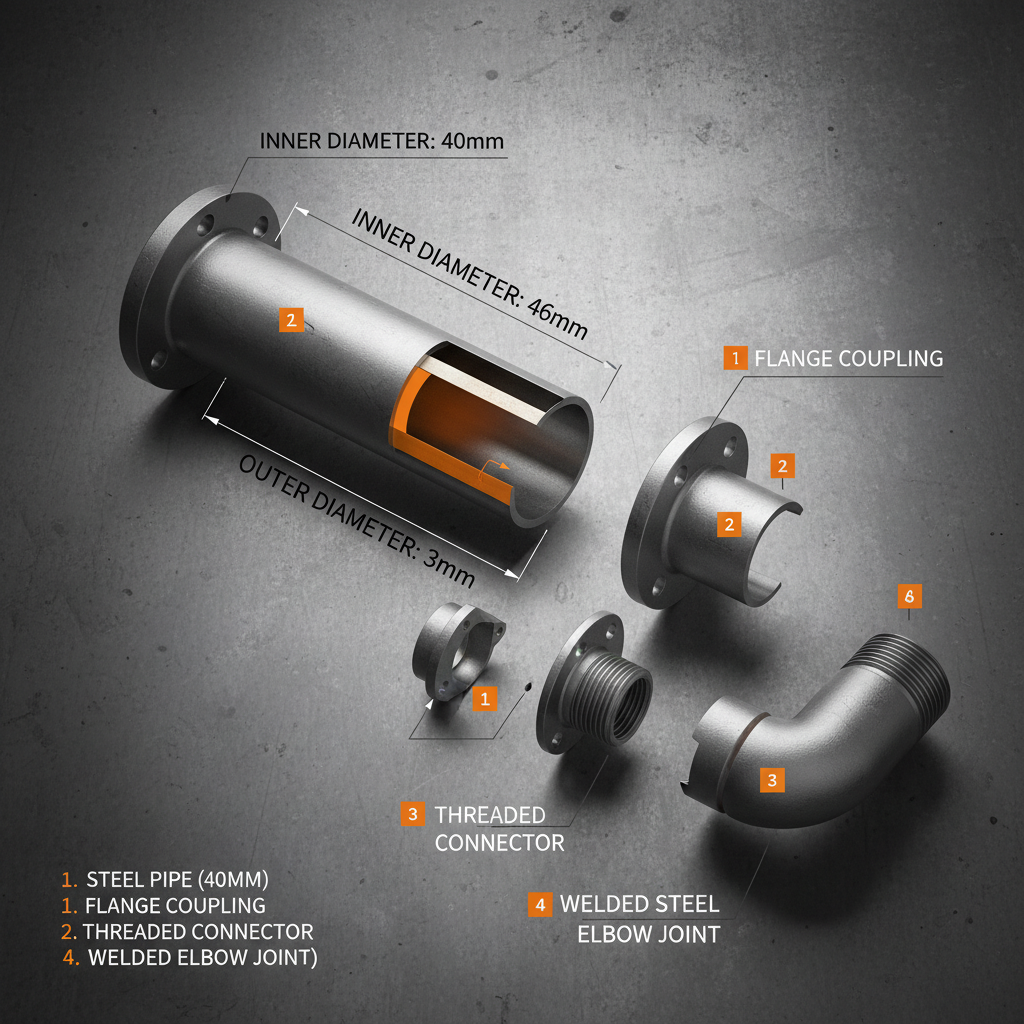
Comprehensive Guide to 40mm Steel Tube Applications and Material Selection

40mm steel tube is a versatile and widely used material in various industries, from construction and manufacturing to automotive and beyond. Its strength, durability, and cost-effectiveness make it an ideal choice for numerous applications. This article will delve into the characteristics, applications, benefits, and considerations when working with 40mm steel tube, providing a comprehensive overview for professionals and anyone interested in this essential material.
Comprehensive Guide to 40mm Steel Pipe Applications and Considerations
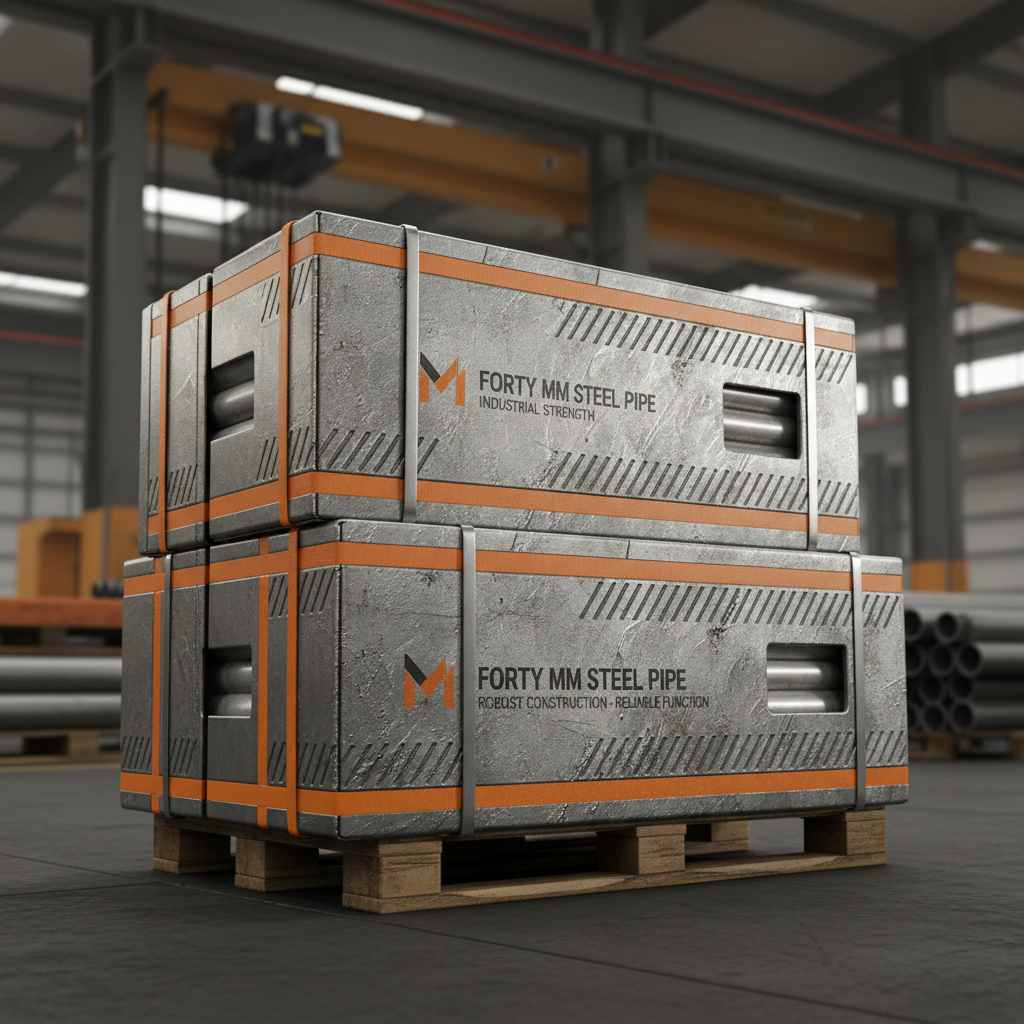
Comprehensive Guide to 40mm Steel Pipe Applications and Considerations

40mm steel pipe is a widely used material in various industries due to its strength, durability, and cost-effectiveness. From construction and infrastructure projects to industrial applications and fluid transportation, this pipe size offers a versatile solution. This article will delve into the properties, applications, standards, and key considerations when selecting 40mm steel pipe, helping you make informed decisions for your specific needs.
Comprehensive Guide to 40mm Metal Pipe Applications and Sourcing
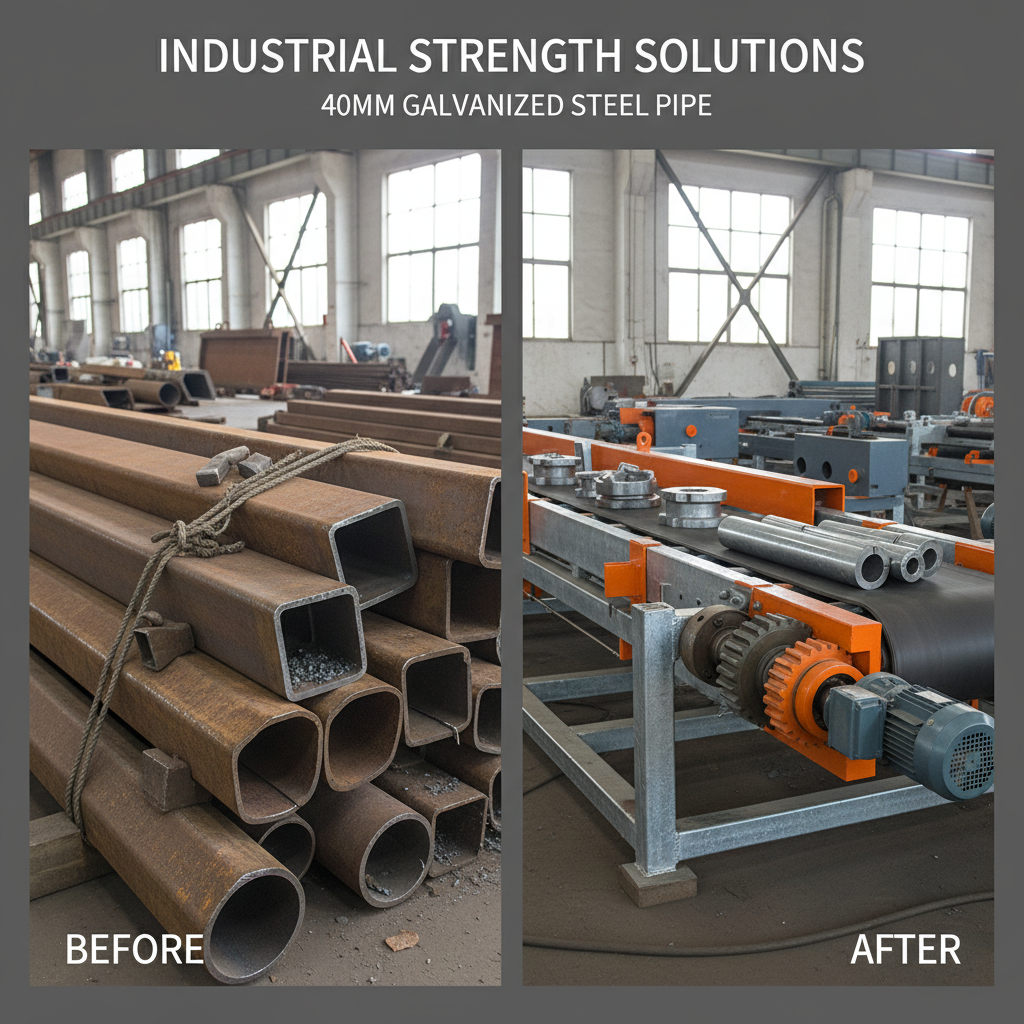
Comprehensive Guide to 40mm Metal Pipe Applications and Sourcing

40mm metal pipe is a crucial component in a wide array of industries, from construction and plumbing to industrial manufacturing and fluid transport. Its strength, durability, and versatility make it a preferred material for countless applications. This article will delve into the specifics of 40mm metal pipe, exploring its various types, common uses, benefits, and where to source high-quality piping solutions.
Comprehensive Guide to 40mm Galvanised Pipe Applications and Specifications

Comprehensive Guide to 40mm Galvanised Pipe Applications and Specifications

When planning a plumbing, structural, or industrial project, selecting the right piping material is crucial. 40mm galvanised pipe is a widely used option known for its strength, durability, and corrosion resistance. This article provides a detailed overview of 40mm galvanised pipes, exploring their applications, benefits, specifications, and considerations for optimal usage. We'll cover everything from what galvanisation is to how to choose the right pipe for your specific needs.
tel email tel top

Se você estiver interessado em nossos produtos, deixe suas informações aqui e entraremos em contato com você em breve.