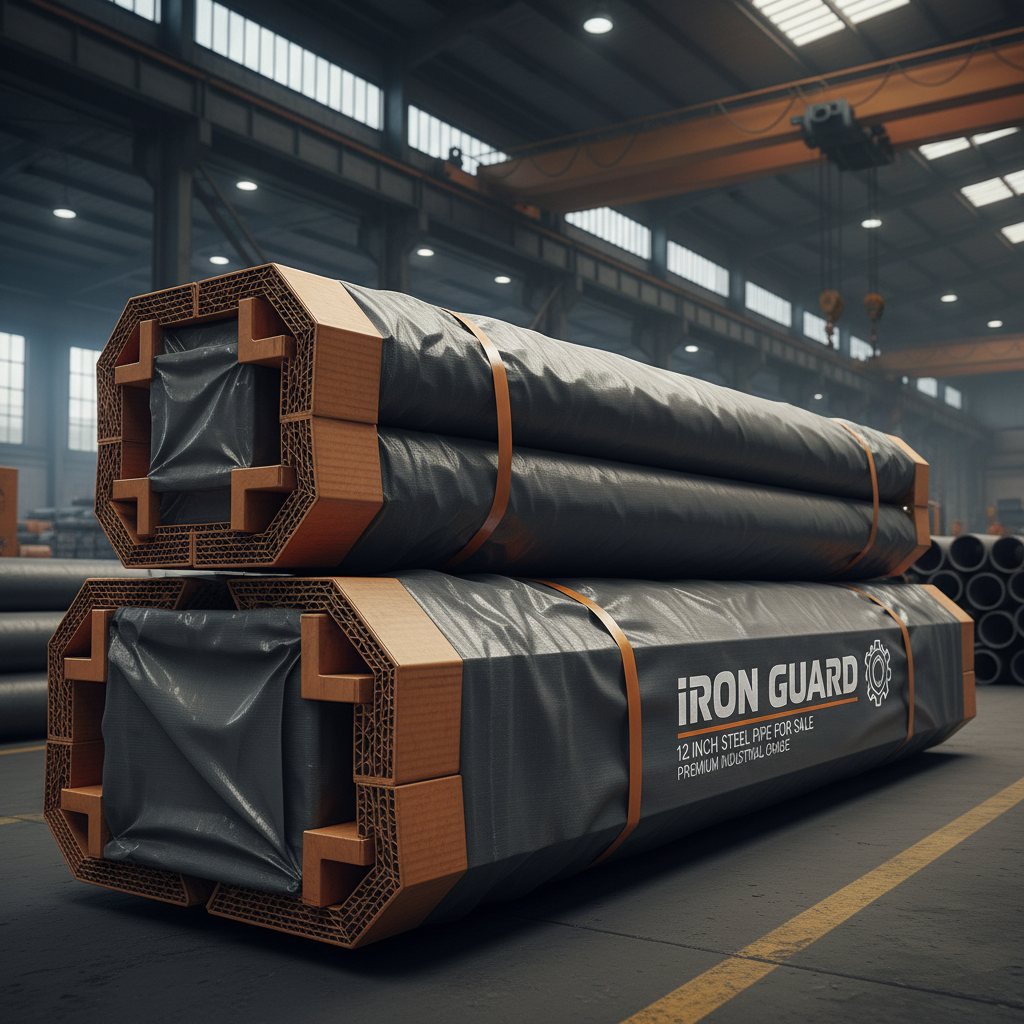
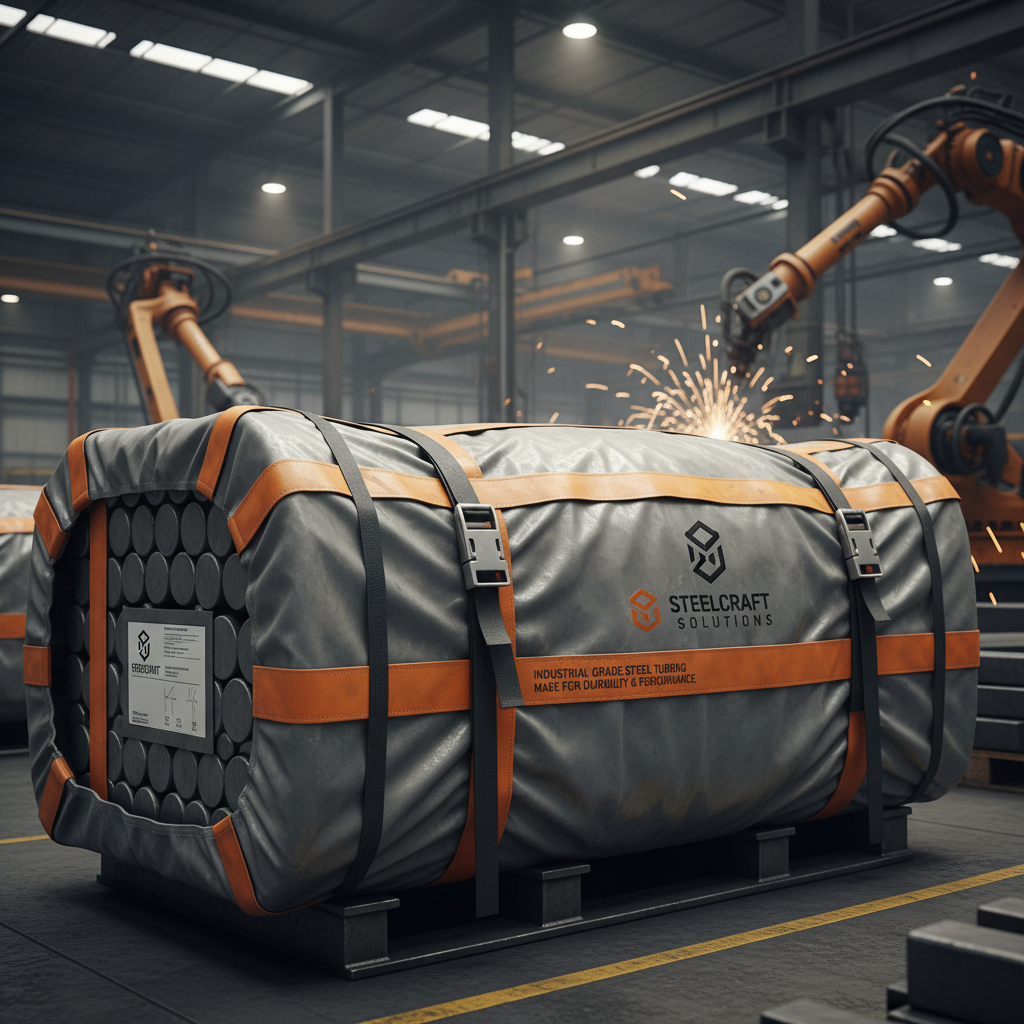
In the complex landscape of modern industrial infrastructure, the black steel pipe remains an indispensable cornerstone for transporting fluids, gases, and structural support. Unlike its galvanized counterparts, this material provides a raw, high-strength solution that is essential for high-pressure environments and heavy-duty industrial applications globally.
Understanding the nuances of black steel piping is not merely a technical requirement but a strategic advantage for engineers and procurement managers. By leveraging its inherent durability and cost-effectiveness, industries can build systems that are both robust and scalable, ensuring long-term operational stability in challenging environments.
From urban gas distribution networks to massive petrochemical refineries, the versatility of the black steel pipe ensures that critical resources are moved safely and efficiently. This guide delves into the technical specifications, global applications, and future innovations that define this essential industrial component.
Global Industrial Context of Black Steel Pipe
The global demand for black steel pipe is intrinsically linked to the expansion of energy infrastructure and urban development. According to industrial benchmarks aligned with ISO standards, the reliance on high-carbon steel piping persists because of its unmatched ability to withstand extreme internal pressures, a challenge that plastic or composite materials often fail to meet in high-risk industrial zones.
As emerging economies accelerate their industrialization, the need for cost-efficient, heavy-duty transport systems has surged. The primary challenge remains balancing the raw strength of the steel with the necessity for corrosion protection in humid or chemically aggressive environments, leading to a sophisticated ecosystem of coatings and linings that augment the base material.
Technical Definition and Material Composition
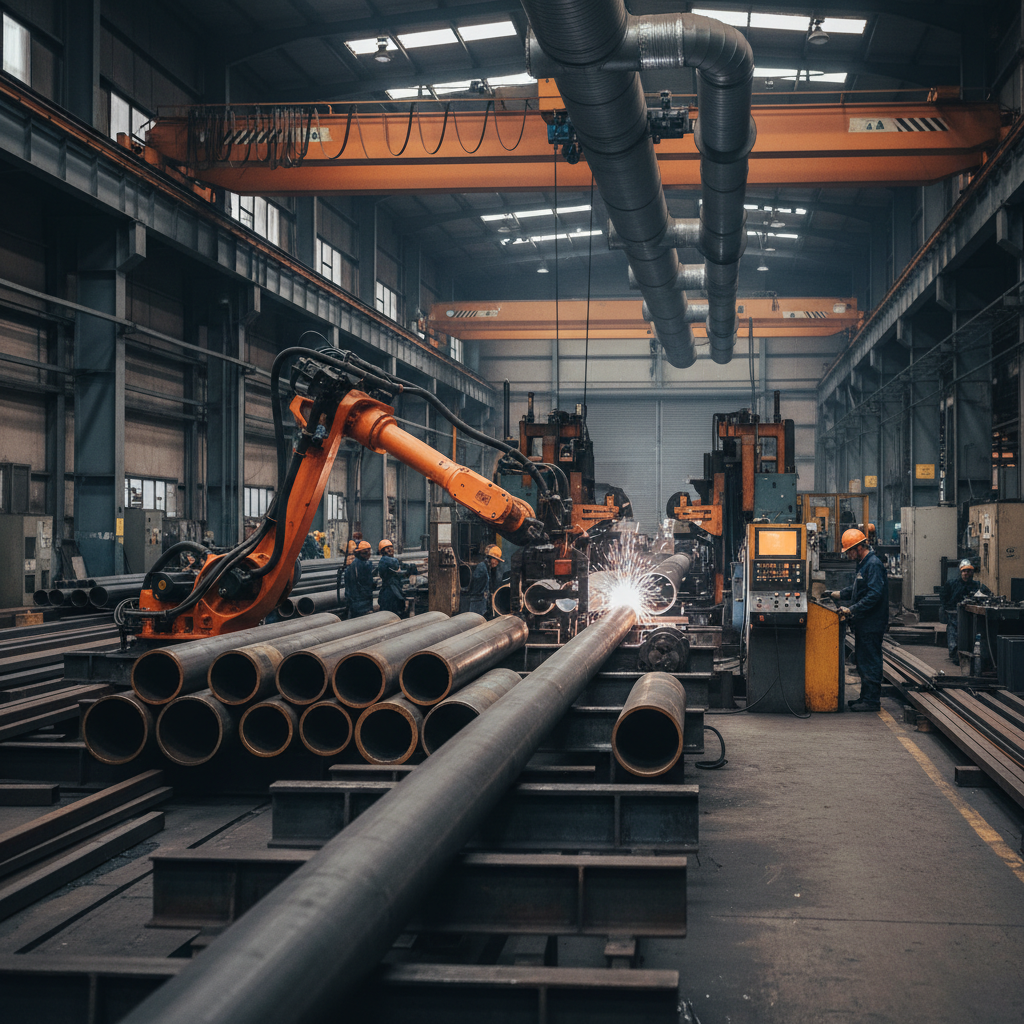
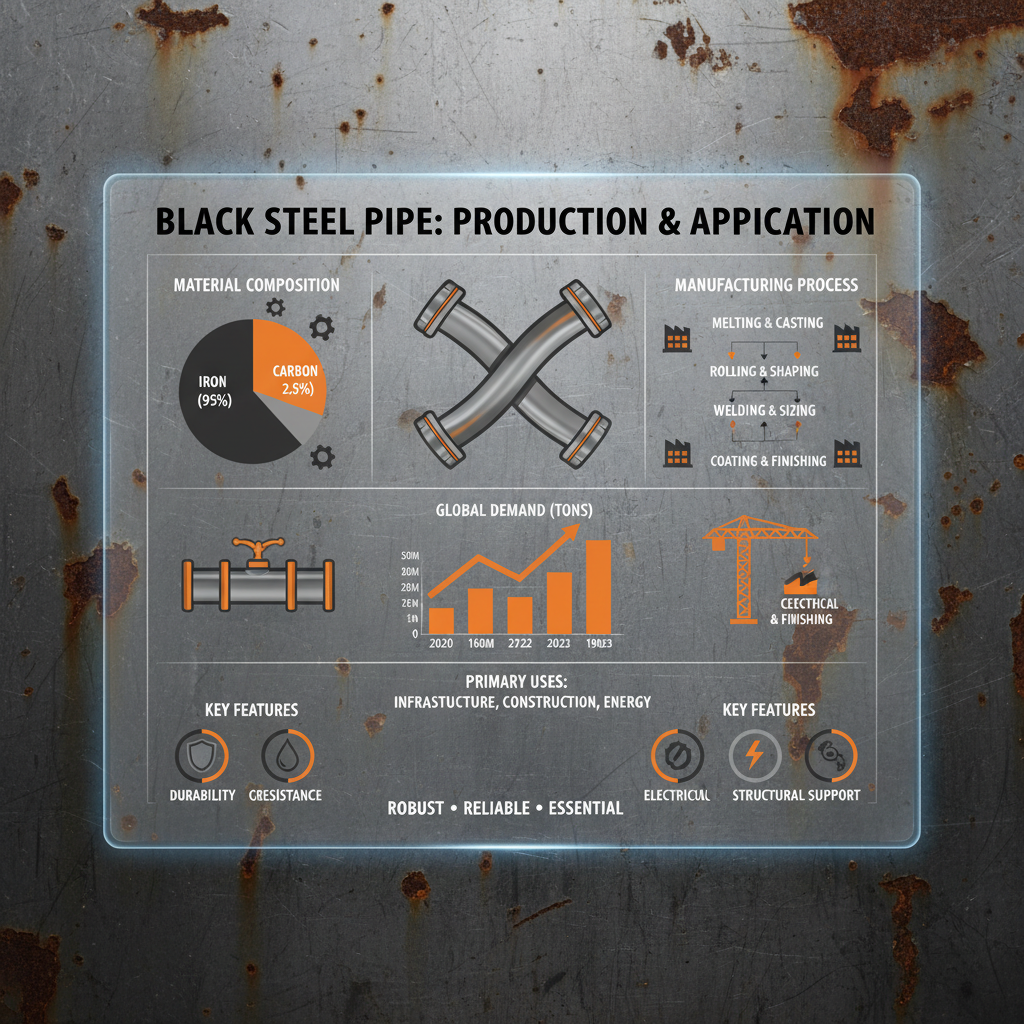
In simple terms, a black steel pipe is a steel pipe that has not been galvanized. It is produced through various methods, including seamless extrusion or electric resistance welding (ERW), and retains a dark iron-oxide scale on its surface from the manufacturing process. This "black" finish is not a coating but a natural result of the hot-rolling process.
From a material science perspective, these pipes are typically composed of carbon steel, which provides the structural rigidity required for load-bearing architectural frames and high-pressure fluid conduits. This composition makes them ideal for carrying gases and oils where the internal medium is not corrosive, eliminating the need for expensive zinc coatings.
In the context of modern humanitarian and industrial needs, these pipes provide the essential skeletal structure for rapid-build shelters, water distribution in remote industrial zones, and the foundational plumbing of large-scale manufacturing plants. Their ability to be easily welded and threaded makes them the go-to choice for complex piping geometries.
Core Factors Driving Performance and Reliability
The durability of black steel pipe is primarily derived from its wall thickness and carbon content, which allow it to resist deformation under immense pressure. This makes it the gold standard for gas lines and structural supports in heavy machinery.
Scalability is another critical factor; because black steel pipe is manufactured in a vast array of standardized diameters and schedules (wall thicknesses), it can be seamlessly integrated into existing systems regardless of the project's scale, from small workshop installations to transcontinental pipelines.
Cost efficiency remains a driving force for engineers. By choosing non-galvanized steel for applications where corrosion is not a primary threat, companies can significantly reduce material expenditures without compromising the safety or integrity of the pressure vessel or transport system.
Comparative Efficiency in Modern Piping Systems
When evaluating the efficiency of different piping materials, the black steel pipe consistently outperforms polymers in terms of heat resistance and structural load capacity. In industrial boilers and steam lines, the thermal stability of carbon steel prevents the warping and melting associated with synthetic alternatives.
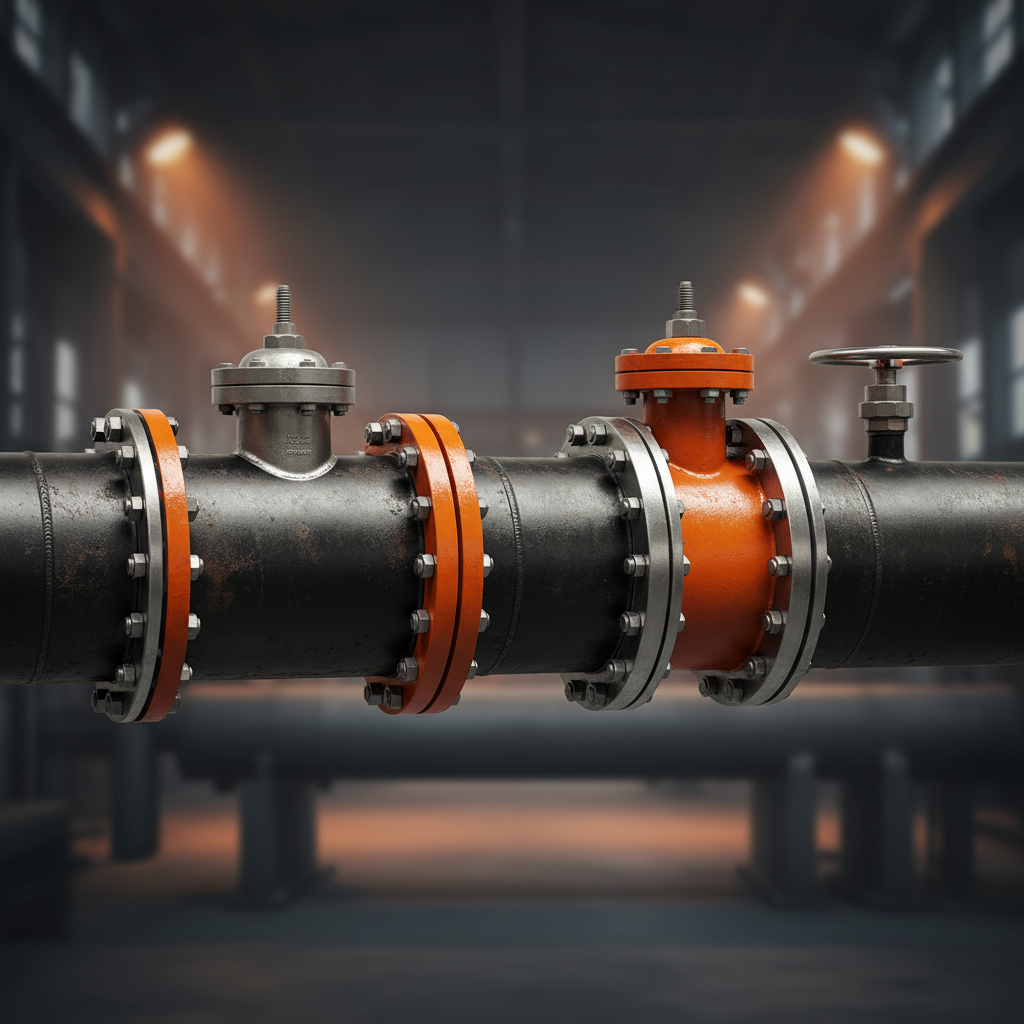
Furthermore, the ease of modification—specifically the ability to perform high-strength welding—allows for the creation of airtight, leak-proof seals that are critical in hazardous environments. This makes the selection of the correct pipe schedule a pivotal decision in ensuring system longevity.
Black Steel Pipe Performance Comparison Index
Global Applications and Strategic Use Cases
In real-world industrial contexts, the black steel pipe is the primary choice for natural gas distribution. Across North America and Europe, municipal gas grids rely on the strength of these pipes to transport fuel safely under residential streets, where the soil provides a natural buffer against atmospheric corrosion.
Beyond urban utilities, these pipes are critical in remote industrial zones, such as mining operations in Australia or oil fields in the Middle East. In these areas, the logistical ease of transporting and welding steel pipes allows for the rapid deployment of essential infrastructure, often in environments where specialized composite materials would be too fragile or expensive to install.
Long-Term Value and Sustainability Advantages
The long-term value of investing in black steel pipe lies in its exceptional lifecycle. When properly maintained with external coatings, a carbon steel system can operate for decades, reducing the need for frequent replacements and minimizing the environmental footprint associated with manufacturing new components.
From a sustainability perspective, steel is one of the most recycled materials on the planet. At the end of a facility's operational life, the piping can be reclaimed and smelted down to create new steel products, fitting perfectly into the circular economy model and reducing the reliance on virgin iron ore mining.
Moreover, the reliability of steel provides an emotional sense of safety and trust for operators. Knowing that a high-pressure line is encased in heavy-gauge black steel offers a level of psychological security that is essential in high-stakes environments like chemical plants or nuclear power facilities.
Future Trends and Technological Innovations
The future of the black steel pipe industry is being reshaped by the integration of "smart" technologies. We are seeing the rise of embedded sensors within the pipe walls that can detect microscopic leaks or stress fractures in real-time, transforming passive conduits into active data networks.
Additionally, advancements in green hydrogen transport are putting new demands on steel piping. To prevent hydrogen embrittlement, new alloys and internal nano-coatings are being developed, ensuring that traditional black steel pipes can evolve to support the transition to zero-emission energy carriers.
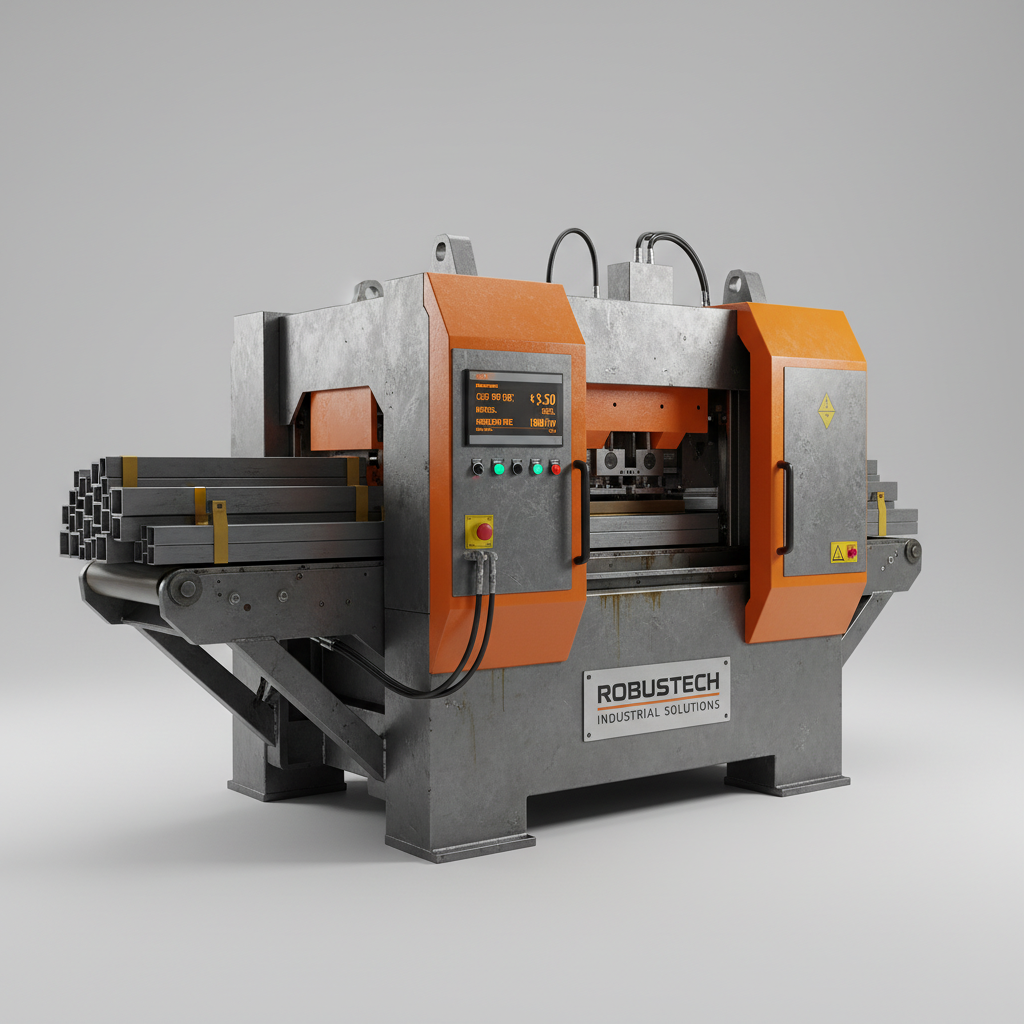
Automation in manufacturing, specifically the use of AI-driven precision welding and laser-cutting, is reducing material waste and increasing the tolerances of these pipes. This digital transformation ensures that every segment of pipe produced meets the most stringent safety requirements of the 21st century.
Technical Analysis of Black Steel Pipe Specifications and Applications
| Pipe Grade/Type |
Pressure Rating |
Primary Application |
Durability Score (1-10) |
| ASTM A53 Grade A |
Medium |
General Plumbing/Low Pressure |
7 |
| ASTM A53 Grade B |
High |
Gas & Oil Transport |
9 |
| Seamless Carbon Steel |
Very High |
High-Pressure Steam Lines |
10 |
| ERW Black Pipe |
Medium |
Structural Framing |
8 |
| Schedule 40 Standard |
Moderate |
Industrial Water Lines |
7 |
| Schedule 80 Extra Heavy |
High |
Corrosive Fluid Transport |
9 |
FAQS
The primary difference is the coating. Black steel pipe is raw steel with no protective zinc layer, making it ideal for gas lines and structural use where corrosion is not a primary risk. Galvanized pipe is coated in zinc to prevent rust, making it better for outdoor water lines. However, black steel is generally preferred for gas because the zinc coating in galvanized pipes can flake off and clog valves.
While technically possible, it is not recommended. Because black steel pipe lacks a corrosion-resistant coating, it will rust internally when exposed to water, leading to "brown water" and eventual pipe failure. For potable water, galvanized steel, copper, or PEX are far superior choices to ensure water quality and system longevity.
Prevention depends on the environment. For external protection, apply high-performance epoxy coatings or bitumen wraps. For internal protection, certain liners can be used depending on the fluid being transported. Regular inspections and the use of cathodic protection systems are also common in large-scale industrial installations to prevent oxidation.
Yes, seamless pipes are generally stronger and can handle higher pressures because they have no welded seam, which is often the weakest point of an ERW (Electric Resistance Welded) pipe. Seamless pipes are the industry standard for high-pressure steam and critical oil and gas applications where any failure would be catastrophic.
The "Schedule" (e.g., Sch 40, Sch 80) refers to the wall thickness of the pipe. As the schedule number increases, the wall of the pipe becomes thicker while the outer diameter remains the same. A higher schedule allows the pipe to withstand higher internal pressures and provides more resistance to external crushing forces.
Yes, they are highly sustainable due to their recyclability. Steel is one of the most recycled materials globally. Additionally, their long service life reduces the frequency of replacement and the associated carbon footprint of manufacturing and transporting new piping materials.
Conclusion
In summary, the black steel pipe remains an unrivaled asset in the industrial toolkit, offering a perfect blend of structural strength, cost-efficiency, and scalability. From its critical role in energy transport to its application in heavy-duty architecture, its ability to withstand extreme pressures and facilitate seamless integration makes it a cornerstone of modern infrastructure.
As we look toward a future of green energy and smart cities, the evolution of carbon steel—through nano-coatings and integrated sensors—will ensure it remains relevant. For engineers and procurement specialists, prioritizing high-grade specifications and proper protective treatments will guarantee a system that is not only safe and reliable but also sustainable for generations to come. Visit our website for more professional piping solutions: www.lion-pipeline.com