tel
Email
to top

High-Quality Metal Flanges: Durable & Custom Solutions

Sep 19 2025
share:

Understanding the Critical Role of metal flange Systems in Industrial Applications

In complex piping and pressure vessel systems, the integrity and efficiency of connections are paramount. The metal flange serves as a critical component, providing a robust and leak-proof joint between pipes, valves, pumps, and other equipment. These essential devices enable easy assembly, disassembly, and maintenance, making them indispensable across virtually every industrial sector. This comprehensive overview delves into the manufacturing processes, technical specifications, diverse applications, and strategic advantages of metal flanges, addressing key considerations for B2B decision-makers and engineers.
High-Quality Metal Flanges: Durable & Custom Solutions

The Precision Manufacturing Process of a metal flange

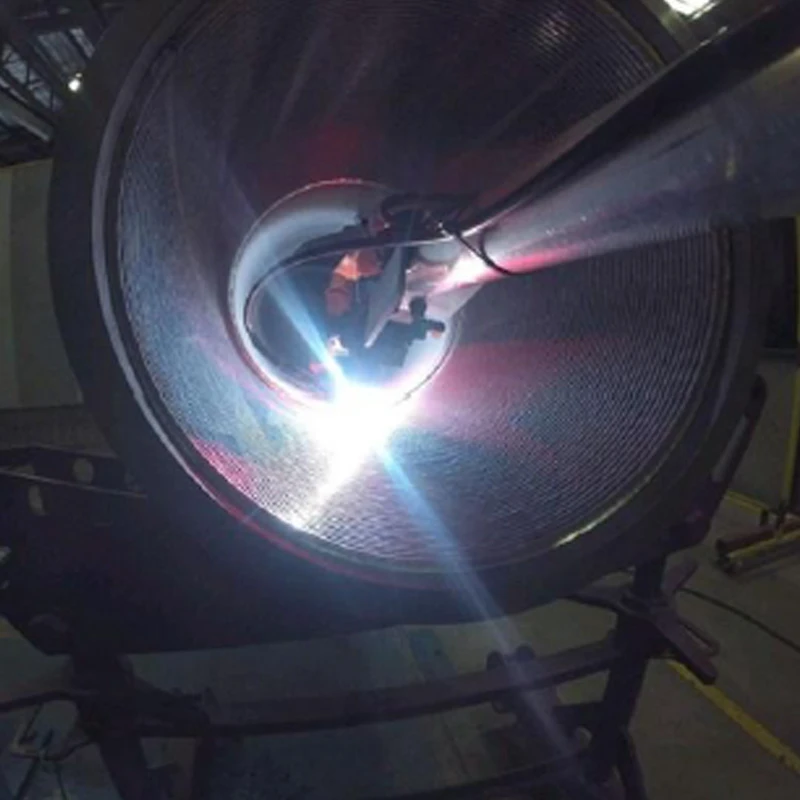
The production of high-quality flanges involves several precise steps, ensuring their structural integrity and performance under demanding operational conditions. Materials are selected based on the intended application, pressure, temperature, and corrosive environment. Common materials include carbon steel, alloy steel, and various grades of stainless steel flange materials (e.g., 304, 316, 321), known for their superior corrosion resistance and strength.
Key Manufacturing Stages:

  1. Material Preparation: Raw materials, typically in billet or plate form, undergo initial inspection for chemical composition and mechanical properties to ensure compliance with industry standards (e.g., ASTM A105 for forged carbon steel, ASTM A182 for forged alloy/stainless steel).
  2. Forging: This is the most common method for producing high-strength flanges. Ingots are heated to a specific temperature and then shaped under intense pressure using hammers or presses. Forging aligns the grain structure, enhancing the flange's strength, toughness, and fatigue resistance, crucial for applications involving high pressure and temperature.
  3. Casting: While less common for critical applications due to potential for internal defects, casting involves pouring molten metal into a mold. It's suitable for larger or more complex geometries where forging might be impractical, but requires rigorous non-destructive testing (NDT).
  4. Heat Treatment: Post-forging or casting, flanges undergo heat treatment processes such as normalizing, annealing, or quenching and tempering. This refines the grain structure, relieves internal stresses, and optimizes mechanical properties like hardness and ductility, extending the service life.
  5. CNC Machining: Precision machining is critical. Computer Numerical Control (CNC) machines accurately cut, drill, and finish the flange, ensuring precise dimensions, bore diameters, bolt hole patterns, and sealing faces (e.g., raised face, flat face, ring type joint). This step ensures exact adherence to standards like ANSI B16.5, ASME B16.47, or EN 1092-1.
  6. Surface Treatment: Depending on the application, flanges may receive surface treatments like galvanizing, painting, or coating to enhance corrosion resistance and prolong service life, particularly in harsh environments.
  7. Testing and Quality Control: Every metal flange undergoes rigorous testing. This includes dimensional checks, visual inspection, mechanical property tests (tensile strength, yield strength, hardness), chemical composition analysis, and non-destructive testing (NDT) such as ultrasonic testing (UT), magnetic particle inspection (MPI), or liquid penetrant testing (LPT) to detect any internal or surface flaws. Hydrostatic testing is also performed to verify leak integrity. All processes adhere to international testing standards like ISO 9001 and API specifications.
High-Quality Metal Flanges: Durable & Custom Solutions

Technical Specifications and Types of Flanges

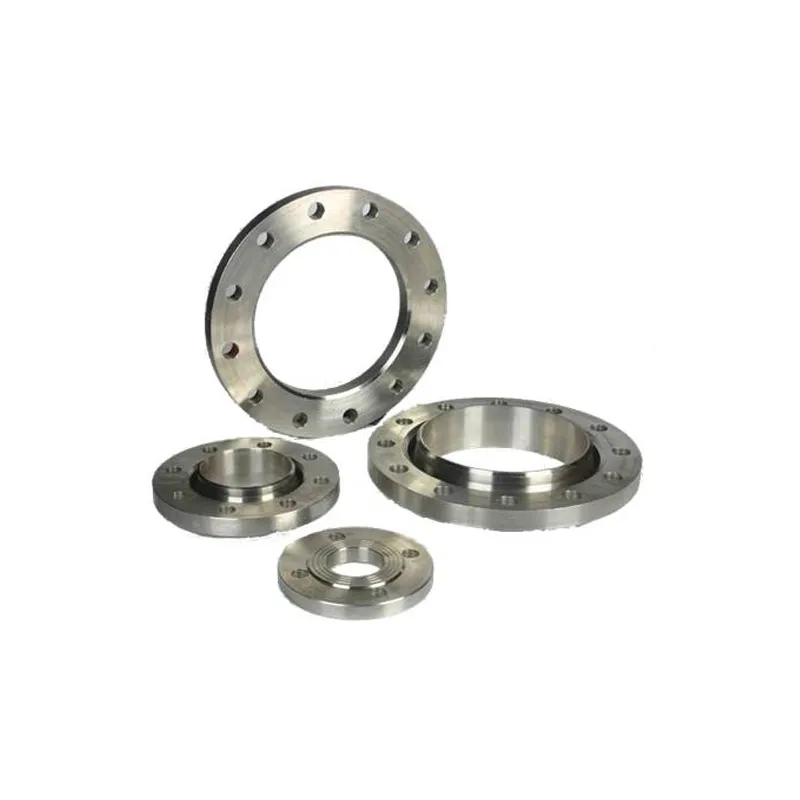
Understanding the diverse range of different types of flanges and their specifications is crucial for optimal system design. Flanges are categorized by their facing type, connection method, and pressure rating, each designed for specific operational demands. Key standards governing these specifications include ASME B16.5 (for flanges up to NPS 24) and ASME B16.47 (for larger diameter flanges).
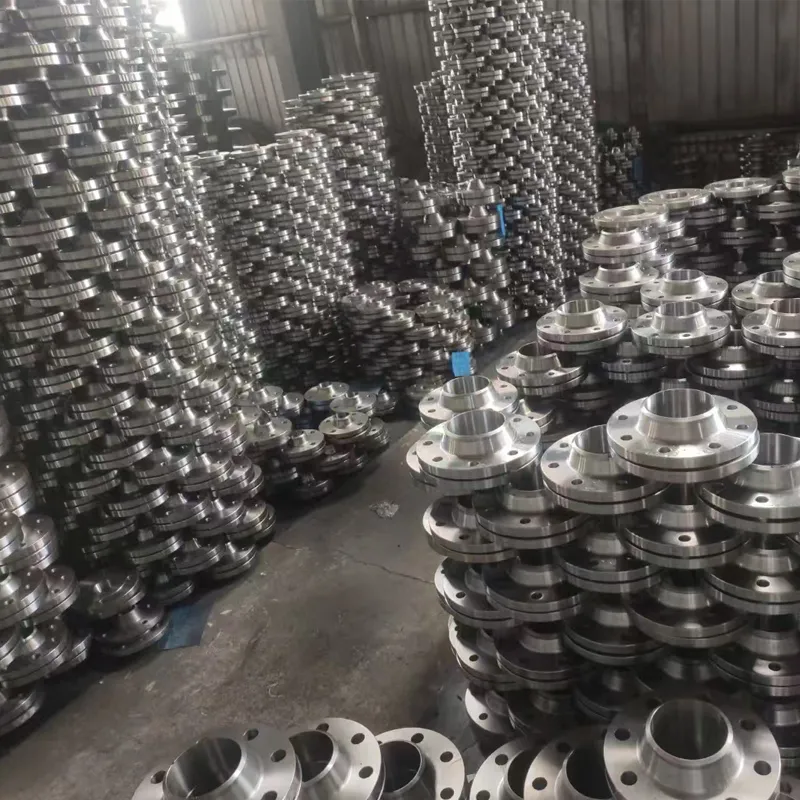
Common Flange Types:

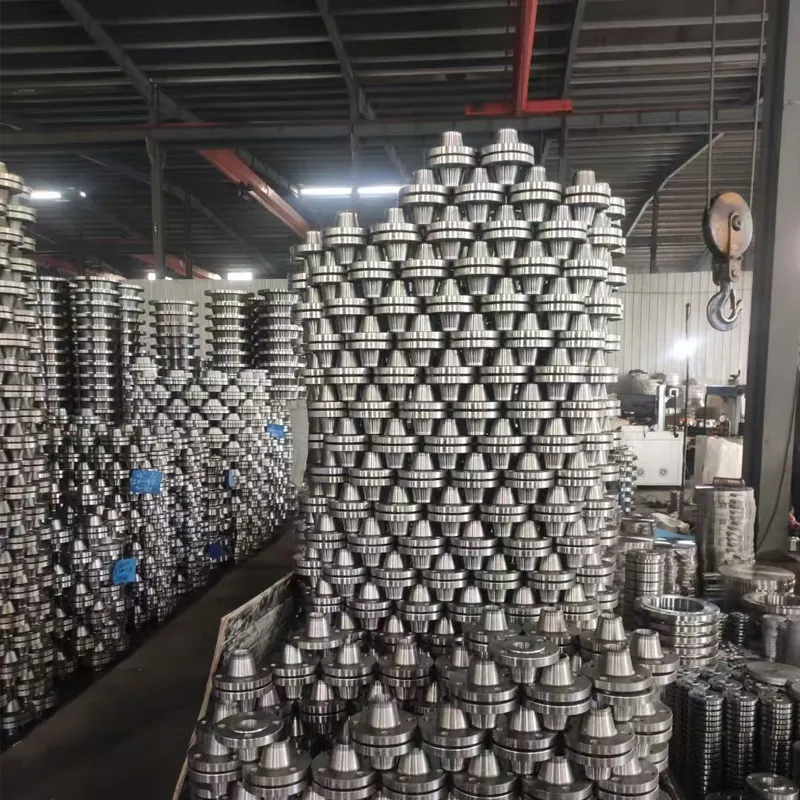
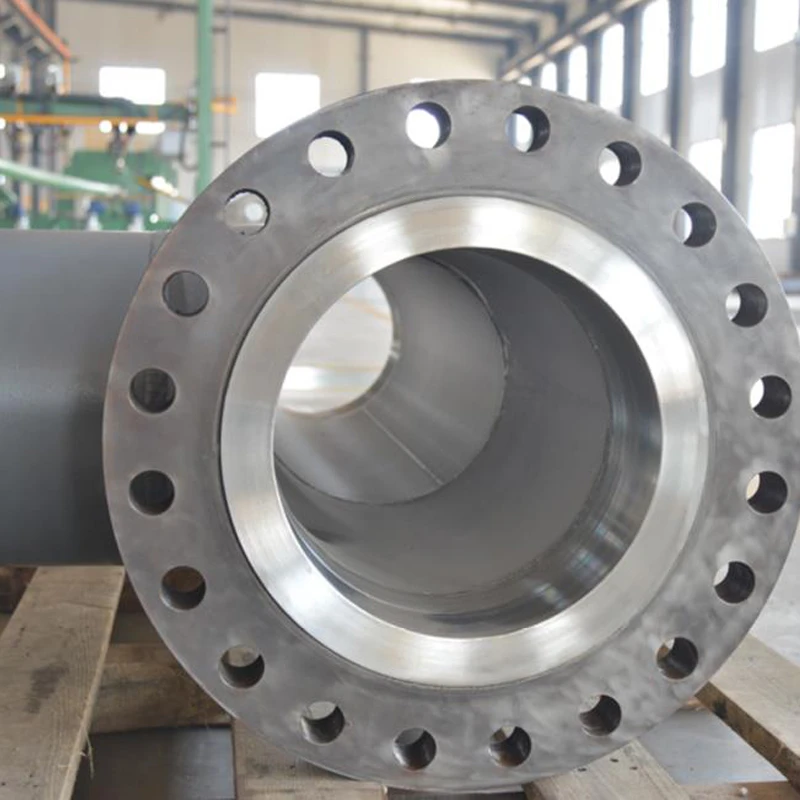
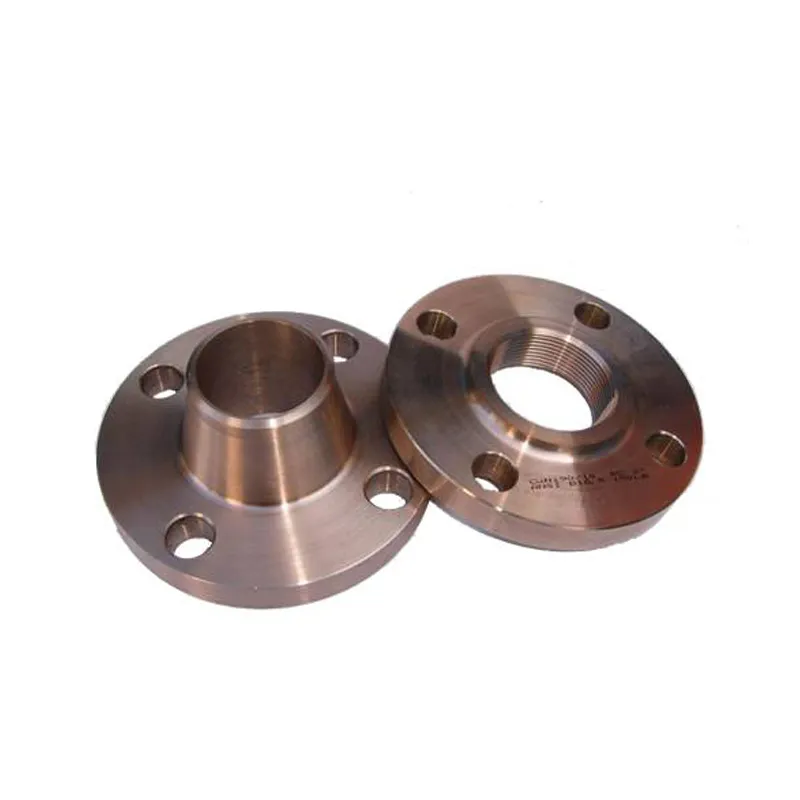
  • Weld Neck Flanges: Designed for high-pressure, high-temperature applications, offering excellent stress distribution due to their tapered hub.
  • Slip-On Flanges: Easy to align and install, suitable for lower pressure applications. They are typically double-welded for strength.
  • Blind Flanges: Used to close off the end of a piping system or a vessel opening, allowing for future expansion or access.
  • Socket Weld Flanges: Ideal for smaller bore, high-pressure piping systems where internal welding is not possible.
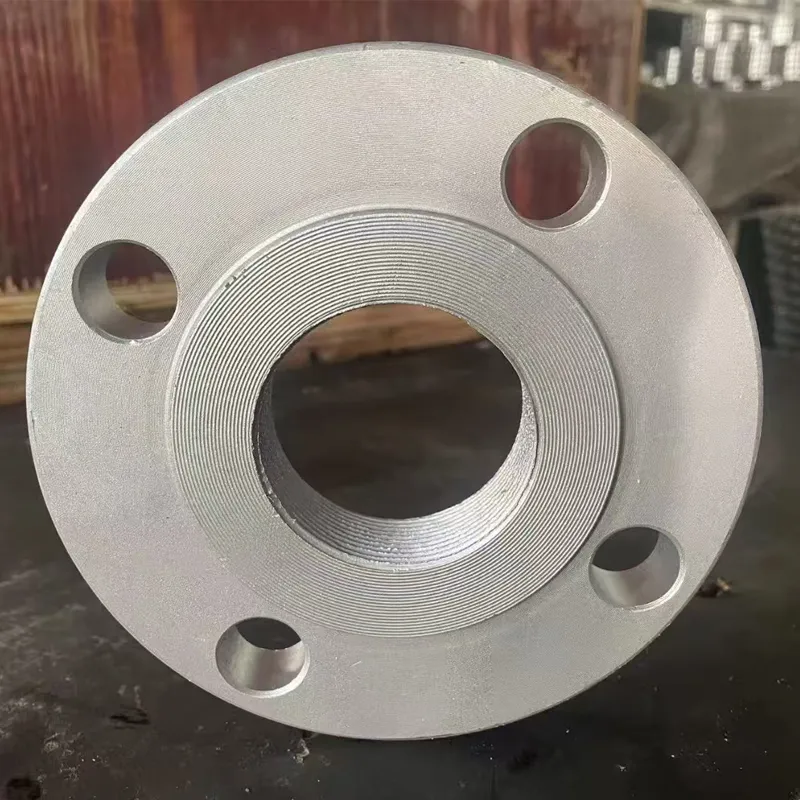
  • Threaded/Screwed Flanges: Used in non-weldable applications or where welding is hazardous, common in lower pressure services.
  • Lap Joint Flanges: Feature a stub end that allows the flange to be rotated for easy alignment of bolt holes, often used with expensive alloy piping.
  • Orifice Flanges: Used for flow measurement in conjunction with orifice meters.
  • Reducing Flanges: Connect pipes of different diameters, eliminating the need for a separate reducer.
  • Flexible Flanges: Designed with specific geometries or materials to accommodate minor misalignment or thermal expansion, reducing stress on the piping system.
  • Offset Flanges: These specialized flanges feature a centerline that is deliberately shifted, allowing for unique piping configurations or to address spatial constraints where standard flanges cannot be used. They are crucial for optimizing layout and fit-up in confined spaces.
High-Quality Metal Flanges: Durable & Custom Solutions

Typical Flange Material Specifications and Pressure Ratings:

Material Type ASTM Specification Common Applications Temperature Range (approx.) Pressure Ratings (Class)
Carbon Steel ASTM A105 General purpose, non-corrosive fluids, ambient to moderate temp. -20°F to 800°F (-29°C to 427°C) 150, 300, 600, 900, 1500, 2500
Low Temp Carbon Steel ASTM A350 LF2 Cryogenic service, low-temperature applications -50°F to 800°F (-46°C to 427°C) 150, 300, 600, 900, 1500, 2500
Stainless Steel (304/304L) ASTM A182 F304/304L Corrosive environments, food & beverage, chemical processing -325°F to 1500°F (-198°C to 815°C) 150, 300, 600, 900, 1500, 2500
Stainless Steel (316/316L) ASTM A182 F316/316L Highly corrosive, marine, pharmaceutical, high-temperature resistance -325°F to 1500°F (-198°C to 815°C) 150, 300, 600, 900, 1500, 2500
Alloy Steel (Cr-Mo) ASTM A182 F11/F22 High-temperature service, power generation, oil & gas -20°F to 1100°F (-29°C to 593°C) 300, 600, 900, 1500, 2500
High-Quality Metal Flanges: Durable & Custom Solutions

Industry Trends and Application Scenarios

The market for industrial flanges is continually evolving, driven by global infrastructure development, energy demand, and stricter environmental regulations. Key trends include the increasing adoption of higher-grade alloys for extreme conditions, advancements in sealing technologies, and a growing emphasis on smart manufacturing processes to ensure consistent quality and reduce the overall flange price.
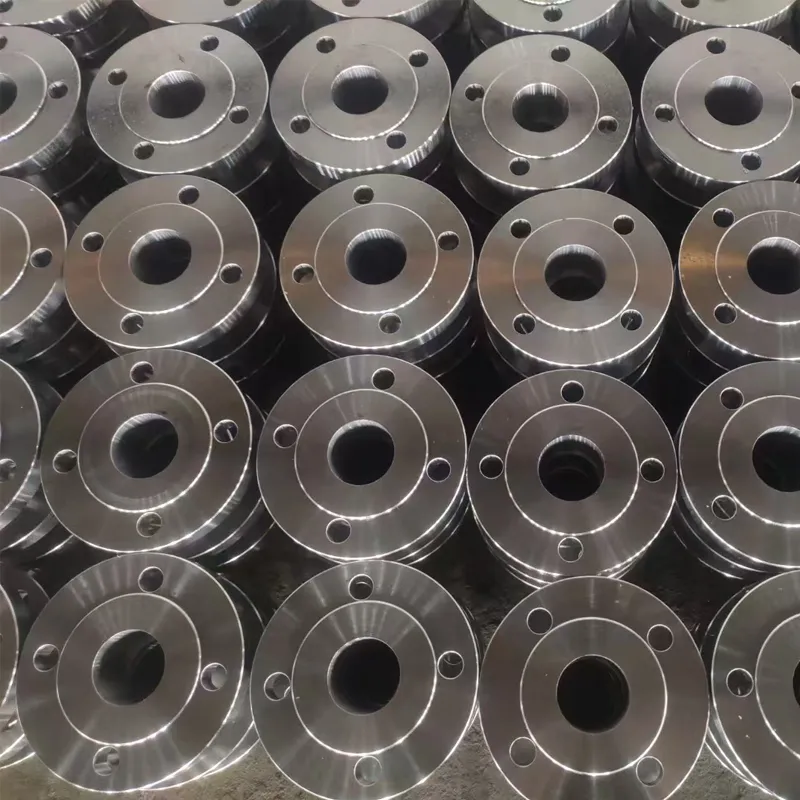
Target Industries & Applications:

  • Petrochemical and Oil & Gas: Flanges are fundamental in upstream, midstream, and downstream operations, connecting pipelines, drilling equipment, and refinery components. The need for robust corrosion resistance (especially with stainless steel flange types) and high-pressure capabilities is critical. Advantages include safe containment of hazardous fluids and enhanced energy saving through efficient, leak-free systems.
  • Power Generation: Used in steam lines, cooling systems, and chemical injection systems in thermal, nuclear, and renewable energy plants. High-temperature and pressure-resistant flanges ensure operational reliability and extended service life.
  • Water Supply & Drainage: Essential for connecting various components in municipal water treatment plants, pumping stations, and distribution networks. Corrosion resistance, particularly in potable water applications, is a primary advantage.
  • Chemical Processing: Handling aggressive chemicals requires flanges made from specialized alloys (e.g., Hastelloy, Monel) or high-grade stainless steel flange materials to prevent premature failure due to chemical attack, providing superior corrosion resistance.
  • Metallurgy and Mining: In abrasive environments, heavy-duty flanges connect slurry lines and process equipment, designed for durability and ease of maintenance.
  • Shipbuilding: Used extensively in marine piping systems for freshwater, saltwater, fuel, and exhaust applications, where saltwater corrosion resistance is paramount.
High-Quality Metal Flanges: Durable & Custom Solutions

Technical Advantages and Performance Metrics

The selection of the correct metal flange provides distinct technical advantages that contribute to the overall efficiency, safety, and longevity of industrial systems. These advantages are directly tied to adherence to stringent manufacturing standards and material science.
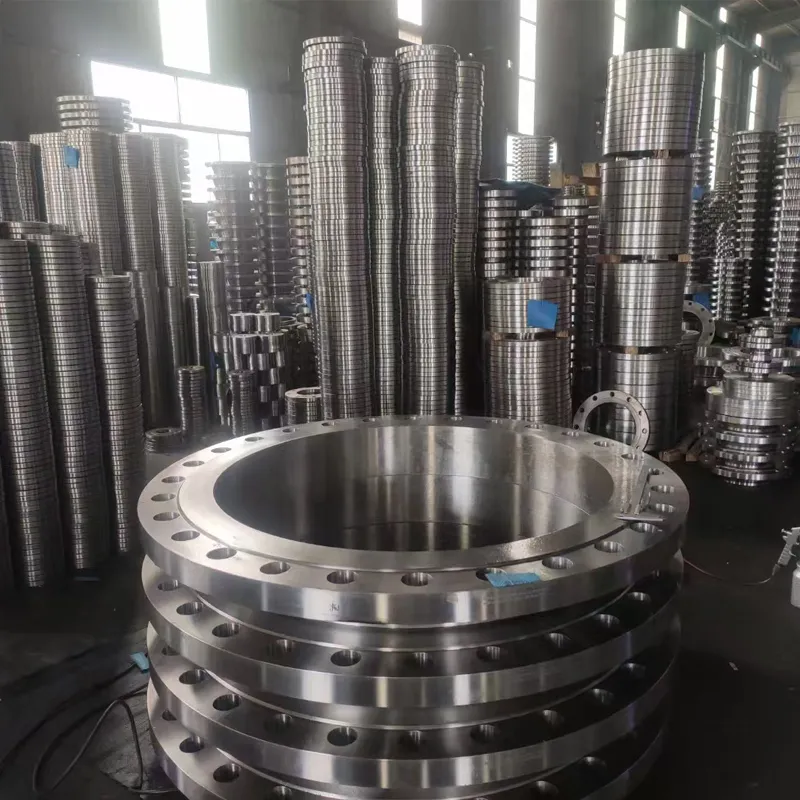
  • Superior Sealing Integrity: Precision-machined flange faces, when combined with appropriate gaskets, create highly effective, leak-proof joints capable of withstanding extreme pressures and temperatures. This minimizes product loss, reduces environmental impact, and enhances safety.
  • Robust Mechanical Strength: Through advanced forging techniques and specific heat treatments, flanges exhibit exceptional tensile strength, yield strength, and impact resistance, ensuring structural stability under dynamic operational loads and extending service life significantly.
  • Corrosion and Erosion Resistance: Utilizing materials like stainless steel flange (e.g., 316L) or specialized alloys provides resistance against corrosive media and abrasive slurries, crucial for maintaining system integrity in aggressive chemical or high-wear environments. This directly translates to reduced maintenance costs and extended operational periods.
  • Thermal Stability: Flanges designed for high-temperature applications maintain their mechanical properties and sealing capability even under significant thermal cycling, preventing premature failure and ensuring consistent performance.
  • Ease of Installation and Maintenance: The bolted connection design allows for relatively straightforward assembly, disassembly, and replacement of components, reducing downtime during maintenance or system modifications. This flexibility is enhanced by components like flexible flange designs.
  • Customization Capability: The ability to customize dimensions, materials, and face types, including specialized options like an offset flange, ensures optimal fit and performance for unique project requirements, integrating seamlessly into existing infrastructure.
High-Quality Metal Flanges: Durable & Custom Solutions

Vendor Comparison and Customized Solutions

Choosing the right flange supplier is a strategic decision that impacts project timelines, budget, and long-term operational reliability. When comparing vendors, consider not just the initial flange price, but also their manufacturing capabilities, quality control processes, adherence to international standards, and capacity for customized solutions.
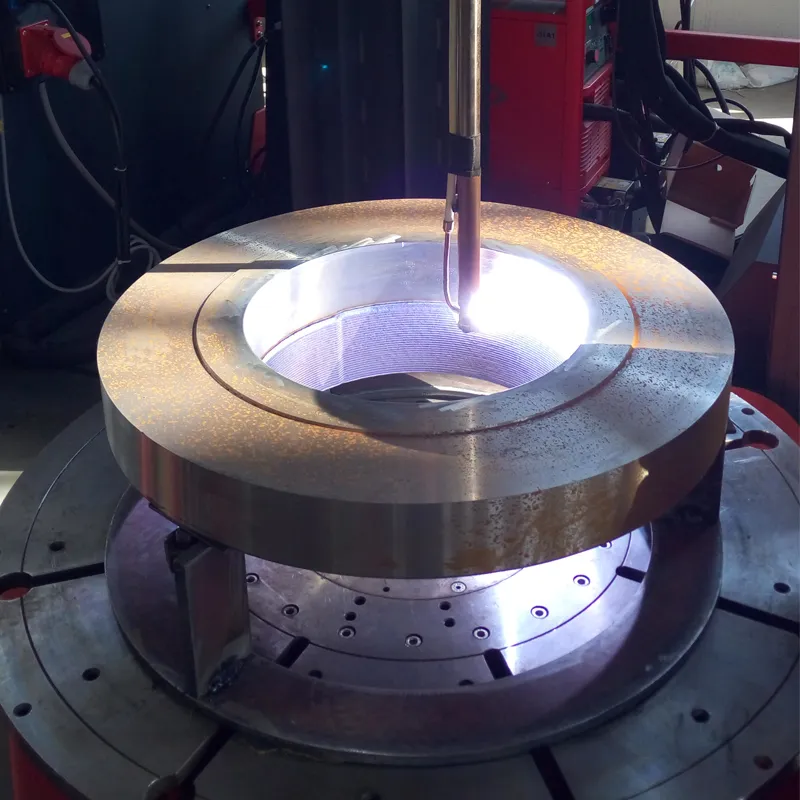
Key Factors in Vendor Evaluation:

  • Certifications: Verify adherence to ISO 9001, API, PED (Pressure Equipment Directive), and other relevant industry-specific certifications. This indicates a commitment to quality and compliance.
  • Material Sourcing & Traceability: Reputable vendors provide full material traceability, ensuring that raw materials meet specifications and can be tracked from origin to final product.
  • Technical Expertise & Support: Assess the vendor's ability to offer engineering support, design consultation, and troubleshooting, especially for complex or unique applications like an offset flange.
  • Lead Times & Logistics: Evaluate their capacity to meet delivery schedules and manage complex logistics, which is crucial for project continuity.
  • Customization Capabilities: Look for vendors who can produce specialized flanges to exact client specifications, including non-standard dimensions, unique materials, or specific face finishes. This capability allows for optimal integration into bespoke system designs.
High-Quality Metal Flanges: Durable & Custom Solutions

Flange Type Comparison Chart:

Flange Type Installation Method Typical Application Pressure/Temperature Suitability Key Advantage
Weld Neck Butt welded to pipe High pressure/temperature, critical service High (Class 150-2500+) Excellent stress distribution, robust
Slip-On Slips over pipe, fillet welded Low pressure, non-critical, easy alignment Medium (Class 150-600) Lower cost, easy to install
Blind Bolted onto pipe end Closing off pipeline ends, inspection ports High (Class 150-2500+) Seals off pipe end completely
Lap Joint Free-rotating with stub end Expensive alloy piping, frequent disassembly Medium (Class 150-300) Bolt hole alignment ease, cost savings on exotic materials
Offset Flange Butt welded or slip-on (custom) Space-constrained layouts, specific equipment alignment Varies by design (custom engineered) Accommodates non-concentric pipe connections
Flexible Flange Custom connections (e.g., clamp, specific bolt patterns) Vibration absorption, minor misalignment, thermal expansion Varies by design (custom engineered) Reduces stress, absorbs movement
High-Quality Metal Flanges: Durable & Custom Solutions

Application Case Studies: Proving Reliability in Practice

Real-world applications highlight the critical role of well-engineered flanges. Our commitment to quality and precision has enabled successful installations across diverse, challenging environments.

Case Study 1: High-Pressure Steam Line in Power Plant

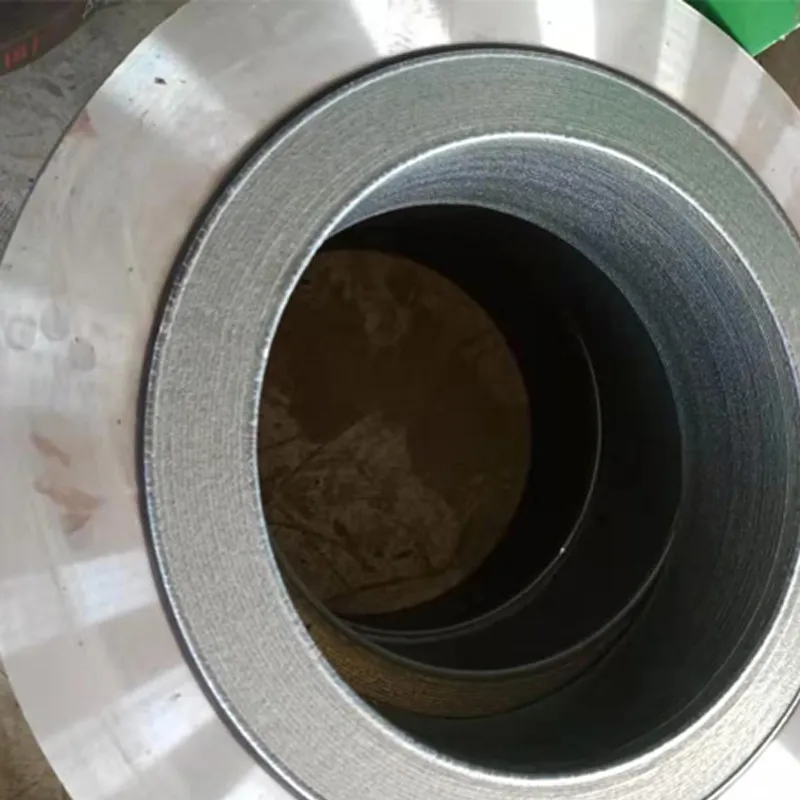
A major power generation facility required a series of high-pressure, high-temperature metal flange connections for their primary steam lines operating at 900 PSI and 1000°F (538°C). We supplied ASME B16.5 Class 900 Weld Neck Flanges, forged from ASTM A182 F22 alloy steel. These flanges underwent extensive ultrasonic and radiographic testing to ensure zero defects. The project achieved continuous operation for over 5 years without any flange-related failures, demonstrating exceptional reliability and exceeding the client's service life expectations by 25% compared to their previous supplier.
High-Quality Metal Flanges: Durable & Custom Solutions

Case Study 2: Corrosive Chemical Process Line

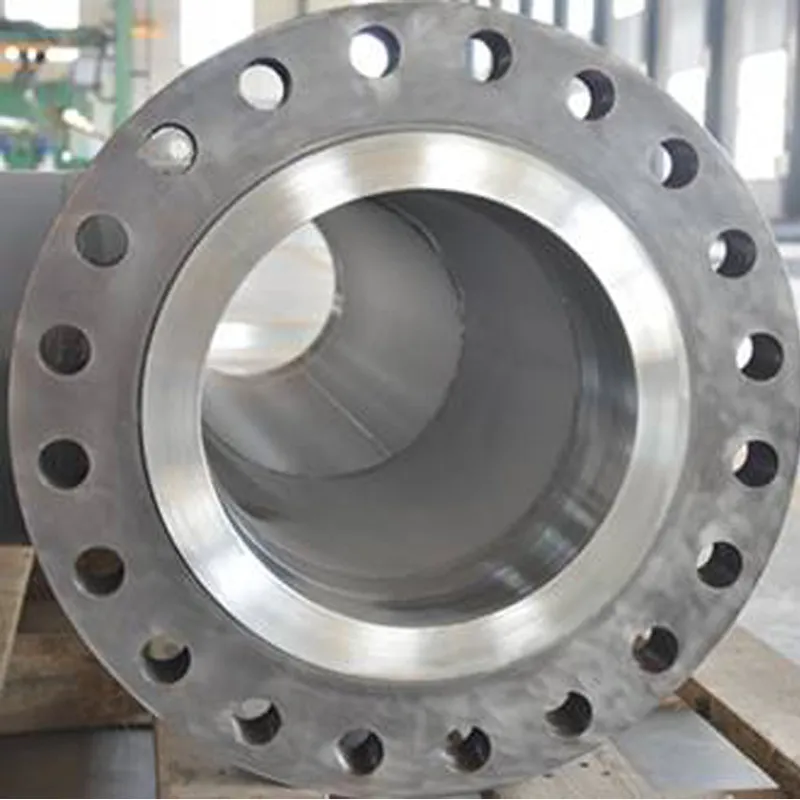
A chemical manufacturer faced persistent issues with flange corrosion in a line transporting aggressive acids. We provided custom-fabricated stainless steel flange solutions (ASTM A182 F316L, equipped with specialized PTFE-lined gaskets). The superior corrosion resistance of the 316L material, combined with precise machining for optimal gasket seating, eliminated leaks and significantly extended the maintenance cycle from quarterly to annually, resulting in substantial cost savings and improved operational safety.
High-Quality Metal Flanges: Durable & Custom Solutions

Case Study 3: Unique Spatial Constraint with an Offset Flange

An offshore oil platform required a pipe connection that had a 3-inch horizontal offset due to existing structural elements. Standard flanges could not be used without extensive and costly re-piping. We engineered and manufactured a specialized offset flange that precisely accommodated the spatial discrepancy, ensuring perfect alignment without compromising pressure integrity. This customized solution saved the client an estimated 3 weeks in project time and reduced structural modification costs by 40%.

High-Quality Metal Flanges: Durable & Custom Solutions

Quality, Trust, and Support: Our Commitment

Our reputation is built on unwavering commitment to quality, transparency, and comprehensive customer support, ensuring peace of mind for our B2B partners. We adhere to the most stringent international standards and maintain rigorous quality control at every stage of production.

Certifications & Accreditations:

  • ISO 9001:2015 Certified for Quality Management Systems.
  • Compliance with ASME B16.5, ASME B16.47, EN 1092-1, DIN, JIS standards.
  • PED 2014/68/EU Compliant (for European market applications).
  • Full material traceability and Mill Test Certificates (MTCs) provided with every order.
High-Quality Metal Flanges: Durable & Custom Solutions

Frequently Asked Questions (FAQ):

Q: What is the typical lead time for custom metal flange orders?
A: Lead times vary based on complexity, material, and quantity. Standard inventory items typically ship within 3-5 business days. Custom or large-volume orders generally range from 2 to 6 weeks. We provide a precise lead time estimate upon quotation.
Q: What warranty do you offer on your flanges?
A: We offer a comprehensive 12-month warranty from the date of installation or 18 months from the date of shipment (whichever comes first) against manufacturing defects and material non-conformance, provided the flanges are installed and operated within their specified design parameters.
Q: Can you provide flanges for extremely low-temperature (cryogenic) applications?
A: Yes, we specialize in supplying flanges made from low-temperature carbon steel (e.g., ASTM A350 LF2) and austenitic stainless steel flange materials (e.g., 304/304L, 316/316L) that retain excellent mechanical properties at cryogenic temperatures. These are meticulously tested for impact resistance at specified low temperatures.
Q: Do you offer technical support for flange selection and installation?
A: Absolutely. Our team of experienced engineers and technical specialists is available to provide guidance on material selection, pressure class determination, gasket compatibility, and best installation practices to ensure optimal system performance and safety.
High-Quality Metal Flanges: Durable & Custom Solutions

Conclusion

The metal flange stands as a cornerstone of industrial piping and pressure systems, critical for safe, efficient, and reliable operations across a myriad of sectors. From the meticulous forging process to the final precision machining and rigorous testing, every step in its production ensures adherence to global standards and peak performance. By understanding the different types of flanges, their technical specifications, and the advantages offered by specialized solutions like the offset flange or flexible flange, industries can optimize their infrastructure, reduce operational costs, and enhance safety. Partnering with a reputable manufacturer committed to quality, customization, and comprehensive support is paramount to securing the long-term integrity and success of any fluid handling system.
High-Quality Metal Flanges: Durable & Custom Solutions

References

  1. ASME Boiler and Pressure Vessel Code, Section VIII, Division 1 – Pressure Vessels. The American Society of Mechanical Engineers, New York.
  2. ASME B16.5, Pipe Flanges and Flanged Fittings: NPS 1/2 Through NPS 24 Metric/Inch Standard. The American Society of Mechanical Engineers, New York.
  3. ANSI/AWWA C207, Steel Pipe Flanges for Waterworks Service – Sizes 4 In. Through 144 In. (100 mm Through 3,600 mm). American Water Works Association.
  4. ISO 9001:2015, Quality Management Systems – Requirements. International Organization for Standardization, Geneva.
  5. WRC Bulletin 537, "ASME B16.5-2017: Pressure Ratings for Blind Flanges". Welding Research Council, New York.
  • Carbon Semless Steel Pipes

    Carbon Semless Steel Pipes

    Carbon Seamless Steel Pipes are made from high-quality carbon steel and manufactured without welded seams, offering exceptional strength, durability, and resistance to pressure. These pipes are ideal for a wide range of applications, including oil and gas pipelines, construction, automotive, and fluid transportation systems. The seamless design ensures uniformity, higher structural integrity, and improved performance under high pressure and temperature conditions.
    VIEW ALL
  • Factory Prefabricated Products

    Factory Prefabricated Products

    In modern industrial construction, the quality and supply efficiency of pipe fittings directly affect the success or failure of the project. With advanced production concept and strong technical strength, we focus on the factory prefabrication of products, and provide all-round pipe fitting solutions for many key fields such as petrochemical industry and coal chemical industry.
    VIEW ALL
  • Tee Pipe

    Tee Pipe

    Tee products are essential pipe fittings used to connect three sections of piping, forming a "T" shape. Available in various materials like carbon steel, stainless steel, and alloy steel, they are designed for use in systems requiring the diversion or junction of fluid flow.
    VIEW ALL
To create value for customers!
Cangzhou Leo Technology Co., Ltd. is located in Mengcun County Economic Development Zone, Cangzhou City, Hebei Province. It is a specialized high-tech enterprise that integrates the research and development, production, and sales of composite pipes and fittings.
News
The company regards product quality as the life of the enterprise, establishes a sound quality management system in accordance with the requirements of industry and national standards, controls all aspects of input and output in the whole process, pays attention to every detail, and ensures that the product delivery pass rate is 100%.
Comprehensive Guide to Steel Pipes and Fittings | Benefits & Global Applications

Comprehensive Guide to Steel Pipes and Fittings | Benefits & Global Applications

Steel Pipes and Fittings: Backbone of Global Infrastructure Steel pipes and fittings might sound lik
Understanding Welded Steel Pipe: Applications, Benefits, and Innovations

Understanding Welded Steel Pipe: Applications, Benefits, and Innovations

The Quiet Power of Welded Steel Pipe in Today's World If you’re here, you’re probably wo
The Essential Guide to Tube and Steel: Applications, Benefits, and Future Trends

The Essential Guide to Tube and Steel: Applications, Benefits, and Future Trends

Understanding Tube and Steel: Why It Matters in a Complex World If you haven’t given much thou
Thin Wall Steel Pipe – Lightweight Strength for Global Infrastructure Solutions

Thin Wall Steel Pipe – Lightweight Strength for Global Infrastructure Solutions

Understanding Thin Wall Steel Pipe: Why It Matters Globally The term “thin wall steel pipe&rdq
Thick Wall Steel Tubing: Durable Solutions for Global Pipelines and Infrastructure

Thick Wall Steel Tubing: Durable Solutions for Global Pipelines and Infrastructure

The Growing Importance of Thick Wall Steel Tubing: A Practical Overview Sometimes when you hear &ldq
Thick Wall Steel Pipe - Durable Industrial Piping for High-Pressure Applications

Thick Wall Steel Pipe - Durable Industrial Piping for High-Pressure Applications

Understanding Thick Wall Steel Pipe: What It Is and Why It Matters Globally If you’ve ever enc

High-Quality Metal Flanges: Durable & Custom Solutions

Sep 08 2025
share:

Understanding the Critical Role of metal flange Systems in Industrial Applications

In complex piping and pressure vessel systems, the integrity and efficiency of connections are paramount. The metal flange serves as a critical component, providing a robust and leak-proof joint between pipes, valves, pumps, and other equipment. These essential devices enable easy assembly, disassembly, and maintenance, making them indispensable across virtually every industrial sector. This comprehensive overview delves into the manufacturing processes, technical specifications, diverse applications, and strategic advantages of metal flanges, addressing key considerations for B2B decision-makers and engineers.

metal flange

The Precision Manufacturing Process of a metal flange

The production of high-quality flanges involves several precise steps, ensuring their structural integrity and performance under demanding operational conditions. Materials are selected based on the intended application, pressure, temperature, and corrosive environment. Common materials include carbon steel, alloy steel, and various grades of stainless steel flange materials (e.g., 304, 316, 321), known for their superior corrosion resistance and strength.

Key Manufacturing Stages:

  1. Material Preparation: Raw materials, typically in billet or plate form, undergo initial inspection for chemical composition and mechanical properties to ensure compliance with industry standards (e.g., ASTM A105 for forged carbon steel, ASTM A182 for forged alloy/stainless steel).
  2. Forging: This is the most common method for producing high-strength flanges. Ingots are heated to a specific temperature and then shaped under intense pressure using hammers or presses. Forging aligns the grain structure, enhancing the flange's strength, toughness, and fatigue resistance, crucial for applications involving high pressure and temperature.
  3. Casting: While less common for critical applications due to potential for internal defects, casting involves pouring molten metal into a mold. It's suitable for larger or more complex geometries where forging might be impractical, but requires rigorous non-destructive testing (NDT).
  4. Heat Treatment: Post-forging or casting, flanges undergo heat treatment processes such as normalizing, annealing, or quenching and tempering. This refines the grain structure, relieves internal stresses, and optimizes mechanical properties like hardness and ductility, extending the service life.
  5. CNC Machining: Precision machining is critical. Computer Numerical Control (CNC) machines accurately cut, drill, and finish the flange, ensuring precise dimensions, bore diameters, bolt hole patterns, and sealing faces (e.g., raised face, flat face, ring type joint). This step ensures exact adherence to standards like ANSI B16.5, ASME B16.47, or EN 1092-1.
  6. Surface Treatment: Depending on the application, flanges may receive surface treatments like galvanizing, painting, or coating to enhance corrosion resistance and prolong service life, particularly in harsh environments.
  7. Testing and Quality Control: Every metal flange undergoes rigorous testing. This includes dimensional checks, visual inspection, mechanical property tests (tensile strength, yield strength, hardness), chemical composition analysis, and non-destructive testing (NDT) such as ultrasonic testing (UT), magnetic particle inspection (MPI), or liquid penetrant testing (LPT) to detect any internal or surface flaws. Hydrostatic testing is also performed to verify leak integrity. All processes adhere to international testing standards like ISO 9001 and API specifications.
metal flange

Technical Specifications and Types of Flanges

Understanding the diverse range of different types of flanges and their specifications is crucial for optimal system design. Flanges are categorized by their facing type, connection method, and pressure rating, each designed for specific operational demands. Key standards governing these specifications include ASME B16.5 (for flanges up to NPS 24) and ASME B16.47 (for larger diameter flanges).

Common Flange Types:

  • Weld Neck Flanges: Designed for high-pressure, high-temperature applications, offering excellent stress distribution due to their tapered hub.
  • Slip-On Flanges: Easy to align and install, suitable for lower pressure applications. They are typically double-welded for strength.
  • Blind Flanges: Used to close off the end of a piping system or a vessel opening, allowing for future expansion or access.
  • Socket Weld Flanges: Ideal for smaller bore, high-pressure piping systems where internal welding is not possible.
  • Threaded/Screwed Flanges: Used in non-weldable applications or where welding is hazardous, common in lower pressure services.
  • Lap Joint Flanges: Feature a stub end that allows the flange to be rotated for easy alignment of bolt holes, often used with expensive alloy piping.
  • Orifice Flanges: Used for flow measurement in conjunction with orifice meters.
  • Reducing Flanges: Connect pipes of different diameters, eliminating the need for a separate reducer.
  • Flexible Flanges: Designed with specific geometries or materials to accommodate minor misalignment or thermal expansion, reducing stress on the piping system.
  • Offset Flanges: These specialized flanges feature a centerline that is deliberately shifted, allowing for unique piping configurations or to address spatial constraints where standard flanges cannot be used. They are crucial for optimizing layout and fit-up in confined spaces.
metal flange

Typical Flange Material Specifications and Pressure Ratings:

Material Type ASTM Specification Common Applications Temperature Range (approx.) Pressure Ratings (Class)
Carbon Steel ASTM A105 General purpose, non-corrosive fluids, ambient to moderate temp. -20°F to 800°F (-29°C to 427°C) 150, 300, 600, 900, 1500, 2500
Low Temp Carbon Steel ASTM A350 LF2 Cryogenic service, low-temperature applications -50°F to 800°F (-46°C to 427°C) 150, 300, 600, 900, 1500, 2500
Stainless Steel (304/304L) ASTM A182 F304/304L Corrosive environments, food & beverage, chemical processing -325°F to 1500°F (-198°C to 815°C) 150, 300, 600, 900, 1500, 2500
Stainless Steel (316/316L) ASTM A182 F316/316L Highly corrosive, marine, pharmaceutical, high-temperature resistance -325°F to 1500°F (-198°C to 815°C) 150, 300, 600, 900, 1500, 2500
Alloy Steel (Cr-Mo) ASTM A182 F11/F22 High-temperature service, power generation, oil & gas -20°F to 1100°F (-29°C to 593°C) 300, 600, 900, 1500, 2500
metal flange

Industry Trends and Application Scenarios

The market for industrial flanges is continually evolving, driven by global infrastructure development, energy demand, and stricter environmental regulations. Key trends include the increasing adoption of higher-grade alloys for extreme conditions, advancements in sealing technologies, and a growing emphasis on smart manufacturing processes to ensure consistent quality and reduce the overall flange price.

Target Industries & Applications:

  • Petrochemical and Oil & Gas: Flanges are fundamental in upstream, midstream, and downstream operations, connecting pipelines, drilling equipment, and refinery components. The need for robust corrosion resistance (especially with stainless steel flange types) and high-pressure capabilities is critical. Advantages include safe containment of hazardous fluids and enhanced energy saving through efficient, leak-free systems.
  • Power Generation: Used in steam lines, cooling systems, and chemical injection systems in thermal, nuclear, and renewable energy plants. High-temperature and pressure-resistant flanges ensure operational reliability and extended service life.
  • Water Supply & Drainage: Essential for connecting various components in municipal water treatment plants, pumping stations, and distribution networks. Corrosion resistance, particularly in potable water applications, is a primary advantage.
  • Chemical Processing: Handling aggressive chemicals requires flanges made from specialized alloys (e.g., Hastelloy, Monel) or high-grade stainless steel flange materials to prevent premature failure due to chemical attack, providing superior corrosion resistance.
  • Metallurgy and Mining: In abrasive environments, heavy-duty flanges connect slurry lines and process equipment, designed for durability and ease of maintenance.
  • Shipbuilding: Used extensively in marine piping systems for freshwater, saltwater, fuel, and exhaust applications, where saltwater corrosion resistance is paramount.
metal flange

Technical Advantages and Performance Metrics

The selection of the correct metal flange provides distinct technical advantages that contribute to the overall efficiency, safety, and longevity of industrial systems. These advantages are directly tied to adherence to stringent manufacturing standards and material science.

  • Superior Sealing Integrity: Precision-machined flange faces, when combined with appropriate gaskets, create highly effective, leak-proof joints capable of withstanding extreme pressures and temperatures. This minimizes product loss, reduces environmental impact, and enhances safety.
  • Robust Mechanical Strength: Through advanced forging techniques and specific heat treatments, flanges exhibit exceptional tensile strength, yield strength, and impact resistance, ensuring structural stability under dynamic operational loads and extending service life significantly.
  • Corrosion and Erosion Resistance: Utilizing materials like stainless steel flange (e.g., 316L) or specialized alloys provides resistance against corrosive media and abrasive slurries, crucial for maintaining system integrity in aggressive chemical or high-wear environments. This directly translates to reduced maintenance costs and extended operational periods.
  • Thermal Stability: Flanges designed for high-temperature applications maintain their mechanical properties and sealing capability even under significant thermal cycling, preventing premature failure and ensuring consistent performance.
  • Ease of Installation and Maintenance: The bolted connection design allows for relatively straightforward assembly, disassembly, and replacement of components, reducing downtime during maintenance or system modifications. This flexibility is enhanced by components like flexible flange designs.
  • Customization Capability: The ability to customize dimensions, materials, and face types, including specialized options like an offset flange, ensures optimal fit and performance for unique project requirements, integrating seamlessly into existing infrastructure.
metal flange

Vendor Comparison and Customized Solutions

Choosing the right flange supplier is a strategic decision that impacts project timelines, budget, and long-term operational reliability. When comparing vendors, consider not just the initial flange price, but also their manufacturing capabilities, quality control processes, adherence to international standards, and capacity for customized solutions.

Key Factors in Vendor Evaluation:

  • Certifications: Verify adherence to ISO 9001, API, PED (Pressure Equipment Directive), and other relevant industry-specific certifications. This indicates a commitment to quality and compliance.
  • Material Sourcing & Traceability: Reputable vendors provide full material traceability, ensuring that raw materials meet specifications and can be tracked from origin to final product.
  • Technical Expertise & Support: Assess the vendor's ability to offer engineering support, design consultation, and troubleshooting, especially for complex or unique applications like an offset flange.
  • Lead Times & Logistics: Evaluate their capacity to meet delivery schedules and manage complex logistics, which is crucial for project continuity.
  • Customization Capabilities: Look for vendors who can produce specialized flanges to exact client specifications, including non-standard dimensions, unique materials, or specific face finishes. This capability allows for optimal integration into bespoke system designs.
metal flange

Flange Type Comparison Chart:

Flange Type Installation Method Typical Application Pressure/Temperature Suitability Key Advantage
Weld Neck Butt welded to pipe High pressure/temperature, critical service High (Class 150-2500+) Excellent stress distribution, robust
Slip-On Slips over pipe, fillet welded Low pressure, non-critical, easy alignment Medium (Class 150-600) Lower cost, easy to install
Blind Bolted onto pipe end Closing off pipeline ends, inspection ports High (Class 150-2500+) Seals off pipe end completely
Lap Joint Free-rotating with stub end Expensive alloy piping, frequent disassembly Medium (Class 150-300) Bolt hole alignment ease, cost savings on exotic materials
Offset Flange Butt welded or slip-on (custom) Space-constrained layouts, specific equipment alignment Varies by design (custom engineered) Accommodates non-concentric pipe connections
Flexible Flange Custom connections (e.g., clamp, specific bolt patterns) Vibration absorption, minor misalignment, thermal expansion Varies by design (custom engineered) Reduces stress, absorbs movement
metal flange

Application Case Studies: Proving Reliability in Practice

Real-world applications highlight the critical role of well-engineered flanges. Our commitment to quality and precision has enabled successful installations across diverse, challenging environments.

Case Study 1: High-Pressure Steam Line in Power Plant

A major power generation facility required a series of high-pressure, high-temperature metal flange connections for their primary steam lines operating at 900 PSI and 1000°F (538°C). We supplied ASME B16.5 Class 900 Weld Neck Flanges, forged from ASTM A182 F22 alloy steel. These flanges underwent extensive ultrasonic and radiographic testing to ensure zero defects. The project achieved continuous operation for over 5 years without any flange-related failures, demonstrating exceptional reliability and exceeding the client's service life expectations by 25% compared to their previous supplier.

metal flange

Case Study 2: Corrosive Chemical Process Line

A chemical manufacturer faced persistent issues with flange corrosion in a line transporting aggressive acids. We provided custom-fabricated stainless steel flange solutions (ASTM A182 F316L, equipped with specialized PTFE-lined gaskets). The superior corrosion resistance of the 316L material, combined with precise machining for optimal gasket seating, eliminated leaks and significantly extended the maintenance cycle from quarterly to annually, resulting in substantial cost savings and improved operational safety.

metal flange

Case Study 3: Unique Spatial Constraint with an Offset Flange

An offshore oil platform required a pipe connection that had a 3-inch horizontal offset due to existing structural elements. Standard flanges could not be used without extensive and costly re-piping. We engineered and manufactured a specialized offset flange that precisely accommodated the spatial discrepancy, ensuring perfect alignment without compromising pressure integrity. This customized solution saved the client an estimated 3 weeks in project time and reduced structural modification costs by 40%.

metal flange

Quality, Trust, and Support: Our Commitment

Our reputation is built on unwavering commitment to quality, transparency, and comprehensive customer support, ensuring peace of mind for our B2B partners. We adhere to the most stringent international standards and maintain rigorous quality control at every stage of production.

Certifications & Accreditations:

  • ISO 9001:2015 Certified for Quality Management Systems.
  • Compliance with ASME B16.5, ASME B16.47, EN 1092-1, DIN, JIS standards.
  • PED 2014/68/EU Compliant (for European market applications).
  • Full material traceability and Mill Test Certificates (MTCs) provided with every order.
metal flange

Frequently Asked Questions (FAQ):

Q: What is the typical lead time for custom metal flange orders?
A: Lead times vary based on complexity, material, and quantity. Standard inventory items typically ship within 3-5 business days. Custom or large-volume orders generally range from 2 to 6 weeks. We provide a precise lead time estimate upon quotation.
Q: What warranty do you offer on your flanges?
A: We offer a comprehensive 12-month warranty from the date of installation or 18 months from the date of shipment (whichever comes first) against manufacturing defects and material non-conformance, provided the flanges are installed and operated within their specified design parameters.
Q: Can you provide flanges for extremely low-temperature (cryogenic) applications?
A: Yes, we specialize in supplying flanges made from low-temperature carbon steel (e.g., ASTM A350 LF2) and austenitic stainless steel flange materials (e.g., 304/304L, 316/316L) that retain excellent mechanical properties at cryogenic temperatures. These are meticulously tested for impact resistance at specified low temperatures.
Q: Do you offer technical support for flange selection and installation?
A: Absolutely. Our team of experienced engineers and technical specialists is available to provide guidance on material selection, pressure class determination, gasket compatibility, and best installation practices to ensure optimal system performance and safety.
metal flange

Conclusion

The metal flange stands as a cornerstone of industrial piping and pressure systems, critical for safe, efficient, and reliable operations across a myriad of sectors. From the meticulous forging process to the final precision machining and rigorous testing, every step in its production ensures adherence to global standards and peak performance. By understanding the different types of flanges, their technical specifications, and the advantages offered by specialized solutions like the offset flange or flexible flange, industries can optimize their infrastructure, reduce operational costs, and enhance safety. Partnering with a reputable manufacturer committed to quality, customization, and comprehensive support is paramount to securing the long-term integrity and success of any fluid handling system.

metal flange

References

  1. ASME Boiler and Pressure Vessel Code, Section VIII, Division 1 – Pressure Vessels. The American Society of Mechanical Engineers, New York.
  2. ASME B16.5, Pipe Flanges and Flanged Fittings: NPS 1/2 Through NPS 24 Metric/Inch Standard. The American Society of Mechanical Engineers, New York.
  3. ANSI/AWWA C207, Steel Pipe Flanges for Waterworks Service – Sizes 4 In. Through 144 In. (100 mm Through 3,600 mm). American Water Works Association.
  4. ISO 9001:2015, Quality Management Systems – Requirements. International Organization for Standardization, Geneva.
  5. WRC Bulletin 537, "ASME B16.5-2017: Pressure Ratings for Blind Flanges". Welding Research Council, New York.
  • Flange

    Flange

    Flange Product Introduction Flanges are used to connect pipes to pipes or pipes to equipment, ensuring a sealed and stable connection. They prevent fluid leakage and can withstand certain pressures and stresses, ensuring reliable connections. Flange nominal diameters range from DN15-DN2000 and beyond, covering various pipeline connection needs. Flanges primarily adhere to international standards such as ASME B16.5-2020, ASME B16.47-2020, and API 6A-2018.
    VIEW ALL
  • Factory Prefabricated Products

    Factory Prefabricated Products

    In modern industrial construction, the quality and supply efficiency of pipe fittings directly affect the success or failure of the project. With advanced production concept and strong technical strength, we focus on the factory prefabrication of products, and provide all-round pipe fitting solutions for many key fields such as petrochemical industry and coal chemical industry.
    VIEW ALL
  • Anti Corrosion And Thermal Insulation Products
    Anti Corrosion And Thermal Insulation Products
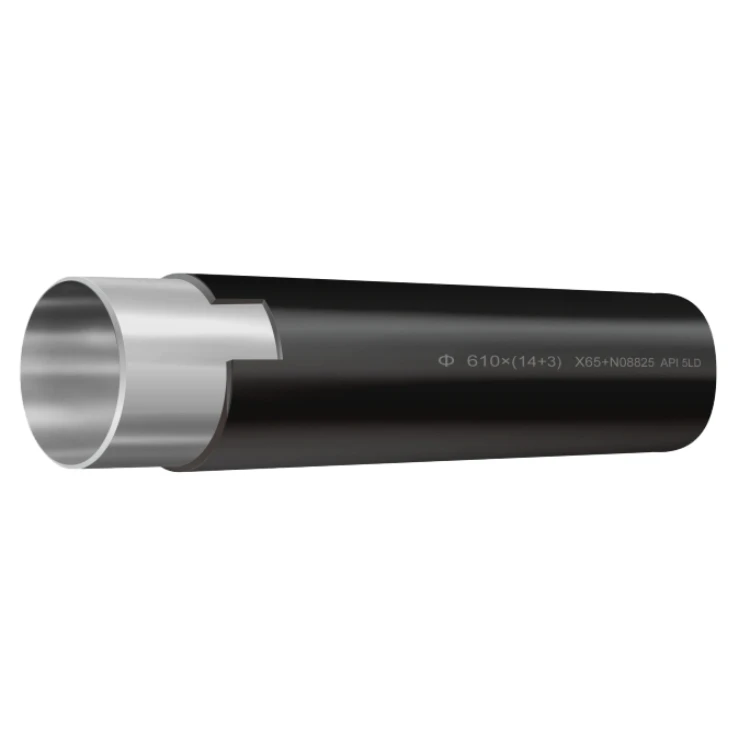
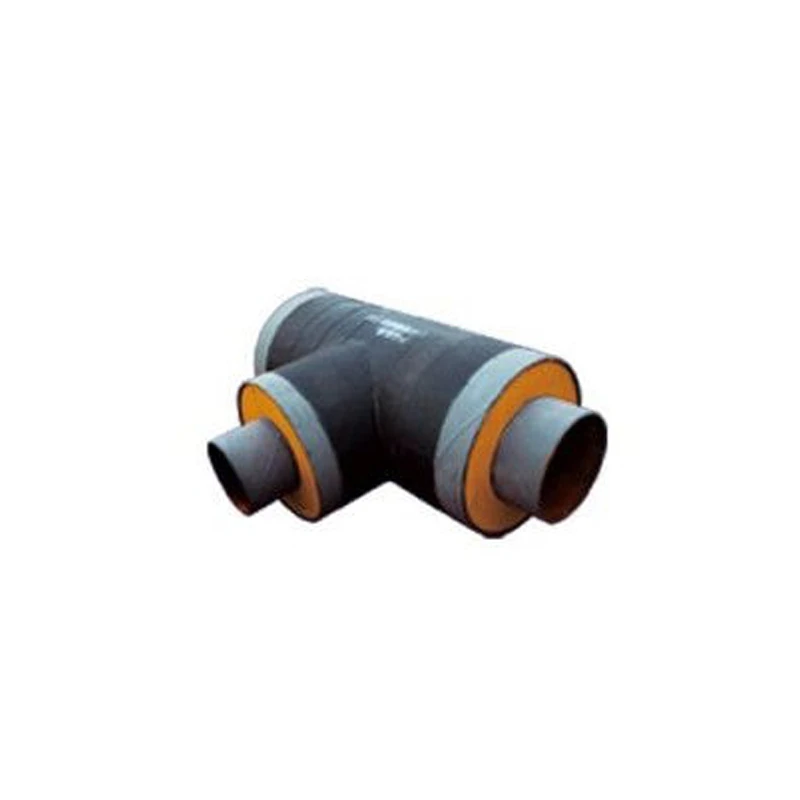
    The anti-corrosion and thermal insulation products we focus on produce play a key role in the industrial pipeline system, especially the thermal insulation pipe fittings and steel pipes. Thermal insulation pipe fittings cover elbows, tees, reducers and pipe supports, with specifications ranging from DN15 to DN1800, and are made of carbon steel, alloy steel, stainless steel, bimetallic composite, nickel-based alloy and other materials.
    VIEW ALL
To create value for customers!
Cangzhou Leo Technology Co., Ltd. is located in Mengcun County Economic Development Zone, Cangzhou City, Hebei Province. It is a specialized high-tech enterprise that integrates the research and development, production, and sales of composite pipes and fittings.
News
The company regards product quality as the life of the enterprise, establishes a sound quality management system in accordance with the requirements of industry and national standards, controls all aspects of input and output in the whole process, pays attention to every detail, and ensures that the product delivery pass rate is 100%.
Comprehensive Guide to Steel Pipes and Fittings | Benefits & Global Applications

Comprehensive Guide to Steel Pipes and Fittings | Benefits & Global Applications

Steel Pipes and Fittings: Backbone of Global Infrastructure Steel pipes and fittings might sound lik
Understanding Welded Steel Pipe: Applications, Benefits, and Innovations

Understanding Welded Steel Pipe: Applications, Benefits, and Innovations

The Quiet Power of Welded Steel Pipe in Today's World If you’re here, you’re probably wo
The Essential Guide to Tube and Steel: Applications, Benefits, and Future Trends

The Essential Guide to Tube and Steel: Applications, Benefits, and Future Trends

Understanding Tube and Steel: Why It Matters in a Complex World If you haven’t given much thou
Thin Wall Steel Pipe – Lightweight Strength for Global Infrastructure Solutions

Thin Wall Steel Pipe – Lightweight Strength for Global Infrastructure Solutions

Understanding Thin Wall Steel Pipe: Why It Matters Globally The term “thin wall steel pipe&rdq
Thick Wall Steel Tubing: Durable Solutions for Global Pipelines and Infrastructure

Thick Wall Steel Tubing: Durable Solutions for Global Pipelines and Infrastructure

The Growing Importance of Thick Wall Steel Tubing: A Practical Overview Sometimes when you hear &ldq
Thick Wall Steel Pipe - Durable Industrial Piping for High-Pressure Applications

Thick Wall Steel Pipe - Durable Industrial Piping for High-Pressure Applications

Understanding Thick Wall Steel Pipe: What It Is and Why It Matters Globally If you’ve ever enc
tel email tel top

If you are interested in our products, you can choose to leave your information here, and we will be in touch with you shortly.