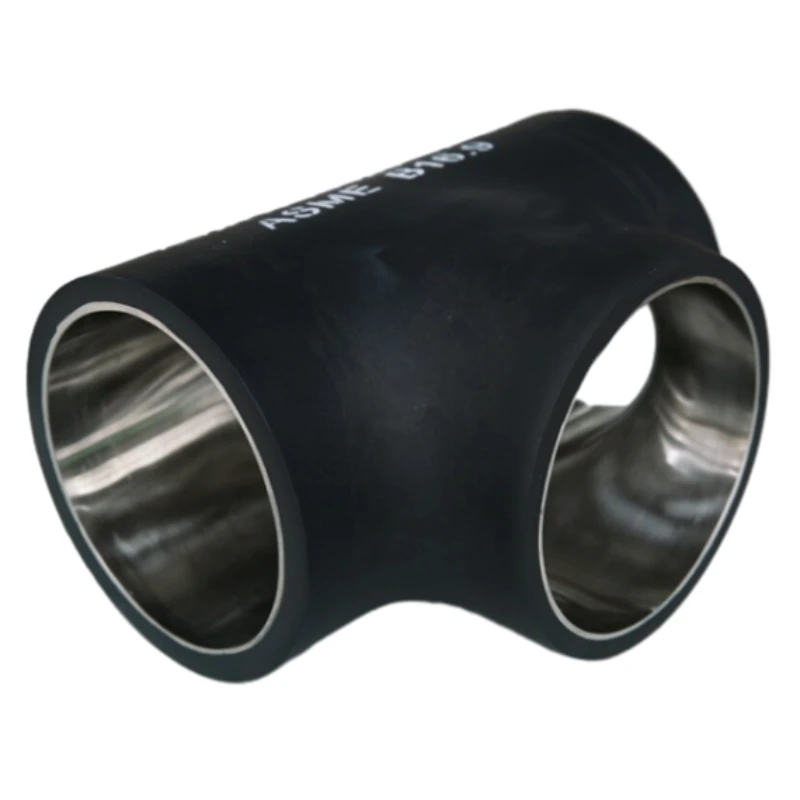
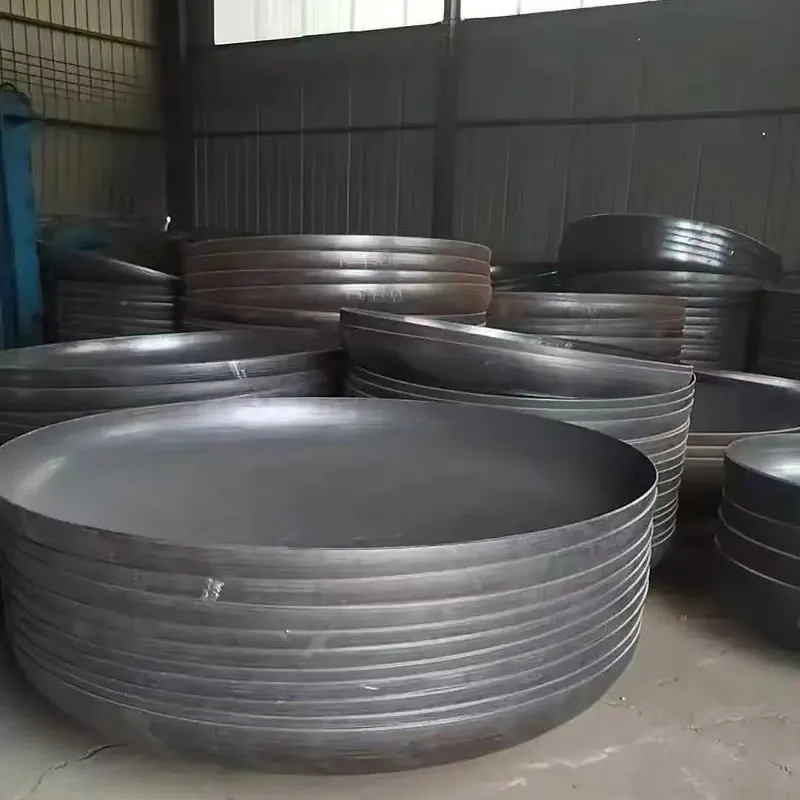
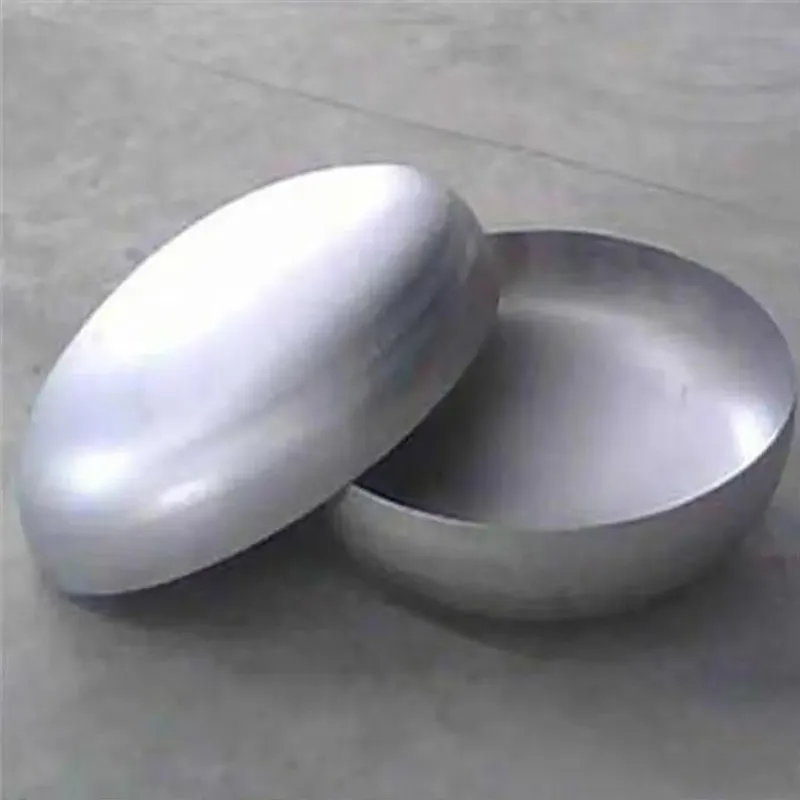
In the vast landscape of industrial piping and fluid transfer systems, components that ensure system integrity, safety, and efficiency are paramount. Among these, the stainless steel cap stands out as a critical element. These essential fittings are primarily used to permanently or temporarily seal off the ends of pipes in various applications, preventing leakage, protecting against contamination, and providing a clean finish to pipe runs. Their robust material properties, particularly corrosion resistance and high strength, make them indispensable across a multitude of demanding sectors.
This comprehensive guide delves into the intricate world of stainless steel caps, exploring their manufacturing processes, technical specifications, diverse applications, and inherent advantages. We will also address key considerations for B2B decision-makers, including vendor selection, customization options, and crucial support services, all while adhering to the highest standards of expertise, experience, authoritativeness, and trustworthiness.
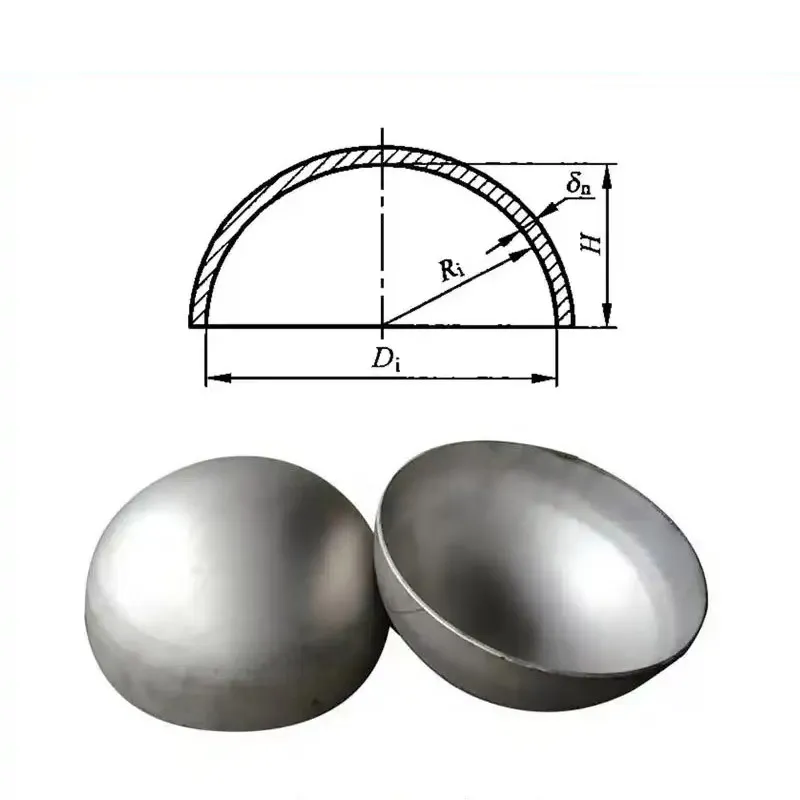
The market for industrial pipe fittings, including the stainless steel cap, is experiencing steady growth driven by global infrastructure development, increasing demand from the oil and gas sector, chemical processing, power generation, and urban water supply and drainage projects. Key trends indicate a rising preference for materials offering enhanced durability and resistance to harsh operating conditions. Stainless steel, particularly grades like 304, 316, and duplex alloys, continues to dominate due to its superior corrosion resistance and hygienic properties, making it ideal for critical applications.
Technological advancements in manufacturing, such as precision CNC machining and advanced forging techniques, are enabling the production of more complex geometries and tighter tolerances. There is also a growing emphasis on sustainability, leading to demand for products with longer service lives and those manufactured with environmentally responsible processes. Furthermore, the rise of smart factories and Industry 4.0 principles is pushing for greater standardization, traceability, and integration of supply chains, ensuring higher quality and more efficient delivery of components like the stainless steel cap.
The production of a high-quality stainless steel cap is a multi-stage process, meticulously controlled to ensure adherence to stringent industry standards and optimal performance. Understanding this process provides insight into the inherent quality and reliability of these critical components.
1. Material Selection
High-grade stainless steel (e.g., 304/304L, 316/316L, Duplex), ensuring chemical composition meets ASTM/EN standards.
2. Cutting & Blanking
Steel plates or pipes are precisely cut into blanks using plasma, laser, or saw cutting methods.
3. Forming (Forging/Deep Drawing)
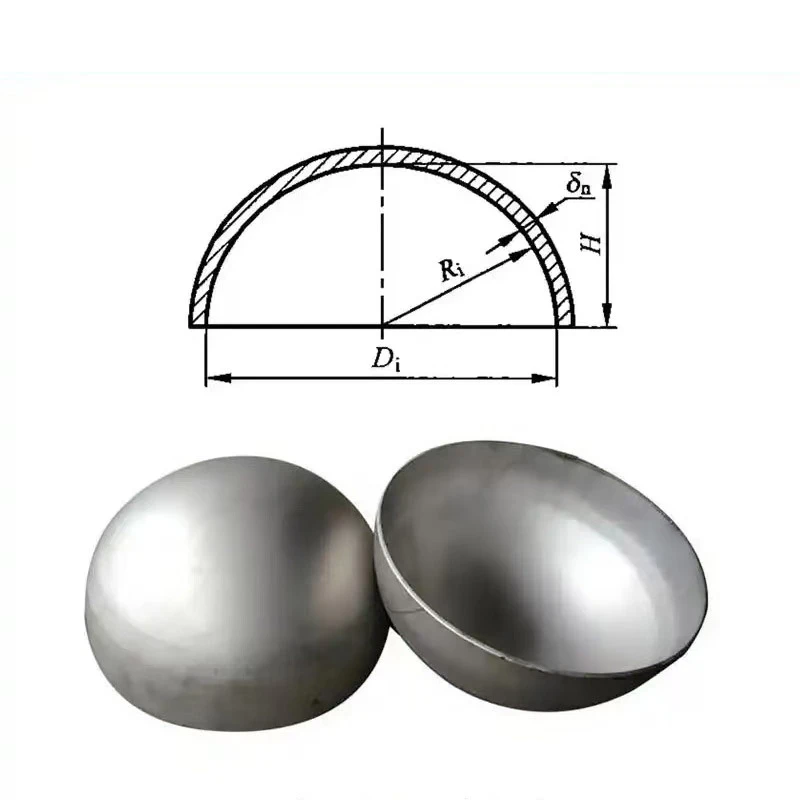
Caps are typically formed via hot forging for larger sizes/thicknesses, or deep drawing for smaller/thinner caps, shaping the blank into the desired cap geometry (e.g., elliptical, hemispherical).
4. Heat Treatment (Solution Annealing)
To relieve internal stresses, restore corrosion resistance, and optimize mechanical properties, particularly after forming, per ASTM A960.
5. Machining & Beveling
CNC machining ensures precise dimensions and prepares edges for welding (e.g., butt weld pipe cap), adhering to ANSI B16.9 or B16.11 standards.
6. Surface Treatment (Pickling/Passivation)
Removes scale and creates a passive oxide layer, enhancing corrosion resistance.
7. Quality Control & Testing
Rigorous inspections: dimensional checks, material verification (PMI), ultrasonic testing, radiographic testing, hydrostatic testing. Compliance with ISO 9001, PED 2014/68/EU, and specific client requirements.
8. Marking & Packaging
Products are marked with material grade, size, schedule, and heat number, then appropriately packaged for protection during transit.
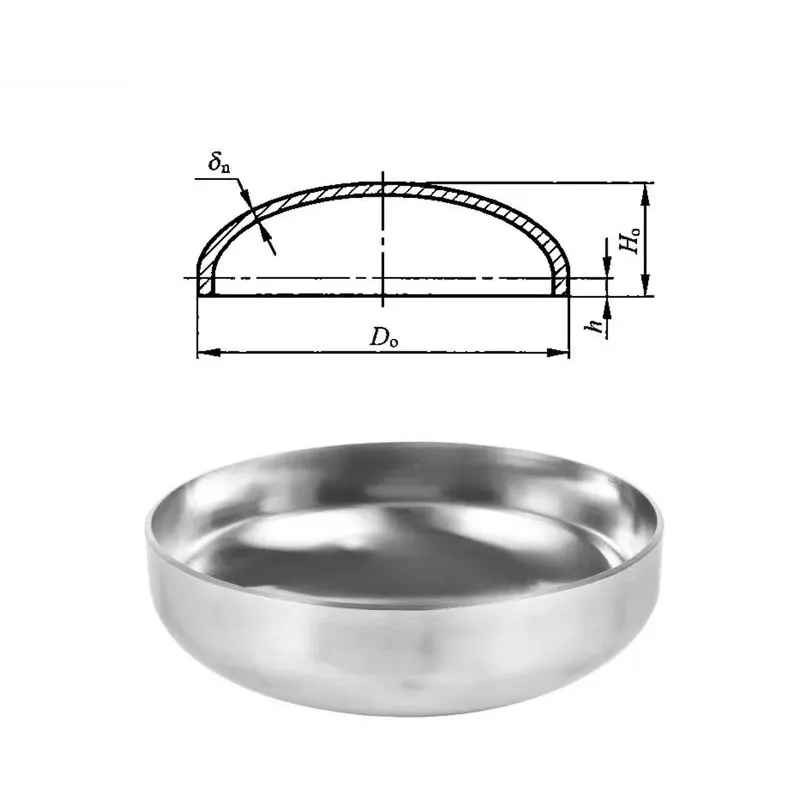
The robust manufacturing process ensures that stainless steel caps offer an exceptional service life, often exceeding 20-30 years in non-aggressive environments, and 10-15 years even in highly corrosive conditions, provided proper material selection and installation. These products are crucial in sectors such as petrochemical, metallurgy, power generation, water supply & drainage, pharmaceuticals, food & beverage, and marine engineering. Their advantages in these scenarios include superior corrosion resistance against various chemicals, energy saving through reduced leakage points, and enhanced system reliability.
The technical specifications of a stainless steel cap are vital for engineers and procurement specialists to ensure compatibility, performance, and compliance. Key parameters include material grade, nominal pipe size (NPS), wall thickness (schedule), connection type, and applicable industry standards.
| Parameter | Description/Range | Applicable Standards |
|---|---|---|
| Material Grades | ASTM A403 WP304/304L, WP316/316L, WP321, WP347, WP317L, Duplex (UNS S31803, S32750) | ASTM A403/A403M, ASME SA403 |
| Connection Type | Butt Weld, Socket Weld, Threaded (NPT, BSPT, NPSM) | ASME B16.9 (Butt Weld), ASME B16.11 (Socket Weld & Threaded), MSS SP-83, MSS SP-95 |
| Size Range (NPS) | Butt Weld: 1/2" to 48" (DN15-DN1200); Socket Weld/Threaded: 1/8" to 4" (DN6-DN100) | ASME B36.10M, B36.19M |
| Wall Thickness (Schedule) | Sch 10S, Sch 40S, Sch 80S, Sch 160, XS, XXS (as per ASME B36.10/19) | ASME B16.9 |
| Manufacturing Process | Forged, Seamless, Welded | ASTM A815, A234 |
| Surface Finish | Mill finish, Polished, Pickled and Passivated | ASTM A967 (Passivation) |
| Testing | PMI, UT, RT, Hydrostatic, Dimensional, Visual | ASME B16.9, Client Specific ITP |
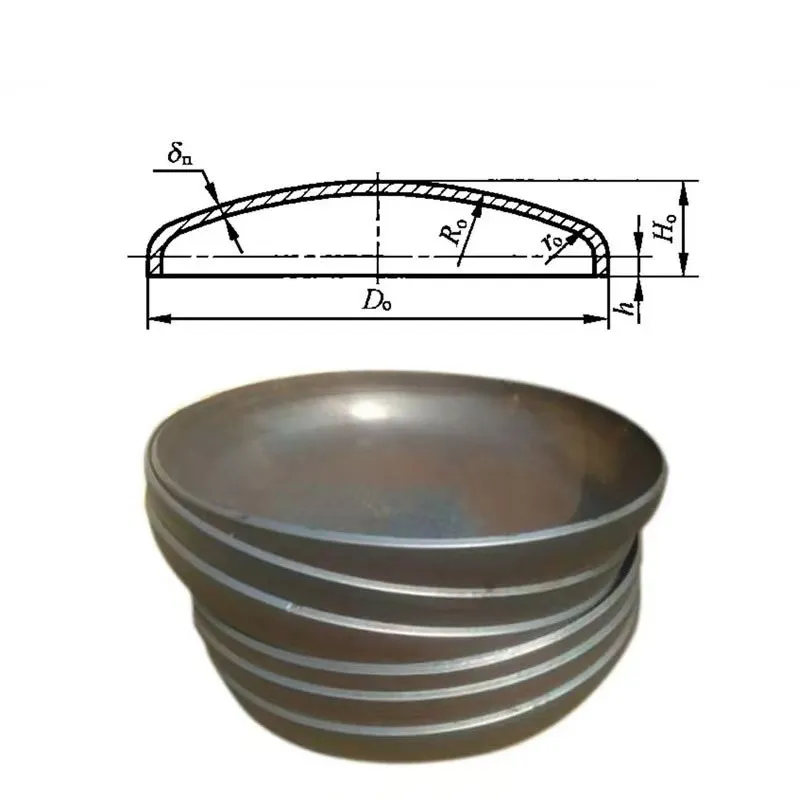
The versatility and durability of the stainless steel cap make it suitable for a broad spectrum of industrial applications. Its ability to withstand harsh conditions, maintain hygienic integrity, and provide reliable sealing is crucial across diverse sectors.
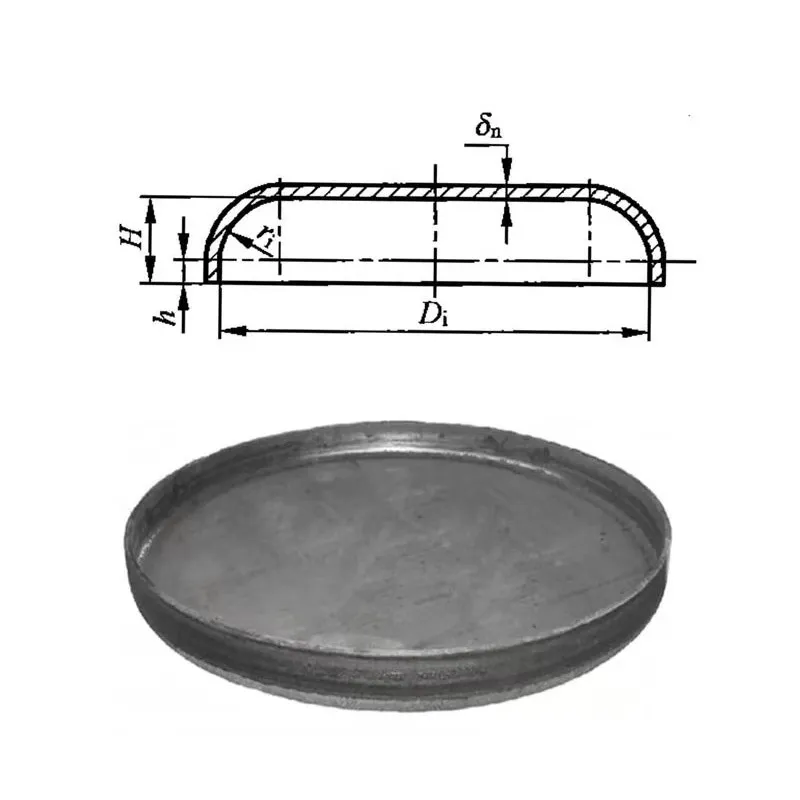
Choosing a stainless steel cap over alternatives offers several distinct technical advantages that contribute to long-term system reliability, safety, and cost-effectiveness.
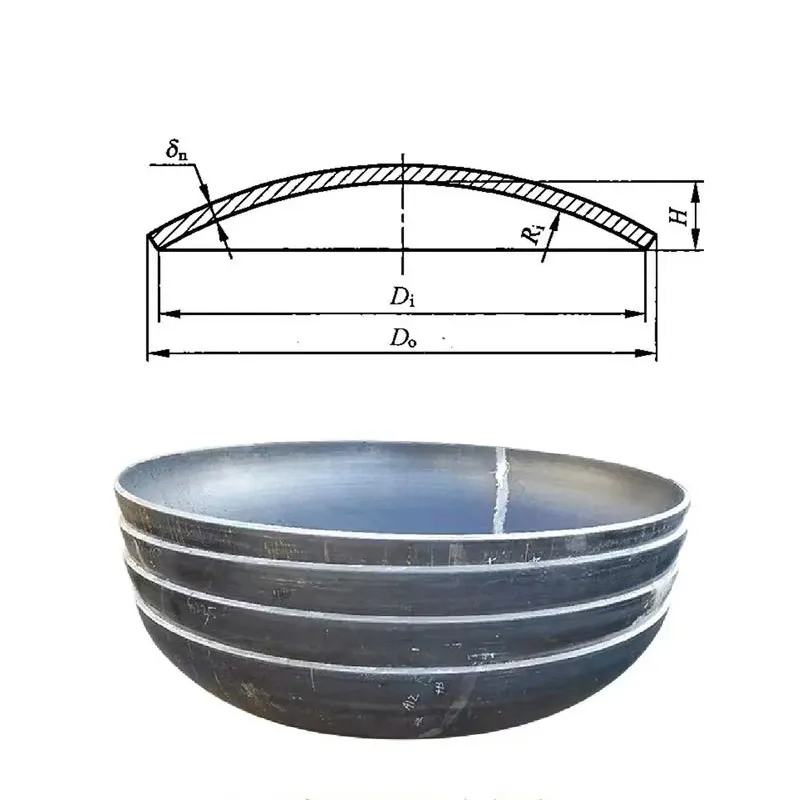
Selecting the right stainless steel cap manufacturers is a critical decision for any B2B buyer. It goes beyond mere price comparison and involves evaluating a vendor's capabilities, quality assurance, and customer support.
| Feature | Butt Weld Pipe Cap | Threaded Steel Cap | Socket Weld Cap |
|---|---|---|---|
| Connection Strength | Very High (Permanent weld) | Moderate (Can loosen under vibration/pressure) | High (Fillet weld) |
| Ease of Installation/Removal | Difficult (Requires skilled welder, permanent) | Easy (Can be removed for maintenance) | Moderate (Requires skilled welder, semi-permanent) |
| Leakage Risk | Very Low (If welded correctly) | Moderate (Requires sealant, susceptible to vibration) | Low (If welded correctly) |
| Typical Pressure Rating | High (Matches pipe rating) | Low to Moderate (Class 2000-6000) | Moderate to High (Class 3000-9000) |
| Cost (Relative) | Moderate to High | Low to Moderate | Moderate |
| Primary Application | High-pressure, critical systems, permanent closures | Low-pressure, non-critical, easily accessible points | Small bore piping, moderate pressure, permanent connections |
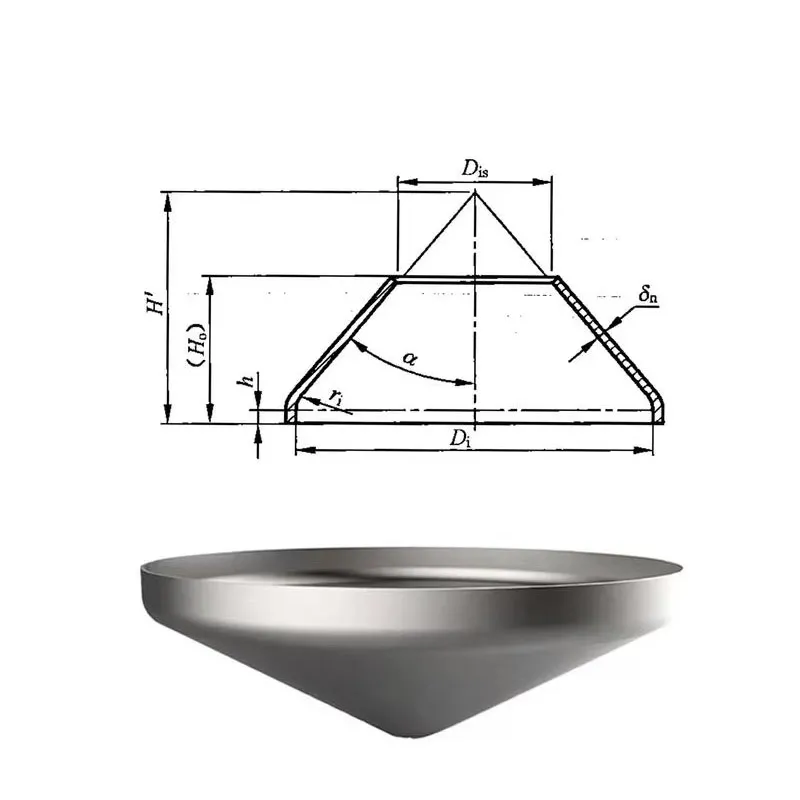
While standard dimensions and materials cater to most applications, many industrial projects require bespoke solutions. Reputable stainless steel cap manufacturers offer comprehensive customization services to meet precise project requirements.
Customization can encompass several aspects:
Engaging with manufacturers capable of delivering customized solutions ensures that even the most challenging project requirements are met with precision and reliability, leading to optimized system performance and reduced operational risks.
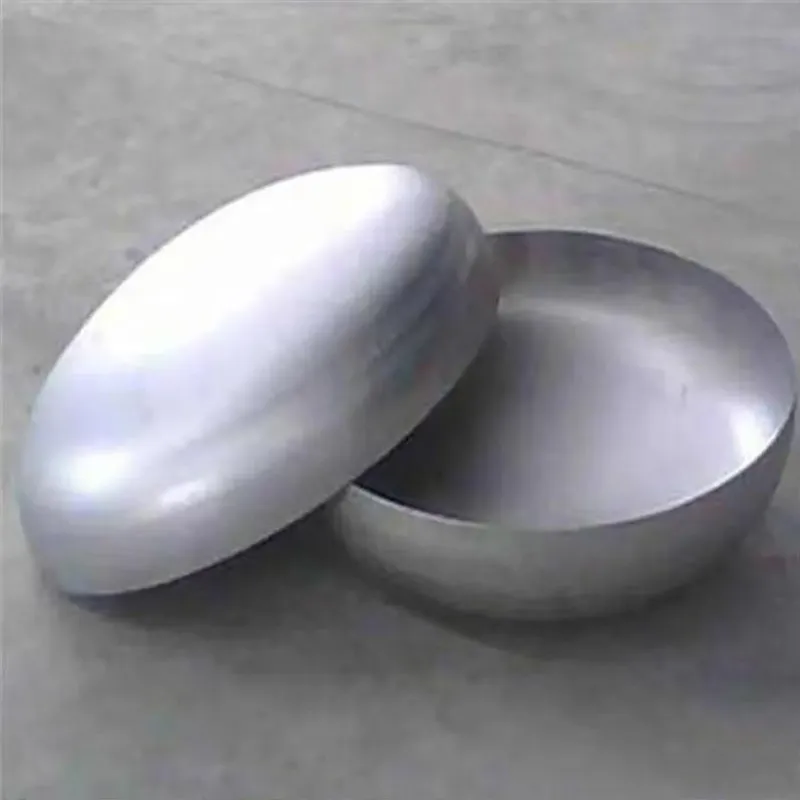
Understanding how stainless steel cap solutions perform in real-world scenarios is crucial for demonstrating their value and effectiveness.
An EPC contractor for a major LNG (Liquefied Natural Gas) terminal expansion project required a large quantity of butt weld pipe caps for temporary and permanent closures of cryogenic pipelines. The caps needed to withstand extremely low temperatures (-162°C) and high pressures, requiring specific material grades (ASTM A403 WP316L) and precise beveling for robust welding. Our firm supplied over 500 units of various sizes (NPS 12" to 36") meeting ASME B16.9 and specific project-mandated NDT protocols, including 100% radiographic testing. The superior material integrity and dimensional accuracy of our stainless steel cap products ensured a leak-proof system, critical for safety and operational efficiency in such hazardous environments.
A leading pharmaceutical company was upgrading its manufacturing facility, requiring ultra-hygienic piping for its WFI (Water for Injection) and process fluid lines. The project specified high-purity threaded steel cap and sanitary butt weld caps in 316L stainless steel, with an internal surface finish of Ra ≤ 0.8 µm. We provided customized solutions, including caps with pre-fabricated tri-clamp connections for quick disconnects, and ensured all products were electropolished and passivated. Our rigorous inspection regime, including borescoping and ferrite testing, guaranteed that the caps met the stringent FDA and ASME BPE (Bioprocessing Equipment) standards, preventing contamination and ensuring product quality.
Q1: What are the primary types of stainless steel caps available?
A1: The most common types are butt weld pipe caps, threaded steel caps, and socket weld caps. They vary in connection method, pressure rating, and application suitability.
Q2: How do I select the correct material grade for my application?
A2: Material selection depends on the operating environment (temperature, pressure), media corrosivity (acids, chlorides), and industry regulations. 304L is common for general use, while 316L is preferred for corrosive or marine environments. For extreme conditions, duplex or super duplex steels are recommended. Consulting with our engineers can help determine the optimal grade.
Q3: What testing and certifications should I look for?
A3: Ensure products comply with ASME B16.9 (for butt weld) or B16.11 (for socket weld/threaded), ASTM material standards, and ISO 9001 for quality management. Material test reports (MTRs), PMI, UT, and hydrostatic tests are standard quality checks.
Q4: Can I get a custom stainless steel chimney cap or other special designs?
A4: Yes, we specialize in providing customized solutions for non-standard sizes, unique geometries, specific material compositions, and surface finishes. Our engineering team works closely with clients to design and manufacture bespoke fittings.
Q5: What is the typical lead time for orders?
A5: Lead times vary based on product complexity, quantity, and current inventory. Standard items are typically shipped within 1-2 weeks, while custom or large orders may require 4-8 weeks. We always provide accurate lead time estimates upon quotation and work to accommodate urgent requirements.
We stand by the quality of our products with a comprehensive warranty against manufacturing defects and material non-conformance for a period of 12 months from the date of installation or 18 months from shipment, whichever comes first. Our commitment extends beyond delivery, offering robust after-sales support including technical consultation, troubleshooting assistance, and replacement services. Our dedicated customer support team is available to address any inquiries or concerns promptly and efficiently.
The stainless steel cap is far more than a simple pipe fitting; it is a meticulously engineered component critical to the safety, efficiency, and longevity of industrial piping systems. Its unparalleled resistance to corrosion, high strength, and adaptability make it the preferred choice across demanding sectors from petrochemical to pharmaceutical. By understanding the intricate manufacturing processes, adhering to rigorous technical standards, and partnering with experienced stainless steel cap manufacturers who prioritize quality and customer support, industries can ensure the integrity of their operations. Our commitment to expertise, quality, and tailored solutions positions us as a trusted partner in delivering superior stainless steel cap products that meet and exceed global industry demands.
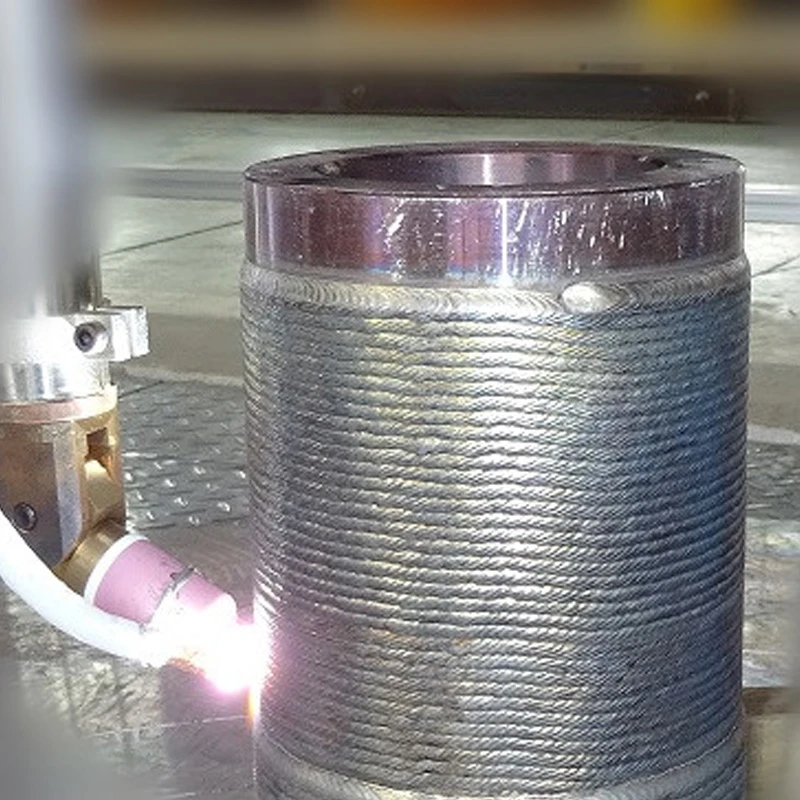
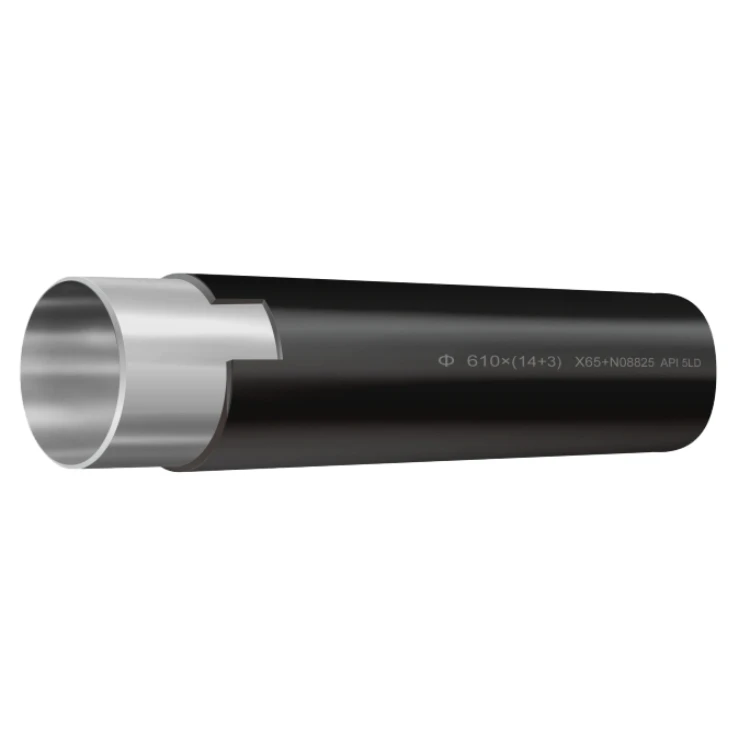
Overlay Welding Clad Steel Pipe
Pipe Cap-Cangzhou Lion Technology Co., Ltd.|Enhancing System Efficiency&Durability
Pipe Cap-Cangzhou Lion Technology Co., Ltd.|Enhancing System Efficiency&Durability
Pipe Cap-Cangzhou Lion Technology Co., Ltd.|Enhancing System Efficiency&Durability
Pipe Cap-Cangzhou Lion Technology Co., Ltd.|Enhancing System Efficiency&Durability
Pipe Cap-Cangzhou Lion Technology Co., Ltd.|Enhancing System Efficiency&Durability
Pipe Cap-Cangzhou Lion Technology Co., Ltd.|Enhancing System Efficiency&Durability
In the vast landscape of industrial piping and fluid transfer systems, components that ensure system integrity, safety, and efficiency are paramount. Among these, the stainless steel cap stands out as a critical element. These essential fittings are primarily used to permanently or temporarily seal off the ends of pipes in various applications, preventing leakage, protecting against contamination, and providing a clean finish to pipe runs. Their robust material properties, particularly corrosion resistance and high strength, make them indispensable across a multitude of demanding sectors.
This comprehensive guide delves into the intricate world of stainless steel caps, exploring their manufacturing processes, technical specifications, diverse applications, and inherent advantages. We will also address key considerations for B2B decision-makers, including vendor selection, customization options, and crucial support services, all while adhering to the highest standards of expertise, experience, authoritativeness, and trustworthiness.
The market for industrial pipe fittings, including the stainless steel cap, is experiencing steady growth driven by global infrastructure development, increasing demand from the oil and gas sector, chemical processing, power generation, and urban water supply and drainage projects. Key trends indicate a rising preference for materials offering enhanced durability and resistance to harsh operating conditions. Stainless steel, particularly grades like 304, 316, and duplex alloys, continues to dominate due to its superior corrosion resistance and hygienic properties, making it ideal for critical applications.
Technological advancements in manufacturing, such as precision CNC machining and advanced forging techniques, are enabling the production of more complex geometries and tighter tolerances. There is also a growing emphasis on sustainability, leading to demand for products with longer service lives and those manufactured with environmentally responsible processes. Furthermore, the rise of smart factories and Industry 4.0 principles is pushing for greater standardization, traceability, and integration of supply chains, ensuring higher quality and more efficient delivery of components like the stainless steel cap.
The production of a high-quality stainless steel cap is a multi-stage process, meticulously controlled to ensure adherence to stringent industry standards and optimal performance. Understanding this process provides insight into the inherent quality and reliability of these critical components.
1. Material Selection
High-grade stainless steel (e.g., 304/304L, 316/316L, Duplex), ensuring chemical composition meets ASTM/EN standards.
2. Cutting & Blanking
Steel plates or pipes are precisely cut into blanks using plasma, laser, or saw cutting methods.
3. Forming (Forging/Deep Drawing)
Caps are typically formed via hot forging for larger sizes/thicknesses, or deep drawing for smaller/thinner caps, shaping the blank into the desired cap geometry (e.g., elliptical, hemispherical).
4. Heat Treatment (Solution Annealing)
To relieve internal stresses, restore corrosion resistance, and optimize mechanical properties, particularly after forming, per ASTM A960.
5. Machining & Beveling
CNC machining ensures precise dimensions and prepares edges for welding (e.g., butt weld pipe cap), adhering to ANSI B16.9 or B16.11 standards.
6. Surface Treatment (Pickling/Passivation)
Removes scale and creates a passive oxide layer, enhancing corrosion resistance.
7. Quality Control & Testing
Rigorous inspections: dimensional checks, material verification (PMI), ultrasonic testing, radiographic testing, hydrostatic testing. Compliance with ISO 9001, PED 2014/68/EU, and specific client requirements.
8. Marking & Packaging
Products are marked with material grade, size, schedule, and heat number, then appropriately packaged for protection during transit.
The robust manufacturing process ensures that stainless steel caps offer an exceptional service life, often exceeding 20-30 years in non-aggressive environments, and 10-15 years even in highly corrosive conditions, provided proper material selection and installation. These products are crucial in sectors such as petrochemical, metallurgy, power generation, water supply & drainage, pharmaceuticals, food & beverage, and marine engineering. Their advantages in these scenarios include superior corrosion resistance against various chemicals, energy saving through reduced leakage points, and enhanced system reliability.
The technical specifications of a stainless steel cap are vital for engineers and procurement specialists to ensure compatibility, performance, and compliance. Key parameters include material grade, nominal pipe size (NPS), wall thickness (schedule), connection type, and applicable industry standards.
| Parameter | Description/Range | Applicable Standards |
|---|---|---|
| Material Grades | ASTM A403 WP304/304L, WP316/316L, WP321, WP347, WP317L, Duplex (UNS S31803, S32750) | ASTM A403/A403M, ASME SA403 |
| Connection Type | Butt Weld, Socket Weld, Threaded (NPT, BSPT, NPSM) | ASME B16.9 (Butt Weld), ASME B16.11 (Socket Weld & Threaded), MSS SP-83, MSS SP-95 |
| Size Range (NPS) | Butt Weld: 1/2" to 48" (DN15-DN1200); Socket Weld/Threaded: 1/8" to 4" (DN6-DN100) | ASME B36.10M, B36.19M |
| Wall Thickness (Schedule) | Sch 10S, Sch 40S, Sch 80S, Sch 160, XS, XXS (as per ASME B36.10/19) | ASME B16.9 |
| Manufacturing Process | Forged, Seamless, Welded | ASTM A815, A234 |
| Surface Finish | Mill finish, Polished, Pickled and Passivated | ASTM A967 (Passivation) |
| Testing | PMI, UT, RT, Hydrostatic, Dimensional, Visual | ASME B16.9, Client Specific ITP |
The versatility and durability of the stainless steel cap make it suitable for a broad spectrum of industrial applications. Its ability to withstand harsh conditions, maintain hygienic integrity, and provide reliable sealing is crucial across diverse sectors.
Choosing a stainless steel cap over alternatives offers several distinct technical advantages that contribute to long-term system reliability, safety, and cost-effectiveness.
Selecting the right stainless steel cap manufacturers is a critical decision for any B2B buyer. It goes beyond mere price comparison and involves evaluating a vendor's capabilities, quality assurance, and customer support.
| Feature | Butt Weld Pipe Cap | Threaded Steel Cap | Socket Weld Cap |
|---|---|---|---|
| Connection Strength | Very High (Permanent weld) | Moderate (Can loosen under vibration/pressure) | High (Fillet weld) |
| Ease of Installation/Removal | Difficult (Requires skilled welder, permanent) | Easy (Can be removed for maintenance) | Moderate (Requires skilled welder, semi-permanent) |
| Leakage Risk | Very Low (If welded correctly) | Moderate (Requires sealant, susceptible to vibration) | Low (If welded correctly) |
| Typical Pressure Rating | High (Matches pipe rating) | Low to Moderate (Class 2000-6000) | Moderate to High (Class 3000-9000) |
| Cost (Relative) | Moderate to High | Low to Moderate | Moderate |
| Primary Application | High-pressure, critical systems, permanent closures | Low-pressure, non-critical, easily accessible points | Small bore piping, moderate pressure, permanent connections |
While standard dimensions and materials cater to most applications, many industrial projects require bespoke solutions. Reputable stainless steel cap manufacturers offer comprehensive customization services to meet precise project requirements.
Customization can encompass several aspects:
Engaging with manufacturers capable of delivering customized solutions ensures that even the most challenging project requirements are met with precision and reliability, leading to optimized system performance and reduced operational risks.
Understanding how stainless steel cap solutions perform in real-world scenarios is crucial for demonstrating their value and effectiveness.
An EPC contractor for a major LNG (Liquefied Natural Gas) terminal expansion project required a large quantity of butt weld pipe caps for temporary and permanent closures of cryogenic pipelines. The caps needed to withstand extremely low temperatures (-162°C) and high pressures, requiring specific material grades (ASTM A403 WP316L) and precise beveling for robust welding. Our firm supplied over 500 units of various sizes (NPS 12" to 36") meeting ASME B16.9 and specific project-mandated NDT protocols, including 100% radiographic testing. The superior material integrity and dimensional accuracy of our stainless steel cap products ensured a leak-proof system, critical for safety and operational efficiency in such hazardous environments.
A leading pharmaceutical company was upgrading its manufacturing facility, requiring ultra-hygienic piping for its WFI (Water for Injection) and process fluid lines. The project specified high-purity threaded steel cap and sanitary butt weld caps in 316L stainless steel, with an internal surface finish of Ra ≤ 0.8 µm. We provided customized solutions, including caps with pre-fabricated tri-clamp connections for quick disconnects, and ensured all products were electropolished and passivated. Our rigorous inspection regime, including borescoping and ferrite testing, guaranteed that the caps met the stringent FDA and ASME BPE (Bioprocessing Equipment) standards, preventing contamination and ensuring product quality.
Q1: What are the primary types of stainless steel caps available?
A1: The most common types are butt weld pipe caps, threaded steel caps, and socket weld caps. They vary in connection method, pressure rating, and application suitability.
Q2: How do I select the correct material grade for my application?
A2: Material selection depends on the operating environment (temperature, pressure), media corrosivity (acids, chlorides), and industry regulations. 304L is common for general use, while 316L is preferred for corrosive or marine environments. For extreme conditions, duplex or super duplex steels are recommended. Consulting with our engineers can help determine the optimal grade.
Q3: What testing and certifications should I look for?
A3: Ensure products comply with ASME B16.9 (for butt weld) or B16.11 (for socket weld/threaded), ASTM material standards, and ISO 9001 for quality management. Material test reports (MTRs), PMI, UT, and hydrostatic tests are standard quality checks.
Q4: Can I get a custom stainless steel chimney cap or other special designs?
A4: Yes, we specialize in providing customized solutions for non-standard sizes, unique geometries, specific material compositions, and surface finishes. Our engineering team works closely with clients to design and manufacture bespoke fittings.
Q5: What is the typical lead time for orders?
A5: Lead times vary based on product complexity, quantity, and current inventory. Standard items are typically shipped within 1-2 weeks, while custom or large orders may require 4-8 weeks. We always provide accurate lead time estimates upon quotation and work to accommodate urgent requirements.
We stand by the quality of our products with a comprehensive warranty against manufacturing defects and material non-conformance for a period of 12 months from the date of installation or 18 months from shipment, whichever comes first. Our commitment extends beyond delivery, offering robust after-sales support including technical consultation, troubleshooting assistance, and replacement services. Our dedicated customer support team is available to address any inquiries or concerns promptly and efficiently.
The stainless steel cap is far more than a simple pipe fitting; it is a meticulously engineered component critical to the safety, efficiency, and longevity of industrial piping systems. Its unparalleled resistance to corrosion, high strength, and adaptability make it the preferred choice across demanding sectors from petrochemical to pharmaceutical. By understanding the intricate manufacturing processes, adhering to rigorous technical standards, and partnering with experienced stainless steel cap manufacturers who prioritize quality and customer support, industries can ensure the integrity of their operations. Our commitment to expertise, quality, and tailored solutions positions us as a trusted partner in delivering superior stainless steel cap products that meet and exceed global industry demands.
Pipe Cap-Cangzhou Lion Technology Co., Ltd.|Enhancing System Efficiency&Durability
Pipe Cap-Cangzhou Lion Technology Co., Ltd.|Enhancing System Efficiency&Durability
Pipe Cap-Cangzhou Lion Technology Co., Ltd.|Enhancing System Efficiency&Durability
Pipe Cap-Cangzhou Lion Technology Co., Ltd.|Enhancing System Efficiency&Durability
Pipe Cap-Cangzhou Lion Technology Co., Ltd.|Enhancing System Efficiency&Durability
Pipe Cap-Cangzhou Lion Technology Co., Ltd.|Enhancing System Efficiency&Durability