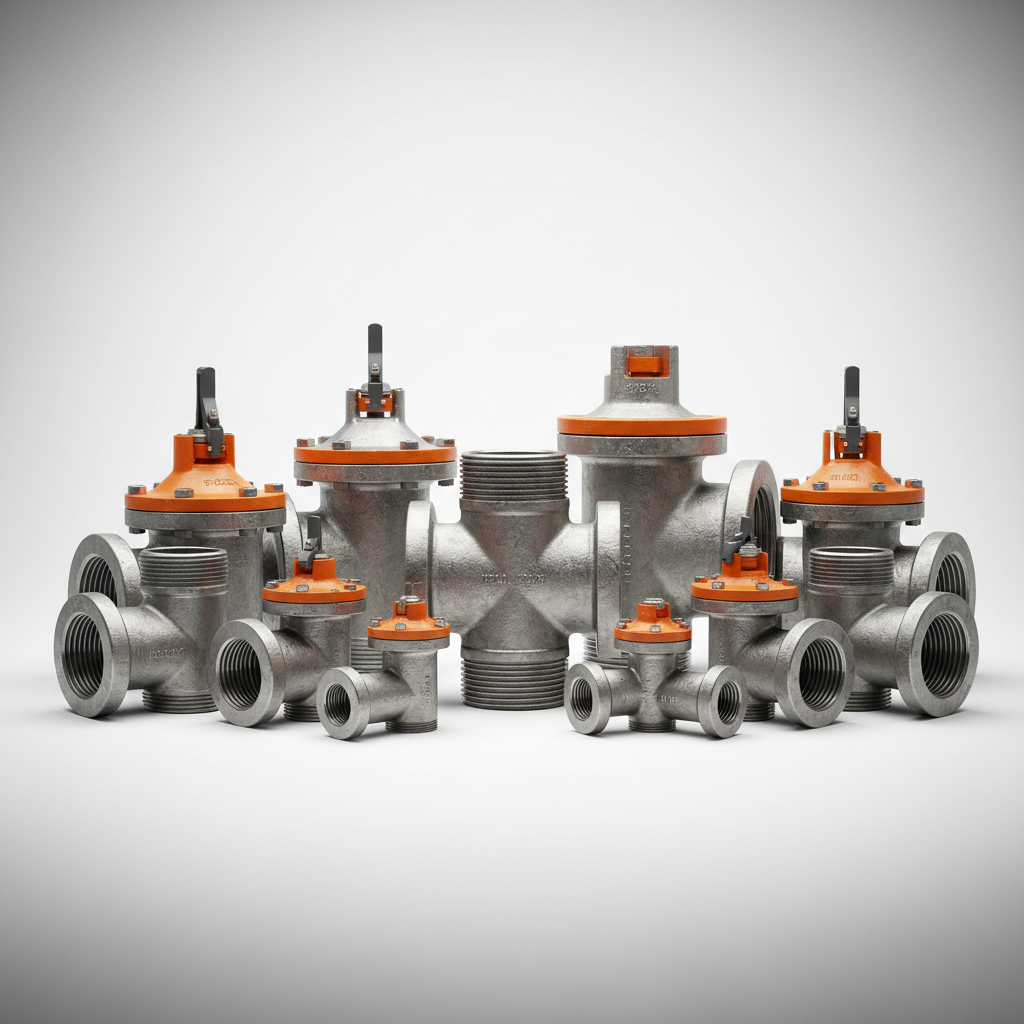
Pipe fittings wholesale plays a critical role in modern infrastructure, impacting industries from construction and oil & gas to water treatment and agriculture. The efficient sourcing of these components – elbows, tees, reducers, flanges, and more – directly influences project costs, timelines, and overall quality. Understanding the intricacies of the wholesale market is, therefore, paramount for businesses seeking competitive advantages and reliable supply chains. The global demand for pipe fittings is consistently growing, driven by urbanization, industrial expansion, and a rising need for robust and sustainable infrastructure solutions. pipe fittings wholesale suppliers are key enablers of this growth.
The importance of pipe fittings wholesale extends beyond mere procurement; it encompasses logistical expertise, quality control, adherence to international standards (ASTM, ASME, ISO), and the ability to adapt to evolving customer needs. A well-managed wholesale operation ensures timely delivery, minimizes disruptions, and offers tailored solutions to complex engineering challenges. This, in turn, contributes to safer, more efficient, and more resilient systems across a wide spectrum of applications.
In a world increasingly focused on sustainability and cost-effectiveness, choosing the right wholesale partner for pipe fittings is no longer just a logistical decision; it’s a strategic imperative. Reliable supply, competitive pricing, and adherence to quality standards are crucial for maintaining project budgets and achieving long-term operational success.
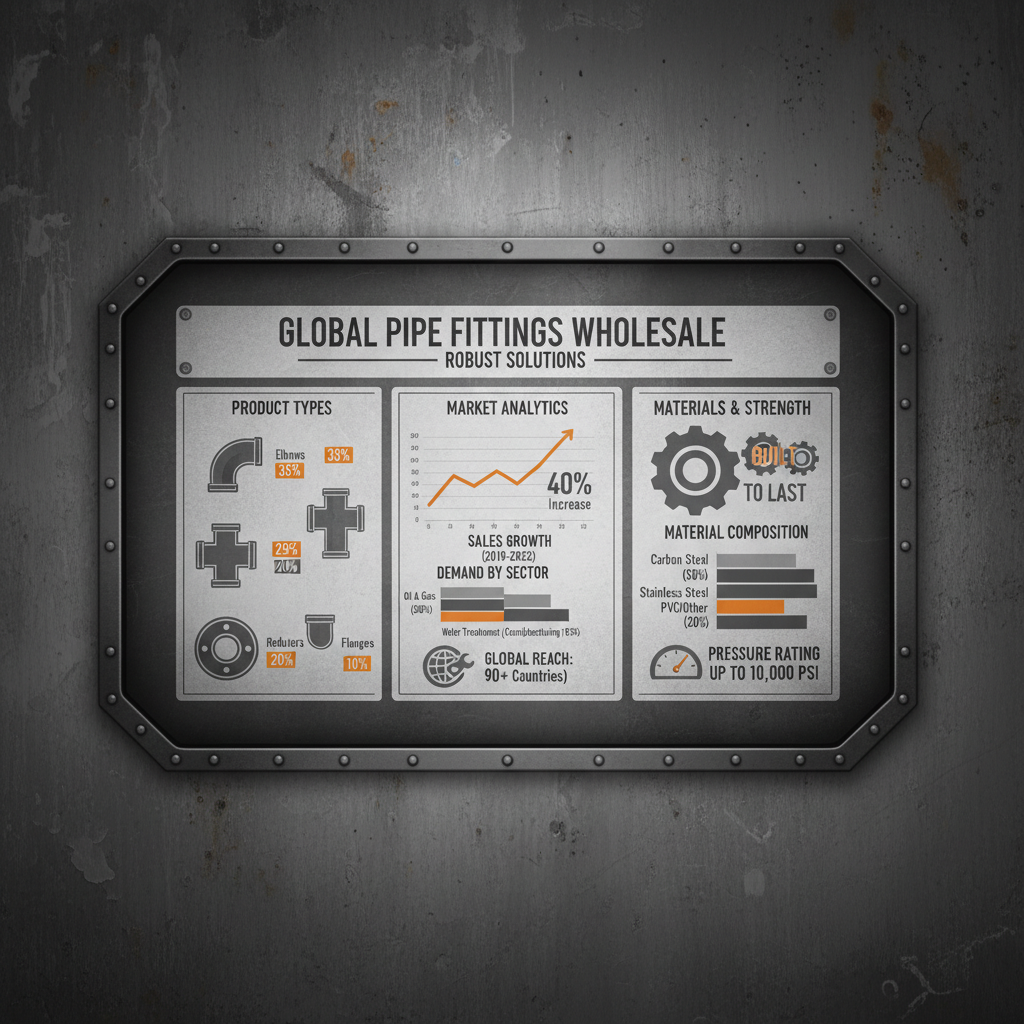
The global pipe fittings wholesale market is a multi-billion dollar industry, intrinsically linked to the world's ongoing infrastructure development. According to reports by the United Nations, global urbanization is projected to continue at a rapid pace, with over 68% of the world's population expected to live in urban areas by 2050. This urbanization necessitates substantial investments in water supply, sanitation, energy distribution, and transportation networks, all of which rely heavily on pipe systems and, consequently, on the readily available supply of high-quality pipe fittings.
Moreover, the expansion of the oil and gas industry, particularly in emerging economies, further drives demand for specialized pipe fittings capable of withstanding extreme pressures and corrosive environments. Organizations like the World Bank actively fund infrastructure projects in developing countries, often requiring adherence to stringent quality standards for all materials, including pipe fittings procured through wholesale channels. pipe fittings wholesale plays a crucial role in enabling these large-scale projects.
When sourcing pipe fittings wholesale, prioritize suppliers who possess certifications like ISO 9001 (quality management), ASTM standards compliance (material specifications), and potentially ASME certifications (pressure vessel components). These certifications demonstrate a commitment to quality control, adherence to industry standards, and ensure the fittings meet specified performance requirements. Verification of these certifications is crucial to avoid substandard products and potential safety hazards.
Minimizing lead times involves proactive planning and strong supplier relationships. Firstly, accurate demand forecasting is essential to anticipate needs. Secondly, establishing open communication with your wholesale supplier regarding production schedules and potential bottlenecks can help. Consider suppliers with large, readily available inventories, and explore options for expedited shipping if necessary. Building a buffer stock of critical fittings can also help mitigate unforeseen delays.
Carbon steel pipe fittings are generally more cost-effective and suitable for applications involving non-corrosive fluids and moderate temperatures. Stainless steel fittings, however, offer superior corrosion resistance, making them ideal for applications involving corrosive chemicals, saltwater, or high-temperature environments. Stainless steel also provides greater durability and a longer service life, justifying the higher initial cost in certain situations.
Selecting the right plastic pipe fitting depends on the specific application requirements. PVC is cost-effective and suitable for cold water and drainage systems. CPVC offers improved heat resistance and is often used for hot water distribution. HDPE provides excellent chemical resistance and is ideal for corrosive environments and underground applications. Consider factors like temperature, pressure, chemical exposure, and regulatory requirements when making your choice.
Ensure quality by requesting material test reports (MTRs) from the supplier, verifying that the fittings meet relevant ASTM or ISO standards. Perform visual inspections for defects upon receipt, and consider conducting hydrostatic testing to confirm pressure integrity. A reputable wholesale supplier will be transparent about their quality control processes and willing to provide documentation as needed.
Typical payment terms for pipe fittings wholesale can vary, but often include Net 30 (payment due within 30 days of invoice), Net 60, or upfront payment options. Larger orders may qualify for volume discounts or negotiated payment plans. It’s essential to clarify payment terms with the supplier before placing an order and to establish a clear invoicing and payment process.
In conclusion, pipe fittings wholesale is a cornerstone of modern infrastructure, impacting a wide range of industries and contributing to global development. Understanding the key aspects of effective wholesale operations – durability, scalability, cost efficiency, and adherence to quality standards – is crucial for businesses seeking competitive advantages and reliable supply chains. From ensuring clean water delivery to supporting large-scale industrial projects, these components are vital to our modern world.
Looking ahead, embracing emerging trends like sustainability, digitalization, and automation will be essential for wholesale suppliers to remain competitive and meet evolving customer needs. By prioritizing quality, building strong supplier relationships, and adopting innovative technologies, businesses can unlock the full potential of pipe fittings wholesale and drive long-term success. Visit our website to learn more about our pipe fittings wholesale services: www.lion-pipeline.com