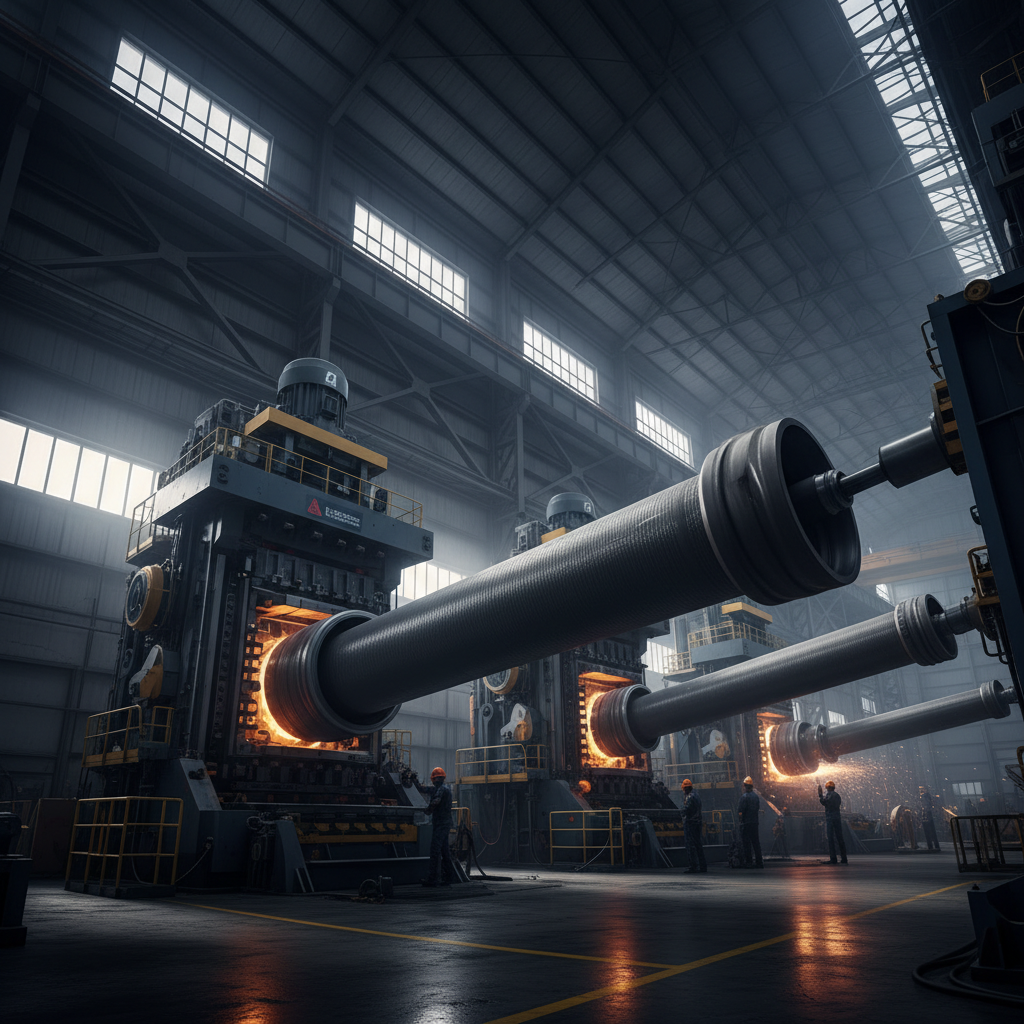
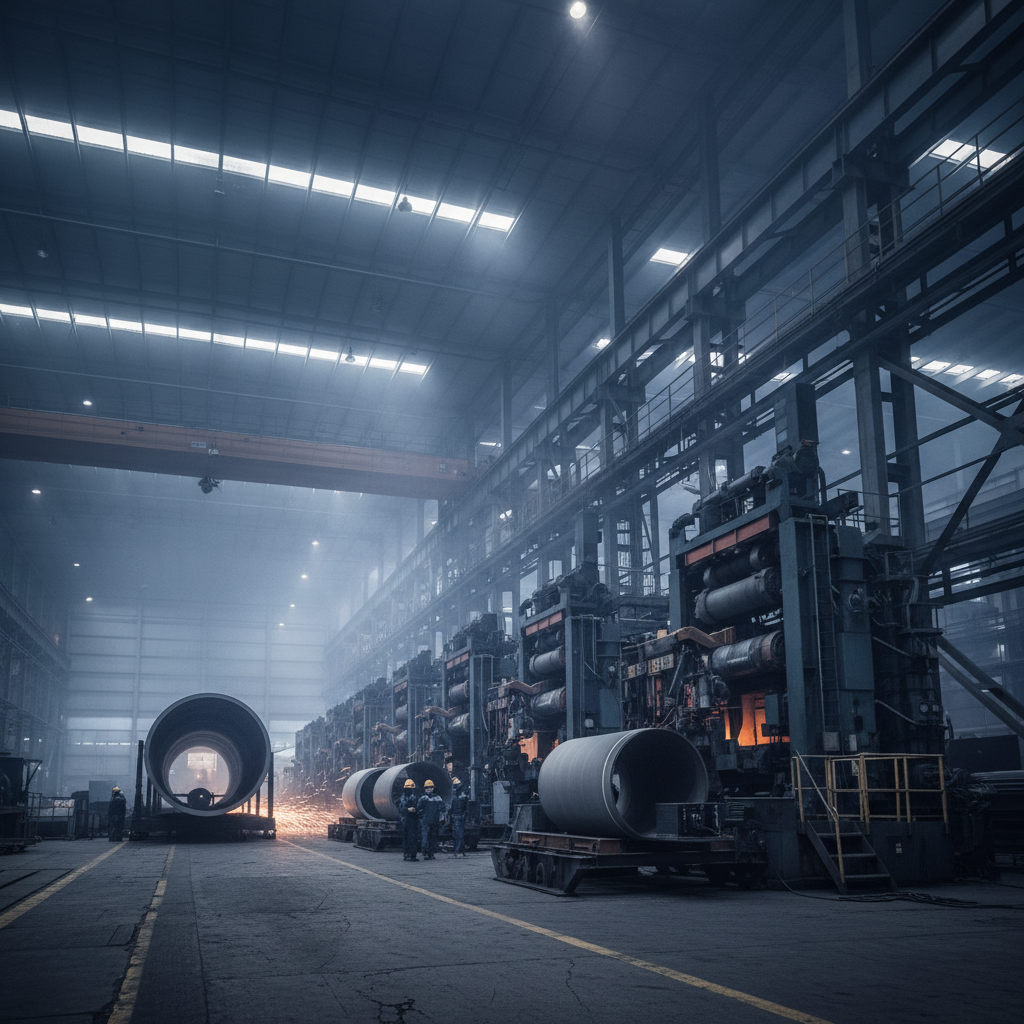
Composite tube manufacturing is rapidly becoming a cornerstone of modern infrastructure and industrial innovation. Driven by the need for lightweight, high-strength, and corrosion-resistant materials, this process is transforming industries from oil and gas to aerospace and water management. The ability to tailor composite materials to specific applications offers a significant advantage over traditional materials like steel, contributing to enhanced efficiency and longevity of critical systems.
Globally, the demand for composite materials is surging, fueled by increasing investments in infrastructure development, particularly in emerging economies. The United Nations Sustainable Development Goals (SDGs), particularly those related to infrastructure (SDG 9) and clean water and sanitation (SDG 6), are indirectly driving the adoption of composite tubes due to their durability and resistance to environmental degradation. Furthermore, the rising costs of traditional materials and the environmental impact of their production are pushing industries toward more sustainable alternatives offered by composite tube manufacturing.
Understanding the intricacies of composite tube manufacturing is crucial for engineers, project managers, and policymakers alike. This knowledge empowers informed decision-making, leading to the selection of optimal materials for specific projects and the development of robust and reliable infrastructure solutions. The continued growth of this field promises significant economic and societal benefits, fostering innovation and sustainability across diverse sectors.
Introduction to Composite Tube Manufacturing
Composite tube manufacturing encompasses a diverse range of processes used to create tubular structures from composite materials—combinations of two or more distinct materials, often a polymer matrix reinforced with fibers like carbon, glass, or aramid. These tubes offer superior strength-to-weight ratios compared to traditional materials, making them ideal for applications where weight reduction is critical.
The evolution of composite tube manufacturing reflects a continuous pursuit of improved performance, cost-effectiveness, and sustainability. From early filament winding techniques to modern automated processes, advancements have broadened the scope of applications and lowered the barriers to entry for various industries. composite tube manufacturing processes are constantly being refined to meet the evolving demands of a global market.
Defining Composite Tube Manufacturing
At its core, composite tube manufacturing is the process of combining reinforcing materials (fibers) with a matrix material (resin) to create a tubular product with enhanced properties. Unlike traditional metallic tubes, composite tubes are engineered materials where the properties can be tailored by adjusting the fiber type, orientation, and resin composition. This allows for the creation of tubes with specific characteristics such as high tensile strength, corrosion resistance, and thermal stability.
This technology directly addresses the needs of numerous sectors. In the oil and gas industry, composite tubes resist corrosion in harsh environments. In aerospace, they contribute to lighter aircraft, improving fuel efficiency. Furthermore, in water infrastructure, they provide a durable and leak-proof solution for transporting potable water, thereby contributing to public health.
The process often involves layering the reinforcement material, impregnating it with resin, and then curing it to create a solid, unified structure. Different manufacturing techniques, such as filament winding, pultrusion, and resin transfer molding, are employed depending on the desired tube geometry, material properties, and production volume.
Key Aspects of Composite Tube Manufacturing
Several key aspects define the success and applicability of composite tube manufacturing. Durability is paramount; composite tubes excel in resisting corrosion, fatigue, and environmental degradation, resulting in extended service life and reduced maintenance costs. This is particularly crucial in applications exposed to harsh chemicals or extreme weather conditions.
Scalability is another critical factor. Modern manufacturing processes allow for the production of composite tubes in a wide range of diameters and lengths, catering to diverse project requirements. Techniques like continuous pultrusion enable high-volume production, making composites a viable option for large-scale infrastructure projects.
Cost Efficiency, while initially potentially higher than traditional materials, becomes competitive over the lifecycle of the product due to reduced maintenance, longer lifespan, and lower weight. Design Flexibility allows for the creation of complex geometries and the integration of features such as integrated sensors or insulation layers. Finally, Lightweight Properties are central to its appeal, lowering transportation costs and simplifying installation.
Global Applications of Composite Tubes
Composite tubes find widespread application across numerous industries globally. In the oil and gas sector, they are employed for pipelines transporting corrosive fluids, offering resistance to internal and external corrosion. They’re increasingly used in water and wastewater treatment plants for conveyance and storage, minimizing leaks and contamination.
Aerospace utilizes composite tubes for aircraft structures, reducing weight and improving fuel efficiency. The automotive industry employs them in drive shafts and structural components, enhancing performance and safety. In post-disaster relief operations, rapidly deployable water pipelines constructed from composite tubes provide essential access to clean water for affected communities.
Regions with rapidly developing infrastructure, such as Southeast Asia and the Middle East, are witnessing increased adoption of composite tubes for water management and energy transmission projects. Organizations like the World Bank are actively promoting the use of sustainable materials like composites in infrastructure development programs, highlighting their potential to address global challenges.
Composite Tube Manufacturing Method Comparison
Advantages and Long-Term Value
The tangible benefits of composite tube manufacturing extend beyond initial cost considerations. The inherent corrosion resistance significantly reduces lifecycle costs by minimizing maintenance and repair requirements, particularly in harsh environments. Sustainability is enhanced through the use of lightweight materials, reducing transportation emissions and overall energy consumption.
The reliability of composite tubes translates to increased operational safety and reduced downtime. The ability to tailor material properties ensures optimal performance for specific applications, fostering innovation and pushing the boundaries of engineering possibilities. Investing in composite tube manufacturing represents a commitment to long-term value and responsible infrastructure development.
Future Trends in Composite Tube Manufacturing
Several key trends are shaping the future of composite tube manufacturing. Automation and robotics are streamlining production processes, increasing efficiency and reducing costs. The development of new bio-based resins is enhancing the sustainability of composite materials, reducing reliance on fossil fuels. Digital transformation, leveraging data analytics and machine learning, is enabling predictive maintenance and optimized material usage.
Furthermore, the integration of smart sensors into composite tubes is opening up new possibilities for structural health monitoring and proactive maintenance. These sensors can provide real-time data on stress, strain, and environmental conditions, allowing for early detection of potential failures and optimized resource allocation. The move towards circular economy principles is driving research into composite recycling technologies, closing the loop and minimizing waste.
Challenges and Potential Solutions
Despite the numerous advantages, composite tube manufacturing faces certain challenges. The initial cost of raw materials can be higher than traditional materials, although this gap is narrowing with advancements in manufacturing techniques. The repair of composite structures can be complex and require specialized expertise.
Addressing these challenges requires ongoing research and development in areas such as cost-effective resin formulations, automated repair techniques, and standardized quality control procedures. Investing in workforce training and education is crucial to build a skilled workforce capable of designing, manufacturing, and maintaining composite tube systems. Collaboration between industry, academia, and government is essential to drive innovation and accelerate the adoption of composite tube manufacturing technologies.
Furthermore, developing standardized testing methods and certification protocols will increase confidence in the long-term performance and reliability of composite tubes, fostering wider acceptance and adoption across various industries.
Summary of Challenges and Potential Solutions in Composite Tube Manufacturing
| Challenge |
Impact on Implementation |
Potential Solution |
Expected Outcome |
| High Initial Material Cost |
Limited Adoption in Cost-Sensitive Applications |
Development of Bio-Based Resins & Efficient Manufacturing Processes |
Reduced Material Costs & Increased Competitiveness |
| Complex Repair Procedures |
Increased Lifecycle Costs & Potential Downtime |
Automated Repair Systems & Development of Repair Kits |
Faster & More Cost-Effective Repairs |
| Lack of Standardized Testing |
Difficulty in Assessing Long-Term Performance & Reliability |
Establishment of Industry-Wide Standards & Certification Protocols |
Increased Confidence & Wider Adoption |
| Limited Recycling Infrastructure |
Environmental Concerns & Waste Accumulation |
Investment in Composite Recycling Technologies & Circular Economy Models |
Reduced Environmental Impact & Resource Conservation |
| Skilled Labor Shortage |
Difficulty in Maintaining Production Quality & Innovation |
Workforce Training Programs & Educational Initiatives |
Increased Skilled Workforce & Enhanced Innovation |
| Design Complexity |
Requires Specialized Engineering Expertise |
Development of User-Friendly Design Software & Tools |
Simplified Design Process & Reduced Engineering Costs |
FAQS
Composite tubes offer significant advantages over metal piping, primarily due to their superior corrosion resistance, leading to longer service life and reduced maintenance. They are also considerably lighter, simplifying installation and reducing transportation costs. Furthermore, composite materials can be tailored to specific applications, providing optimal strength-to-weight ratios and design flexibility not achievable with metals. This results in reduced lifecycle costs and enhanced system performance.
The manufacturing process profoundly influences the final properties of a composite tube. Factors like fiber orientation, resin type, and curing conditions all contribute to the tube’s strength, stiffness, and corrosion resistance. Techniques like filament winding create tubes with high hoop strength, ideal for pressure applications, while pultrusion produces tubes with consistent unidirectional strength. Precise control over these parameters is crucial for achieving desired performance characteristics.
Composite tubes excel in applications where corrosion resistance, lightweight properties, and high strength are critical. These include oil and gas pipelines, water and wastewater conveyance, aerospace components, automotive parts, and chemical processing equipment. They are also increasingly used in infrastructure projects, such as bridges and buildings, due to their durability and reduced maintenance requirements.
Designing a composite tube requires careful consideration of several factors, including the operating pressure, temperature, chemical environment, and expected lifespan. The selection of appropriate fiber type and resin system is crucial, as is the determination of optimal fiber orientation and tube wall thickness. Finite element analysis (FEA) is often used to simulate the tube’s performance under various loading conditions and ensure structural integrity.
Composite tubes can offer significant environmental advantages over traditional materials like steel. Their lighter weight reduces transportation emissions and energy consumption. The corrosion resistance of composites minimizes the need for repairs and replacements, further reducing environmental impact. However, the end-of-life disposal of composite materials remains a challenge, driving research into recycling technologies and bio-based resin options.
Current limitations include the relatively high cost of raw materials, the complexity of repair procedures, and the limited availability of recycling infrastructure. These are being addressed through the development of more cost-effective resins, automated repair systems, and innovative recycling technologies. Continued research and development are crucial for overcoming these challenges and unlocking the full potential of composite tube manufacturing.
Conclusion
Composite tube manufacturing represents a significant advancement in materials science and engineering, offering a compelling alternative to traditional materials in a wide range of applications. Its inherent advantages—durability, lightweight properties, corrosion resistance, and design flexibility—make it a crucial technology for addressing global challenges related to infrastructure, energy, and sustainability. composite tube manufacturing is poised for continued growth and innovation.
Looking ahead, continued investment in research and development, coupled with collaborative efforts between industry, academia, and government, will be essential to overcome remaining challenges and unlock the full potential of this transformative technology. Embracing composite tubes is not simply adopting a new material; it’s investing in a more sustainable, resilient, and efficient future.