Having worked in the industrial equipment sector for over a decade, I’ve come across countless pipe specifications and materials—but the 2 1/2 steel pipe always stands out as a bit of a workhorse in mid-sized applications. You might think of it as the sweet spot between smaller gauge pipes and those unwieldy larger diameters. Oddly enough, despite being a standard size, it still surprises me how the details in its design and application can influence a whole project’s success.
So, what makes this pipe size so common, and why do many engineers swear by its versatility? Well, the 2 1/2 inch diameter lends itself perfectly to varied uses—from industrial fluid transfer to structural frameworks. In my experience, it strikes a nice balance between flow capacity and handling convenience. For example, I recall a recent job where a 2 1/2” carbon steel pipe saved the day by fitting tight routing constraints without sacrificing performance.
Design-wise, most 2 1/2 steel pipes are manufactured using carbon steel, alloy steel, or sometimes stainless steel depending on the application environment. Carbon steel versions are especially popular because they offer a solid combination of strength and cost-effectiveness. Materials typically undergo heat treatment to improve durability and resistance to stress. You might notice that the pipe walls have a standardized thickness to meet ASTM standards, which frankly gives you peace of mind on safety and compliance.
Testing is another crucial aspect. Every batch I’ve handled usually passes through rigorous checks—ultrasonic thickness testing, hydrostatic pressure tests, even visual inspections for blemishes or corrosion. It’s detail like this that assures long-term reliability on site. You can’t afford to overlook it when you consider the risks of a leaking pipeline or structural failure.
An advantage I’ve noticed personally is how various vendors customize these pipes. From galvanized coatings to enhanced welding compatibility, the tweaks allow buyers to tailor pipes to specific environments, whether indoors in a chemical plant or outdoors exposed to the elements. This customization flexibility is why the 2 1/2 steel pipe is such a solid choice across multiple industries.
| Specification | Details |
|---|---|
| Nominal Pipe Size | 2 1/2 inch (63.5 mm) |
| Material | Carbon Steel, Alloy Steel, Stainless Steel |
| Standard | ASTM A53, A106, API 5L |
| Wall Thickness Range | Schedule 40 to Schedule 80 |
| Testing | Hydrostatic, Ultrasonic, Visual Inspection |
| Typical Uses | Oil & Gas, Water Transport, Structural Applications |
Now, talking about vendors—oh, there’s a world of variety. From global manufacturers to regional suppliers, each has its own nuances. Some focus on price competitiveness, others on quality control and certification track records. I put together a little comparison based on my recent sourcing experience that might help you get a feel for the market. Frankly, you get what you pay for—though sometimes the 'cheaper' option suits a less critical job quite well.
| Vendor | Quality Certification | Pricing | Customization Options | Lead Time |
|---|---|---|---|---|
| Lion Pipeline Co. | ISO 9001, API 5L Certified | Mid-range | Galvanizing, Thickness Variants | 2-3 weeks |
| Global Steel Ltd. | API 5L Certified | Premium | Custom Alloys, Heat Treatments | 4-5 weeks |
| SteelWorks Regional | ISO 9001 | Budget | Limited coatings | 1-2 weeks |
I hope this gives some solid insight into why 2 1/2 steel pipe remains a staple in so many industrial setups. It’s reliable, versatile, and frankly, with the right specs, it doesn’t let you down. If you’re in the market or just trying to wrap your head around pipe specs, give it a closer look—you might find it fits your needs better than you thought.
In real terms, choosing the right pipe often feels like a balancing act of budget, durability, and availability. That little bit of experience with the materials can make a world of difference, as you know.
And hey, if you ever have questions or want to share your experiences with steel piping, I’m all ears.
—Jack M., Industrial Equipment Veteran
References:
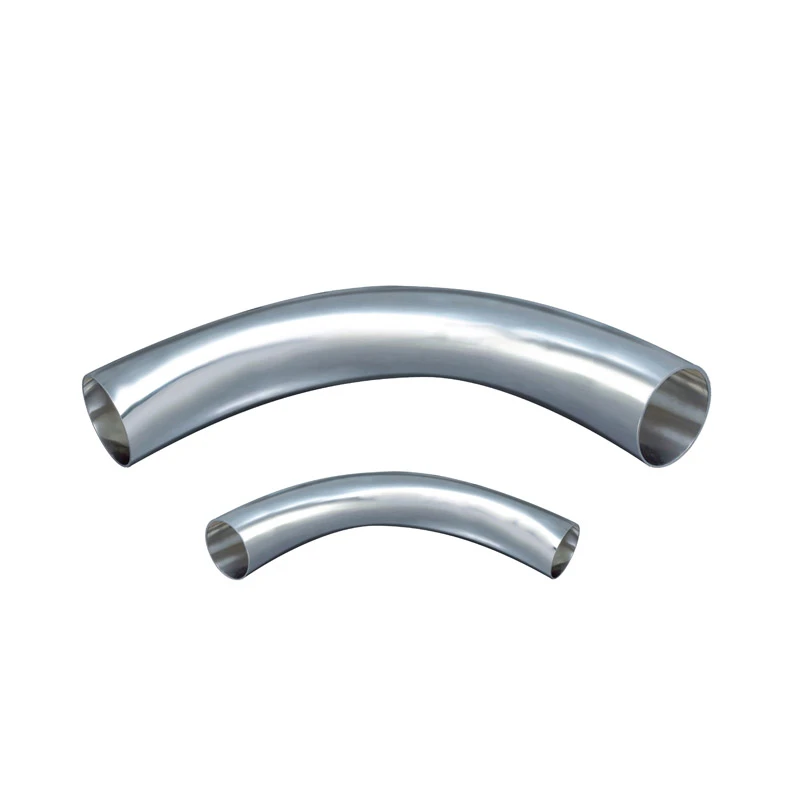
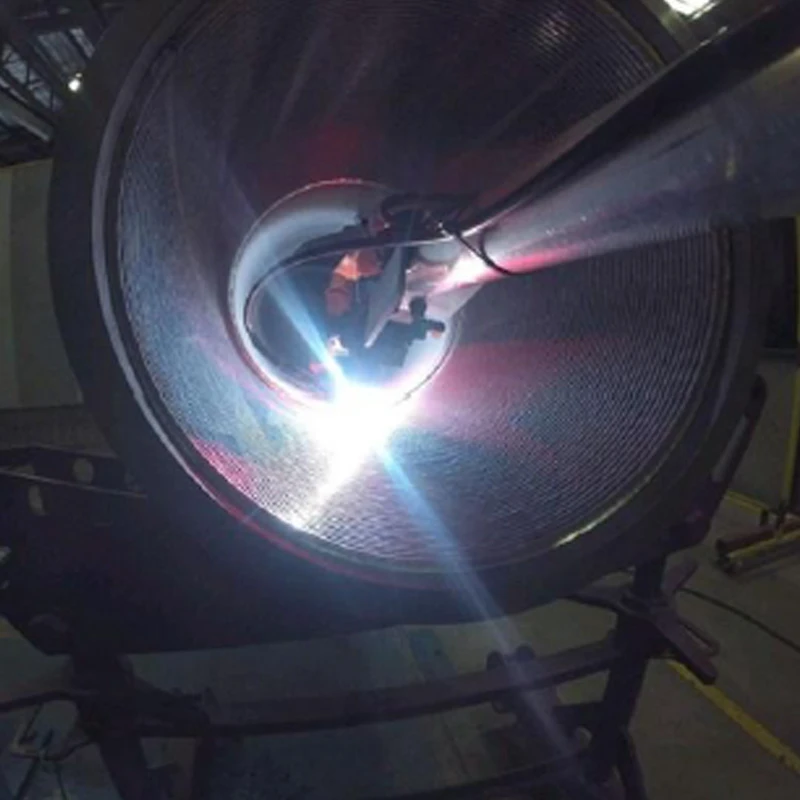
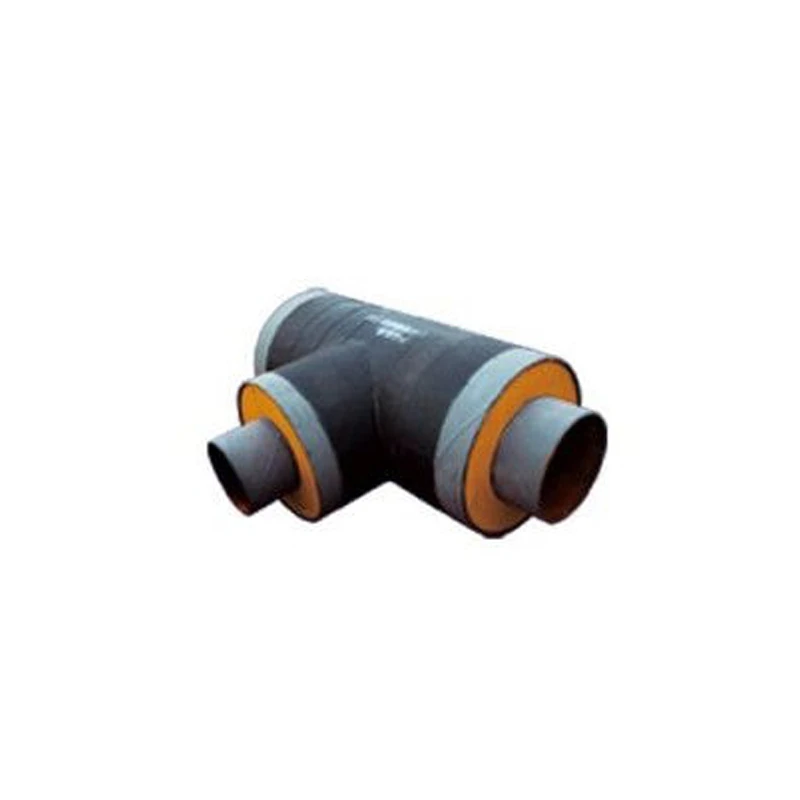
Anti Corrosion And Thermal Insulation Products
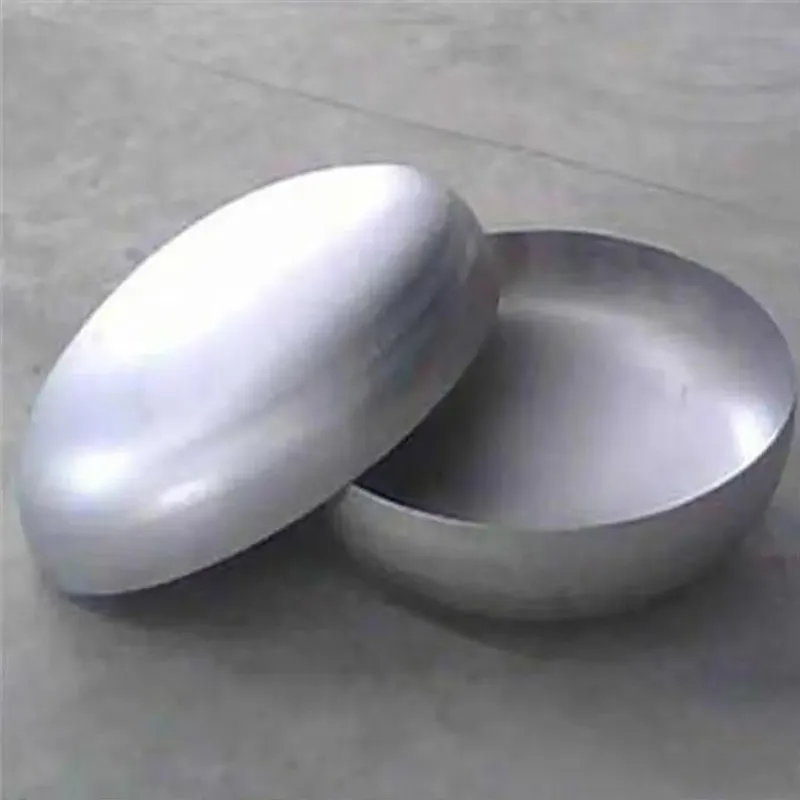
Pipe Cap-Cangzhou Lion Technology Co., Ltd.|Enhancing System Efficiency&Durability
Pipe Cap-Cangzhou Lion Technology Co., Ltd.|Enhancing System Efficiency&Durability
Pipe Cap-Cangzhou Lion Technology Co., Ltd.|Enhancing System Efficiency&Durability
Pipe Cap-Cangzhou Lion Technology Co., Ltd.|Enhancing System Efficiency&Durability
Pipe Cap-Cangzhou Lion Technology Co., Ltd.|Enhancing System Efficiency&Durability
Pipe Cap-Cangzhou Lion Technology Co., Ltd.|Enhancing System Efficiency&Durability