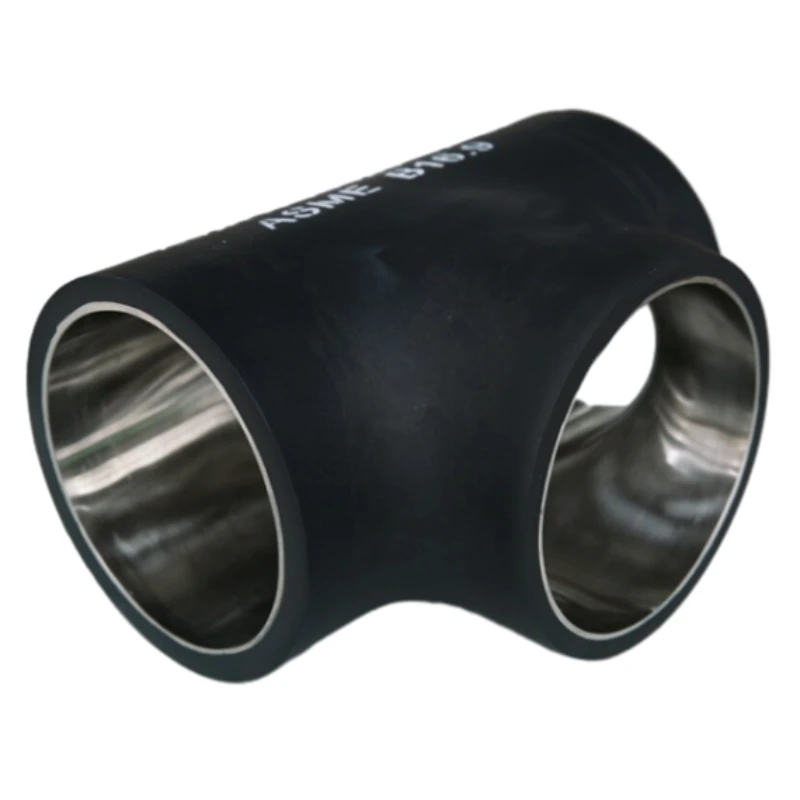
Flanges are integral components in various piping systems, providing secure connections and facilitating the transfer of fluids and gases. Among the diverse types of flanges available, those related to galvanized flange, galvanized floor flange, galvanized pipe flange, gas flange, and gas pipe flange play significant roles in different applications. These flanges are engineered to meet specific requirements, ensuring the integrity and functionality of systems in industries ranging from construction to energy.
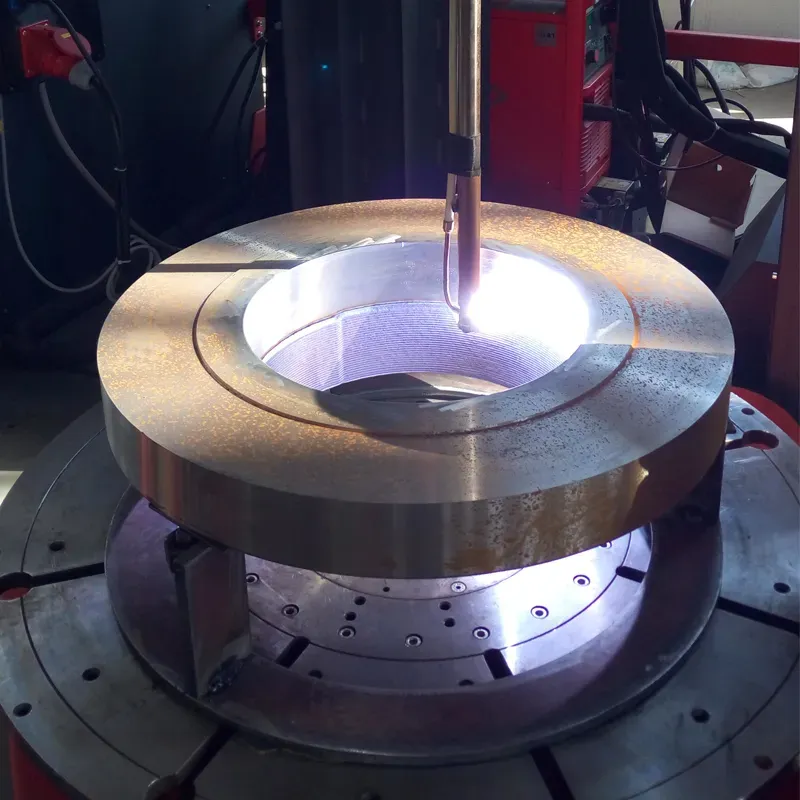
In industrial and plumbing applications, galvanized flanges have become a popular choice due to their enhanced durability. Galvanization involves coating the flange with a layer of zinc, which acts as a protective barrier against corrosion. This makes galvanized flanges ideal for use in environments where exposure to moisture, chemicals, or other corrosive elements is common. For instance, in outdoor plumbing systems, galvanized pipe flanges can withstand the elements, preventing rust and extending the lifespan of the piping system. The zinc coating not only protects the base metal of the flange but also provides sacrificial protection, meaning that the zinc will corrode first, safeguarding the underlying material.
Galvanized floor flanges are specifically designed to provide a secure connection between pipes and the floor. These flanges are often used in applications such as installing handrails, towel bars, or other fixtures that rely on a pipe - based structure. Their galvanized coating offers the same corrosion - resistant benefits as other galvanized flanges. In a commercial kitchen, for example, galvanized floor flanges can be used to support pipes for gas or water supply, ensuring stability while withstanding the rigors of a busy and potentially wet environment. The robust nature of galvanized floor flanges makes them capable of bearing significant weight and stress, providing a reliable foundation for various installations.
Galvanized pipe flanges are essential for creating leak - proof connections between pipes. They come in different sizes and pressure ratings to accommodate various pipe diameters and fluid pressures. When two pipes need to be joined, galvanized pipe flanges are bolted together, with a gasket placed between them to create a tight seal. In a large - scale industrial plant that transports liquids or gases, these flanges ensure that the flow remains uninterrupted and that there are no unwanted leaks. The galvanization process ensures that the galvanized pipe flanges maintain their structural integrity over time, even when exposed to harsh operating conditions.
Gas flanges are engineered with safety as a top priority. Given the potentially hazardous nature of gas, these flanges are designed to provide a secure and reliable connection in gas - handling systems. They are often made from materials with high strength and resistance to gas - related corrosion. In a natural gas distribution network, gas flanges ensure that gas is transported safely from the source to the end - user. These flanges are subject to strict quality control and testing to meet safety standards, ensuring that there are no leaks that could lead to gas escapes or explosions. The design of gas flanges also allows for easy installation and maintenance, enabling quick repairs or replacements if needed.
Gas pipe flanges are the connectors that hold gas piping systems together. They are available in different configurations to suit various types of gas pipes and installation requirements. Whether it's in a residential setting for a gas - fired heating system or in a commercial building for a large - scale gas - powered operation, gas pipe flanges play a crucial role. These flanges are typically made from materials that can withstand the pressure and temperature of the gas being transported. Their tight - sealing capabilities prevent gas leaks, ensuring the safety of the occupants and the efficient operation of the gas - powered equipment.
Selecting the appropriate flange depends on several factors. For applications where corrosion resistance is key, such as outdoor or wet environments, galvanized flanges like galvanized pipe flanges or galvanized floor flanges are a good choice. When dealing with gas systems, gas flanges and gas pipe flanges should be selected based on the type of gas, operating pressure, and safety requirements. Consider the size of the pipes, the required pressure rating, and the material compatibility with the fluid or gas being transported. It's also important to refer to industry standards and consult with experts to ensure the flange meets all necessary specifications.
While galvanized flanges have excellent corrosion - resistant properties, they still require some maintenance. Regularly inspect the flanges for any signs of damage, such as cracks, dents, or excessive rust. If the zinc coating is damaged, it may expose the base metal to corrosion, so it's important to repair or replace the flange if necessary. Keep the flanges clean and free from debris, especially in environments where dirt or other contaminants could accumulate. Lubricate the bolts and nuts of the flanges periodically to ensure easy disassembly during maintenance or repairs.
Yes, there are different standards for gas flanges depending on the region and the type of gas being handled. In the United States, standards such as those set by the American Society of Mechanical Engineers (ASME) govern the design, manufacture, and installation of gas flanges. In Europe, the European Norms (EN) provide similar guidelines. These standards cover aspects such as flange dimensions, pressure ratings, material requirements, and testing procedures. Adhering to these standards is crucial to ensure the safety and reliability of gas piping systems that use gas flanges and gas pipe flanges.
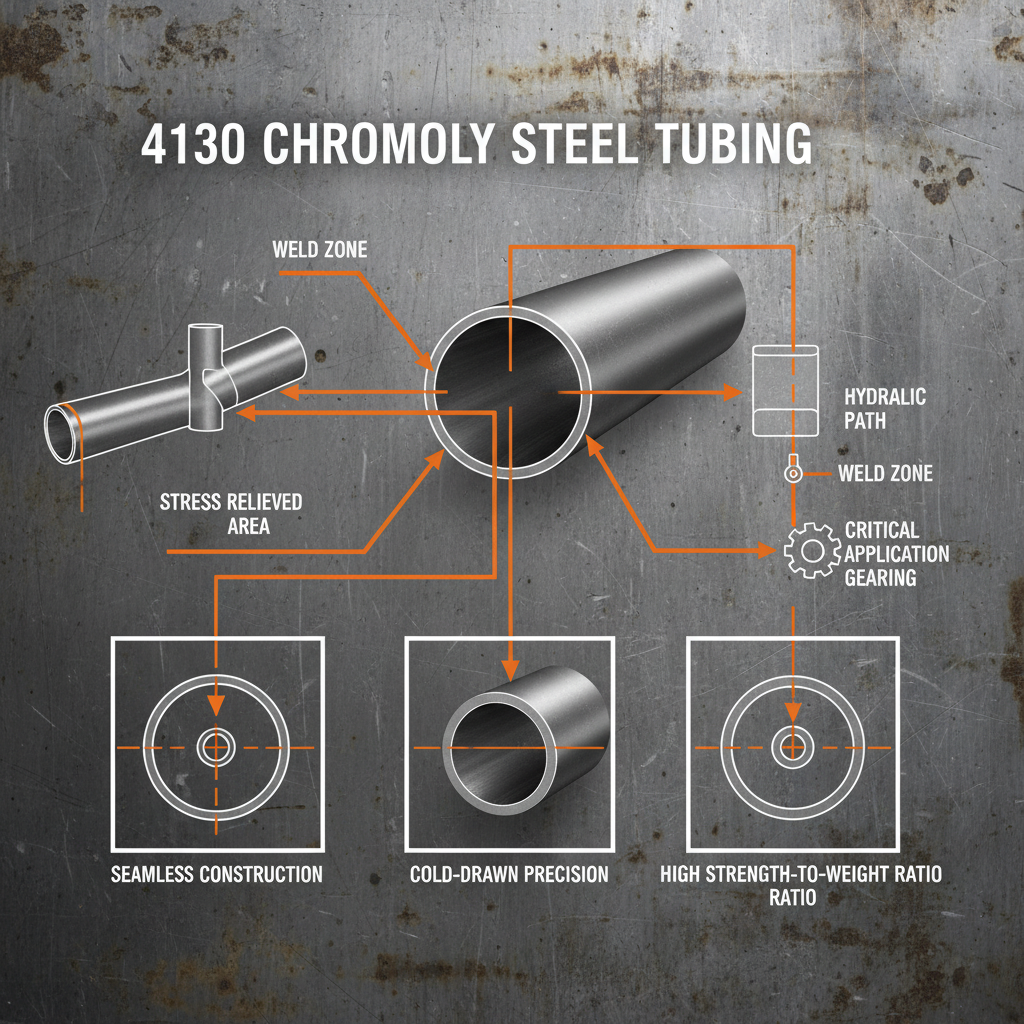
Ultimate Guide to 4130 Tubing Strength Performance and Applications
Properties and Industrial Applications of 4130 steel tubing
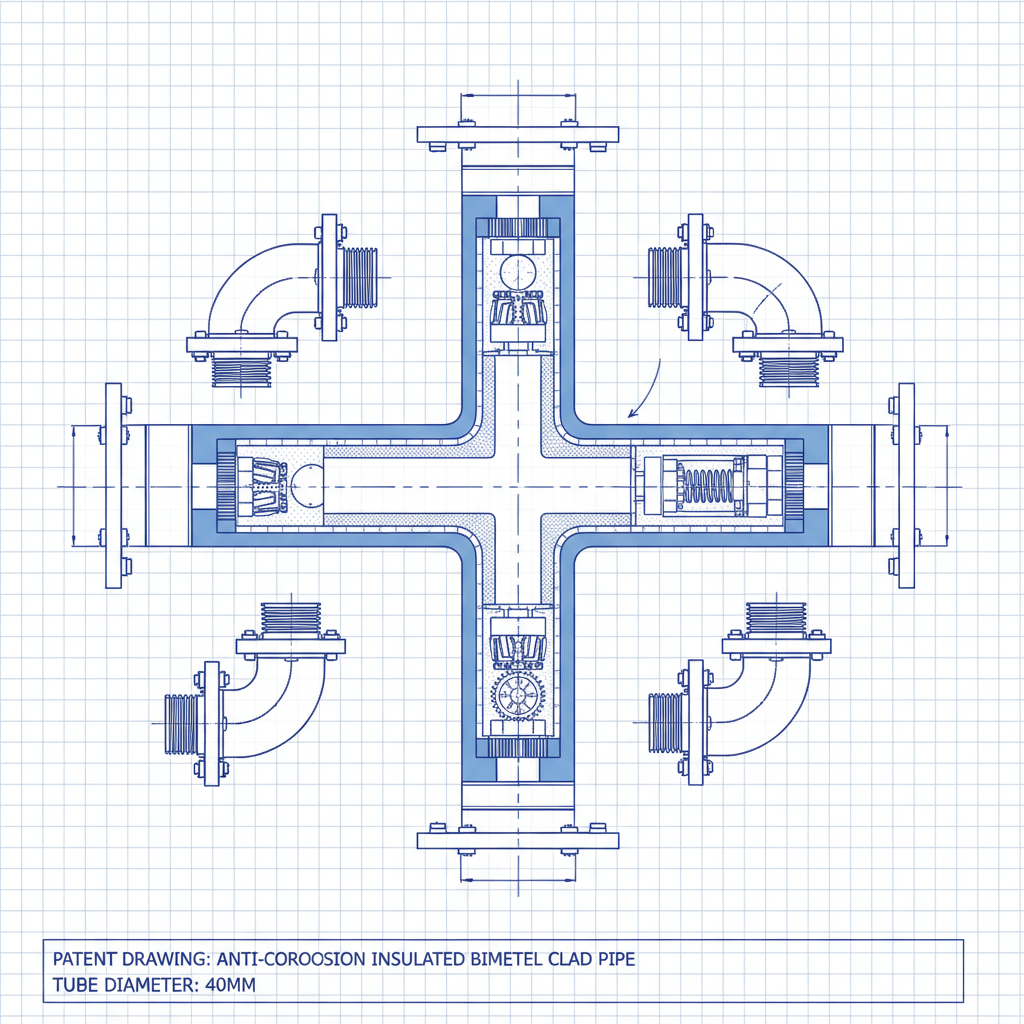
Comprehensive Guide to 40mm Steel Tube Applications and Material Selection
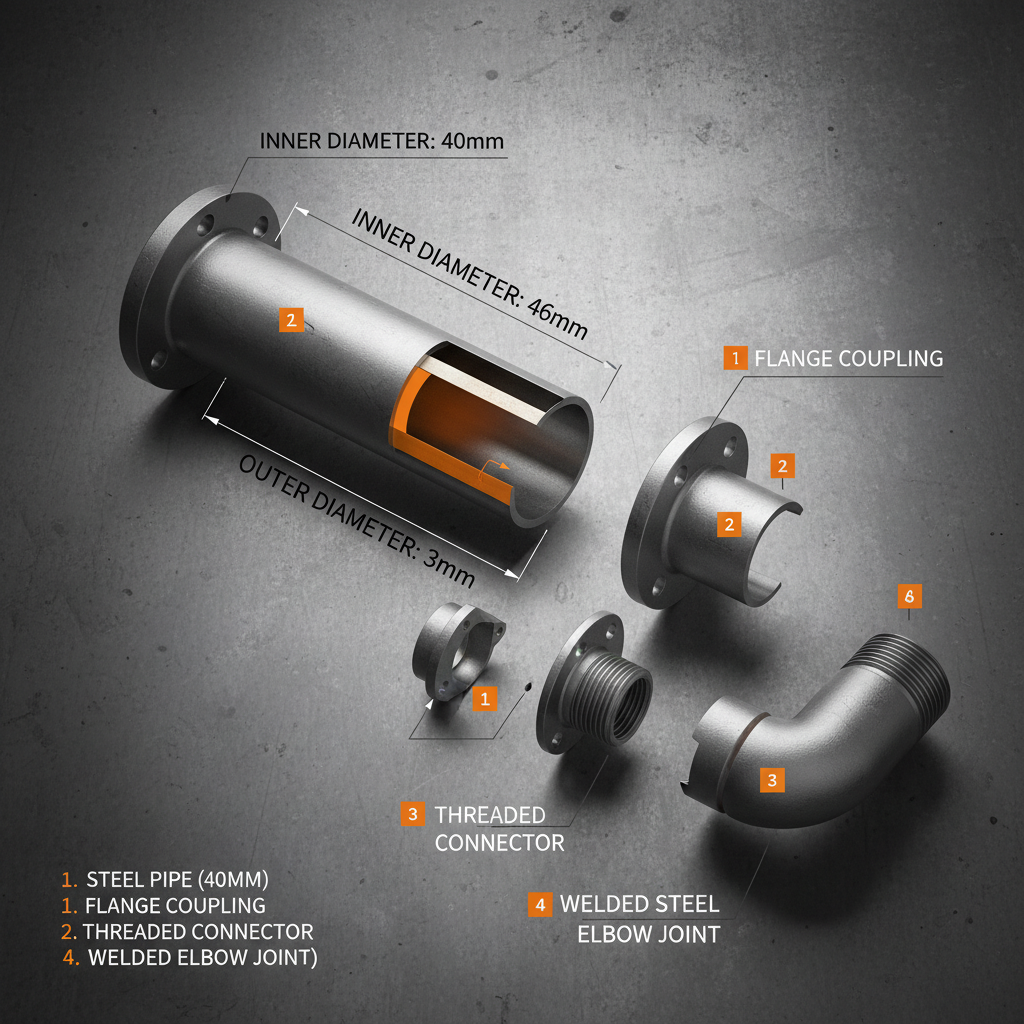
Comprehensive Guide to 40mm Steel Pipe Applications and Considerations
Comprehensive Guide to 40mm Metal Pipe Applications and Sourcing
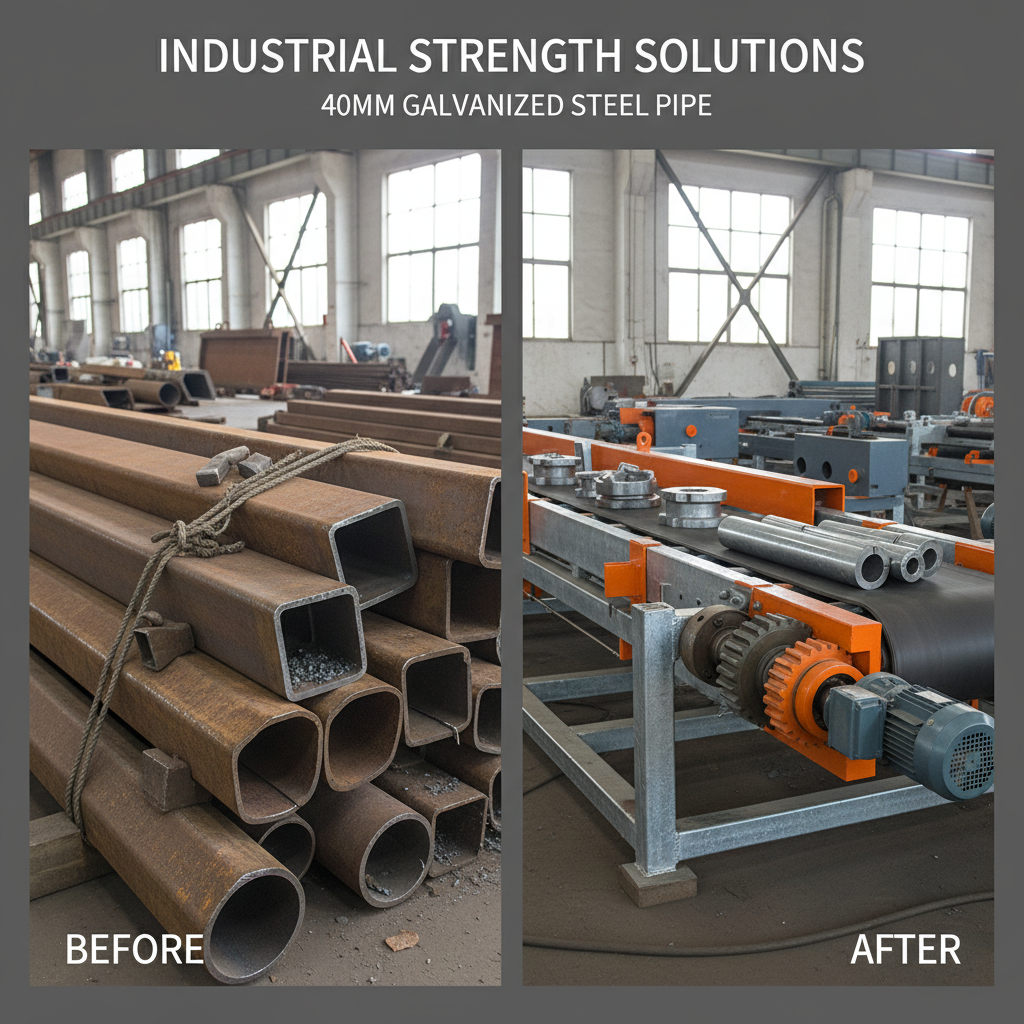
Comprehensive Guide to 40mm Galvanised Pipe Applications and Specifications