tel
Email
to top

Understanding the Types of Toilet Flanges and Their Applications

Th4 14 2025
chia sẻ:

Toilet flanges are essential components in plumbing systems, providing a secure connection between the toilet and the waste pipe. Different types of toilet flanges are available to accommodate various installation requirements, materials, and structural conditions. Selecting the correct flange ensures a leak-free and stable toilet installation. This article explores the common types of toilet flanges, their materials, and their applications in residential and commercial plumbing.


Common Types of Toilet Flanges Based on Design


First of all, toilet flanges are categorized by their design, which determines their compatibility with different plumbing setups. The most widely used designs include standard flanges, offset flanges, and deep-seal flanges.


A standard 4 inch toilet flange is the most common type, designed to fit a 4-inch waste pipe. It is typically used in new construction or straightforward installations where the pipe aligns directly with the toilet’s drain opening.


An offset flange, such as a 4-offset toilet flange, is used when the waste pipe is not perfectly aligned with the toilet’s drain. This design allows for minor adjustments in positioning, making it useful in bathroom renovations where the original plumbing may not match the new layout. Deep-seal flanges are used in installations where the waste pipe sits deeper below the floor. These flanges provide an extended collar to ensure a proper seal, preventing leaks and maintaining stability.


Besides design variations, flanges also differ in their attachment methods. Some are designed to be screwed directly into the floor, while others use a twist-and-lock mechanism for easier installation.


Materials Used in Types of Toilet Flanges and Their Durability


In addition to design differences, types of toilet flanges are manufactured using various materials, each offering distinct advantages in terms of durability and corrosion resistance.


PVC flanges are lightweight, affordable, and resistant to rust, making them suitable for most residential applications. They are easy to install and work well in environments where moisture exposure is moderate. Cast iron flanges are heavier and more durable, often used in older homes or commercial buildings where long-term stability is required. These flanges are typically secured with heavy-duty bolts and provide excellent resistance to high pressure. Stainless steel flanges, similar to stainless steel tee fittings and stainless steel unequal tee, offer superior corrosion resistance, making them ideal for areas with high humidity or exposure to harsh cleaning chemicals. They are commonly used in hospitals, industrial facilities, and coastal properties.


For heavy-duty applications, metal flanges such as those made from carbon steel elbow or alloy steel elbow materials may be used in specialized plumbing systems where extreme durability is required. However, these are less common in standard toilet installations.


Installation Considerations for Different Types of Toilet Flanges


Finally, proper installation is crucial to ensure the longevity and functionality of a 4 toilet flange or any other type. Several factors must be considered, including floor type, pipe alignment, and sealing method.


When installing a flange on a concrete floor, anchoring with concrete screws or epoxy ensures a secure fit. For wooden subfloors, corrosion-resistant screws are recommended to prevent weakening over time.


If the existing plumbing does not align with the toilet drain, an offset flange or an adjustable stainless tee fitting may be necessary to bridge the gap. Proper sealing with a wax ring or rubber gasket is essential to prevent leaks and odors.


In cases where the flange is damaged or corroded, replacement with a compatible material—such as PVC for moisture resistance or stainless steel for durability—is advisable. Ensuring the correct types of toilet flanges are selected based on the plumbing system’s requirements will result in a secure and long-lasting installation.


By understanding the different types of toilet flanges, their materials, and installation methods, plumbers and homeowners can make informed decisions for efficient and leak-free bathroom setups. Whether using a standard 4-inch toilet flange or an offset variant, selecting the right product ensures optimal performance and minimizes future maintenance issues.


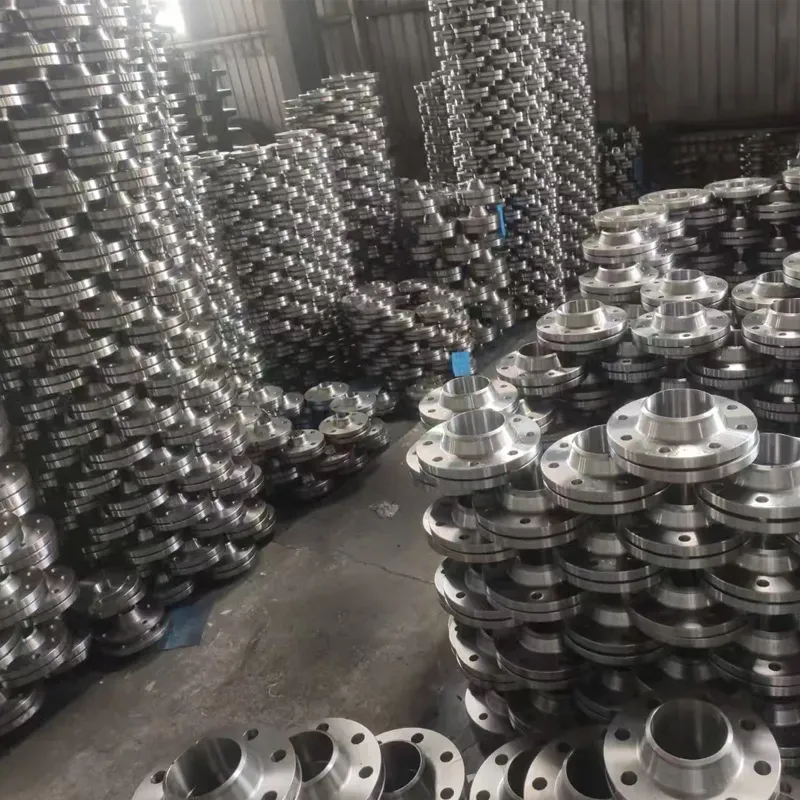
Choosing the correct types of toilet flanges is essential for a secure, leak-proof, and long-lasting plumbing installation. Factors such as material durability, design compatibility, and proper installation techniques must be considered to ensure functionality. A standard 4-inch toilet flange works well for aligned waste pipes, while an offset design like the 4 offset toilet flange accommodates misaligned plumbing. Materials such as PVC, cast iron, and stainless steel—similar to stainless steel tee fittings—offer varying levels of corrosion resistance and strength for different environments. Whether replacing an old flange or installing a new one, selecting the appropriate 4 toilet flange based on floor type, pipe alignment, and sealing method will prevent future issues. By understanding these key aspects, homeowners and professionals can ensure a reliable and efficient toilet installation.
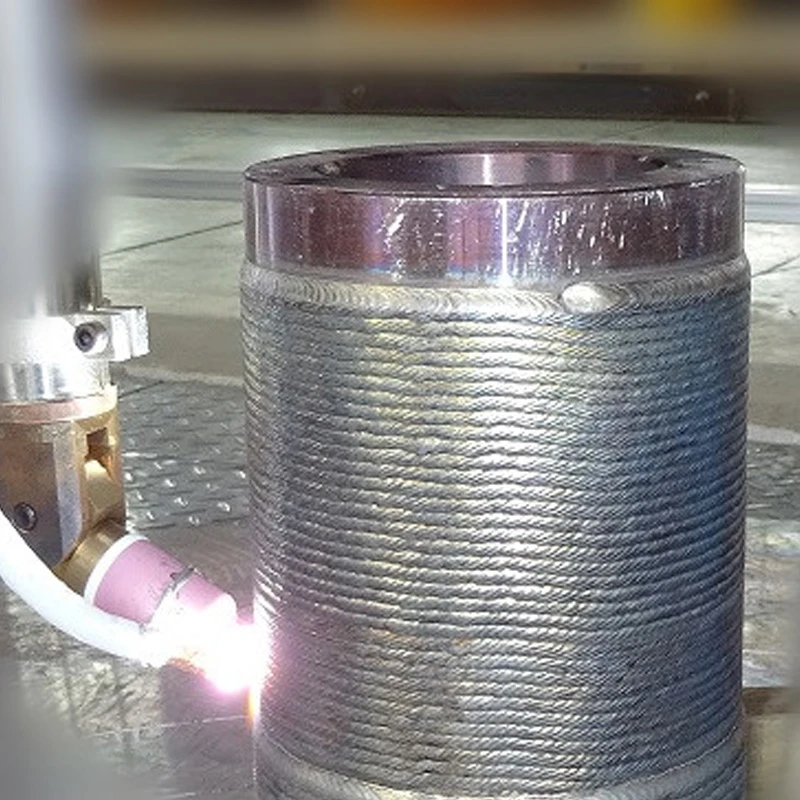
 

Understanding the Types of Toilet Flanges and Their Applications


  • Flange

    Mặt bích

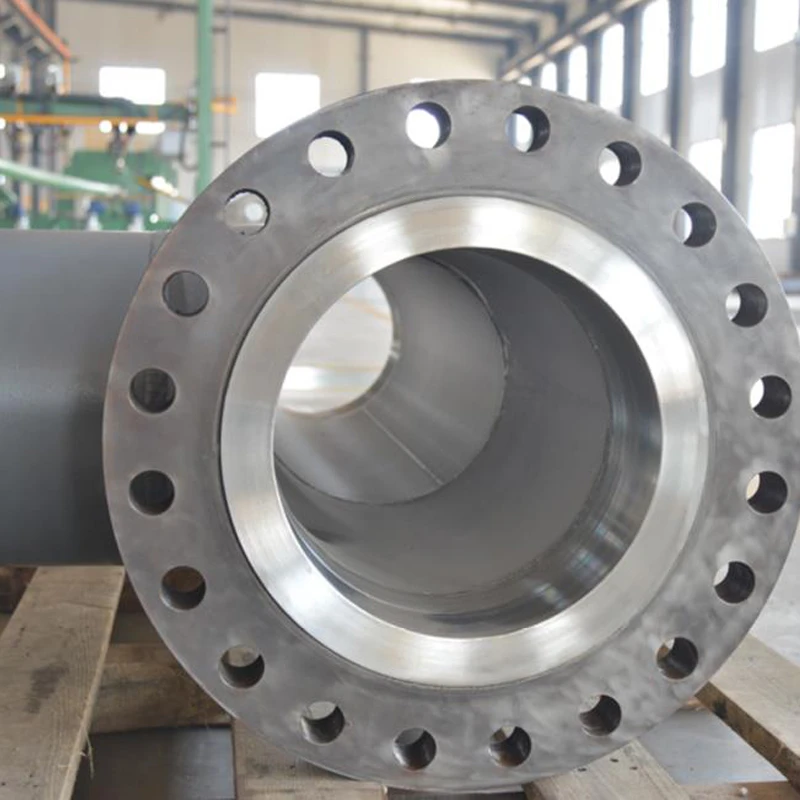
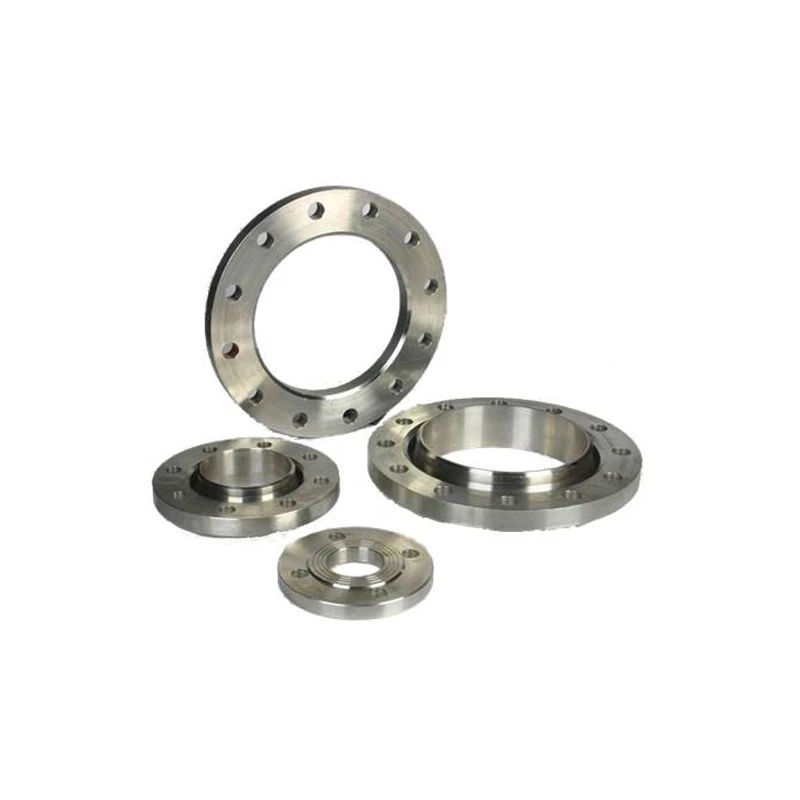
    Giới thiệu sản phẩm mặt bích Mặt bích được sử dụng để kết nối ống với ống hoặc ống với thiết bị, đảm bảo kết nối kín và ổn định. Chúng ngăn rò rỉ chất lỏng và có thể chịu được một số áp suất và ứng suất nhất định, đảm bảo kết nối đáng tin cậy. Đường kính danh nghĩa của mặt bích nằm trong khoảng từ DN15-DN2000 trở lên, đáp ứng nhiều nhu cầu kết nối đường ống khác nhau. Mặt bích chủ yếu tuân thủ các tiêu chuẩn quốc tế như ASME B16.5-2020, ASME B16.47-2020 và API 6A-2018.
    XEM TẤT CẢ
  • Mechanical Clad Steel Pipe

    Mechanical Clad Steel Pipe

    Mechanical clad steel pipe (MCSP) is a kind of high-performance pipe, which is specially designed for demanding industrial applications. Combining the durability and strength of steel with advanced composite materials, MCSP provides enhanced corrosion resistance, high pressure and extreme temperatures.
    XEM TẤT CẢ
  • Bend Pipe

    Ống uốn cong

    Bend is a crucial pipe fitting used to change the direction of flow in a piping system. It allows for smooth transitions between sections of pipe, accommodating layout constraints, avoiding obstacles, and optimizing flow paths. Bends are designed to maintain the fluid's velocity and minimize pressure loss while providing the necessary angle of deviation. They are commonly used in various industries, including oil and gas, petrochemicals, water supply, and HVAC systems.
    XEM TẤT CẢ
Tạo ra giá trị cho khách hàng!
Công ty TNHH Công nghệ Leo Thương Châu tọa lạc tại Khu phát triển kinh tế huyện Mạnh Thôn, thành phố Thương Châu, tỉnh Hà Bắc. Là doanh nghiệp công nghệ cao chuyên ngành tích hợp nghiên cứu phát triển, sản xuất và bán ống và phụ kiện composite.
Tin tức
Công ty coi chất lượng sản phẩm là sự sống còn của doanh nghiệp, thiết lập hệ thống quản lý chất lượng lành mạnh theo yêu cầu của ngành và tiêu chuẩn quốc gia, kiểm soát mọi mặt đầu vào và đầu ra trong toàn bộ quá trình, chú ý đến mọi chi tiết và đảm bảo tỷ lệ giao sản phẩm đạt 100%.
Ultimate Guide to 4130 Tubing Strength Performance and Applications
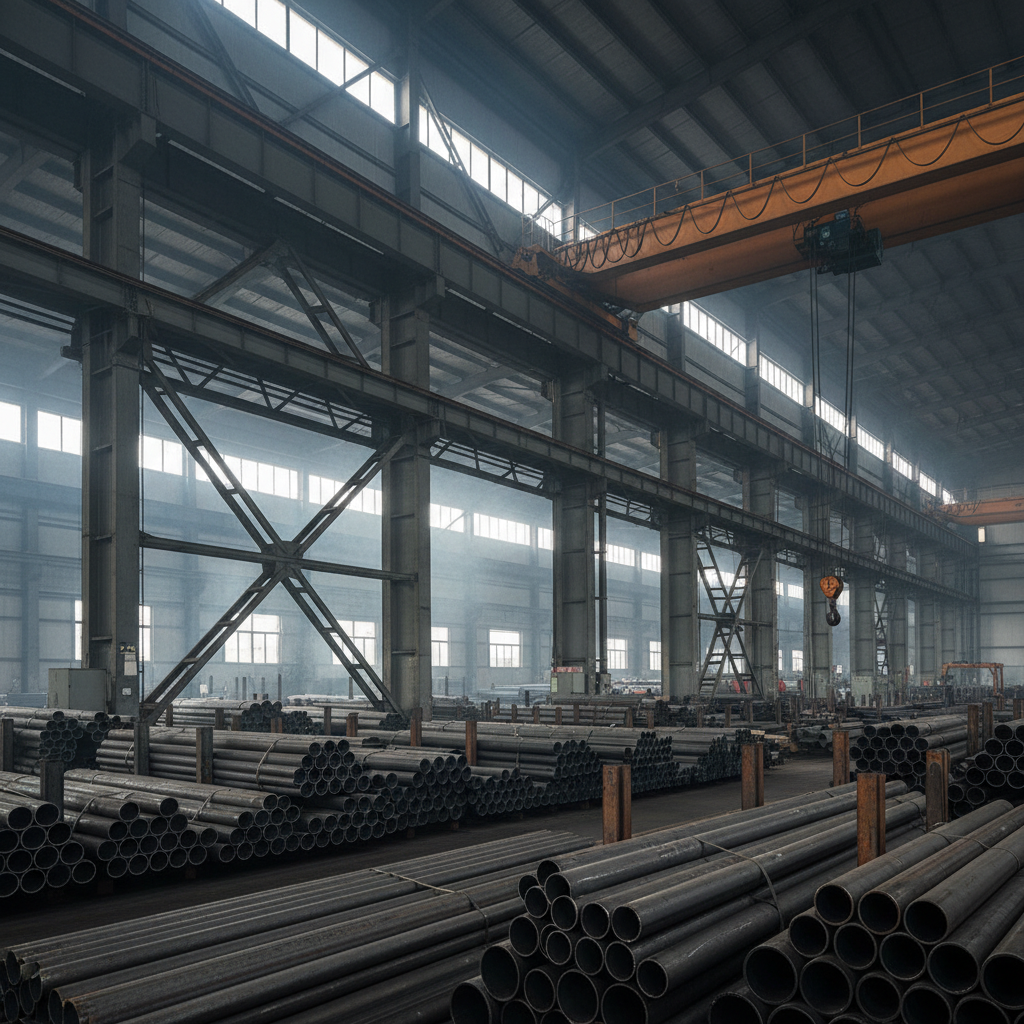
Ultimate Guide to 4130 Tubing Strength Performance and Applications

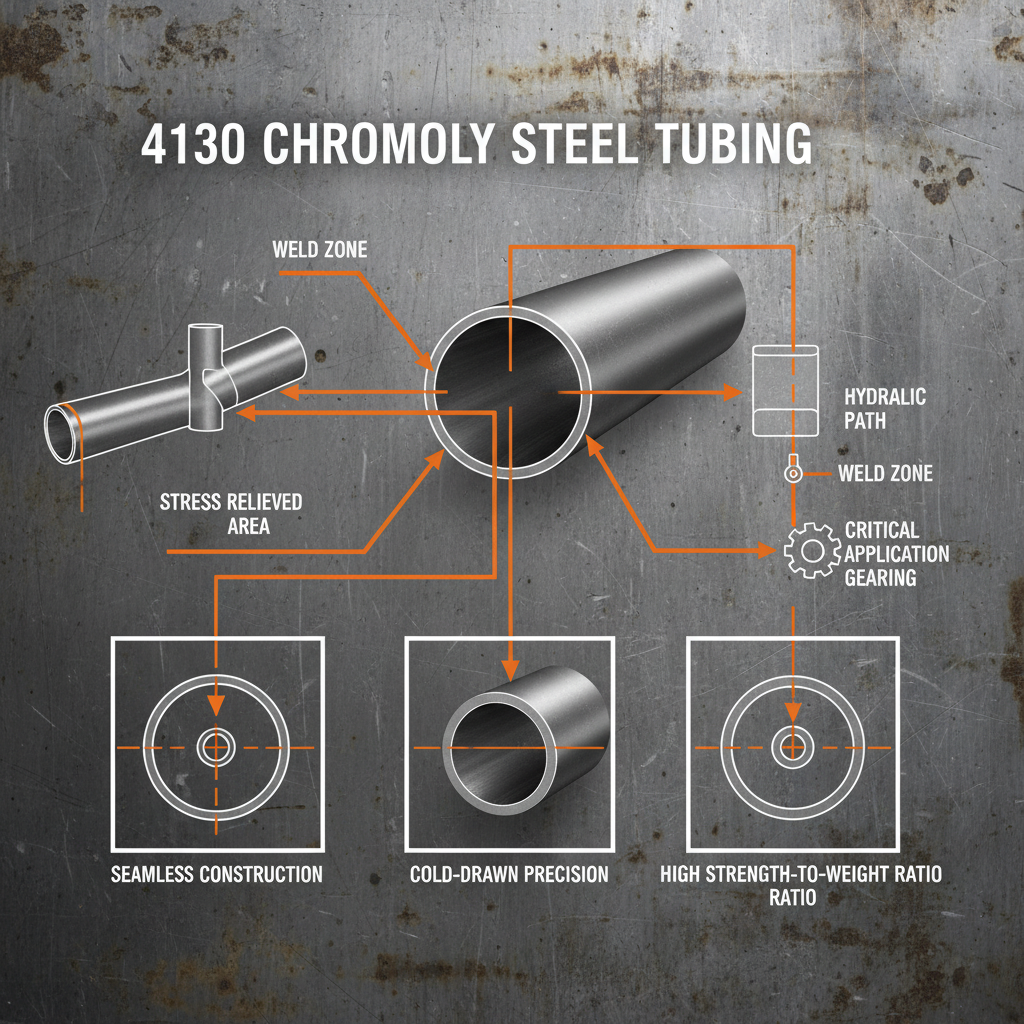
In the world of high-performance engineering, material selection is the foundation of safety and efficiency. 4130 tubing is widely regarded as the gold standard for applications requiring an exceptional strength-to-weight ratio. This chrome-molybdenum alloy steel is engineered to withstand extreme stress while remaining lightweight enough for aerospace and automotive use. Whether you are designing a roll cage, a bicycle frame, or a critical industrial component, understanding the nuances of this material is essential. In this comprehensive guide, we will explore why this specific alloy is preferred by engineers worldwide and how to choose the right specifications for your project.
Properties and Industrial Applications of 4130 steel tubing
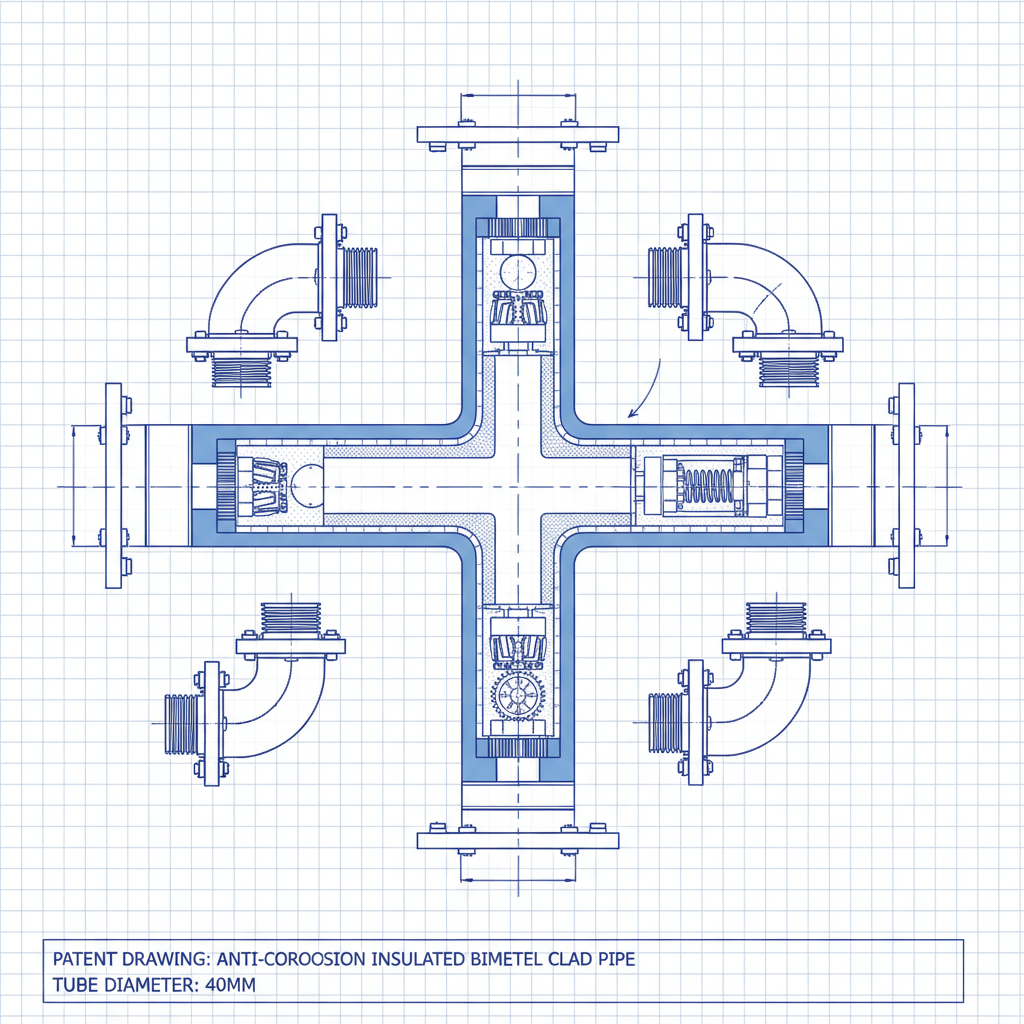
Properties and Industrial Applications of 4130 steel tubing

In the world of high-performance engineering, material selection is the foundation of safety and efficiency. 4130 steel tubing is widely recognized as the gold standard for applications requiring an exceptional strength-to-weight ratio. Known for its versatility and reliability, this chromium-molybdenum alloy is the preferred choice for everything from aircraft frames to professional roll cages. Understanding the nuances of this material allows engineers to optimize structural integrity without adding unnecessary bulk. In this comprehensive guide, we will explore why this specific alloy remains a top choice for critical industrial and aerospace components.
Comprehensive Guide to 40mm Steel Tube Applications and Material Selection
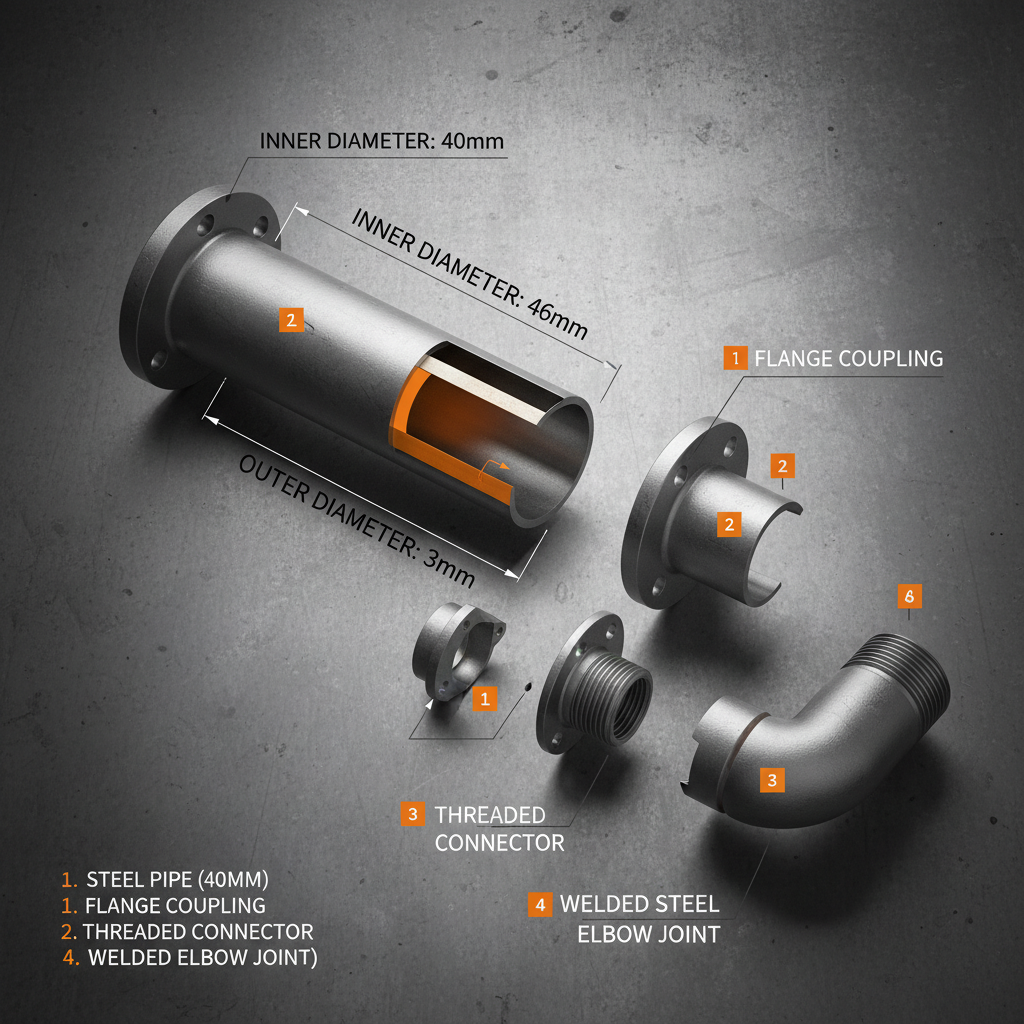
Comprehensive Guide to 40mm Steel Tube Applications and Material Selection

40mm steel tube is a versatile and widely used material in various industries, from construction and manufacturing to automotive and beyond. Its strength, durability, and cost-effectiveness make it an ideal choice for numerous applications. This article will delve into the characteristics, applications, benefits, and considerations when working with 40mm steel tube, providing a comprehensive overview for professionals and anyone interested in this essential material.
Comprehensive Guide to 40mm Steel Pipe Applications and Considerations
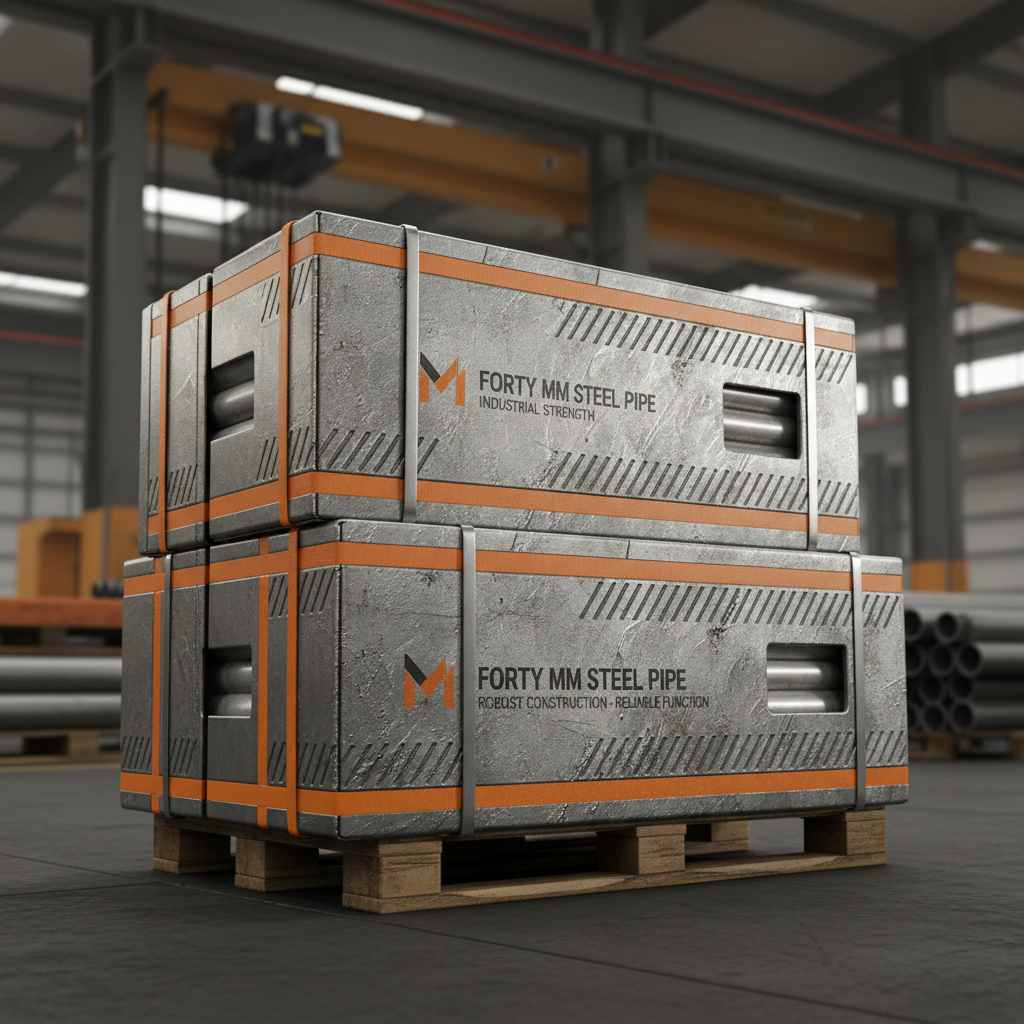
Comprehensive Guide to 40mm Steel Pipe Applications and Considerations

40mm steel pipe is a widely used material in various industries due to its strength, durability, and cost-effectiveness. From construction and infrastructure projects to industrial applications and fluid transportation, this pipe size offers a versatile solution. This article will delve into the properties, applications, standards, and key considerations when selecting 40mm steel pipe, helping you make informed decisions for your specific needs.
Comprehensive Guide to 40mm Metal Pipe Applications and Sourcing
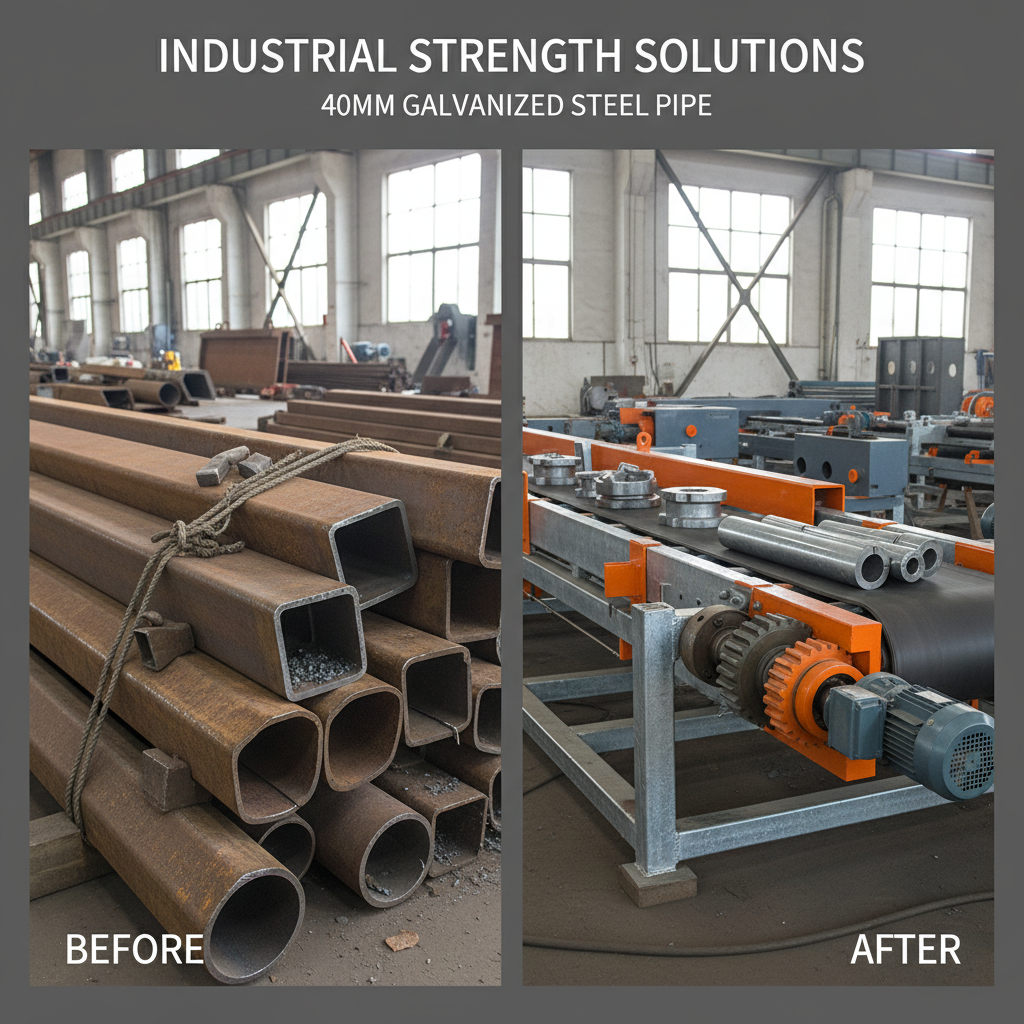
Comprehensive Guide to 40mm Metal Pipe Applications and Sourcing

40mm metal pipe is a crucial component in a wide array of industries, from construction and plumbing to industrial manufacturing and fluid transport. Its strength, durability, and versatility make it a preferred material for countless applications. This article will delve into the specifics of 40mm metal pipe, exploring its various types, common uses, benefits, and where to source high-quality piping solutions.
Comprehensive Guide to 40mm Galvanised Pipe Applications and Specifications

Comprehensive Guide to 40mm Galvanised Pipe Applications and Specifications

When planning a plumbing, structural, or industrial project, selecting the right piping material is crucial. 40mm galvanised pipe is a widely used option known for its strength, durability, and corrosion resistance. This article provides a detailed overview of 40mm galvanised pipes, exploring their applications, benefits, specifications, and considerations for optimal usage. We'll cover everything from what galvanisation is to how to choose the right pipe for your specific needs.
tel email tel top

Nếu bạn quan tâm đến sản phẩm của chúng tôi, bạn có thể để lại thông tin tại đây và chúng tôi sẽ sớm liên hệ với bạn.