tel
Email
to top

Mastering the Art of Flange Installation for Home Fixtures

Th7 16 2025
chia sẻ:

When it comes to home improvement projects, proper installation of fixtures is crucial for functionality and longevity. Among these tasks, the installation of various types of flanges, such as those for toilets and garbage disposals, plays a significant role. Whether you're installing a new toilet flangeinstalling a toilet flange on a concrete floorinstalling a toilet flange on plywood, or installing a garbage disposal flange, understanding the correct techniques can make the difference between a successful installation and future plumbing headaches.
 

Mastering the Art of Flange Installation for Home Fixtures


Installing a New Toilet Flange: A Step - by - Step Guide


Embarking on the task of installing a new toilet flange requires careful preparation and attention to detail. First, start by removing the old toilet, which involves disconnecting the water supply line and gently lifting the toilet off the existing flange. Once the toilet is out of the way, inspect the old flange for any signs of damage or wear. If it's in poor condition, it's essential to replace it with a new one. When installing the new flange, ensure that it is level and properly aligned with the drainpipe. This step is critical as an uneven or misaligned flange can lead to leaks and instability of the toilet. Secure the flange to the floor using the appropriate screws or bolts, depending on the type of flooring material. After the flange is firmly in place, you can proceed with reinstalling the toilet, carefully aligning it over the flange and securing it in position.


Navigating the Challenges of Installing a Toilet Flange on a Concrete Floor


Installing a toilet flange on a concrete floor presents its own set of challenges compared to other flooring types. The hardness of the concrete requires the use of specialized tools, such as a masonry drill, to create holes for the flange bolts. Before installing the flange, clean the surface of the concrete thoroughly to remove any debris or dust that could interfere with the seal. When positioning the flange, use a level to ensure it sits flat and level on the concrete. Since concrete is less forgiving than softer materials, getting the alignment right the first time is crucial. Once the flange is in the correct position, insert the bolts into the pre - drilled holes and tighten them securely. It's also advisable to use a concrete - specific adhesive or sealant around the edges of the flange to create a watertight seal and prevent any potential leaks.


Installing a Toilet Flange on Plywood: Tips and Tricks


Working with plywood when installing a toilet flange requires a different approach. Plywood is more susceptible to moisture damage, so it's important to take extra precautions to protect the wood. Start by ensuring that the plywood subfloor is in good condition and free from any rot or damage. If necessary, reinforce the plywood around the flange area to provide additional support. When installing the flange, use screws or bolts that are appropriate for plywood, making sure not to overtighten and risk splitting the wood. To create a proper seal, apply a generous amount of plumber's putty or a specialized sealant around the base of the flange before setting the toilet in place. This will help prevent water from seeping through and damaging the plywood over time.


Installing a Garbage Disposal Flange: A Different Kind of Installation


Installing a garbage disposal flange is another important task in the kitchen plumbing system. Begin by disconnecting the power source to the garbage disposal for safety. Remove the old flange from the sink drain, taking care to clean any  sealant or debris. When installing the new flange, place a rubber gasket on the underside of the sink to create a watertight seal. Lower the flange through the drain hole from the top of the sink and secure it in place with the mounting ring and screws from underneath. Connect the garbage disposal to the flange, ensuring that all connections are tight and properly aligned. Finally, reconnect the power source and test the garbage disposal to make sure it is working correctly and there are no leaks around the flange area.


Common Mistakes and How to Avoid Them in Flange Installation


Incorrect Flange Alignment


One of the most common mistakes during flange installation, whether it's installing a new toilet flange or installing a garbage disposal flange, is incorrect alignment. This can lead to leaks and poor performance of the fixture. To avoid this, always use a level to ensure the flange is perfectly horizontal. Double - check the alignment with the drainpipe or sink hole before securing the flange in place.


Using the Wrong Fasteners


Using the wrong type of screws or bolts for the flooring material can also cause problems. For example, using wood screws on a concrete floor when installing a toilet flange on a concrete floor will not provide a secure hold. Make sure to use fasteners that are specifically designed for the type of surface you are working with to ensure a stable and long - lasting installation.


Neglecting Sealant Application


Skipping or applying insufficient sealant around the flange is a mistake that can result in water leaks. Whether it's a toilet flange on plywood or a garbage disposal flange, a proper seal is essential. Apply an adequate amount of plumber's putty or a suitable sealant to create a watertight barrier and protect against moisture damage.
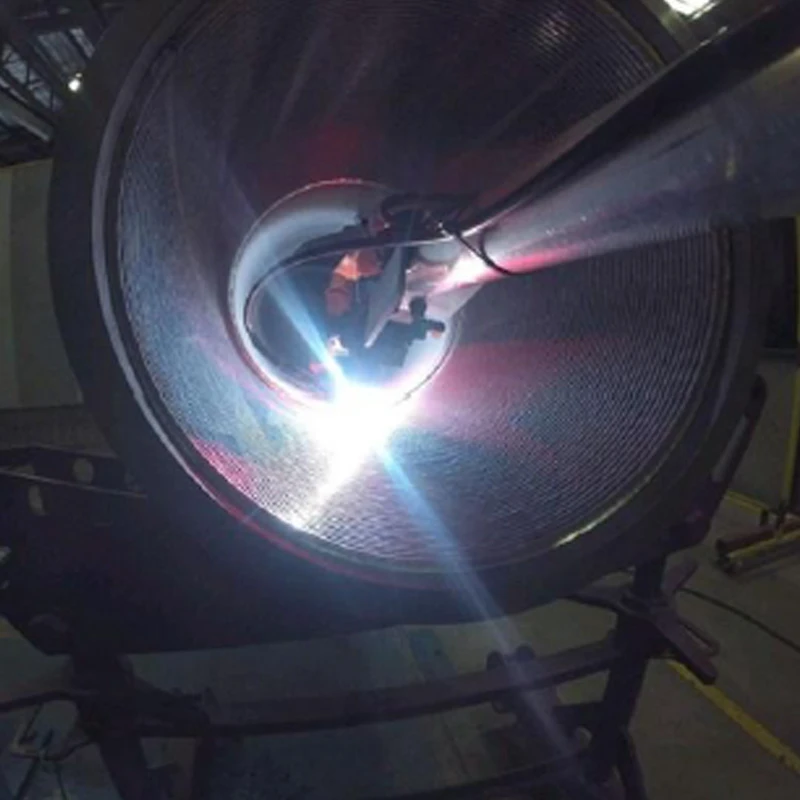
  • Mechanical Clad Steel Pipe

    Mechanical Clad Steel Pipe

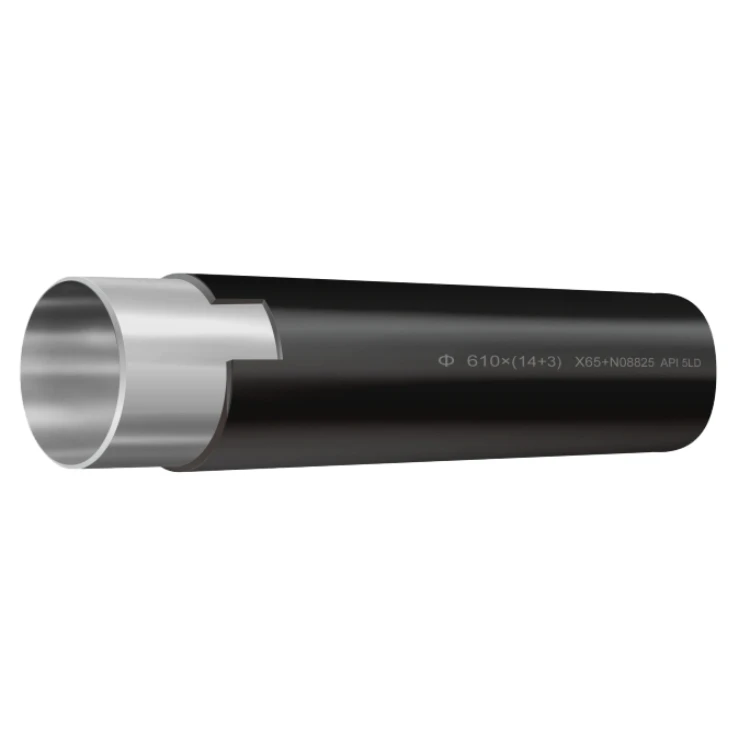
    Mechanical clad steel pipe (MCSP) is a kind of high-performance pipe, which is specially designed for demanding industrial applications. Combining the durability and strength of steel with advanced composite materials, MCSP provides enhanced corrosion resistance, high pressure and extreme temperatures.
    XEM TẤT CẢ
  • Laser Clad  Pipe

    Laser Clad Pipe

    Laser clad steel pipes are manufactured using laser cladding technology. This technology involves adding cladding material to the surface of ordinary steel pipe base material, using high-energy-density laser beams to fuse the cladding material with the steel pipe surface, forming a metallurgically bonded cladding layer. These pipes are generally used in compressed air energy storage projects as underground deep well transportation pipes or casings, as well as in oil, natural gas, and geothermal well extraction.
    XEM TẤT CẢ
  • Flange

    Mặt bích

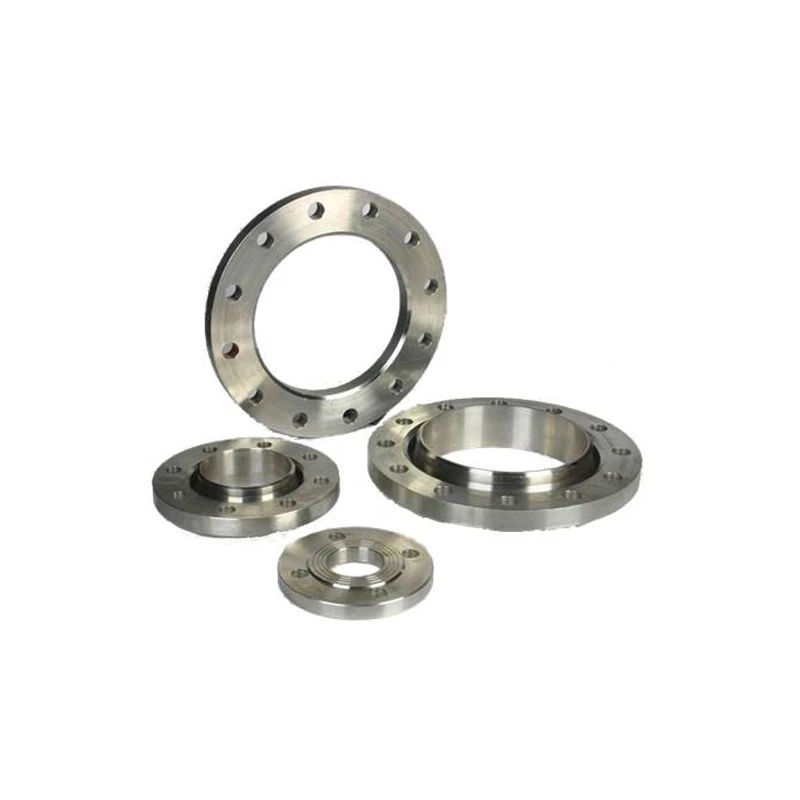
    Giới thiệu sản phẩm mặt bích Mặt bích được sử dụng để kết nối ống với ống hoặc ống với thiết bị, đảm bảo kết nối kín và ổn định. Chúng ngăn rò rỉ chất lỏng và có thể chịu được một số áp suất và ứng suất nhất định, đảm bảo kết nối đáng tin cậy. Đường kính danh nghĩa của mặt bích nằm trong khoảng từ DN15-DN2000 trở lên, đáp ứng nhiều nhu cầu kết nối đường ống khác nhau. Mặt bích chủ yếu tuân thủ các tiêu chuẩn quốc tế như ASME B16.5-2020, ASME B16.47-2020 và API 6A-2018.
    XEM TẤT CẢ
Tạo ra giá trị cho khách hàng!
Công ty TNHH Công nghệ Leo Thương Châu tọa lạc tại Khu phát triển kinh tế huyện Mạnh Thôn, thành phố Thương Châu, tỉnh Hà Bắc. Là doanh nghiệp công nghệ cao chuyên ngành tích hợp nghiên cứu phát triển, sản xuất và bán ống và phụ kiện composite.
Tin tức
Công ty coi chất lượng sản phẩm là sự sống còn của doanh nghiệp, thiết lập hệ thống quản lý chất lượng lành mạnh theo yêu cầu của ngành và tiêu chuẩn quốc gia, kiểm soát mọi mặt đầu vào và đầu ra trong toàn bộ quá trình, chú ý đến mọi chi tiết và đảm bảo tỷ lệ giao sản phẩm đạt 100%.
Ultimate Guide to 4130 Tubing Strength Performance and Applications

Ultimate Guide to 4130 Tubing Strength Performance and Applications

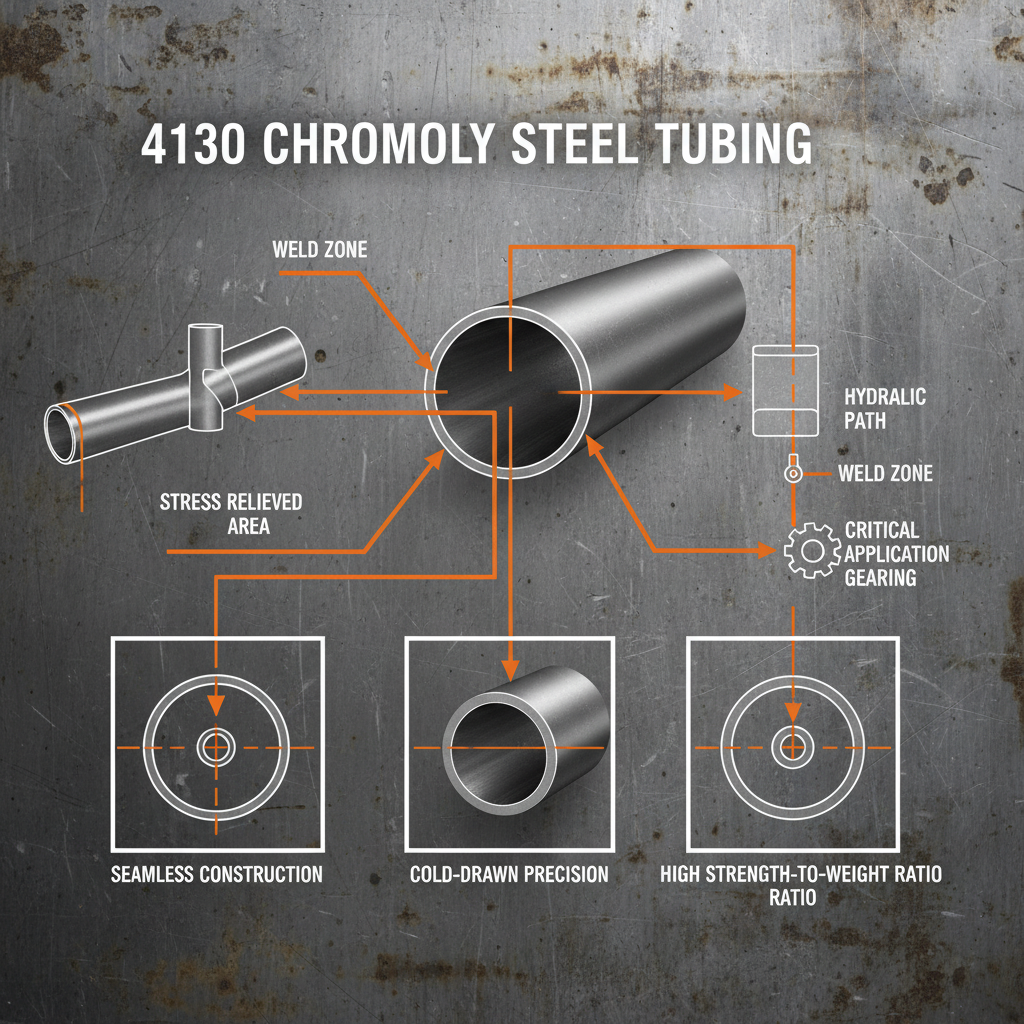
In the world of high-performance engineering, material selection is the foundation of safety and efficiency. 4130 tubing is widely regarded as the gold standard for applications requiring an exceptional strength-to-weight ratio. This chrome-molybdenum alloy steel is engineered to withstand extreme stress while remaining lightweight enough for aerospace and automotive use. Whether you are designing a roll cage, a bicycle frame, or a critical industrial component, understanding the nuances of this material is essential. In this comprehensive guide, we will explore why this specific alloy is preferred by engineers worldwide and how to choose the right specifications for your project.
Properties and Industrial Applications of 4130 steel tubing
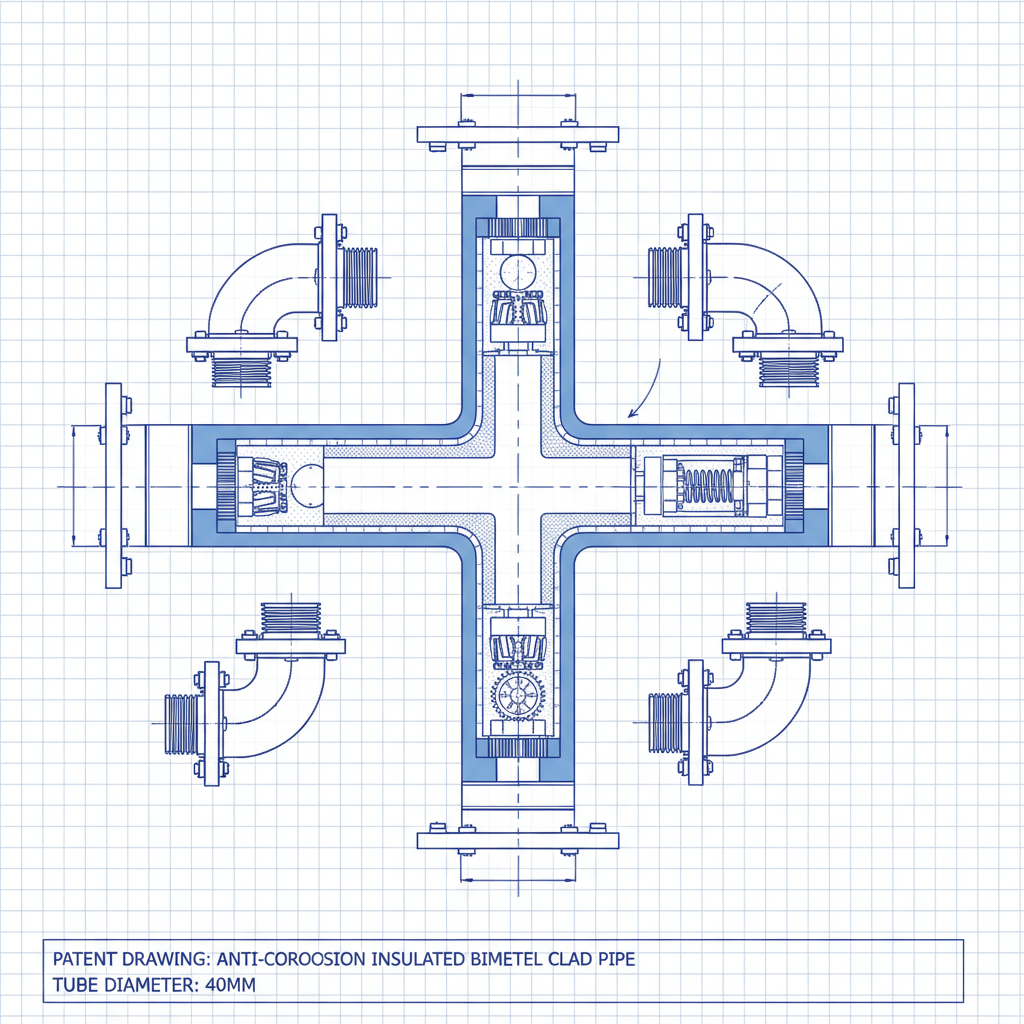
Properties and Industrial Applications of 4130 steel tubing

In the world of high-performance engineering, material selection is the foundation of safety and efficiency. 4130 steel tubing is widely recognized as the gold standard for applications requiring an exceptional strength-to-weight ratio. Known for its versatility and reliability, this chromium-molybdenum alloy is the preferred choice for everything from aircraft frames to professional roll cages. Understanding the nuances of this material allows engineers to optimize structural integrity without adding unnecessary bulk. In this comprehensive guide, we will explore why this specific alloy remains a top choice for critical industrial and aerospace components.
Comprehensive Guide to 40mm Steel Tube Applications and Material Selection
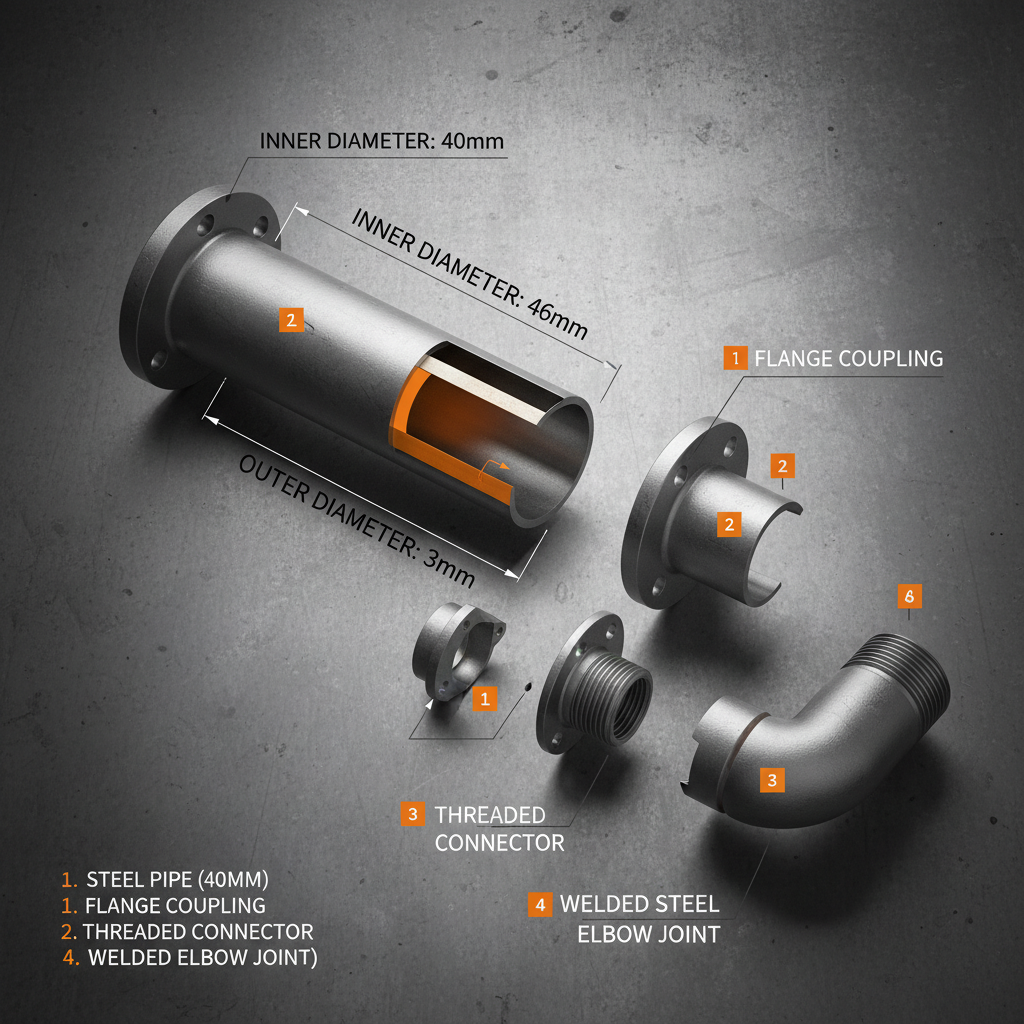
Comprehensive Guide to 40mm Steel Tube Applications and Material Selection

40mm steel tube is a versatile and widely used material in various industries, from construction and manufacturing to automotive and beyond. Its strength, durability, and cost-effectiveness make it an ideal choice for numerous applications. This article will delve into the characteristics, applications, benefits, and considerations when working with 40mm steel tube, providing a comprehensive overview for professionals and anyone interested in this essential material.
Comprehensive Guide to 40mm Steel Pipe Applications and Considerations
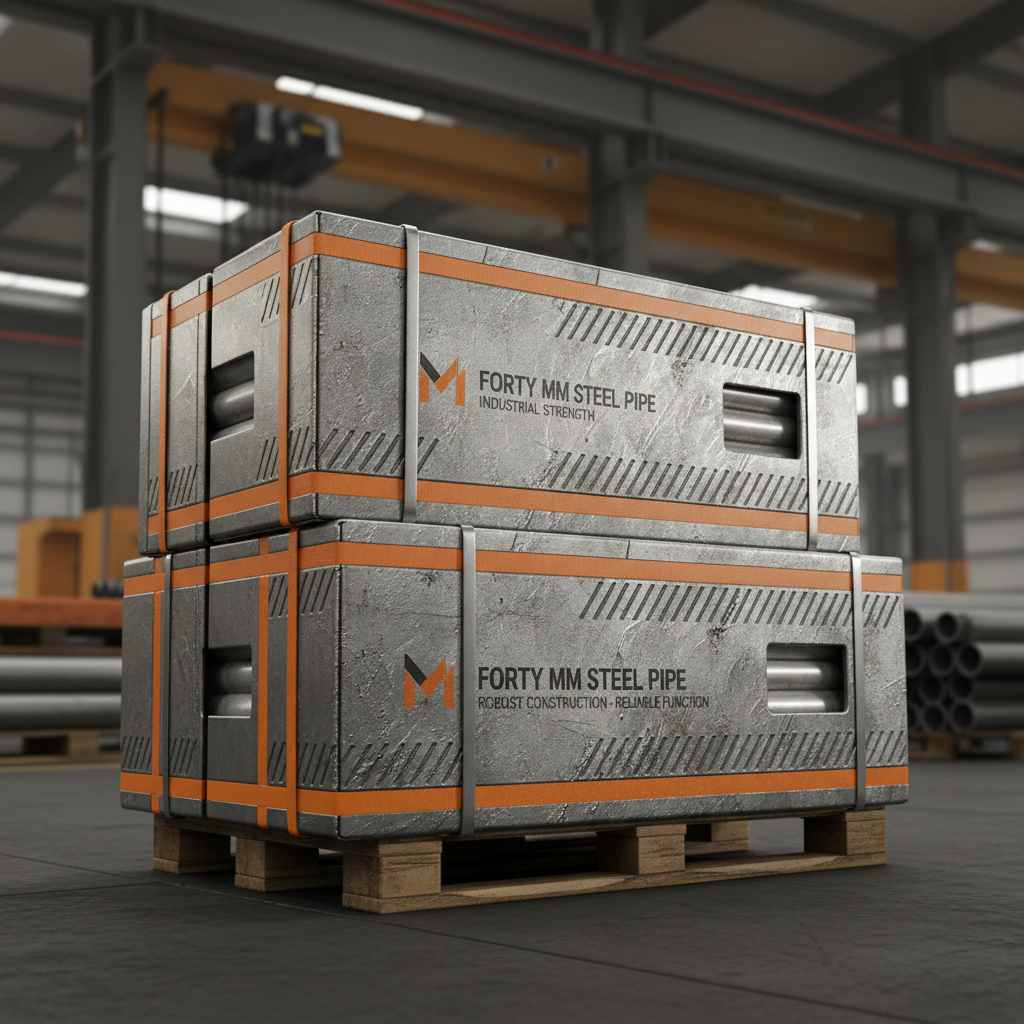
Comprehensive Guide to 40mm Steel Pipe Applications and Considerations

40mm steel pipe is a widely used material in various industries due to its strength, durability, and cost-effectiveness. From construction and infrastructure projects to industrial applications and fluid transportation, this pipe size offers a versatile solution. This article will delve into the properties, applications, standards, and key considerations when selecting 40mm steel pipe, helping you make informed decisions for your specific needs.
Comprehensive Guide to 40mm Metal Pipe Applications and Sourcing
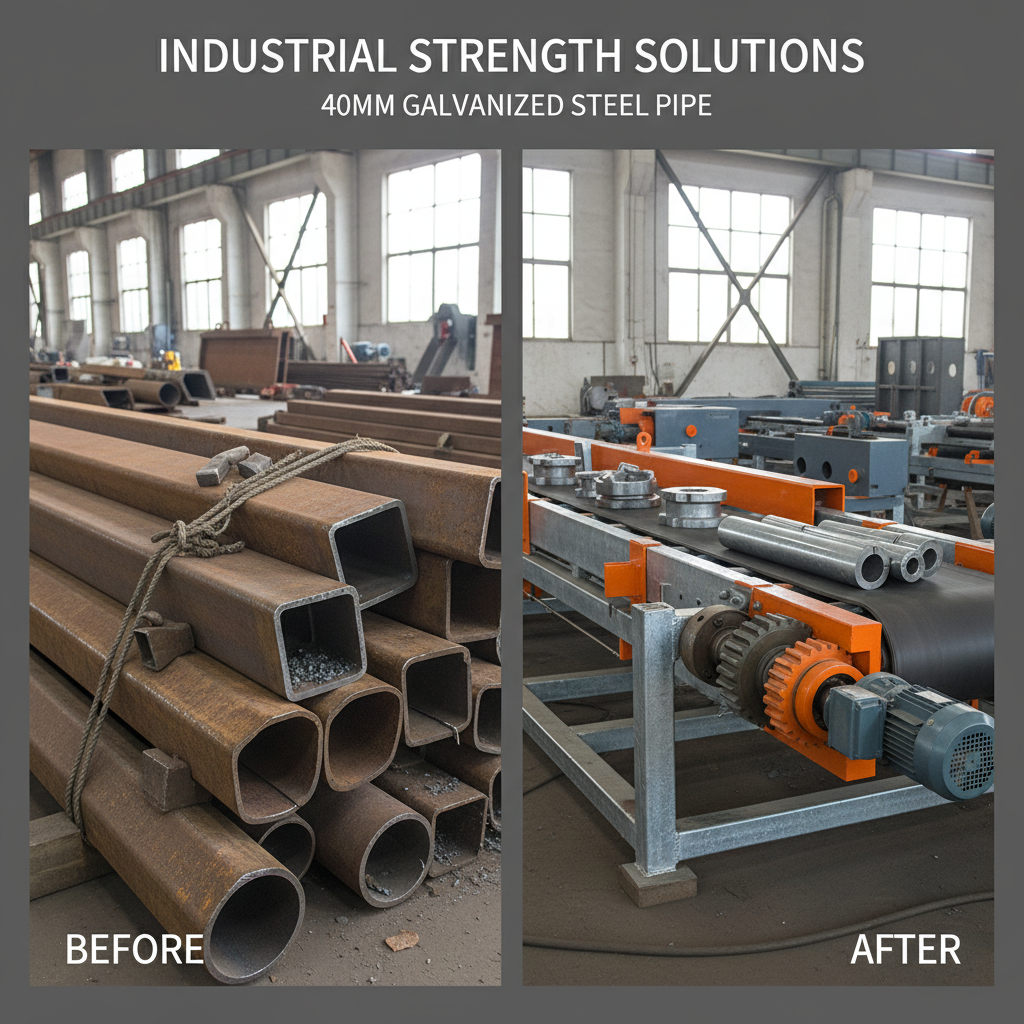
Comprehensive Guide to 40mm Metal Pipe Applications and Sourcing

40mm metal pipe is a crucial component in a wide array of industries, from construction and plumbing to industrial manufacturing and fluid transport. Its strength, durability, and versatility make it a preferred material for countless applications. This article will delve into the specifics of 40mm metal pipe, exploring its various types, common uses, benefits, and where to source high-quality piping solutions.
Comprehensive Guide to 40mm Galvanised Pipe Applications and Specifications

Comprehensive Guide to 40mm Galvanised Pipe Applications and Specifications

When planning a plumbing, structural, or industrial project, selecting the right piping material is crucial. 40mm galvanised pipe is a widely used option known for its strength, durability, and corrosion resistance. This article provides a detailed overview of 40mm galvanised pipes, exploring their applications, benefits, specifications, and considerations for optimal usage. We'll cover everything from what galvanisation is to how to choose the right pipe for your specific needs.
tel email tel top

Nếu bạn quan tâm đến sản phẩm của chúng tôi, bạn có thể để lại thông tin tại đây và chúng tôi sẽ sớm liên hệ với bạn.