In the realm of plumbing and fixture installations, various types of flanges play a crucial role in ensuring secure connections, preventing leaks, and enhancing the overall functionality of systems. Flanges are not just simple components; they are integral parts that can make a significant difference in the durability and performance of installations. This exploration delves into different flange types, including extended toilet flange, ez flange, faucet flange, female flange, and ff flange, highlighting their unique features and applications.
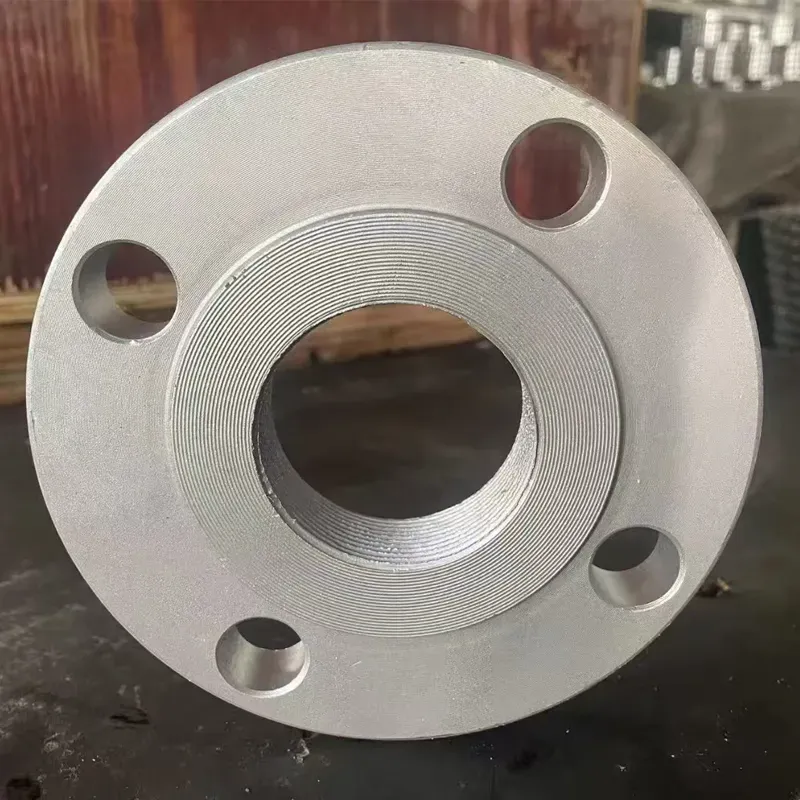
When it comes to toilet installations, a reliable connection between the toilet and the drain pipe is essential. An extended toilet flange offers a solution for situations where the existing flange may be damaged, corroded, or at an improper height. These flanges are designed to extend over the existing drain pipe, providing a new, stable surface for the toilet to sit on. They typically feature adjustable heights, allowing for a perfect fit even in scenarios where the floor has been tiled or leveled, altering the original height of the drain pipe. With an extended toilet flange, plumbers can ensure a watertight seal, reducing the risk of leaks that could lead to water damage in the surrounding area.
The ez flange lives up to its name by offering an easy - to - install solution for various plumbing and fixture connection needs. Whether it's for a quick toilet replacement or a new installation project, the ez flange streamlines the process. Its design often includes pre - drilled holes and intuitive attachment mechanisms, eliminating the need for complex measurements and adjustments. For DIY enthusiasts and professional plumbers alike, the ez flange saves time and effort. It provides a secure connection that can withstand the rigors of regular use, making it a popular choice in both residential and commercial settings where efficiency and reliability are key.
Faucets are a central part of any sink or basin setup, and a faucet flange plays a vital role in keeping them firmly in place. This type of flange is positioned between the faucet body and the sink surface, creating a barrier that prevents water from seeping underneath. Faucet flanges come in different materials, such as metal or plastic, and various designs to match different faucet styles. They not only enhance the stability of the faucet but also add an aesthetic touch to the overall installation. A well - installed faucet flange ensures that the faucet remains functional and leak - free, providing a seamless user experience every time the faucet is used.
Female flanges are a type of flange with an internal bore that is designed to receive a male - ended pipe or fitting. This design makes them highly versatile, suitable for a wide range of plumbing and industrial applications. In plumbing systems, female flanges can be used to connect pipes of different diameters or materials, allowing for flexibility in system design. They create a secure connection by providing a large surface area for gaskets or seals, reducing the likelihood of leaks. In industrial settings, female flanges are commonly used in high - pressure systems, where their robust construction and reliable connection capabilities are essential for maintaining the integrity of the system.
The ff flange, or flat - faced flange, is characterized by its smooth, flat surface. This type of flange is often used in applications where a simple, easy - to - clean connection is required. In the food and beverage industry, ff flanges are popular due to their hygienic design, as the flat surface minimizes the accumulation of debris and bacteria. They are also used in some plumbing systems, especially in areas where a clean and unobtrusive look is desired. While ff flanges may not be suitable for high - pressure applications, they offer a reliable and cost - effective solution for many low - to - medium - pressure situations, providing a secure connection without the need for complex installation procedures.
Selecting the appropriate flange depends on several factors. First, consider the application. For toilet installations, an extended toilet flange or ez flange might be suitable, depending on the condition of the existing setup. For faucet connections, a faucet flange is essential. The pressure and flow requirements of the system also matter; high - pressure systems may need more robust options like certain types of female flanges, while ff flanges are better for low - pressure, hygiene - sensitive applications. Additionally, the material of the flange should be chosen based on the environment it will be exposed to, such as corrosion - resistant materials for outdoor or wet areas.
One common mistake is not ensuring a proper seal when installing flanges. This can happen if the gasket or sealant is not applied correctly or if the flange is not tightened evenly. Another error is using the wrong type of flange for the application, which can lead to leaks or instability. For example, using a low - pressure ff flange in a high - pressure system. Additionally, improper alignment of the flange during installation can cause stress on the pipes and fittings, potentially leading to damage over time.
In some cases, flanges can be repaired. Minor damage, such as a small crack or a corroded surface, may be fixable with appropriate repair materials like epoxy or specialized flange repair kits. However, if the flange is severely damaged, warped, or no longer provides a secure connection, replacement is usually the best option. For example, an extended toilet flange that has become too rusted to support the toilet properly should be replaced to ensure a safe and leak - free installation. Regular inspection of flanges can help determine whether repair or replacement is necessary.
To maintain flanges, it's important to keep them clean, especially in areas where debris or sediment can accumulate. For ff flanges in hygienic applications, regular cleaning with appropriate disinfectants is crucial. In plumbing systems, checking for leaks around the flanges periodically and tightening any loose connections can prevent water damage. Additionally, protecting flanges from excessive heat, cold, or corrosive substances can extend their lifespan. For example, using corrosion - resistant coatings on female flanges in industrial settings where they may be exposed to harsh chemicals.
The field of flange technology is constantly evolving. New materials are being developed that offer improved durability, corrosion resistance, and ease of installation. For instance, some flanges now incorporate self - sealing features, reducing the need for additional gaskets or sealants. In the case of ez flanges, manufacturers are creating more user - friendly designs with enhanced compatibility with different types of fixtures. Additionally, digital tools are emerging to assist with flange selection and installation, providing more accurate measurements and installation guidance.
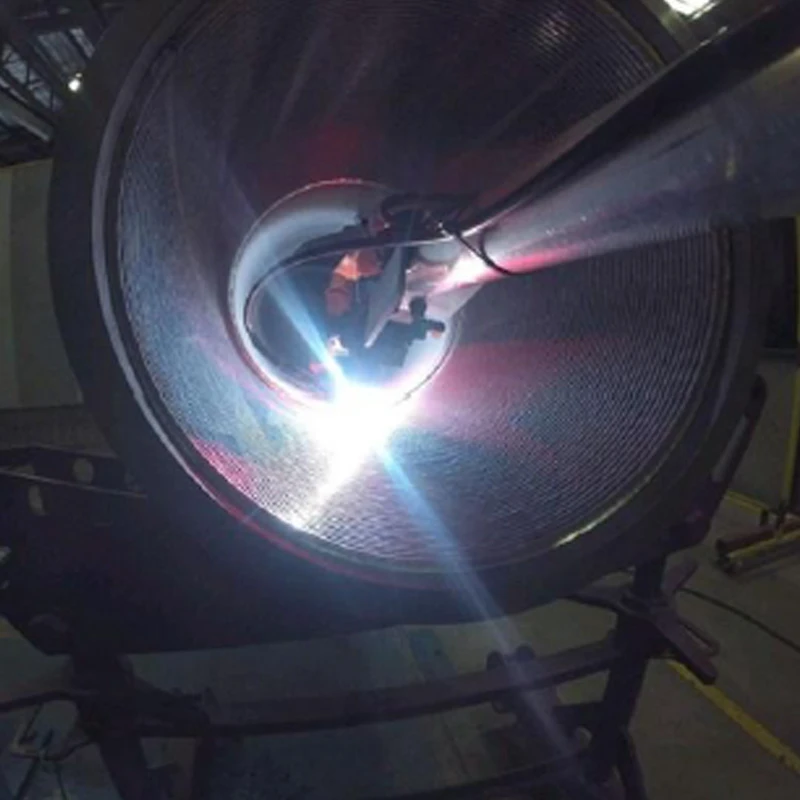
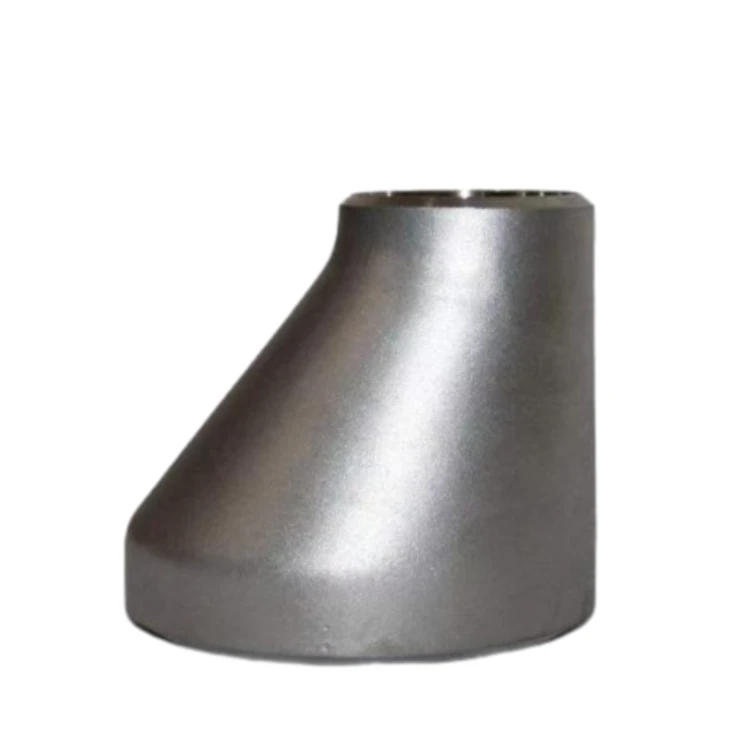
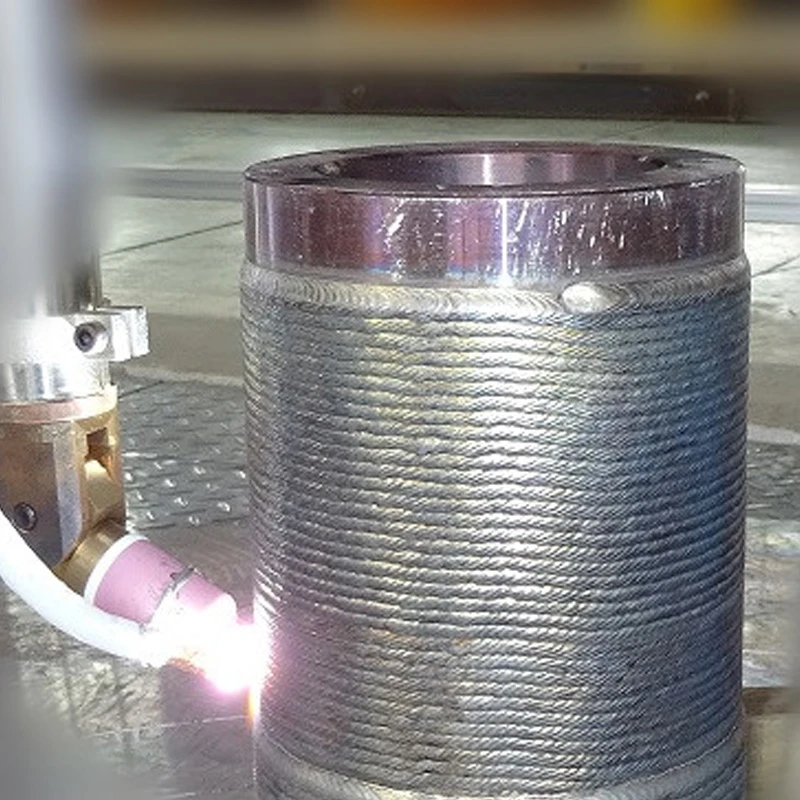
Overlay Welding Clad Steel Pipe
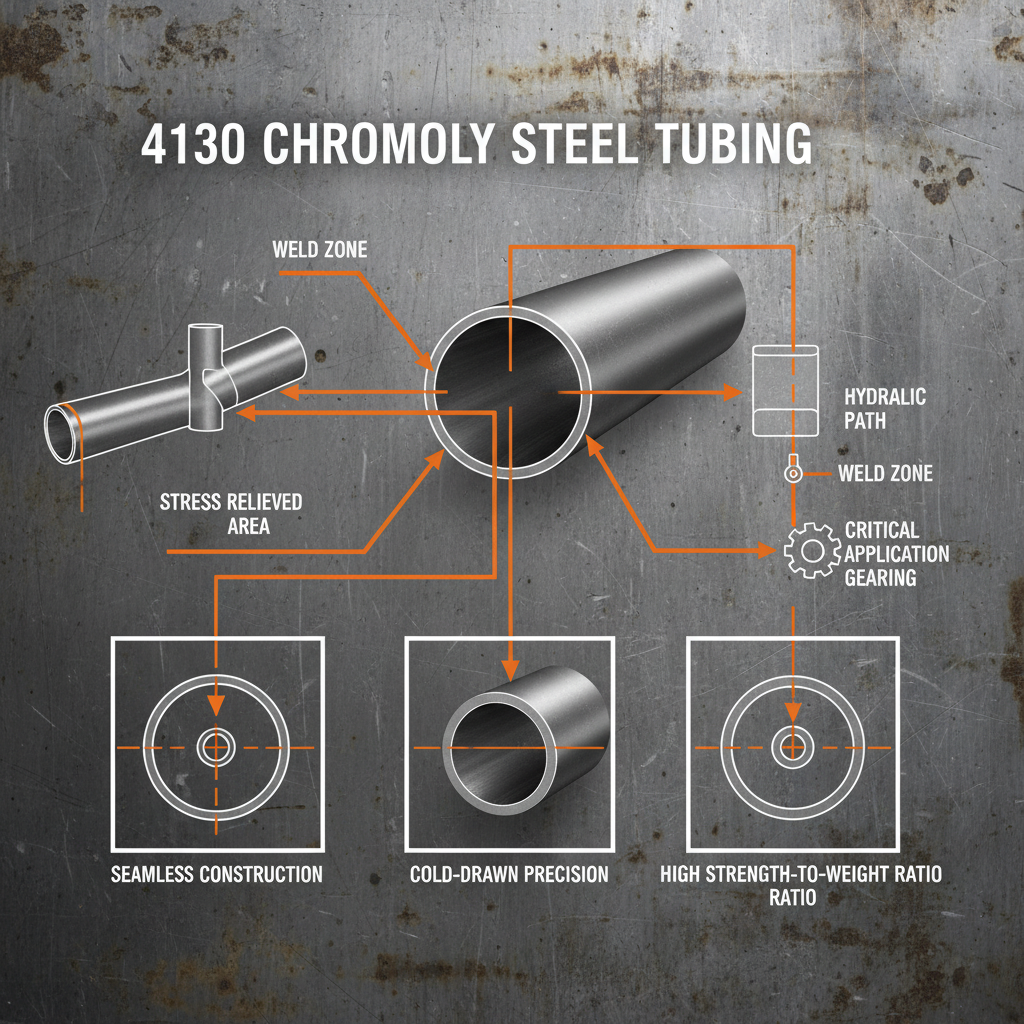
Ultimate Guide to 4130 Tubing Strength Performance and Applications
Properties and Industrial Applications of 4130 steel tubing
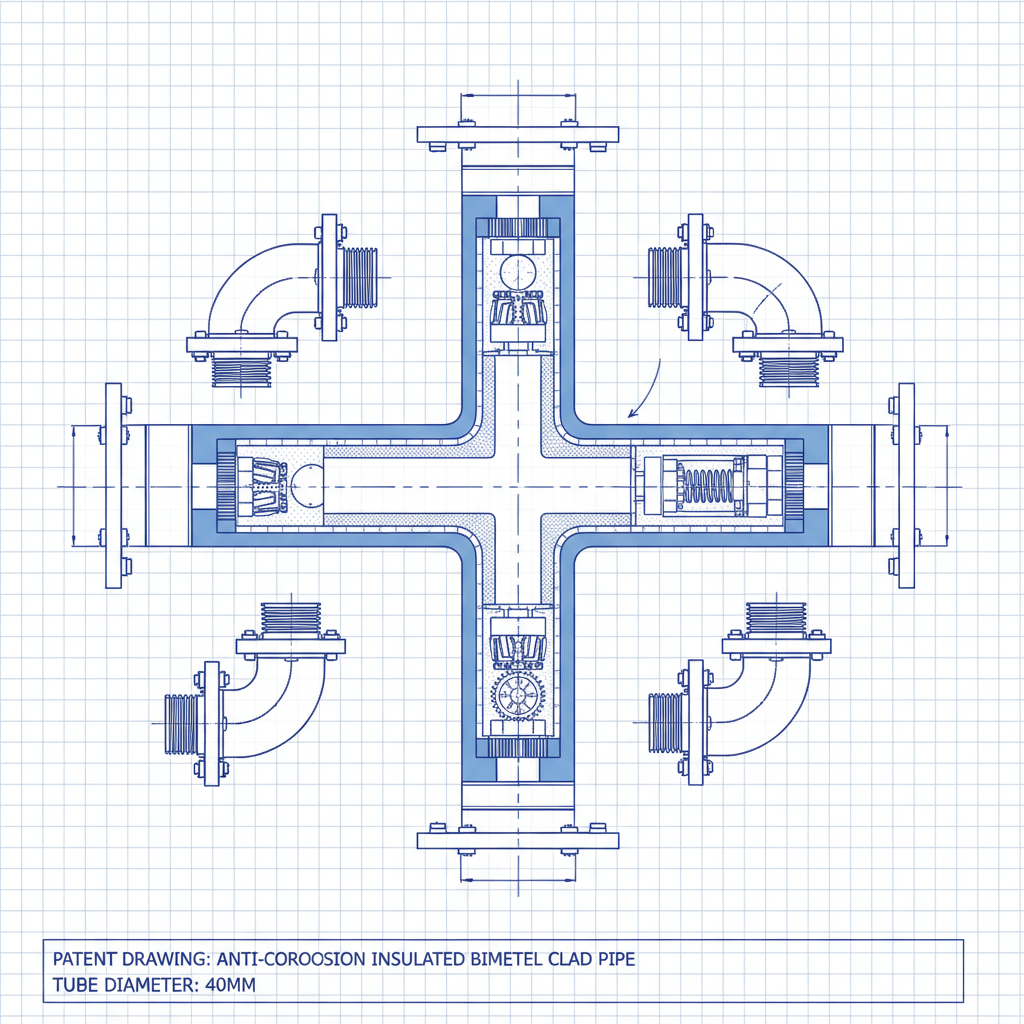
Comprehensive Guide to 40mm Steel Tube Applications and Material Selection
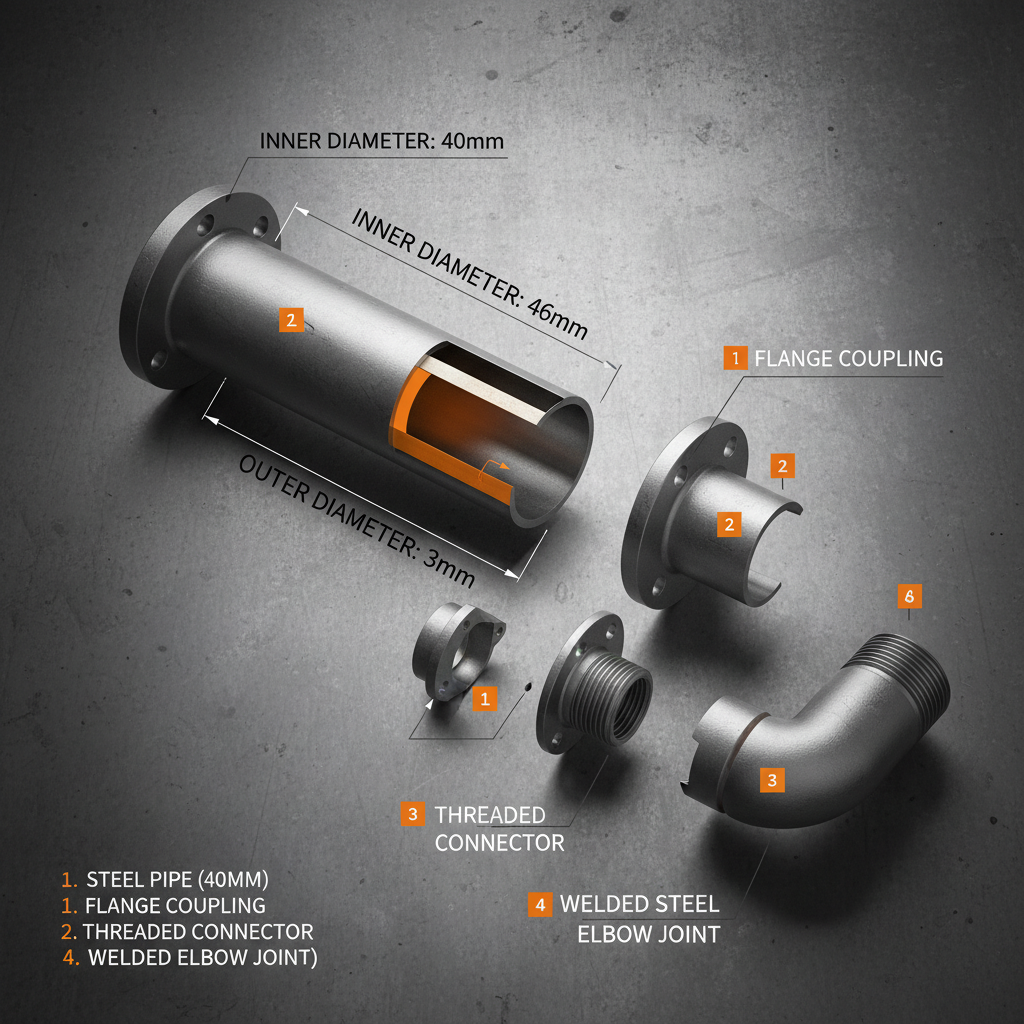
Comprehensive Guide to 40mm Steel Pipe Applications and Considerations
Comprehensive Guide to 40mm Metal Pipe Applications and Sourcing
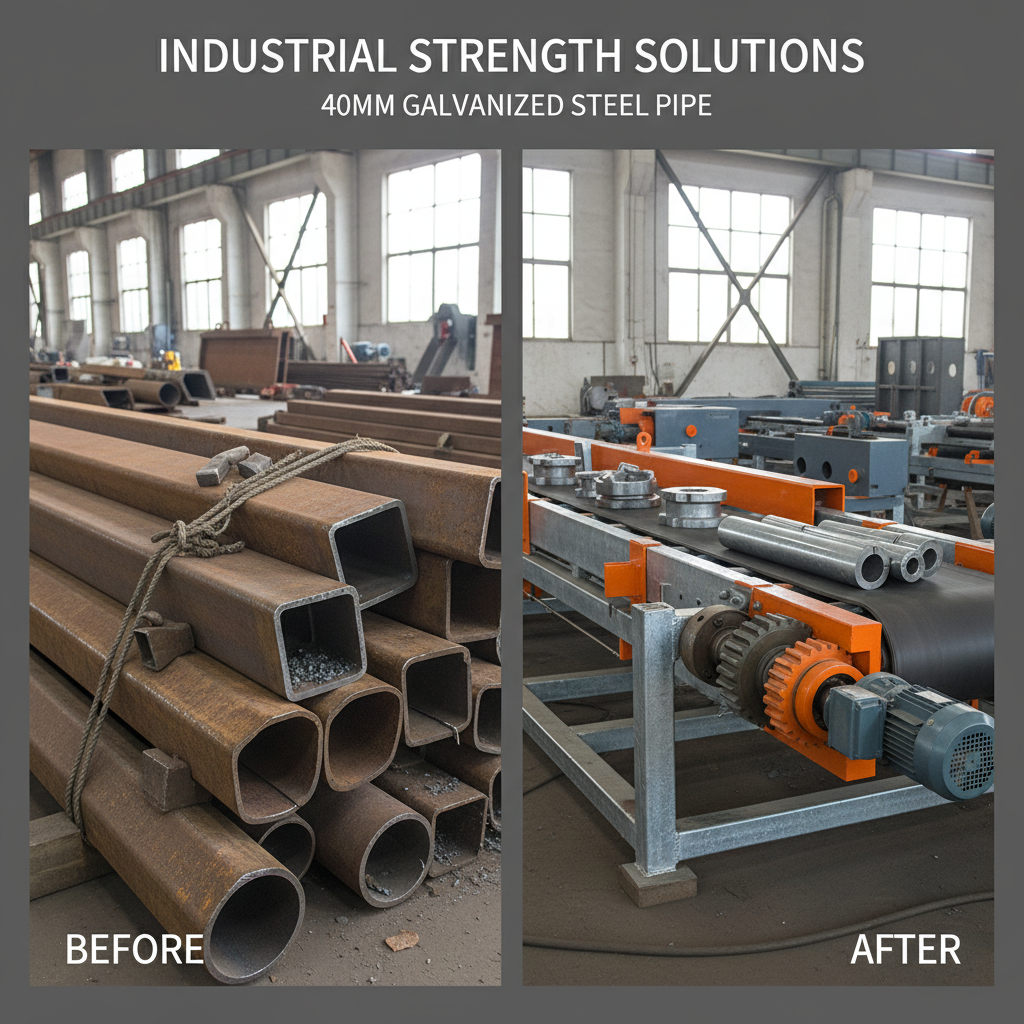
Comprehensive Guide to 40mm Galvanised Pipe Applications and Specifications