tel
Email
to top

Common Types of Pipe Fittings and Their Applications

ápr 14 2025
részesedés:

Pipe fittings serve as critical components in industrial, commercial, and residential piping systems, facilitating the efficient transport of liquids, gases, and other substances. These components are designed to connect, redirect, branch, or terminate pipelines while maintaining structural integrity and optimal flow conditions. Manufacturers produce fittings in various materials, sizes, and configurations to accommodate different pressure ratings, temperature conditions, and environmental factors. Among the most widely used materials are carbon steel, stainless steel, and black steel, each offering distinct advantages depending on the application.


Csőszerelvények for Directional Changes


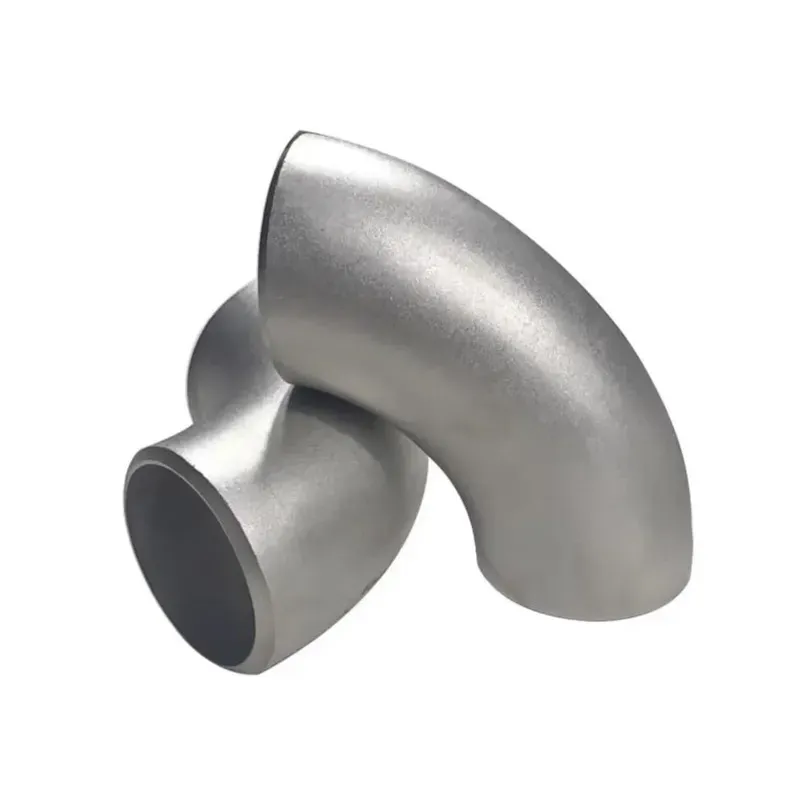
Altering the direction of pipeline systems is a fundamental requirement in many installations, and elbows are the most common solution for this purpose. These fittings are manufactured in standard angles, with 45-degree and 90-degree bends being the most prevalent. A black steel pipe elbow is frequently utilized in gas distribution and water supply systems due to its high strength and resistance to oxidation. Its uncoated surface makes it suitable for environments where paint or other protective layers are unnecessary or undesirable.


For applications requiring a sharper directional shift, a carbon steel 90-degree elbow is often the preferred choice. This fitting ensures minimal turbulence in the flow, reducing pressure drop and maintaining system efficiency. Carbon steel's durability makes it ideal for high-stress applications, including petrochemical plants and heavy industrial piping networks. Additionally, an elbow black steel fitting is commonly used in fire sprinkler systems and compressed air lines, where threaded connections provide secure joining without requiring welding.


Csőszerelvények for Branch Connections


When a pipeline must split into multiple directions, tee fittings become essential. These components allow for the division of flow while maintaining structural stability. A metal tee fitting is a versatile option, available in equal or unequal configurations depending on whether the branch line matches the diameter of the main pipeline. These fittings are widely used in plumbing, HVAC systems, and industrial process piping.


In environments where corrosion resistance is critical, such as chemical processing or marine applications, stainless steel tee fittings are the optimal choice. Their ability to withstand harsh chemicals and saline conditions ensures long-term reliability. Similarly, a stainless tee fitting is indispensable in the food, beverage, and pharmaceutical industries, where sanitary standards require smooth, non-reactive surfaces to prevent contamination. These fittings are often polished to meet strict hygiene regulations while maintaining durability under frequent cleaning and sterilization.


Csőszerelvények for Termination and Size Adjustment


Sealing the end of a pipeline is necessary for maintenance, pressure testing, or system modifications. Steel caps for pipes provide a secure closure, preventing debris ingress and pressure loss. Threaded variants, such as a threaded steel cap, allow for easy removal and reinstallation, making them suitable for systems that require periodic inspection or cleaning. A threaded steel pipe cap is particularly useful in high-pressure applications, where a tight seal is crucial to prevent leaks.


In addition to termination, adjusting pipe diameters is often necessary to accommodate different flow rates or equipment connections. A carbon steel reducer serves this purpose by joining pipes of differing sizes while maintaining a smooth transition to minimize turbulence. These fittings are commonly used in pump inlets, compressor lines, and other systems where pressure and velocity regulation are essential. Concentric and eccentric reducers are available, with the latter being particularly useful in preventing air pocket formation in horizontal pipelines.


Pipe fittings play a fundamental role in ensuring the proper functioning and longevity of piping systems across various industries. From redirecting flow with black steel pipe elbow and carbon steel 90 degree elbow fittings to creating branch connections using stainless steel tee fittings, each component serves a distinct purpose in maintaining system integrity. The selection of appropriate fittings directly impacts the efficiency, safety, and maintenance requirements of the entire pipeline network.


When designing or modifying piping systems, engineers must carefully consider termination and size adjustment solutions such as threaded steel pipe caps and carbon steel reducer fittings. These components not only provide necessary functionality but also contribute to the overall reliability of fluid transport systems. By understanding the specific applications and advantages of different fitting types, professionals can optimize pipeline performance while meeting industry standards and operational demands.
 

Common Types of Pipe Fittings and Their Applications


  • Mechanical Clad Steel Pipe

    Mechanical Clad Steel Pipe

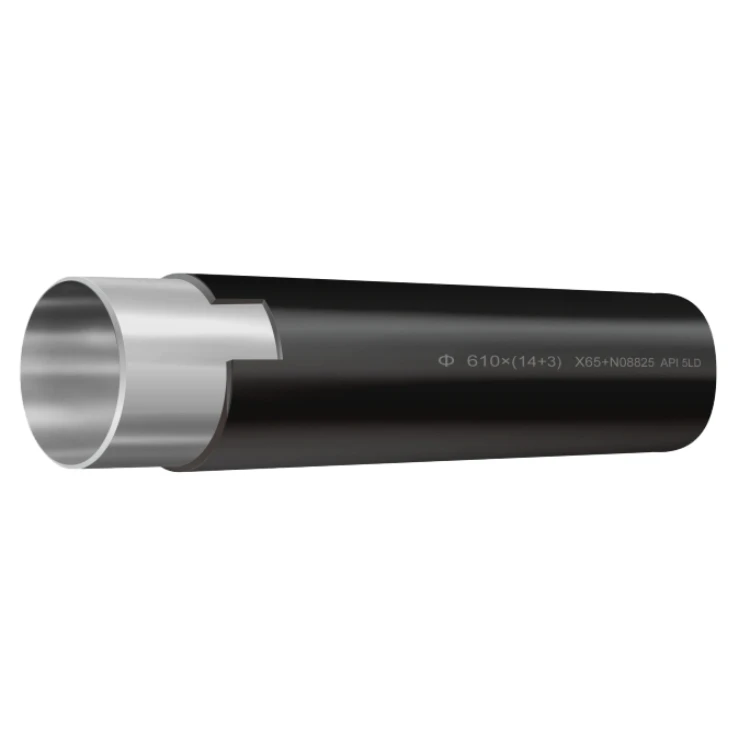
    Mechanical clad steel pipe (MCSP) is a kind of high-performance pipe, which is specially designed for demanding industrial applications. Combining the durability and strength of steel with advanced composite materials, MCSP provides enhanced corrosion resistance, high pressure and extreme temperatures.
    AZ ÖSSZES MEGTEKINTÉSE
  • Tee Pipe

    Tee Pipe

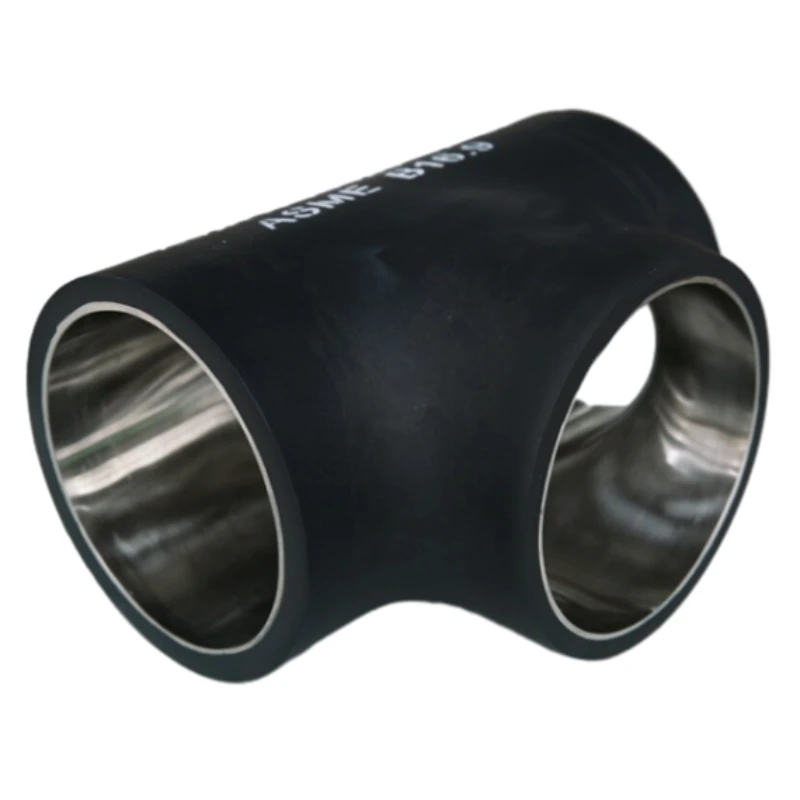
    Tee products are essential pipe fittings used to connect three sections of piping, forming a "T" shape. Available in various materials like carbon steel, stainless steel, and alloy steel, they are designed for use in systems requiring the diversion or junction of fluid flow.
    AZ ÖSSZES MEGTEKINTÉSE
  • Anti Corrosion And Thermal Insulation Products

    Korróziógátló és hőszigetelő termékek
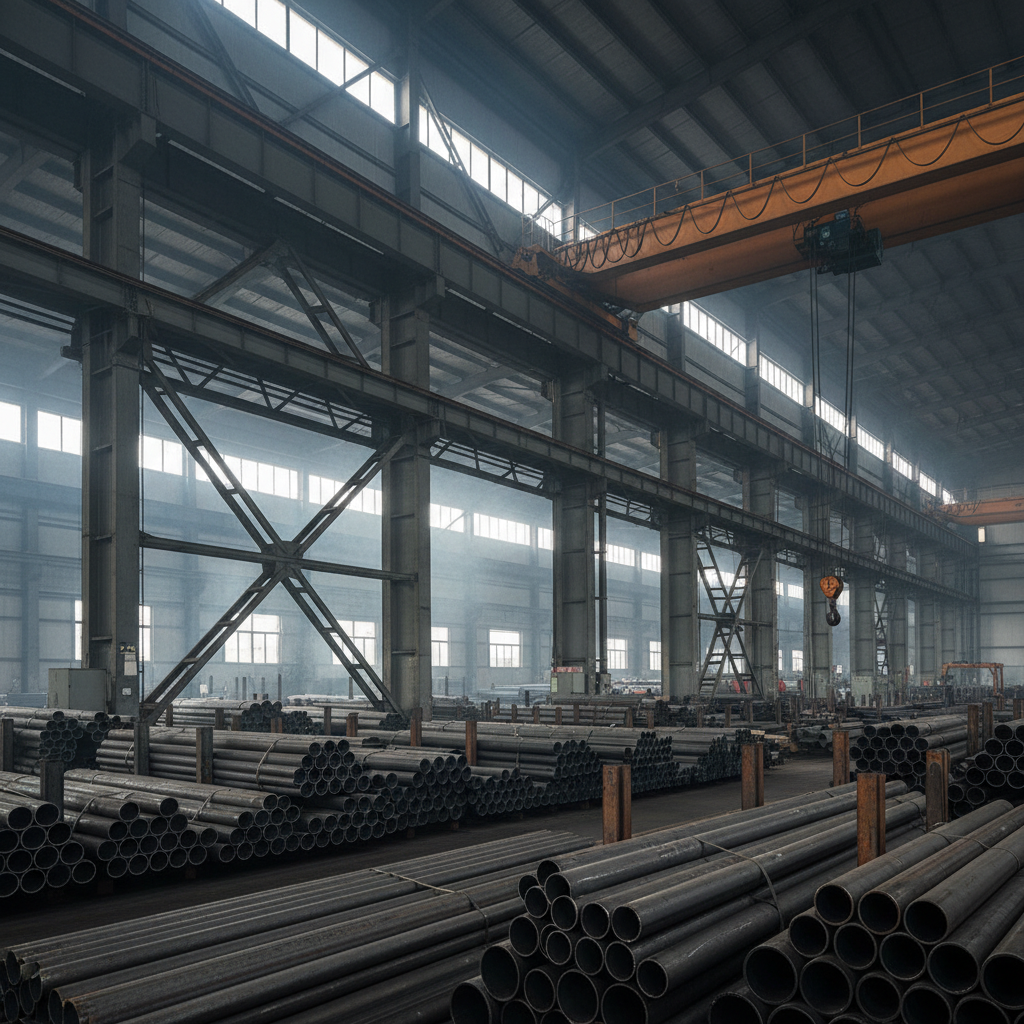
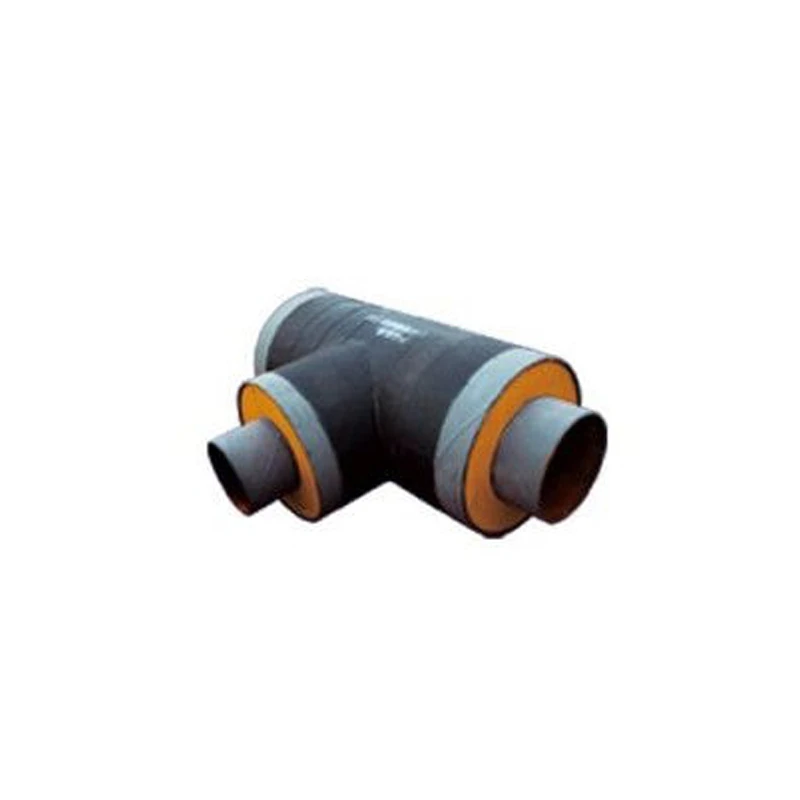
    Az általunk gyártott korróziógátló és hőszigetelő termékek kiemelt szerepet töltenek be az ipari csővezetékrendszerben, különös tekintettel a hőszigetelő csőszerelvényekre és acélcsövekre. A hőszigetelő csőszerelvények könyököket, pólókat, szűkítőket és csőtartókat foglalnak magukban, DN15-től DN1800-ig terjedő specifikációkkal, és szénacélból, ötvözött acélból, rozsdamentes acélból, bimetál kompozitból, nikkel alapú ötvözetből és egyéb anyagokból készülnek.
    AZ ÖSSZES MEGTEKINTÉSE
Értéket teremteni az ügyfelek számára!
A Cangzhou Leo Technology Co., Ltd. a Mengcun megyei gazdaságfejlesztési zónában található, Cangzhou városában, Hebei tartományban. Ez egy speciális high-tech vállalkozás, amely integrálja a kompozit csövek és szerelvények kutatását és fejlesztését, gyártását és értékesítését.
Hír
A vállalat a termékminőséget a vállalkozás életének tekinti, megbízható minőségirányítási rendszert hoz létre az ipari és nemzeti szabványok követelményeinek megfelelően, a teljes folyamatban ellenőrzi a bemenet és a kimenet minden aspektusát, minden részletre odafigyel, és biztosítja, hogy a termék szállítási aránya 100%.
Properties and Industrial Applications of 4130 steel tubing
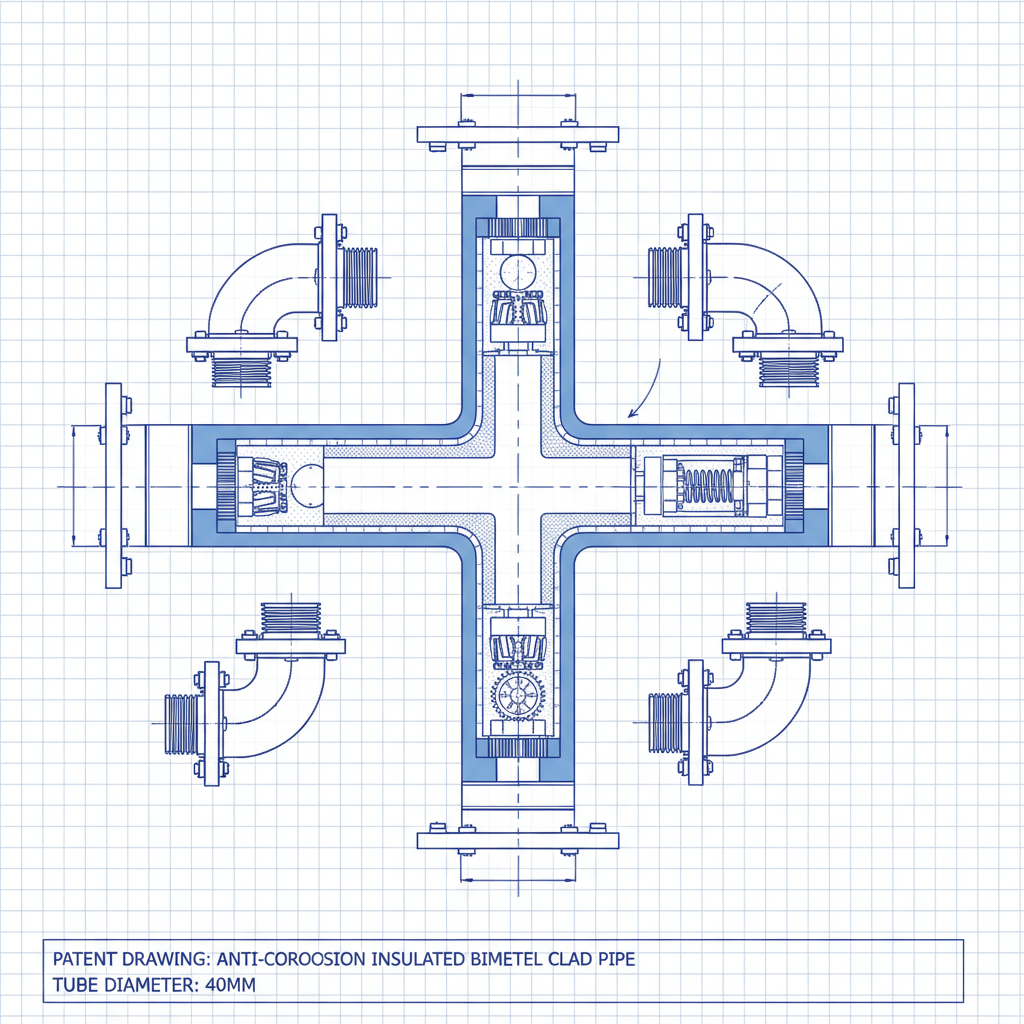
Properties and Industrial Applications of 4130 steel tubing

In the world of high-performance engineering, material selection is the foundation of safety and efficiency. 4130 steel tubing is widely recognized as the gold standard for applications requiring an exceptional strength-to-weight ratio. Known for its versatility and reliability, this chromium-molybdenum alloy is the preferred choice for everything from aircraft frames to professional roll cages. Understanding the nuances of this material allows engineers to optimize structural integrity without adding unnecessary bulk. In this comprehensive guide, we will explore why this specific alloy remains a top choice for critical industrial and aerospace components.
Comprehensive Guide to 40mm Steel Tube Applications and Material Selection
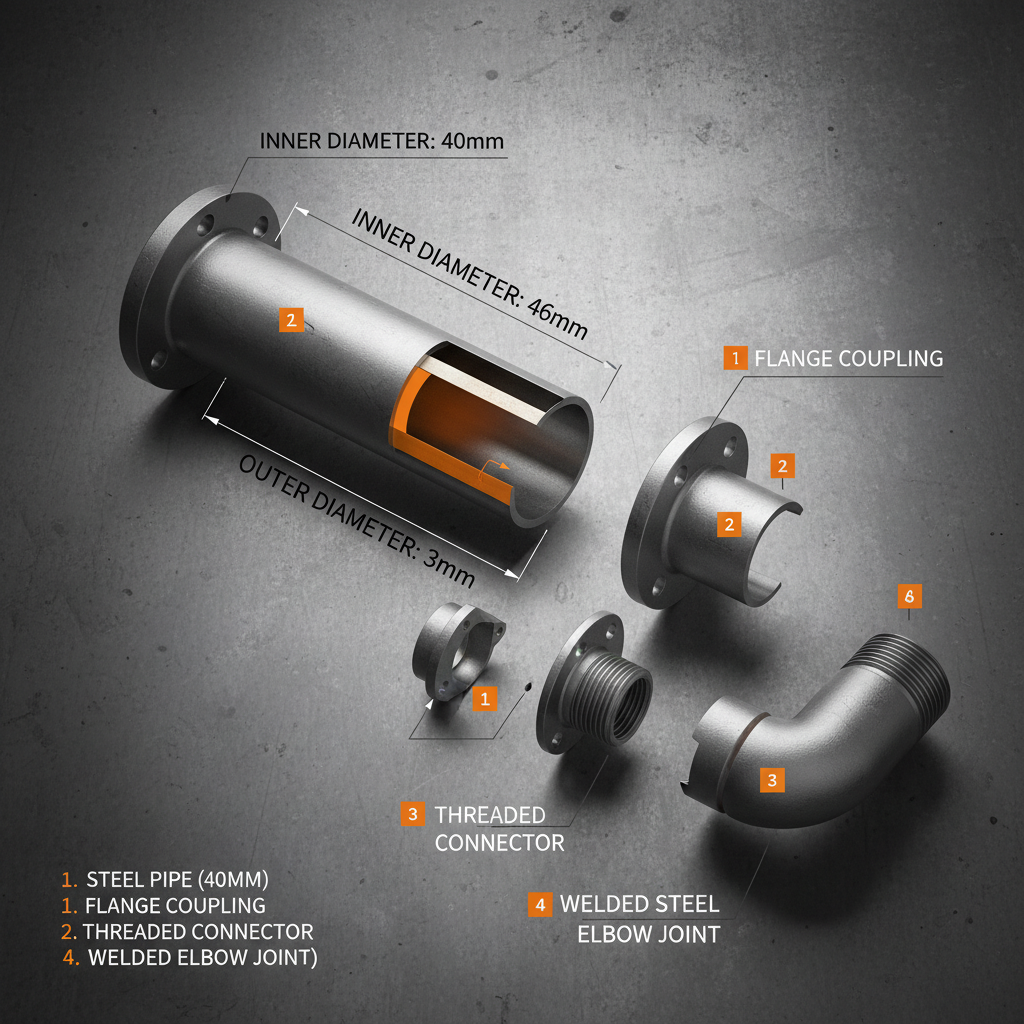
Comprehensive Guide to 40mm Steel Tube Applications and Material Selection

40mm steel tube is a versatile and widely used material in various industries, from construction and manufacturing to automotive and beyond. Its strength, durability, and cost-effectiveness make it an ideal choice for numerous applications. This article will delve into the characteristics, applications, benefits, and considerations when working with 40mm steel tube, providing a comprehensive overview for professionals and anyone interested in this essential material.
Comprehensive Guide to 40mm Steel Pipe Applications and Considerations
Comprehensive Guide to 40mm Steel Pipe Applications and Considerations

40mm steel pipe is a widely used material in various industries due to its strength, durability, and cost-effectiveness. From construction and infrastructure projects to industrial applications and fluid transportation, this pipe size offers a versatile solution. This article will delve into the properties, applications, standards, and key considerations when selecting 40mm steel pipe, helping you make informed decisions for your specific needs.
Comprehensive Guide to 40mm Metal Pipe Applications and Sourcing
Comprehensive Guide to 40mm Metal Pipe Applications and Sourcing

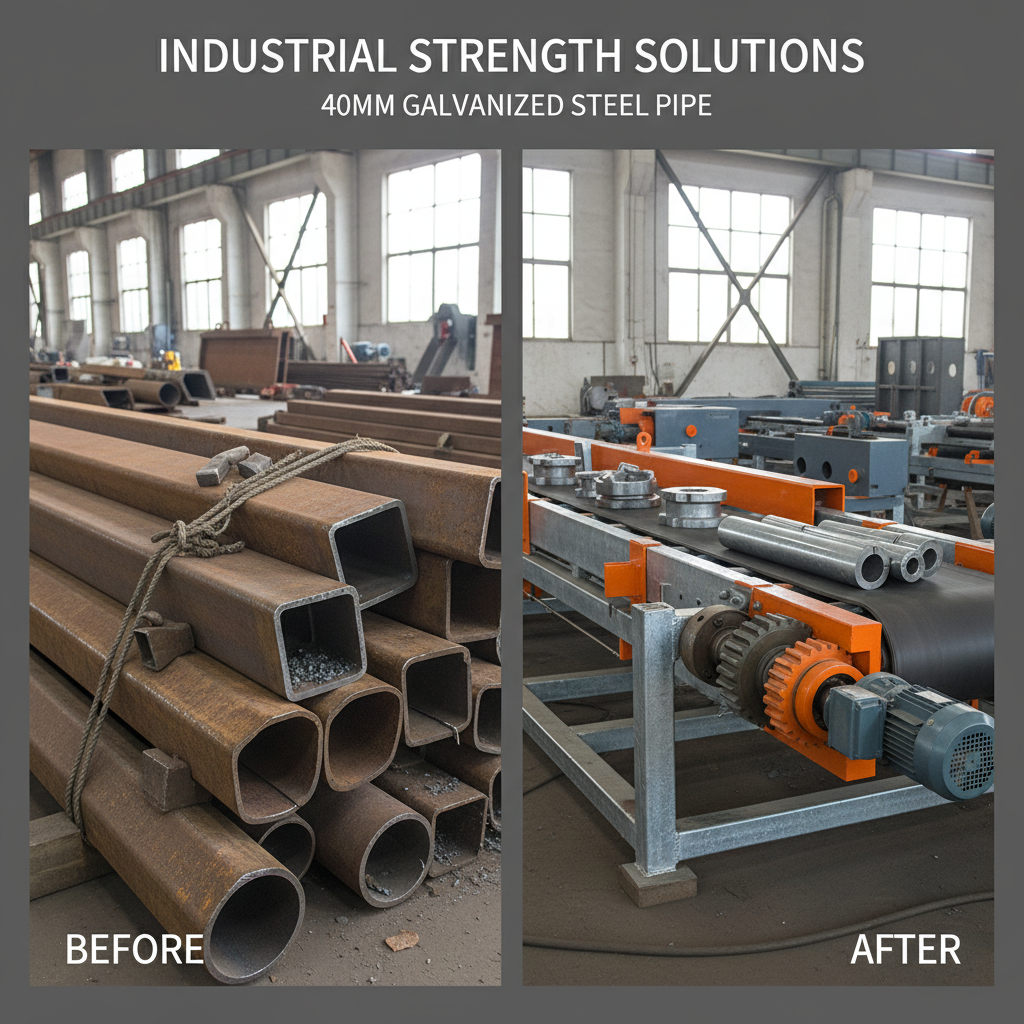
40mm metal pipe is a crucial component in a wide array of industries, from construction and plumbing to industrial manufacturing and fluid transport. Its strength, durability, and versatility make it a preferred material for countless applications. This article will delve into the specifics of 40mm metal pipe, exploring its various types, common uses, benefits, and where to source high-quality piping solutions.
Comprehensive Guide to 40mm Galvanised Pipe Applications and Specifications
Comprehensive Guide to 40mm Galvanised Pipe Applications and Specifications

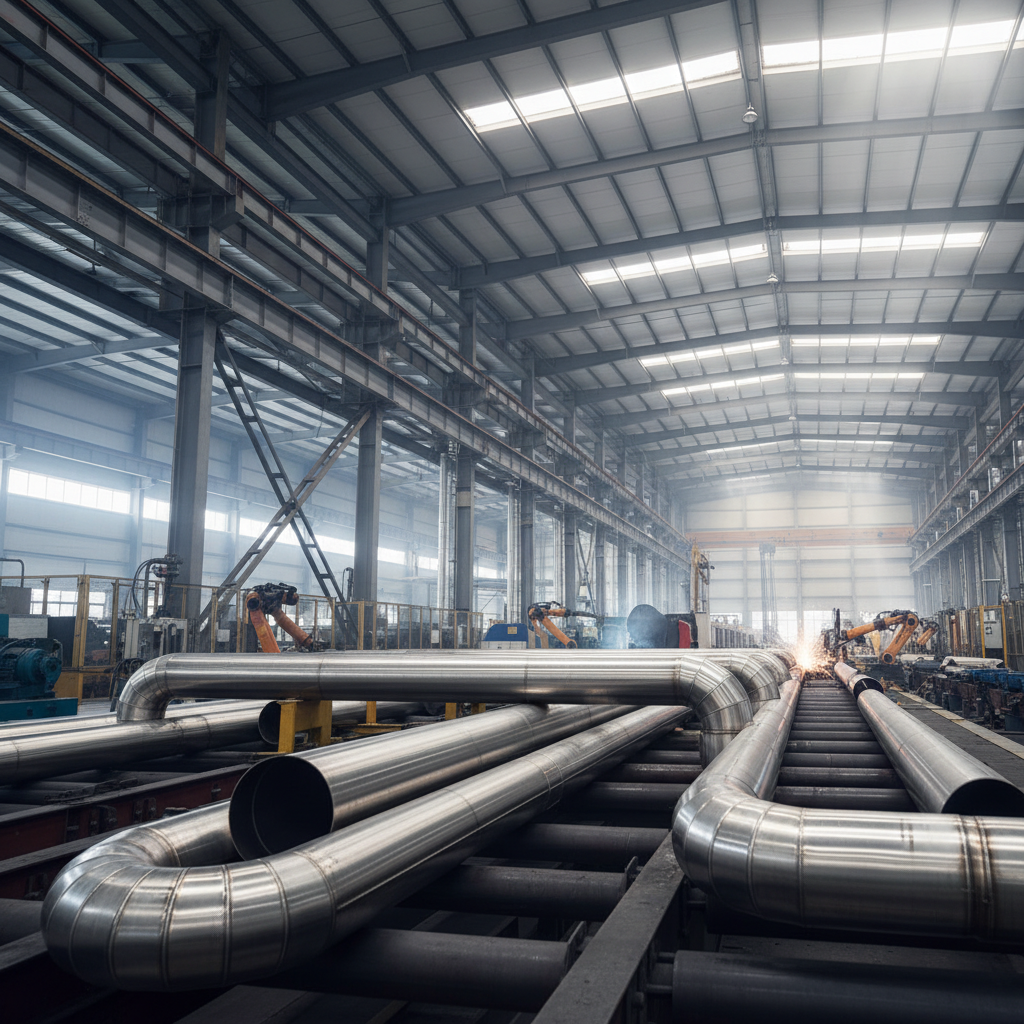
When planning a plumbing, structural, or industrial project, selecting the right piping material is crucial. 40mm galvanised pipe is a widely used option known for its strength, durability, and corrosion resistance. This article provides a detailed overview of 40mm galvanised pipes, exploring their applications, benefits, specifications, and considerations for optimal usage. We'll cover everything from what galvanisation is to how to choose the right pipe for your specific needs.
Comprehensive Guide to 409 Stainless Steel Exhaust Pipe Applications and Benefits

Comprehensive Guide to 409 Stainless Steel Exhaust Pipe Applications and Benefits

When selecting materials for exhaust systems, especially in industries demanding durability and corrosion resistance, 409 stainless steel exhaust pipe emerges as a leading solution. Known for its affordability and suitable performance in various applications, it’s a popular choice for automotive, truck, and industrial exhaust systems. This article delves into the properties, benefits, applications, and considerations when choosing 409 stainless steel exhaust pipe, providing valuable insights for engineers, purchasers, and anyone involved in exhaust system design and manufacturing. Understanding the nuances of this material is key to ensuring long-lasting and reliable exhaust solutions. 409 stainless steel is an austenitic stainless steel containing approximately 11.5% chromium. This chromium content provides excellent resistance to oxidation and corrosion, particularly in mildly corrosive environments. Unlike higher-grade stainless steels (like 304 or 316), 409 has a lower chromium content and typically includes titanium for stabilization. This stabilization prevents carbide precipitation during welding, enhancing its weldability and corrosion resistance in the heat-affected zone. It's often chosen for applications where cost-effectiveness is critical, and the extreme corrosion resistance of higher alloys isn't required.
tel email tel top

Ha felkeltette érdeklődését termékeink, itt hagyhatja adatait, és hamarosan felvesszük Önnel a kapcsolatot.