tel
Email
to top

Flange Varieties: Unveiling the Diverse World of Pipe and Plumbing Connections

jul 16 2025
dele:

Flanges are integral components in piping systems, playing a crucial role in joining pipes, valves, pumps, and other equipment. They provide a secure and leak - proof connection, ensuring the smooth flow of fluids and gases. The different types of flanges, including loose flangeloose toilet flangemale and female flangemale female flange, and manifold flange, each have unique characteristics and applications that are essential to understand for various industries and plumbing projects.
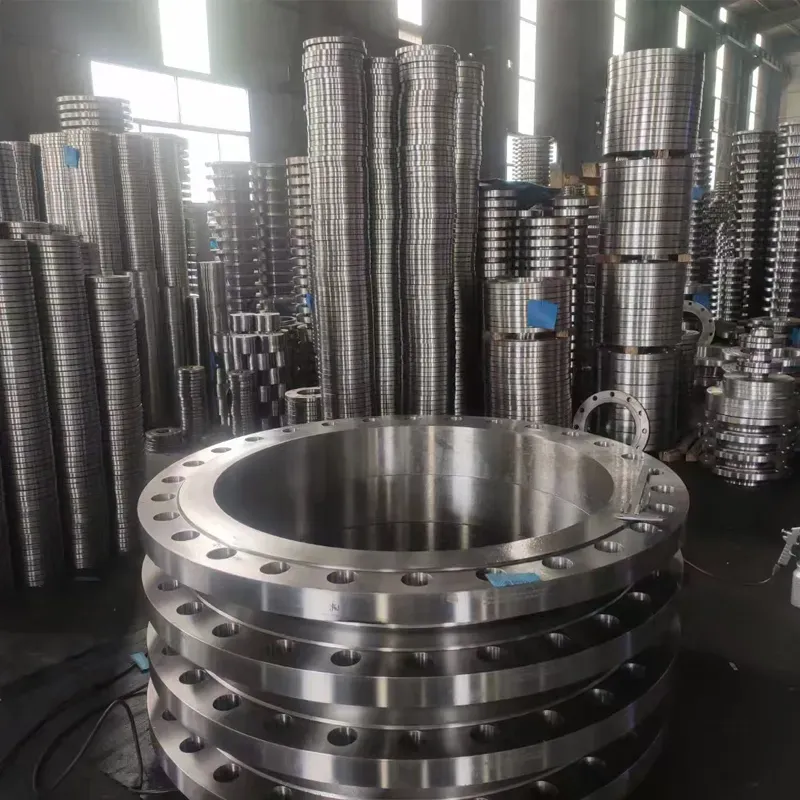
 

Flange Varieties: Unveiling the Diverse World of Pipe and Plumbing Connections


The Adaptability of Loose Flanges


In the realm of piping systems, the loose flange stands out for its flexibility and ease of installation. Unlike other fixed - type flanges, a loose flange is not directly welded or threaded onto the pipe. Instead, it is allowed to rotate freely around the pipe, which makes it particularly useful when aligning bolt holes during assembly. This feature is especially handy in situations where pipes may be subject to thermal expansion and contraction. For instance, in industrial heating systems, where pipes can expand significantly when heated, a loose flange can accommodate the movement without putting excessive stress on the connection. Its design also allows for quick replacement of gaskets, reducing downtime during maintenance.


Addressing Loose Toilet Flange Issues


loose toilet flange can be a common plumbing problem that homeowners encounter. When a toilet flange becomes loose, it can cause the toilet to rock, leading to leaks at the base. This is not only a nuisance but can also cause water damage to the floor and subfloor. A loose toilet flange can occur due to several reasons, such as improper installation, wear and tear over time, or shifting of the floor. To fix a loose toilet flange, the first step is to remove the toilet carefully. Then, the flange is inspected for any damage. If the flange is simply loose, it can be tightened using bolts or screws. In some cases, if the flange is damaged, it may need to be replaced entirely. Special attention must be paid to ensuring a proper seal when reinstalling the toilet to prevent future leaks.


The Interplay of Male and Female Flanges


Male and female flanges, also referred to as male female flange, work in tandem to create a secure connection. The male flange has a protruding spigot, while the female flange has a recessed socket. When these two flanges are joined, the spigot of the male flange fits snugly into the socket of the female flange, creating a tight seal. This type of flange connection is often used in high - pressure and high - temperature applications where a reliable seal is crucial. For example, in oil refineries, where the flow of hot and pressurized oil and gas needs to be controlled, male and female flanges are commonly employed. The precise fit of the male and female components helps prevent leaks and ensures the integrity of the piping system.


The Functionality of Manifold Flanges


Manifold flanges serve a vital purpose in distributing fluids or gases to multiple outlets. A manifold is essentially a central hub with multiple branches, and the manifold flange is used to connect the main pipe to the various branches. These flanges are designed to handle the distribution of flow efficiently while maintaining a secure connection. In a heating, ventilation, and air - conditioning (HVAC) system, for example, a manifold flange can be used to direct the flow of heated or cooled air to different parts of a building. They are often made from durable materials such as stainless steel or carbon steel to withstand the pressure and temperature variations within the system.


FAQs about Flange Types


How to Prevent a Loose Toilet Flange?


To prevent a loose toilet flange, proper installation is key. Ensure that the flange is firmly attached to the floor and the pipe during installation. Use the appropriate bolts or screws and make sure they are tightened adequately. Additionally, avoid excessive movement or rocking of the toilet, as this can loosen the flange over time. Regularly check the toilet for any signs of instability and address any issues promptly.


What Are the Advantages of Male and Female Flanges over Other Types?


The main advantage of male and female flanges is their ability to provide a highly secure and leak - proof connection. The interlocking design of the male spigot and female socket creates a tight seal, which is ideal for high - pressure and high - temperature applications. They also offer better alignment during installation compared to some other types of flanges, reducing the risk of misalignment and potential leaks.


Can Loose Flanges Be Used in High - Pressure Systems?


While loose flanges offer flexibility, they are generally not recommended for high - pressure systems. High - pressure systems require flanges that can withstand the significant forces exerted on the connection. Fixed - type flanges, such as weld neck or slip - on flanges, are more suitable for high - pressure applications as they provide a more rigid and secure connection. However, in low - pressure or non - critical applications, loose flanges can be a viable option.


How to Select the Right Manifold Flange for a Project?


When selecting a manifold flange, consider factors such as the pressure and temperature ratings of the system, the type of fluid or gas being transported, and the number of outlets required. Ensure that the flange material is compatible with the substance in the system to prevent corrosion. Also, check the flange dimensions and bolt patterns to ensure a proper fit with the existing piping and equipment.


Are There Any Special Installation Requirements for Male and Female Flanges?


Yes, when installing male and female flanges, it is crucial to ensure proper alignment of the male spigot and female socket. The surfaces of both flanges should be clean and free of debris or contaminants to ensure a tight seal. Use the appropriate gaskets and torque the bolts evenly to the recommended specifications to avoid over - tightening or under - tightening, which can lead to leaks.
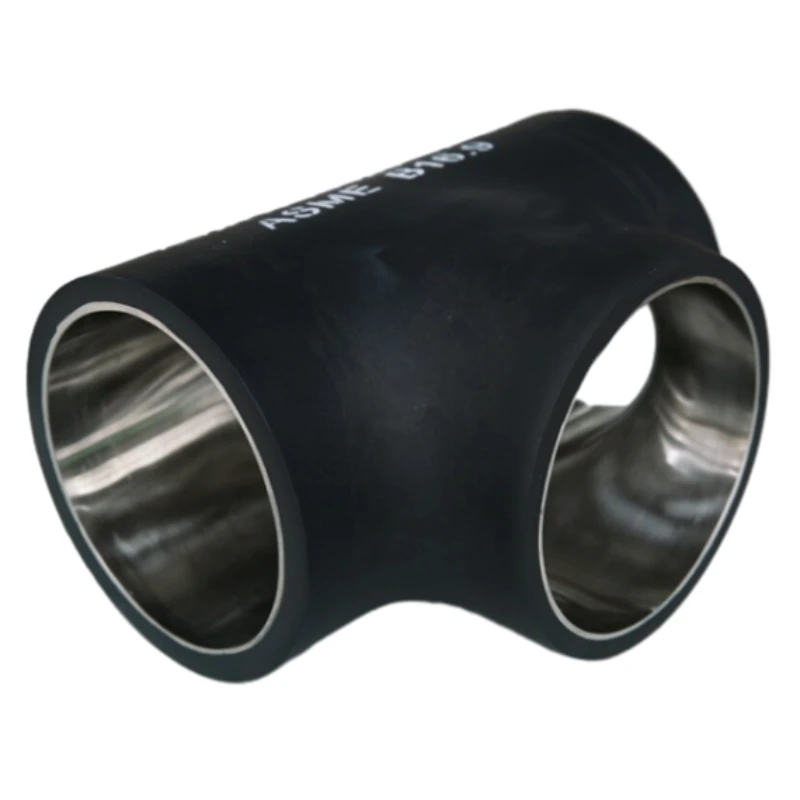
  • Tee Pipe

    Tee Pipe

    Tee products are essential pipe fittings used to connect three sections of piping, forming a "T" shape. Available in various materials like carbon steel, stainless steel, and alloy steel, they are designed for use in systems requiring the diversion or junction of fluid flow.
    SE ALLE
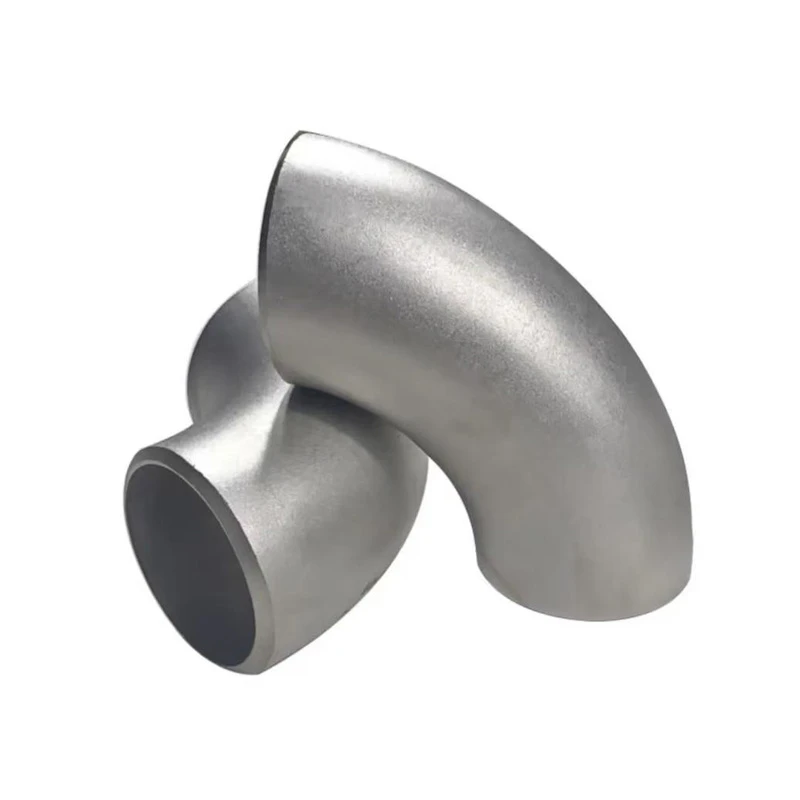
  • Elbow

    Albue

    Carbon Steel &stainless Steel Elbow Elbows are pipe fittings used to change the direction of pipelines in piping systems, commonly employed at pipeline bends. They are widely used in industries such as petroleum, chemical, and power. The common size range for elbows is DN15-DN2000, and typical angles include 45°, 90°, and 180°.
    SE ALLE
  • Pipe Cap

    Rørkappe

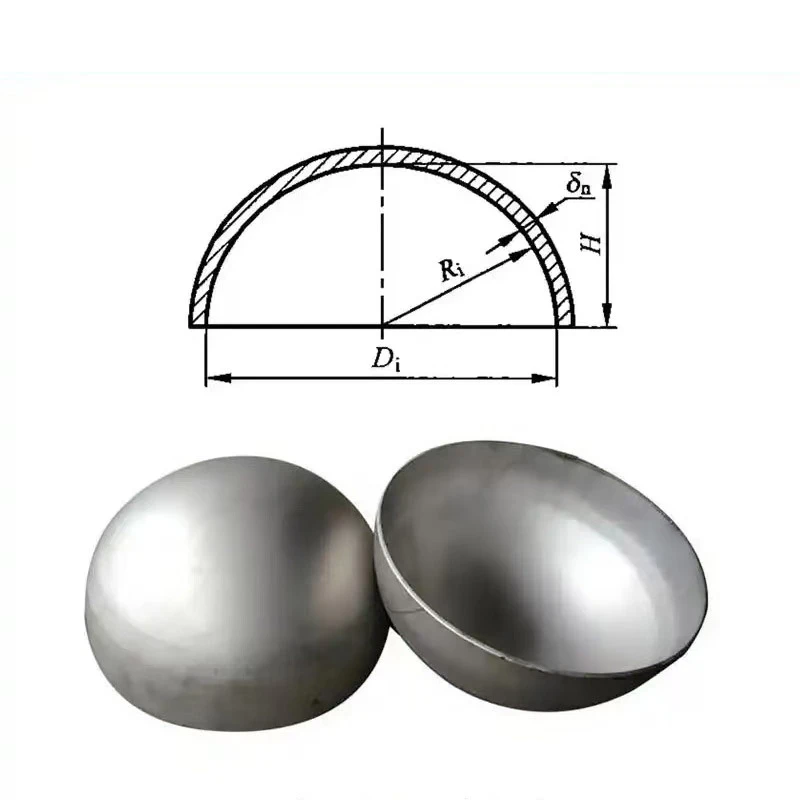
    Pipe caps come in different shapes, including round, square, and oval, and can be designed for both threaded and welded connections. They ensure the integrity of piping systems during transportation, storage, and installation by protecting the pipe ends from dirt, debris, and environmental factors. Durable and easy to install, pipe caps are critical for maintaining system efficiency and safety.
    SE ALLE
At skabe værdi for kunderne!
Cangzhou Leo Technology Co., Ltd. er beliggende i Mengcun County Economic Development Zone, Cangzhou City, Hebei-provinsen. Det er en specialiseret højteknologisk virksomhed, der integrerer forskning og udvikling, produktion og salg af kompositrør og fittings.
Nyheder
Virksomheden betragter produktkvalitet som virksomhedens levetid, etablerer et solidt kvalitetsstyringssystem i overensstemmelse med kravene i industrien og nationale standarder, kontrollerer alle aspekter af input og output i hele processen, er opmærksom på alle detaljer og sikrer, at produktleveringsbeståelsesraten er 100%.
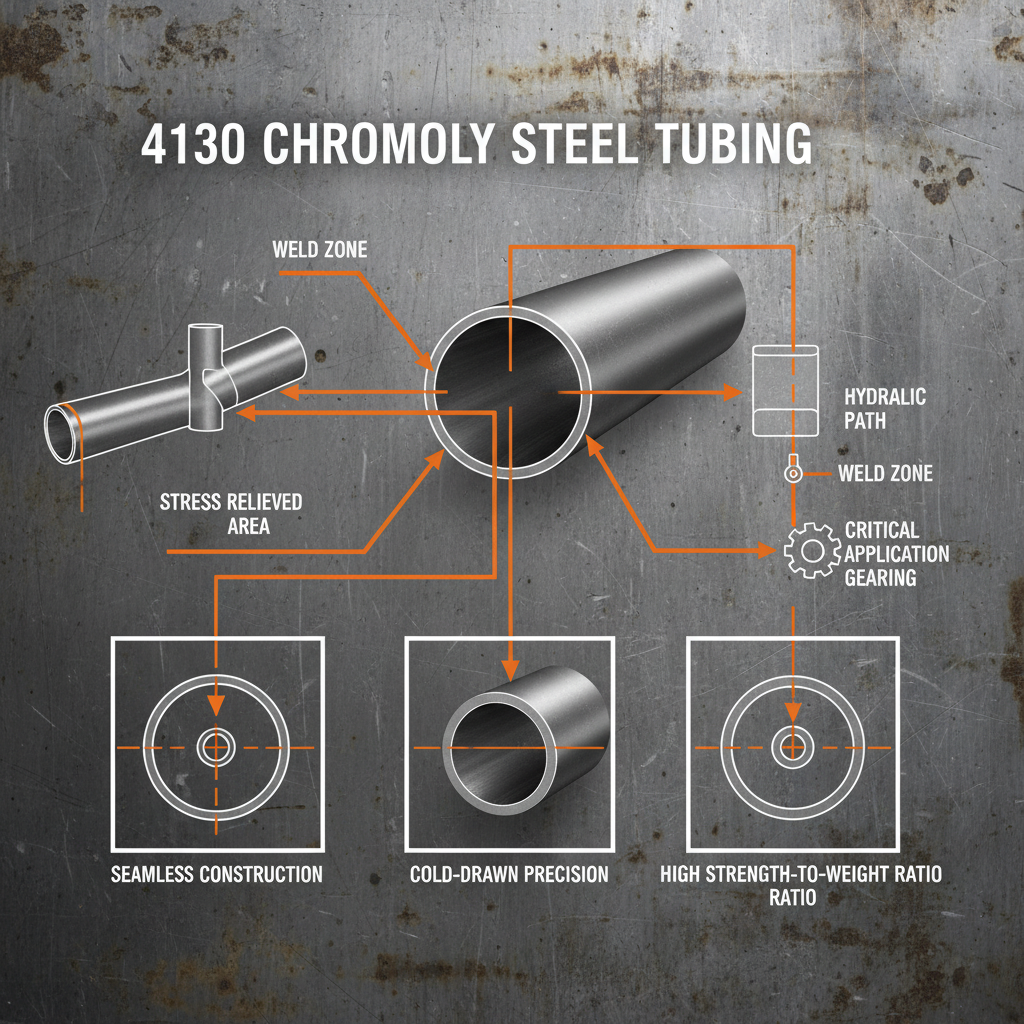
Ultimate Guide to 4130 Tubing Strength Performance and Applications
Ultimate Guide to 4130 Tubing Strength Performance and Applications

In the world of high-performance engineering, material selection is the foundation of safety and efficiency. 4130 tubing is widely regarded as the gold standard for applications requiring an exceptional strength-to-weight ratio. This chrome-molybdenum alloy steel is engineered to withstand extreme stress while remaining lightweight enough for aerospace and automotive use. Whether you are designing a roll cage, a bicycle frame, or a critical industrial component, understanding the nuances of this material is essential. In this comprehensive guide, we will explore why this specific alloy is preferred by engineers worldwide and how to choose the right specifications for your project.
Properties and Industrial Applications of 4130 steel tubing
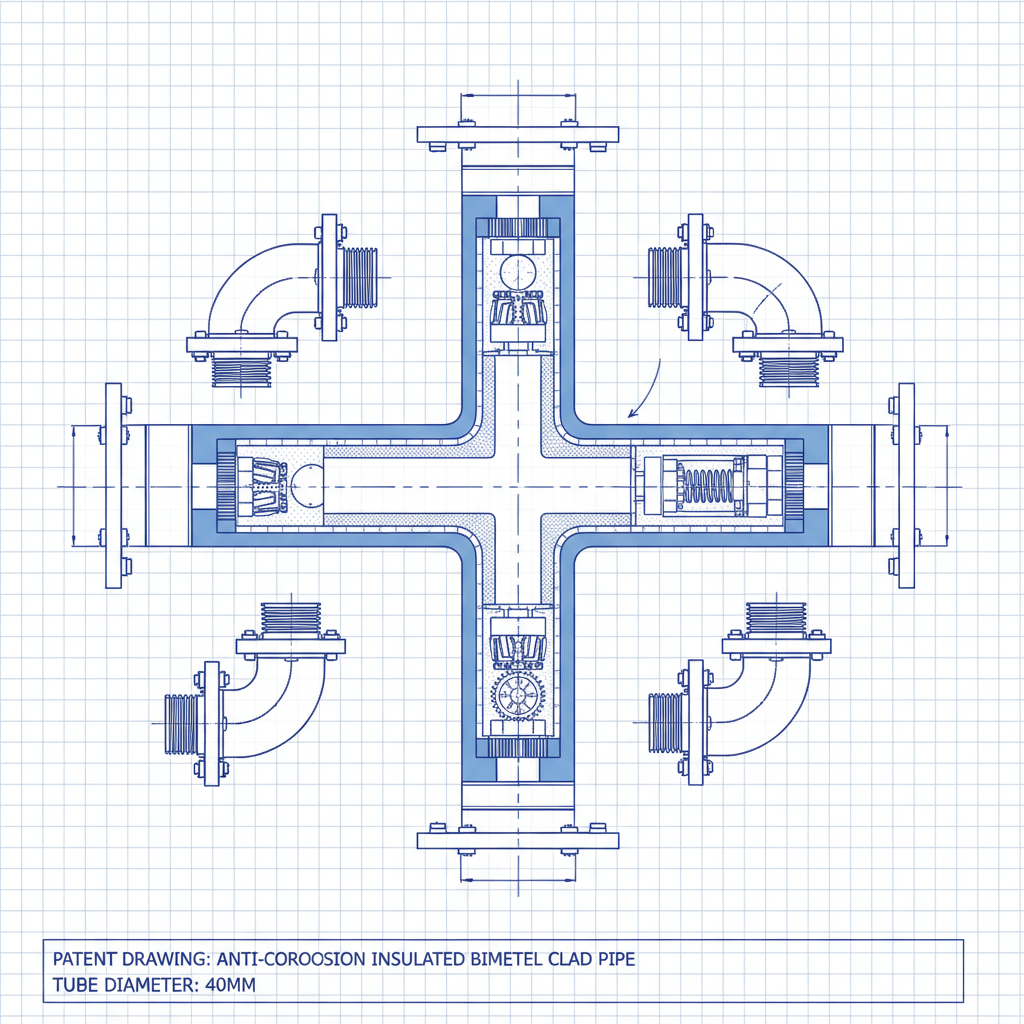
Properties and Industrial Applications of 4130 steel tubing

In the world of high-performance engineering, material selection is the foundation of safety and efficiency. 4130 steel tubing is widely recognized as the gold standard for applications requiring an exceptional strength-to-weight ratio. Known for its versatility and reliability, this chromium-molybdenum alloy is the preferred choice for everything from aircraft frames to professional roll cages. Understanding the nuances of this material allows engineers to optimize structural integrity without adding unnecessary bulk. In this comprehensive guide, we will explore why this specific alloy remains a top choice for critical industrial and aerospace components.
Comprehensive Guide to 40mm Steel Tube Applications and Material Selection
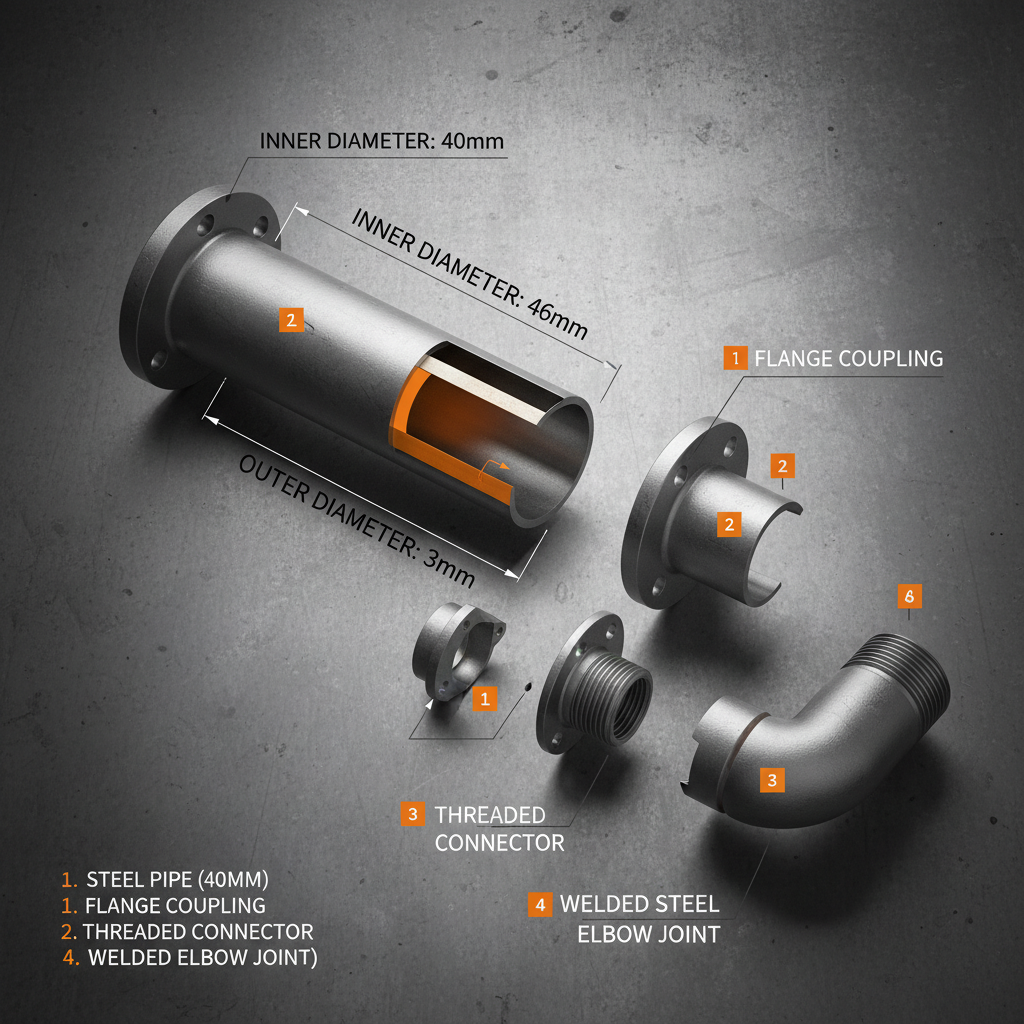
Comprehensive Guide to 40mm Steel Tube Applications and Material Selection

40mm steel tube is a versatile and widely used material in various industries, from construction and manufacturing to automotive and beyond. Its strength, durability, and cost-effectiveness make it an ideal choice for numerous applications. This article will delve into the characteristics, applications, benefits, and considerations when working with 40mm steel tube, providing a comprehensive overview for professionals and anyone interested in this essential material.
Comprehensive Guide to 40mm Steel Pipe Applications and Considerations
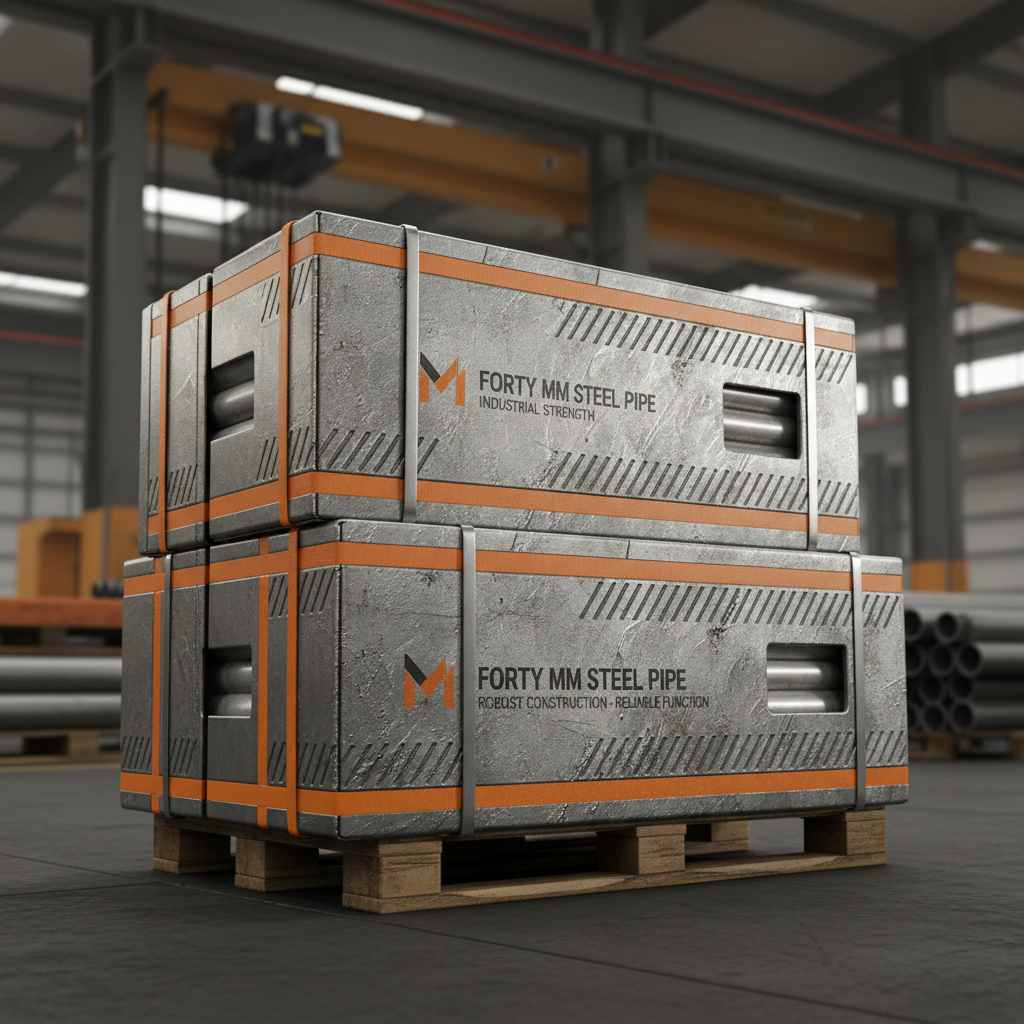
Comprehensive Guide to 40mm Steel Pipe Applications and Considerations

40mm steel pipe is a widely used material in various industries due to its strength, durability, and cost-effectiveness. From construction and infrastructure projects to industrial applications and fluid transportation, this pipe size offers a versatile solution. This article will delve into the properties, applications, standards, and key considerations when selecting 40mm steel pipe, helping you make informed decisions for your specific needs.
Comprehensive Guide to 40mm Metal Pipe Applications and Sourcing
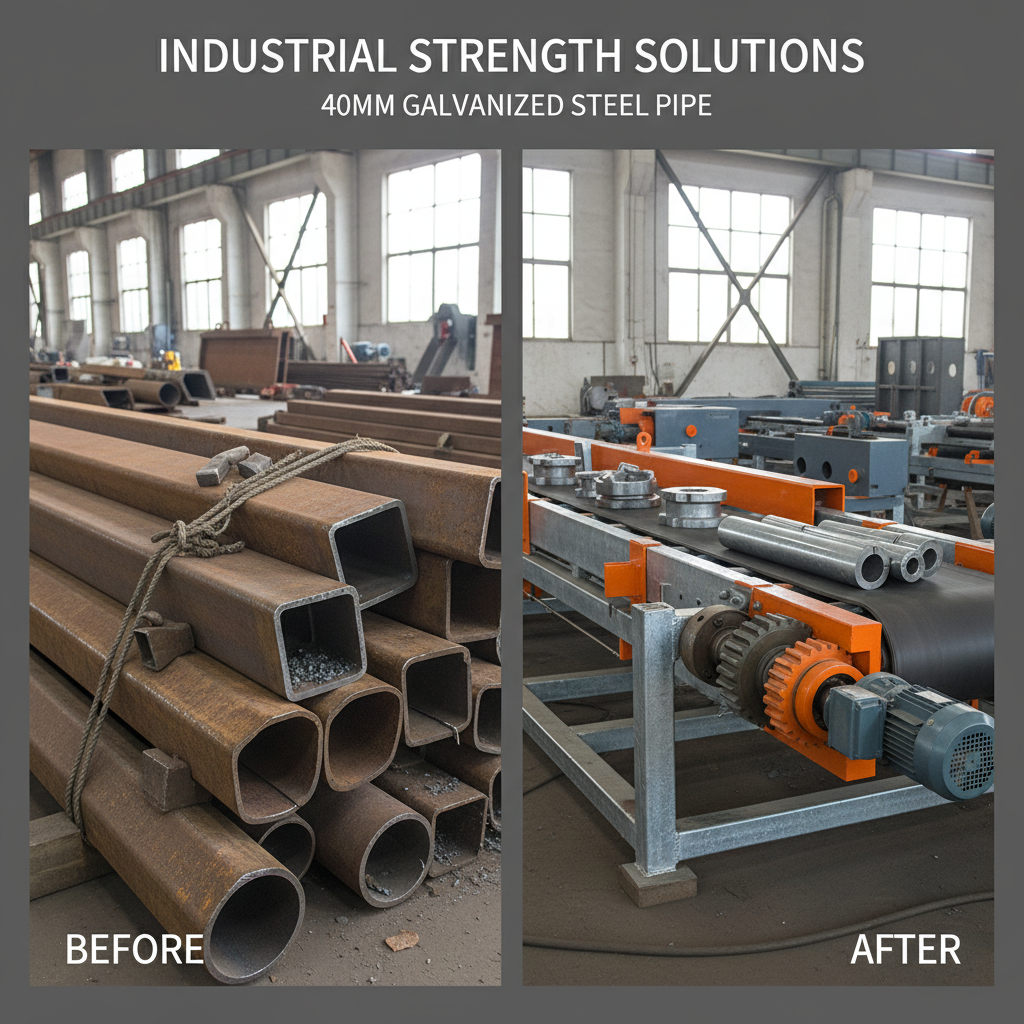
Comprehensive Guide to 40mm Metal Pipe Applications and Sourcing

40mm metal pipe is a crucial component in a wide array of industries, from construction and plumbing to industrial manufacturing and fluid transport. Its strength, durability, and versatility make it a preferred material for countless applications. This article will delve into the specifics of 40mm metal pipe, exploring its various types, common uses, benefits, and where to source high-quality piping solutions.
Comprehensive Guide to 40mm Galvanised Pipe Applications and Specifications

Comprehensive Guide to 40mm Galvanised Pipe Applications and Specifications

When planning a plumbing, structural, or industrial project, selecting the right piping material is crucial. 40mm galvanised pipe is a widely used option known for its strength, durability, and corrosion resistance. This article provides a detailed overview of 40mm galvanised pipes, exploring their applications, benefits, specifications, and considerations for optimal usage. We'll cover everything from what galvanisation is to how to choose the right pipe for your specific needs.
tel email tel top

Hvis du er interesseret i vores produkter, kan du vælge at efterlade dine oplysninger her, så kontakter vi dig snarest.