Flanges are essential components in piping systems, facilitating connections between pipes, valves, and other equipment. Their diverse designs and applications play a crucial role in ensuring the integrity, safety, and efficiency of fluid transfer across various industries. This exploration delves into different flange types, including body flange, bolted flange, butt weld flange, butterfly flange, and butterfly valve flange type, uncovering their unique features, installation methods, and ideal usage scenarios.
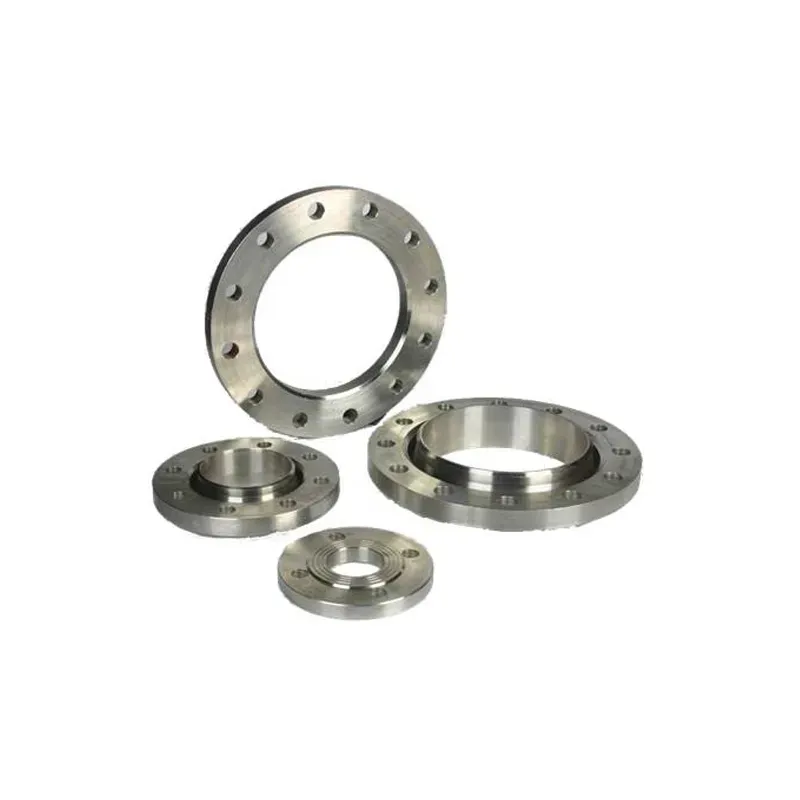
In the realm of industrial connections, the body flange stands out for its ability to provide a reliable and sturdy joint. Often integrated directly into the body of a component, such as a valve or a fitting, this type of flange offers enhanced structural integrity. For instance, in high - pressure applications where vibrations and stress are common, a body flange can better withstand the forces acting upon it compared to some other flange designs. Its seamless integration with the component body reduces potential leak points, making it a preferred choice in industries like oil and gas, where the containment of hazardous fluids is of utmost importance. When paired with appropriate gaskets and fasteners, the body flange creates a tight seal that can endure harsh operating conditions over extended periods.
One of the most prevalent flange types in piping systems is the bolted flange. This design features a set of bolt holes around its circumference, allowing it to be connected to another flange or a mating surface using bolts and nuts. The bolted flange offers great flexibility, as it enables easy disassembly and reassembly of the piping system for maintenance, inspection, or modification purposes. In large - scale industrial plants with complex piping networks, bolted flanges are commonly used to connect pipes of different diameters or materials. By tightening the bolts evenly, a uniform pressure is applied across the flange faces, ensuring a secure seal. The use of various gasket materials further enhances the sealing performance of bolted flanges, making them suitable for a wide range of fluids, from corrosive chemicals to high - temperature steam.
For applications demanding high strength and a smooth internal flow, the butt weld flange is an ideal choice. This type of flange is designed to be welded directly to the end of a pipe, creating a continuous and seamless connection. The welding process fuses the flange and the pipe together, resulting in a joint that can withstand high pressures and temperatures. In pipelines transporting petroleum products or natural gas over long distances, butt weld flanges are frequently employed. The smooth interior surface of the butt weld flange minimizes fluid turbulence and pressure drop, optimizing the flow efficiency of the system. Skilled welders use precise techniques to ensure a proper weld bead, guaranteeing the structural integrity and leak - tightness of the butt weld flange connection.
Butterfly flanges are known for their compact size and lightweight design, making them highly suitable for applications where space is limited. These flanges are often used in conjunction with butterfly valves, which are quarter - turn valves that provide quick opening and closing capabilities. The butterfly flange is designed to match the dimensions of the butterfly valve, allowing for a straightforward installation process. In water treatment plants or HVAC systems, butterfly flanges and valves are commonly used to control the flow of water or air. Their ease of operation and relatively low cost make them a popular choice for both new installations and retrofitting existing systems. The butterfly flange's ability to provide a reliable seal while taking up minimal space contributes to the overall efficiency and cost - effectiveness of the piping system.
The butterfly valve flange type is specifically designed to interface with butterfly valves, ensuring a secure and leak - proof connection. This flange type typically features a flat face or a raised face, depending on the application requirements. The flat - faced butterfly valve flange type is often used in low - pressure applications where a simple and cost - effective seal is sufficient. On the other hand, the raised - faced butterfly valve flange type provides a better sealing surface, making it suitable for higher - pressure applications. In industrial settings where the precise control of fluid flow is essential, the butterfly valve flange type works in tandem with the butterfly valve to regulate the flow rate and direction. Its compatibility with different types of gaskets and the availability of various materials, such as carbon steel, stainless steel, and ductile iron, further expand its range of applications across different industries.
When choosing a flange type, several factors need to be considered. First, assess the operating pressure and temperature of the system. High - pressure and high - temperature applications may require butt weld flanges or bolted flanges with robust materials and construction. The type of fluid being transported also matters; corrosive fluids may demand flanges made of corrosion - resistant materials like stainless steel. Additionally, space constraints and the need for easy maintenance should influence the decision. For example, in tight spaces, butterfly flanges or body flanges may be more appropriate, while bolted flanges offer the convenience of disassembly for maintenance.
Proper installation is crucial for the performance and safety of flange connections. Ensure that the flange faces are clean and free of any debris, scratches, or imperfections before installation. Use the correct type and size of gaskets, and position them accurately between the flange faces. When tightening bolts on bolted flanges, follow a specific torque sequence to achieve an even distribution of pressure. For butt weld flanges, the welding process should be carried out by qualified welders following strict welding procedures to ensure a strong and leak - proof joint. Regular inspection and maintenance of flanges, including checking for signs of wear, corrosion, or leaks, are also essential to ensure the long - term reliability of the piping system.
In general, different flange types are not directly interchangeable without careful consideration. Each flange type has its own design characteristics, dimensions, and pressure - rating capabilities. However, in some cases, with the use of appropriate adapters or reducers, it may be possible to connect flanges of different types. For example, an adapter can be used to connect a bolted flange to a butt weld flange in certain situations. But such modifications should be done with caution, and it's important to ensure that the resulting connection meets the safety and performance requirements of the system. It's always best to consult with engineering experts or follow industry standards when attempting to interchange flange types.
منتجات مقاومة للتآكل والعزل الحراري
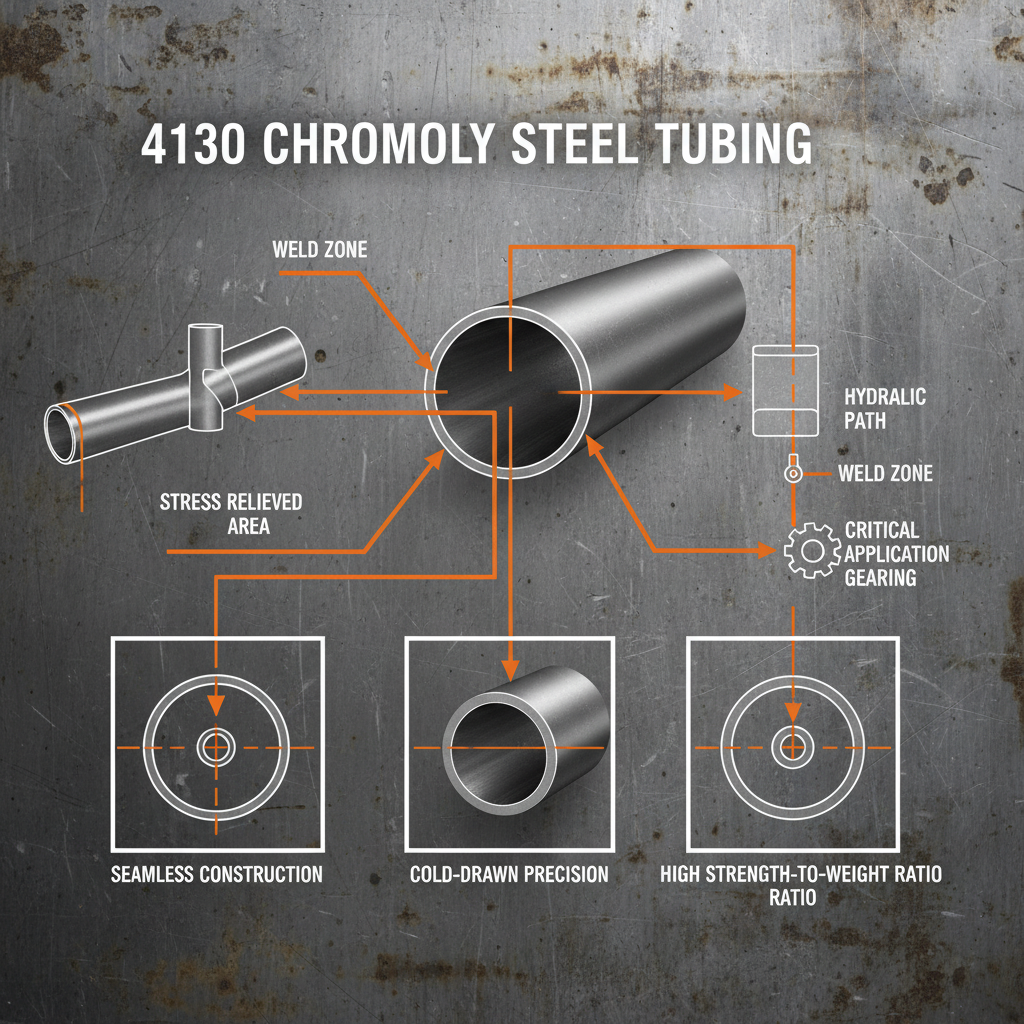
Ultimate Guide to 4130 Tubing Strength Performance and Applications
Properties and Industrial Applications of 4130 steel tubing
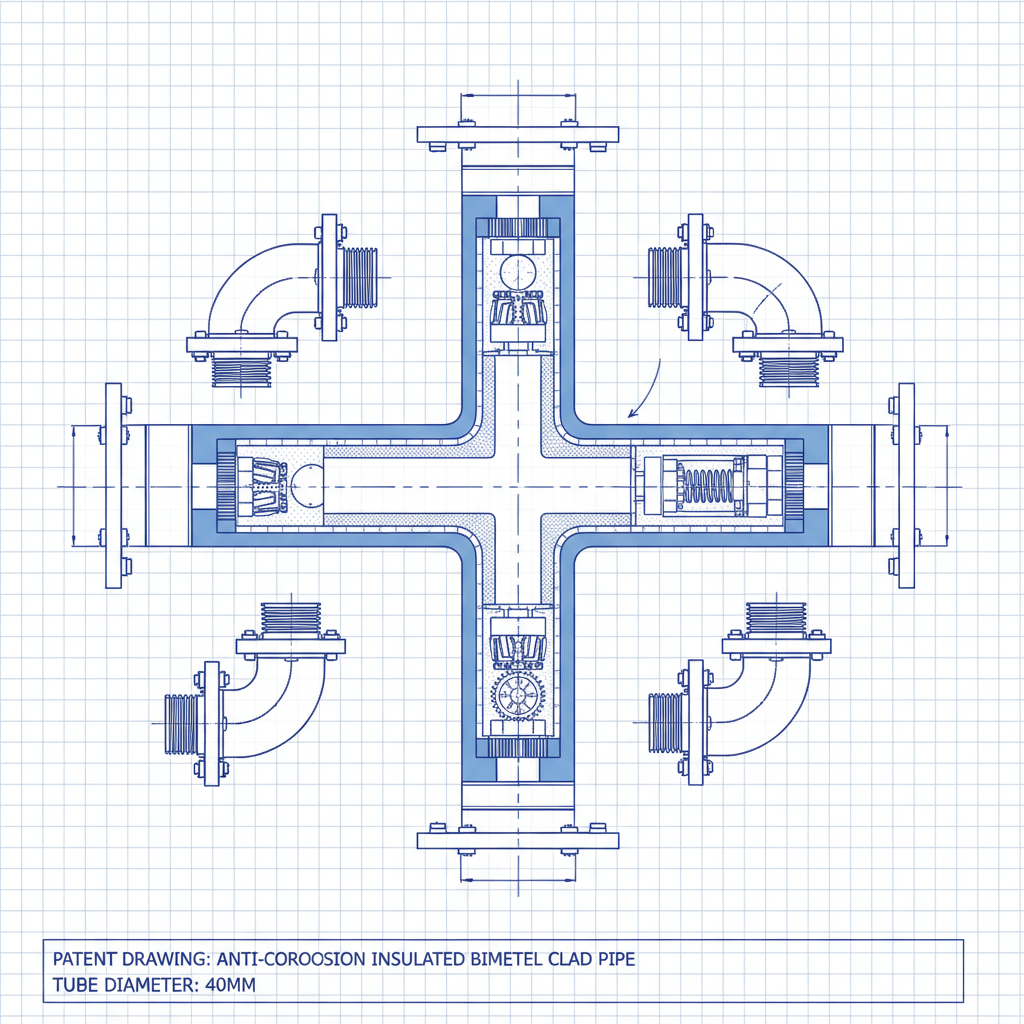
Comprehensive Guide to 40mm Steel Tube Applications and Material Selection
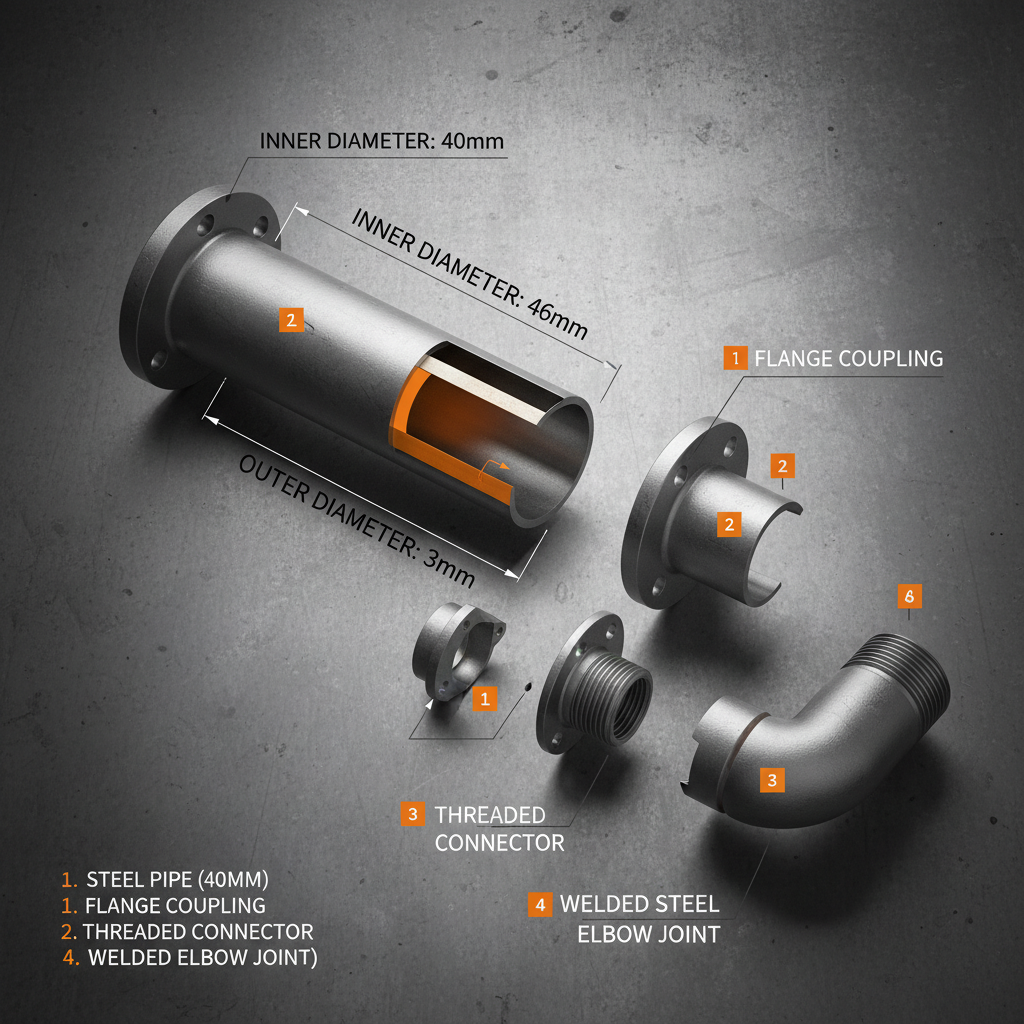
Comprehensive Guide to 40mm Steel Pipe Applications and Considerations
Comprehensive Guide to 40mm Metal Pipe Applications and Sourcing
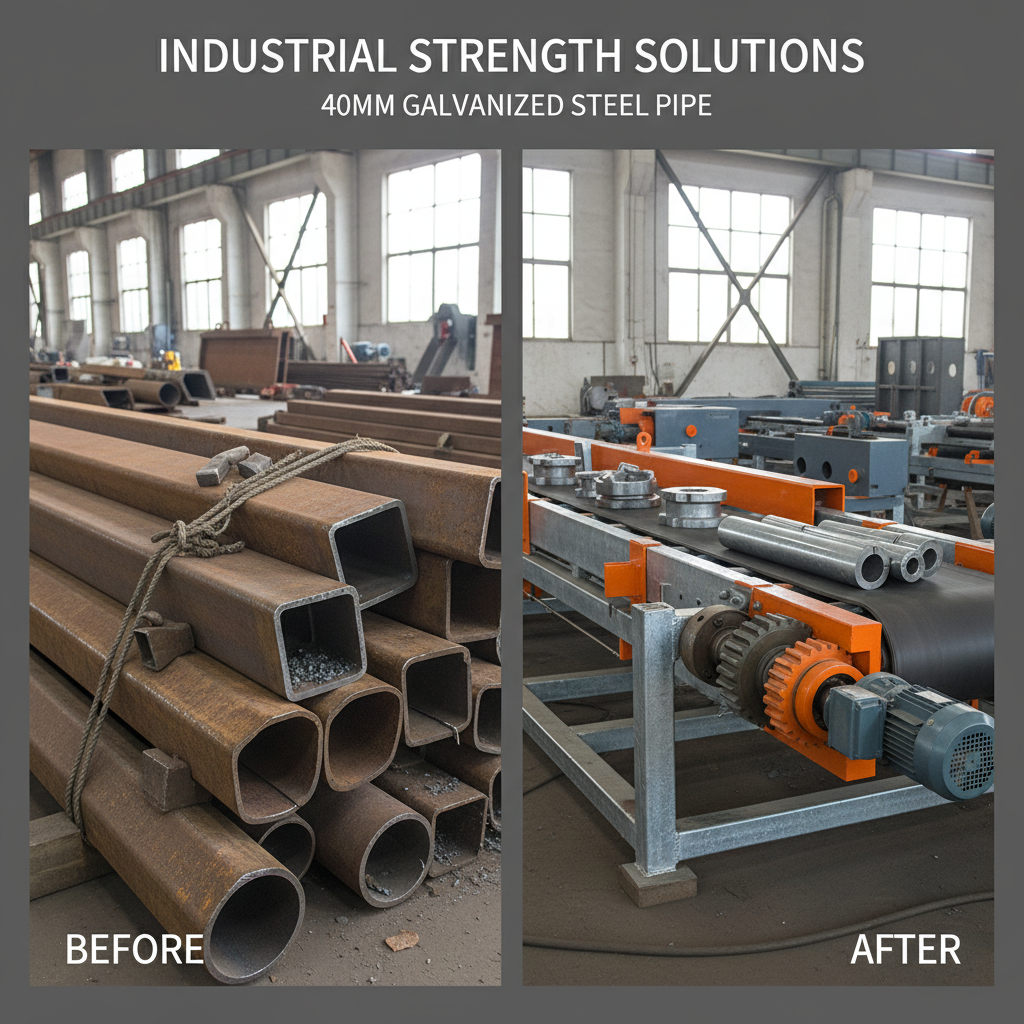
Comprehensive Guide to 40mm Galvanised Pipe Applications and Specifications