tel
Email
to top

Comprehensive Guide to Galvanized Black Pipe: Uses, Benefits & Vendors

Nov 30 2025
share:

Why the Galvanized Black Pipe Still Holds a Global Spotlight

You might not think much about the humble pipe, but galvanized black pipe is quietly shaping industries worldwide — from sprawling urban infrastructure to remote humanitarian projects. It combines a classic steel core with a protective zinc coating, resulting in a resilient, corrosion-resistant tube that’s ideal for harsh environments.

Globally, infrastructure growth and industrial expansion demand durable materials. According to the International Organization for Standardization (ISO), galvanized steel piping has become a standard in sustainable construction due to its longevity and cost-efficiency. Understanding galvanized black pipe, its applications, and advantages equips engineers, project managers, and NGOs with the right tools to deliver better, safer projects — wherever in the world.

Mini takeaway: Galvanized black pipe is a surprisingly vital, versatile component that balances longevity and affordability, contributing profoundly to infrastructure resilience globally.

Setting the Stage: The Global Importance of Galvanized Black Pipe

The World Bank estimates that infrastructure investments will need to exceed $90 trillion by 2030 to meet urbanization demands, especially in Asia and Africa. Pipe systems form the arteries of this growth, transporting water, gas, and industrial liquids securely and efficiently.

Unfortunately, many regions still struggle with premature pipe corrosion, leading to costly replacements and safety risks. The galvanized black pipe, with its zinc coating resisting rust, tackles this head-on by extending service life in challenging climates — a win for sustainability and budgets alike.

Beyond urban centers, galvanized black pipe also serves humanitarian efforts by supporting water delivery in disaster zones or remote areas. Its robust nature and ease of installation make it a go-to for fast-deployment projects under brand-new challenges.

Mini takeaway: From megacities to makeshift relief camps, galvanized black pipe solves key problems, ensuring safe, lasting infrastructure in tough conditions.

What’s in a Name? Defining Galvanized Black Pipe

Simply put: a galvanized black pipe is a carbon steel pipe coated with zinc to prevent rust and corrosion. The “black” refers to the dark, unfinished steel surface underneath before galvanization.

Its connection to industry and humanitarian needs is straightforward yet profound. Galvanized black pipes carry everything from water and oil to compressed air safely, forming the backbone of many systems essential for daily life, health, and industry productivity.

The Coating Process

Zinc galvanizing involves dipping steel components into molten zinc or using electroplating, creating a tough, protective barrier. This slows corrosion dramatically, especially compared to bare steel.

Mini takeaway: Think of galvanized black pipe as a rugged steel soldier cloaked in zinc armor, ready to endure long service in harsh chemical or atmospheric environments.

Core Components That Make Galvanized Black Pipe Stand Out

Durability That Outlasts Expectations

The zinc coating guards against rust and mechanical damage, extending pipe life beyond 50 years in many cases. For engineers, that means fewer repairs and replacements, translating to significant savings.

Cost Efficiency Over Time

Though galvanized black pipes may cost slightly more upfront than uncoated options, their long service life and limited maintenance lower total expenses. This is crucial in infrastructure budgets where longevity is king.

Versatility Across Industries

Used in plumbing, oil and gas, agriculture, and more, the pipe’s ability to handle varied fluids and gases under pressure makes it a preferred choice for countless applications. Plus, it's compatible with standard fittings worldwide, simplifying procurement and assembly.

Scalability for Large and Small Projects

Whether it’s a vast refinery or a remote well station, galvanized black pipe can be cut, threaded, and connected easily, boosting on-site efficiency.

Environmental and Safety Compliance

Galvanized black pipes meet many international standards (like ASTM A53) ensuring safe use in potable water systems and industrial processes — supporting both worker safety and environmental regulations.

Product Specification at a Glance

Specification Details
MaterialCarbon steel (ASTM A53, Grade B)
CoatingHot-dip galvanized zinc coating (~85 µm thickness)
Diameter Range½ inch (15 mm) to 6 inches (150 mm)
LengthStandard 6 meters (custom lengths available)
Pressure RatingUp to 300 psi (varies with diameter)
Surface FinishDull or shiny galvanized with rugged texture
ThreadingNPT (National Pipe Thread) standard

Who Uses Galvanized Black Pipe — And How?

The answer: industries and regions as varied as the pipelines they build. Large petrochemical plants in the Middle East integrate galvanized steel for process piping. In the U.S. and Europe, it's common in residential water systems and sprinkler lines.

And then there’s the humanitarian angle — galvanized black pipe often gets deployed in emergency water supply setups by NGOs in tropical cyclone zones or drought-affected areas, where rust would otherwise bring failures.

Remote mining operations in Latin America also rely heavily on galvanized steel pipes for compressed air and slurry movement, leveraging the material’s ruggedness in tough natural environments.

Mini takeaway: Galvanized black pipe harmonizes with diverse user needs, whether a multinational corporation or a small local NGO responding to crisis.

Why It’s a Wise Long-Term Investment

  • Cost savings: Minimizes repair frequency.
  • Enhanced safety: Corrosion resistance prevents leaks and hazards.
  • Environmental impact: Longer life means less waste.
  • Reliability: Consistent performance under pressure and stress.
  • Social benefit: Supports access to clean water and energy.
  • Peace of mind: Many engineers say it’s a “no-brainer” for projects aiming for sustainability.

Overall, this pipe type knits together economic, environmental, and social benefits — something that increasingly matters in today’s project evaluations.

On the Horizon: New Trends & Smart Innovations

There’s momentum in combining galvanized pipes with smart monitoring tech — sensors embedded to track corrosion in real-time or detect pressure drops. Digitally integrated pipeline networks could save millions in unplanned maintenance.

Also, manufacturers are experimenting with more eco-friendly galvanizing methods and recycled steel content — keeping the whole lifecycle greener. Then, regulatory bodies like ISO and ASTM continue pushing for higher testing standards, ensuring safety advances.

In parallel, alternative coatings like zinc-aluminum alloys promise stronger protection, which might edge galvanized black pipes toward even tougher environments such as offshore or chemical plants.

Common Hurdles and How Industry Experts Tackle Them

One big challenge? Surface damage during transport or installation can compromise the zinc layer, accelerating rust spots. Experts recommend careful handling, plus field re-galvanizing or protective coatings to fix such areas.

Another hurdle is weight: galvanized pipes are heavier than plastic alternatives, which affects logistics and labor. Modular installation and machinery help ease this load without compromising strength.

Expert tip: Always pair galvanized black pipe with compatible fittings and avoid mixed metals to prevent galvanic corrosion. It’s these details that make the biggest difference in pipe longevity.

FAQ: Your Questions About Galvanized Black Pipe

  • Q: How long does galvanized black pipe typically last in outdoor settings?
    A: Under typical conditions, galvanized black pipe can last 40-50 years outdoors before significant corrosion develops, provided it's properly handled and installed.
  • Q: Is galvanized black pipe suitable for potable water systems?
    A: Yes, when compliant with standards such as NSF/ANSI 61, galvanized pipes can be used safely for drinking water transport, although newer materials are sometimes preferred due to taste and health concerns.
  • Q: Can galvanized black pipe handle high-pressure applications?
    A: Absolutely. Depending on diameter and wall thickness, it can safely carry pressures up to 300 psi or more, commonly used in compressed air and natural gas lines.
  • Q: How does galvanized black pipe compare to black steel pipe?
    A: Galvanized black pipe has a zinc coating that greatly improves corrosion resistance over bare black steel pipe, which rusts quickly if left exposed.
  • Q: What maintenance is needed to prolong pipe life?
    A: Regular inspection for damage, prompt repair of scratches, and cleaning to avoid buildup extend lifespan. Re-galvanizing is an option in some cases.

Vendor Comparison: Finding the Right Supplier for Your Project

Supplier Product Range Quality Certifications Lead Time Price Level Notes
SteelPro Global½"–6" galvanized pipesISO 9001, ASTM A532–3 weeksMid-rangeKnown for consistent coating thickness
HardenPipes Ltd.1"–8" sizes plus customISO 14001, ASTM3–4 weeksPremiumOffers eco-friendly galvanizing option
PipeWorks Inc.½"–4", high volumeAPI Spec 5L, ASTM1–2 weeksBudget-friendlyGood for bulk procurement, limited custom services

Wrapping It Up: Why Galvanized Black Pipe Remains a Top Choice

It’s clear that galvanized black pipe ticks many boxes: durability, cost-effectiveness, safety, and adaptability. For anyone installing plumbing, pipelines, or emergency water lines, this is a material worth considering seriously.

Want to dive deeper or find trusted suppliers? Feel free to visit our comprehensive product page. Infrastructure’s future may be massive and complex, but with galvanized black pipe, the foundation stays strong and steady.

Oddly enough, amidst all the high-tech hype, it's these tried-and-true materials that keep the wheels turning — and civilizations flowing.
References

  1. ISO Standards for Steel Pipes
  2. World Bank Infrastructure Overview
  3. Galvanization - Wikipedia
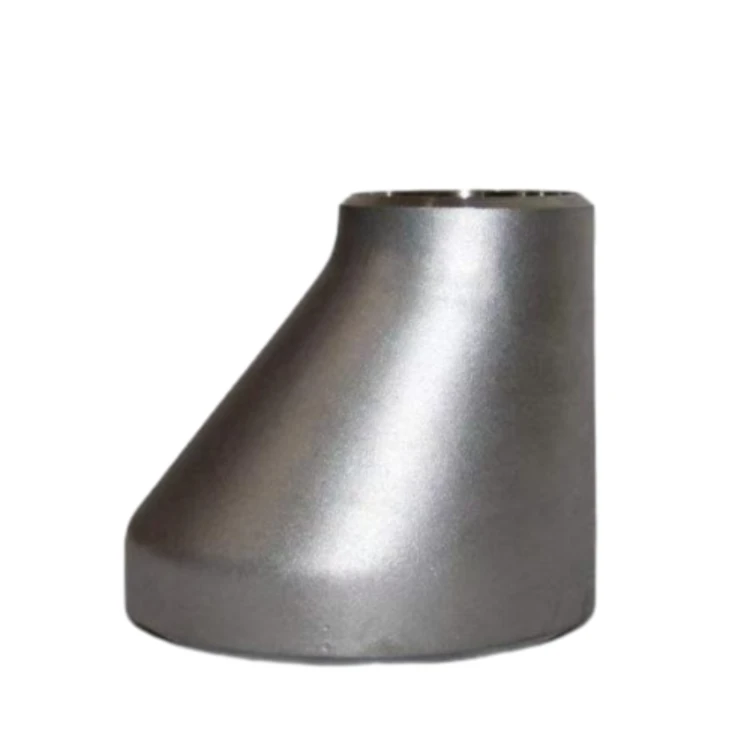
  • Reducer

    Reducer

    Reducer is a pipe fitting used to connect pipes of different diameters, facilitating smooth transitions between varying flow capacities in piping systems. Available in concentric and eccentric designs, reducers help maintain optimal flow efficiency while minimizing pressure loss and turbulence.
    VIEW ALL
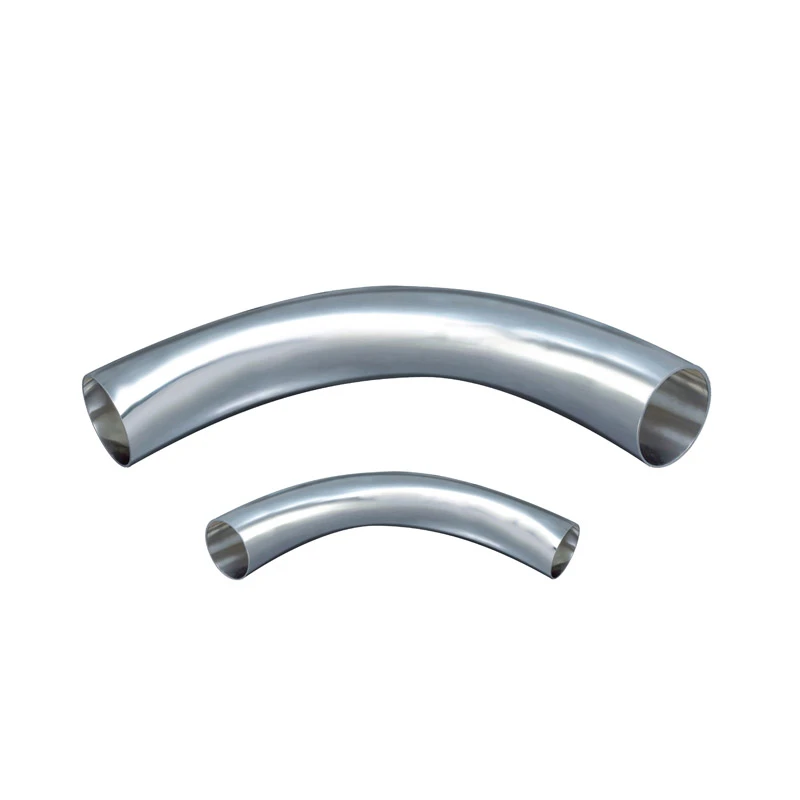
  • Bend Pipe

    Bend Pipe

    Bend is a crucial pipe fitting used to change the direction of flow in a piping system. It allows for smooth transitions between sections of pipe, accommodating layout constraints, avoiding obstacles, and optimizing flow paths. Bends are designed to maintain the fluid's velocity and minimize pressure loss while providing the necessary angle of deviation. They are commonly used in various industries, including oil and gas, petrochemicals, water supply, and HVAC systems.
    VIEW ALL
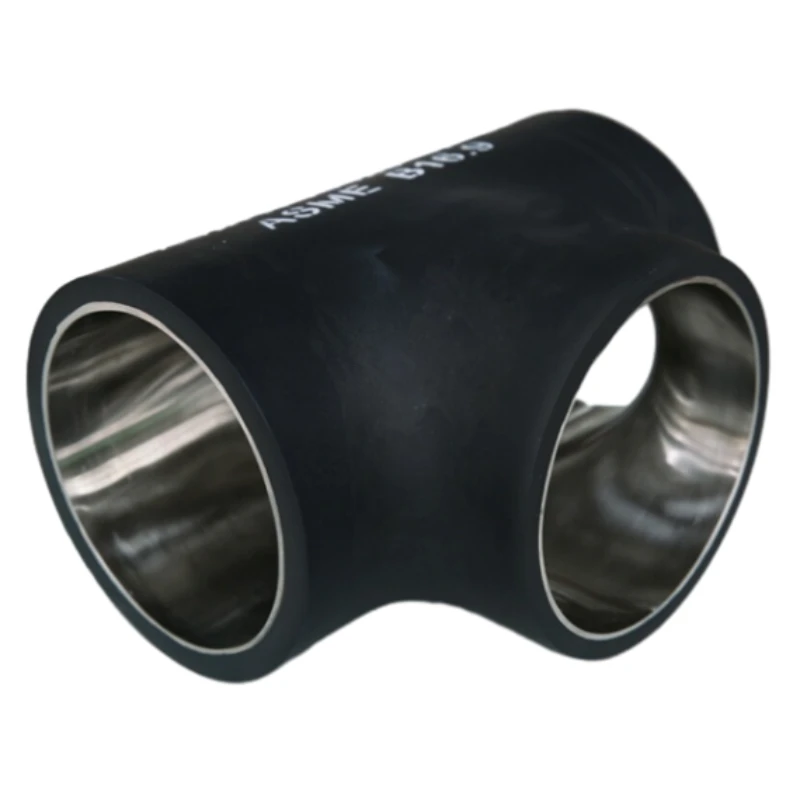
  • Tee Pipe

    Tee Pipe

    Tee products are essential pipe fittings used to connect three sections of piping, forming a "T" shape. Available in various materials like carbon steel, stainless steel, and alloy steel, they are designed for use in systems requiring the diversion or junction of fluid flow.
    VIEW ALL
To create value for customers!
Cangzhou Leo Technology Co., Ltd. is located in Mengcun County Economic Development Zone, Cangzhou City, Hebei Province. It is a specialized high-tech enterprise that integrates the research and development, production, and sales of composite pipes and fittings.
News
The company regards product quality as the life of the enterprise, establishes a sound quality management system in accordance with the requirements of industry and national standards, controls all aspects of input and output in the whole process, pays attention to every detail, and ensures that the product delivery pass rate is 100%.
High Performance Sink Pipe Steel Guide for Industrial Piping

High Performance Sink Pipe Steel Guide for Industrial Piping

High-Performance Sink Pipe Steel: The Ultimate Guide to Industrial Piping In the demanding world of industrial manufacturing and pressure vessel construction, the selection of materials for piping systems is critical. Utilizing high-quality sink pipe steel ensures that systems can withstand extreme pressures, corrosive media, and mechanical stress. Whether it is for chemical processing, oil and gas, or construction, the right steel grade and fitting geometry can mean the difference between seamless operation and costly system failure. This guide explores the technical nuances of steel elbows and specialized clad materials designed for the most rigorous environments.
Ultimate Guide to Industrial Seamless Steel Pipe for Piping

Ultimate Guide to Industrial Seamless Steel Pipe for Piping

In the realm of modern industrial infrastructure, the integrity of piping systems is non-negotiable. The seamless steel pipe stands as the gold standard for transporting high-pressure fluids and gases. Unlike welded alternatives, seamless pipes are manufactured without a longitudinal seam, eliminating the most common point of failure and ensuring superior structural consistency. This makes them indispensable in sectors where safety and reliability are paramount, such as petroleum, nuclear power, and thermal energy. In this comprehensive guide, we will explore the technical advantages, material specifications, and critical applications of these high-performance components to help you make an informed procurement decision.
High Performance Seamless Steel Pipes for Industrial Piping

High Performance Seamless Steel Pipes for Industrial Piping

In the world of industrial fluid transportation and pressure vessel manufacturing, the choice of piping material can determine the safety and longevity of an entire system. Seamless steel pipes are engineered to withstand extreme conditions without the risk of weld-line failure, making them the gold standard for high-pressure environments. From oil and gas pipelines to hydraulic systems, these pipes offer unmatched structural integrity. In this comprehensive guide, we will explore the technical specifications, benefits, and diverse applications of carbon seamless steel solutions to help you make an informed procurement decision for your next engineering project.
High Performance Seamless Stainless Steel Pipe for Industrial Use

High Performance Seamless Stainless Steel Pipe for Industrial Use

The Ultimate Guide to Seamless Stainless Steel Pipe for Industrial Applications In the demanding world of oil and gas extraction, particularly in fields characterized by high hydrogen sulfide and carbon dioxide levels, the integrity of transportation infrastructure is critical. While traditional carbon steel often fails due to insufficient corrosion resistance, the seamless stainless steel pipe emerges as a premium solution. By eliminating weld seams, these pipes provide superior structural integrity and a seamless barrier against corrosive media. For industries operating under extreme pressure and chemical aggression, choosing the right piping material is not just about efficiencyit is about safety and long-term economic viability.
Industrial Piping Solutions Using Durable sch 40 steel pipe

Industrial Piping Solutions Using Durable sch 40 steel pipe

Optimizing Industrial Piping with SCH 40 Steel Pipe Solutions In the demanding world of industrial manufacturing and fluid transport, selecting the right piping specification is critical for safety and efficiency. The sch 40 steel pipe serves as a global standard for versatility, balancing wall thickness with internal flow capacity. Whether used in petrochemical plants, marine environments, or construction, this pipe grade provides the structural reliability needed to handle moderate pressures. However, as industries evolve, the integration of advanced technologies like laser cladding is transforming how we enhance these pipes to resist extreme corrosion and wear, extending the lifecycle of critical infrastructure.
Industrial 5 inch steel tubing Guide for High Pressure Systems

Industrial 5 inch steel tubing Guide for High Pressure Systems

The Ultimate Guide to 5 Inch Steel Tubing for Industrial Applications When designing high-pressure piping systems or structural frameworks, selecting the right material dimensions is critical for safety and efficiency. The 5 inch steel tubing serves as a versatile midpoint in industrial piping, offering a perfect balance between flow capacity and structural rigidity. Whether it is used in oil and gas transport, water management, or architectural support, the quality of the steel determines the longevity of the entire project. In this comprehensive guide, we will explore the technical specifications, material grades, and strategic advantages of utilizing this specific tubing size
tel email tel top

If you are interested in our products, you can choose to leave your information here, and we will be in touch with you shortly.